Traveling to Iceland in July is an unforgettable adventure. This is when you can expect the warmest weather of the year, with nearly endless daylight. It’s also the perfect time to enjoy spectacular natural sights and a full range of thrilling outdoor activities.
Thinking of visiting Iceland in July or wondering what to include in your summer itinerary? This guide covers everything you need to know. Learn about the weather conditions, packing tips, and the best things to see and do in Iceland in July.
- Browse our Iceland summer packages.
Is July a Good Time to Visit Iceland?
Yes, July is a good time to visit Iceland, and there are many reasons why. You can expect long, bright days, which offer plenty of time to explore Iceland’s iconic waterfalls, glaciers, and volcanic sites.
There’s so much to be excited about for your Iceland summer travel. Here are our top reasons to visit in July:
- You can enjoy long days with the midnight sun
- There are perfect conditions for a road trip
- The weather is at its best
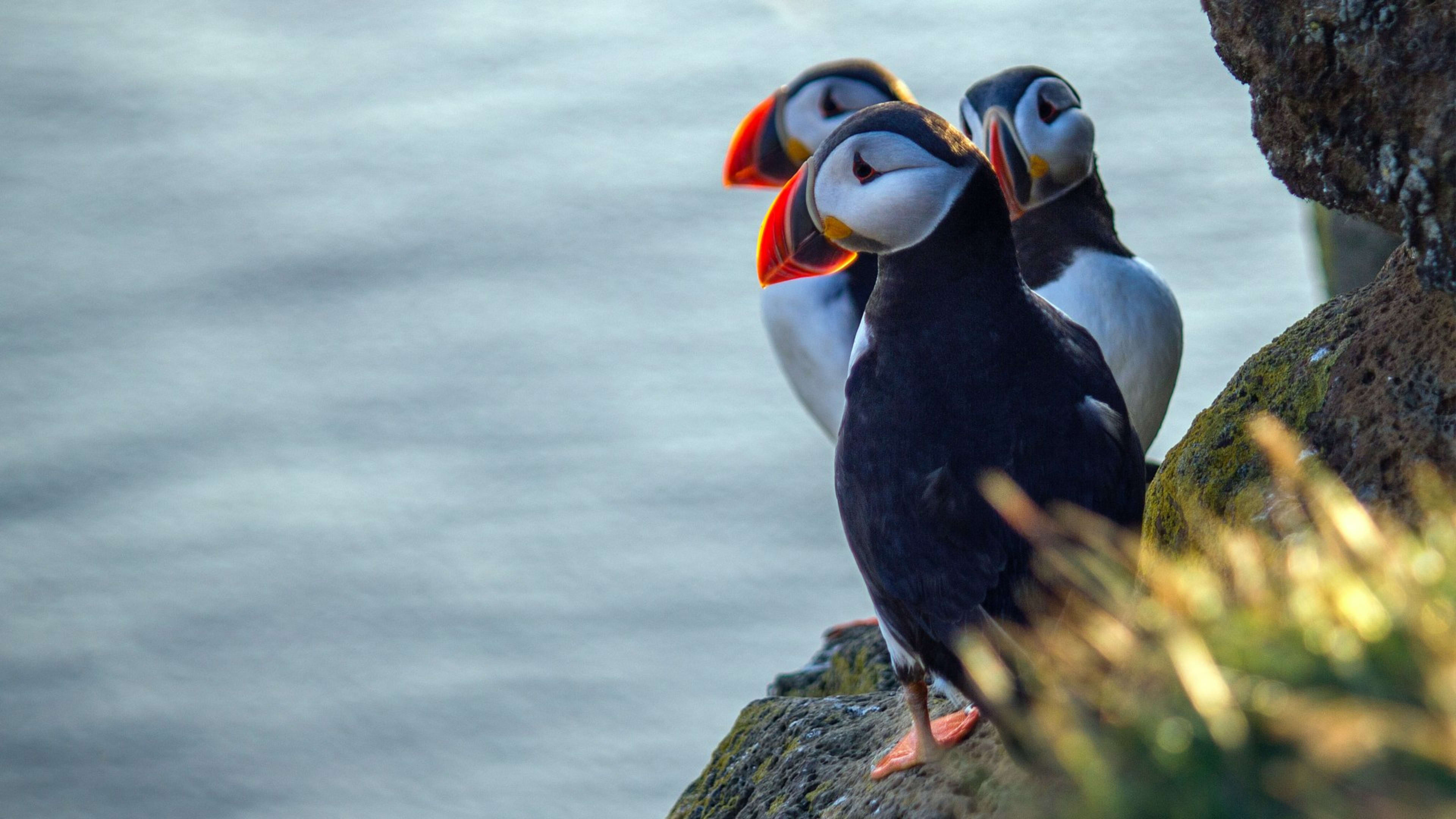
- Puffins are nesting along the coast
- It’s a good time to go hiking
- The Highland roads are open
- There’s a large and diverse number of whales around
- You can enjoy plenty of outdoor activities
- It’s ideal weather to go camping
- You have the chance to head off the beaten path

- Browse our summer packages that go into the highlands.
Iceland Weather in July
During the summer in July, Iceland experiences its warmest and most stable weather of the year. The average temperature in Iceland in July typically ranges from 9°C (48°F) to 15°C (59°F). On occasion, visitors may experience a summer heatwave (in Icelandic standards), with temperatures climbing into the low 20s°C (around 68°F).
That said, Icelandic weather is famously unpredictable. Conditions can change quickly, even within the same day. So, it’s important to be prepared for rain, wind, and sunshine at any time.
Iceland Daylight in July
Speaking of the midnight sun, July offers some of the longest days of the year in Iceland. From the summer solstice in late June until mid-July, you can expect more than 20 hours of daylight each day. During this time, the sun barely dips below the horizon, bathing Iceland in soft evening light well into the night.
One of the biggest advantages of this natural phenomenon is the extra time it gives you to explore. You can spend longer on the road and visit popular attractions later in the day. Or just simply relax and enjoy a glowing late-night sunset from your accommodation.
Even in late July, you’ll still have over 18 hours of daylight to make the most of each day.
Best Things to Do in Iceland in July
Wondering what to do in Iceland in July? As July is widely considered the best time to visit Iceland, you’ll find no shortage of experiences to enjoy. From iconic sights to seasonal adventures, here are the best things you can do when visiting Iceland in the summer.
1. Head on a self-drive tour
July is the perfect time for a road trip in Iceland. Picture yourself driving along winding roads through dramatic fjords, across vast lava fields, and past mountains and rugged coastlines. All while your favorite music plays and glaciers and volcanoes appear on the horizon.
You can explore the country by following Route 1, also known as Iceland’s Ring Road. In July, however, you can dream even bigger by adding more remote regions to your itinerary. This includes the Westfjords, which are easier and safer to visit in summer. And the Icelandic Highlands, which are only accessible during the summer months.
- Pick from one of these Iceland Ring Road packages.
2. Follow hiking trails for scenic adventures
Walking is one of the best ways to experience Iceland’s natural wonders. In July, you’ll find a wide range of hiking trails across the country. And these include options suitable for both beginners and experienced hikers.
Travel into the Highlands to experience hiking in Iceland in July. The roads into this region only open for a few weeks, from late June until August, depending on the weather. No matter where you are, you’d be treated to otherworldly scenery.
The adventure doesn’t stop there. Iceland’s national parks, coastal cliffs, and scenic trails offer countless opportunities for unforgettable walks. Along the way, you can admire glaciers, black sand beaches, and powerful waterfalls, as well as spot local wildlife.
If you’re visiting Reykjavík, a hike up Mount Esja is a great option for a city-based adventure. From the top, you’ll be rewarded with sweeping views over the capital and the surrounding bay.
- Discover the best day hikes in Iceland.
3. Explore the jaw-dropping glaciers
Glaciers are a defining feature of Iceland’s landscape. You can spot them from afar, rising like snow-covered mountains, or experience them up close through unforgettable guided excursions.
Activities such as glacier hiking and snowmobiling are available year-round, including during the summer months. Join a guided tour to walk across Sólheimajökull or Vatnajökull. Or go “Into the Glacier” on a unique experience that takes you deep inside Langjökull through a man-made ice tunnel.
- Hike or snowmobile a glacier for yourself on an Iceland adventure tour.
- Blog: Ultimate guide to glaciers in Iceland.
To admire glaciers and icebergs, we recommend visiting the Jökulsárlón Glacier Lagoon and the nearby Diamond Beach. In July, you could even take a boat tour on the lagoon to see the icy giants from up close.
4. Take a whale-watching cruise
Summer is one of the best times to go whale watching in Iceland. This is when a wide variety of species migrate to the surrounding waters. In fact, Iceland is considered one of the top whale-watching destinations in Europe.
Depending on the location, you may spot minke, humpback, and sperm whales, along with dolphins, seals, and seabirds.
Whale-watching tours depart from Reykjavík and several other coastal towns around the country. For the best chances of sightings, head north to Húsavík, widely regarded as the whale-watching capital of Iceland. Many summer tours here report extremely high sighting rates, often close to 100%.
5. See puffins along the coast
Ever wanted to see these clumsy yet charming seabirds in real life? July is one of the best months to spot puffins in the wild in Iceland.
They arrive in late April to nest on the coast until August. It’s not just a handful of them, either, but around 8 million puffins that call Iceland their home in summer.
The majority of the colonies can be found along the South Coast, North Iceland, and the Westfjords. In the western peninsula, you’ll even find one of Europe’s biggest bird cliffs, Látrabjarg.
- Check out our summer tours in Iceland in July.
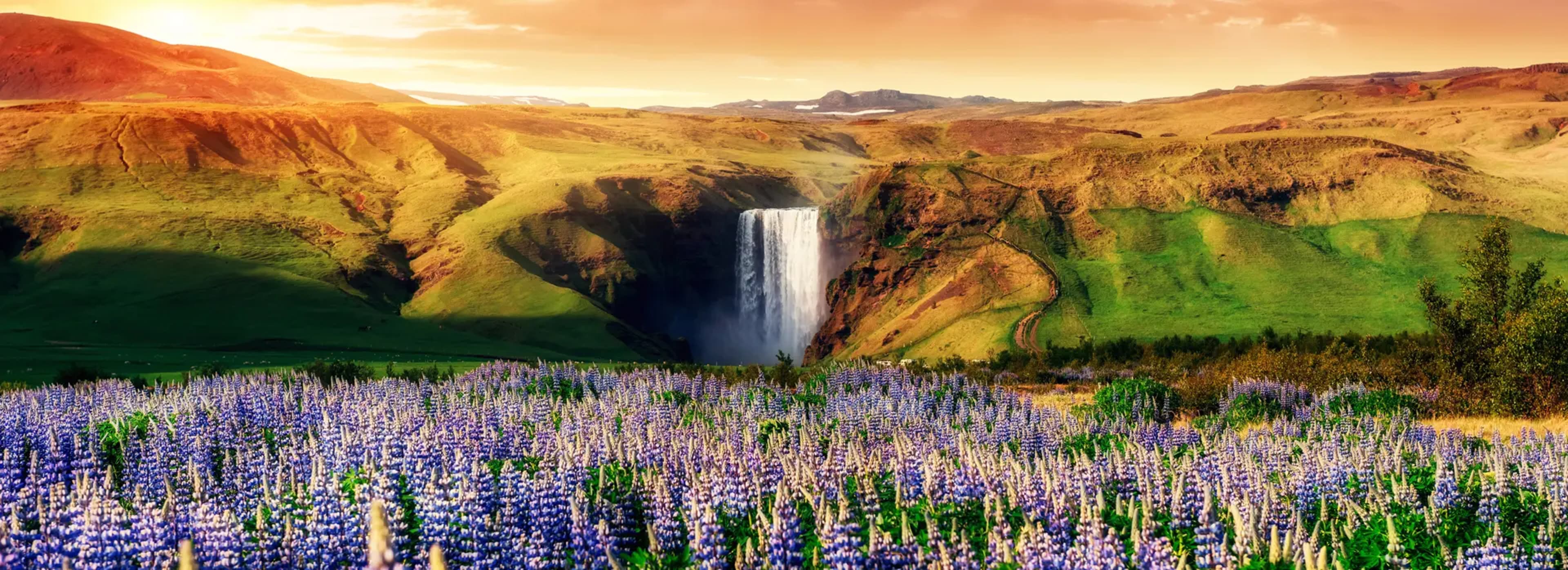
6. Photograph the many impressive waterfalls
You can’t come to Iceland and not visit at least one or two waterfalls. It’s the law! We’re kidding, obviously, but you won’t want to miss these impressive, natural water features of Iceland.
- Spot plenty of waterfalls on one of these guided group tours in Iceland.
- Blog: The 12 best waterfalls in Iceland.
They come in all heights, widths, and shapes. You could:
- Admire the chutes of Gullfoss as they fall into the canyon below
- Walk behind the water curtain at Seljalandsfoss
- Witness the most powerful falls in Europe, Dettifoss
- See the water streaming from lava fields at Hraunfossar
- Be in awe at the basalt columns surrounding Svartifoss
…and much more, as it’s estimated there are as many as 10,000 waterfalls in Iceland!
7. Relax in natural hot springs or spas
Thanks to Iceland’s geothermal energy, you could bathe in naturally heated waters during your July vacation.
Imagine you’re hiking in the countryside and simply stop for a dip in a hot spring amid the wilderness. It’s the best way to relax and warm up after a day of exploration outdoors. And it’s free!
You could visit local swimming pools in Icelandic towns and villages around the country. These are heated and often open all year long.
Many spas all throughout Iceland also use geothermally heated water for all its health benefits. Spend a few hours at the Húsafell Canyon Baths or the Blue Lagoon for a truly Icelandic spa experience.
8. Kayak, snorkel, or take part in other thrilling excursions
Yes, we realize this one may encompass quite a lot! That said, the activities you’ll add to your itinerary will depend on your interests. Iceland has a well-rounded set of outdoor excursions that you could book during your July vacation.
Snorkel between two worlds in the fissure between tectonic plates. Discover the inside of volcanoes through lava tunnels. Or kayak between icebergs. Did you know you could even snowmobile during the summer in Iceland?
- Check out all the Iceland day tours you could add to your trip.
Festivals and Events in Iceland in July
July is a lively month in Iceland, with cultural events, music festivals, and sporting competitions taking place across the country. If your visit aligns with one of these dates, consider adding an event or two to your itinerary.
Notable festivals and events in Iceland in July include:
- Landsmót Hestamanna – A major national event showcasing Iceland’s famous horses through competitions and performances
- Laugavegur Ultra Marathon – A challenging long-distance trail race through Iceland’s southern Highland landscapes
- Eistnaflug – A popular heavy metal festival held in the town of Neskaupstaður in East Iceland
- Bræðslan – An intimate music festival hosted in a historic herring factory in East Iceland
- Innipúkinn – A Reykjavík-based music festival featuring Icelandic and international artists
- Skálholt Summer Concerts – Classical and contemporary performances held at the historic Skálholt site
- Reykjavík Fringe Festival – A creative arts festival celebrating theatre, comedy, and experimental performances
- Þjóðhátíð – An iconic outdoor festival on the Westman Islands with live music, bonfires, and fireworks
Whether you’re interested in music, sport, or Icelandic culture, these July events let you experience Iceland beyond its natural attractions.
- Check out Iceland’s calendar of events for more.
Best Places to Visit in Iceland in July
July is one of the best times to explore Iceland. It offers long daylight hours, open roads, and access to summer-only regions that are closed for much of the year. From vibrant cities to remote landscapes, these are some of the best places to visit in Iceland in summer.
1. Reykjavik
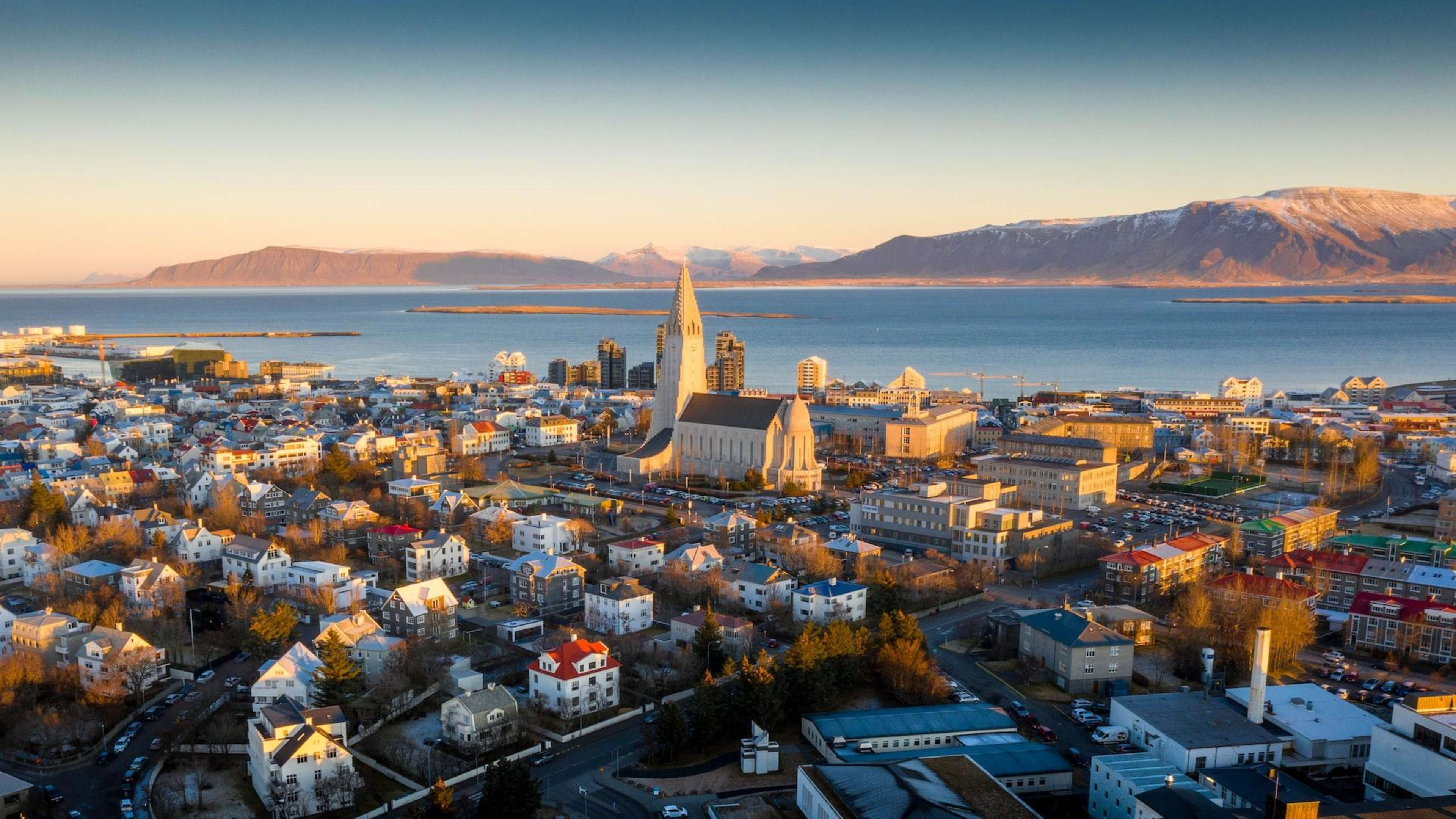
Did you know that Reykjavík is the northernmost capital in the world? That alone is worth traveling here, don’t you think? Need more convincing?
You can explore interactive museums in Reykjavík in July, such as Perlan, to experience the wonders of Iceland. Attend festivals, try Icelandic food at local restaurants, and learn about history at the Árbær Open Air Museum.
Or take a day trip to explore Viðey Island's nature trails. To warm up (or cool down), visit the geothermal beach Nauthólsvík, where you could dip your toes in the sea.
Reykjavík is also a great base for day trips. From here, you can easily join tours to the Golden Circle or head out on a whale-watching cruise.
2. The Golden Circle
The Golden Circle is Iceland’s most popular sightseeing route, and for good reason. In one day, you can visit Þingvellir National Park, see the erupting Geysir area, and admire the powerful Gullfoss Waterfall.
July’s mild weather and long days make it an ideal time to explore the route. It works just as well on a guided tour as it does on a self-drive itinerary.
3. South Iceland
South Iceland is known for its dramatic landscapes and iconic sights. Here, you’ll find towering waterfalls like Seljalandsfoss and Skógafoss, black sand beaches at Reynisfjara, and views of glaciers like Sólheimajökull.
In July, conditions are ideal for sightseeing, hiking, and glacier excursions, making this region a must-visit on any summer itinerary.
4. The Icelandic Highlands
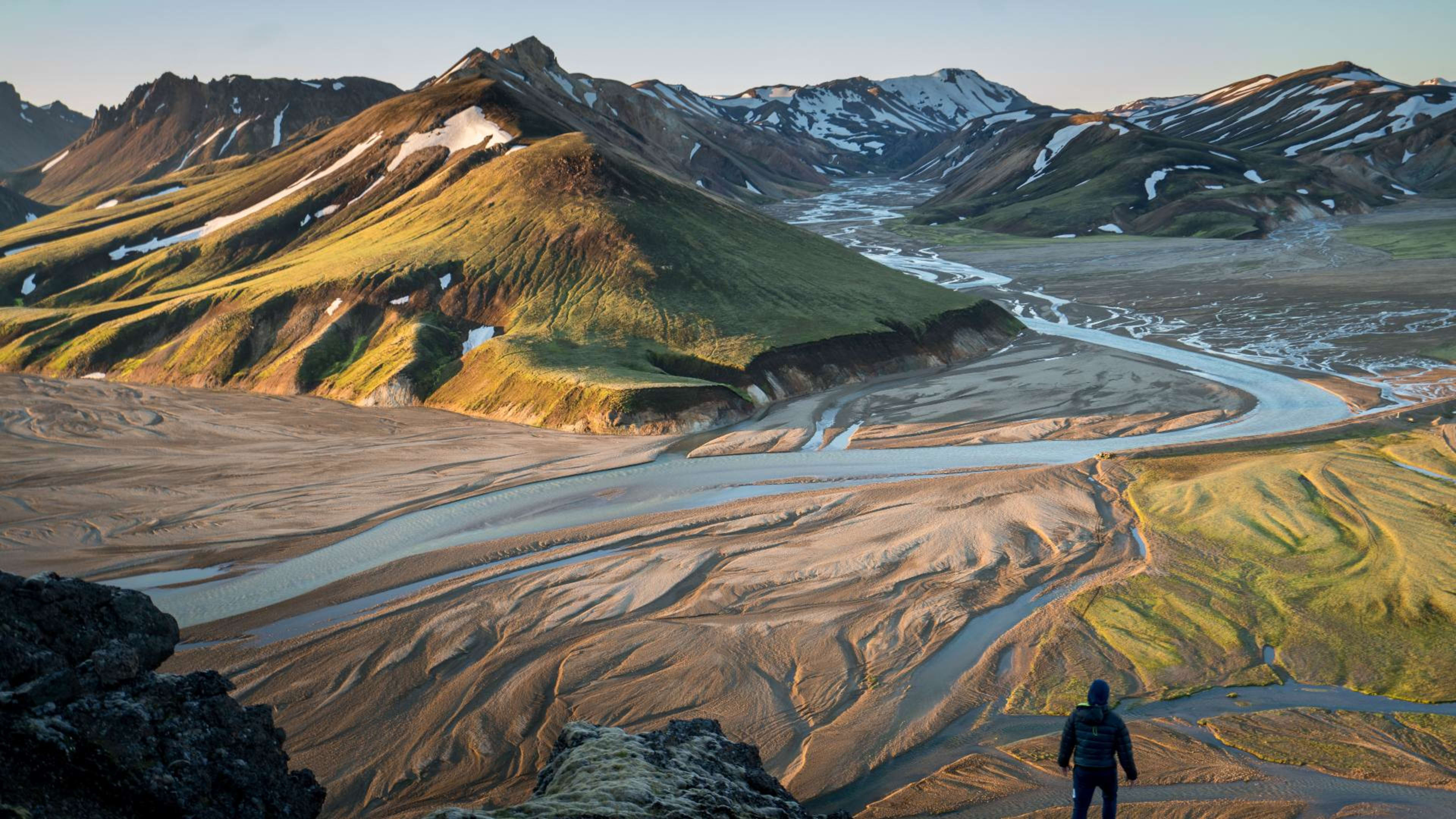
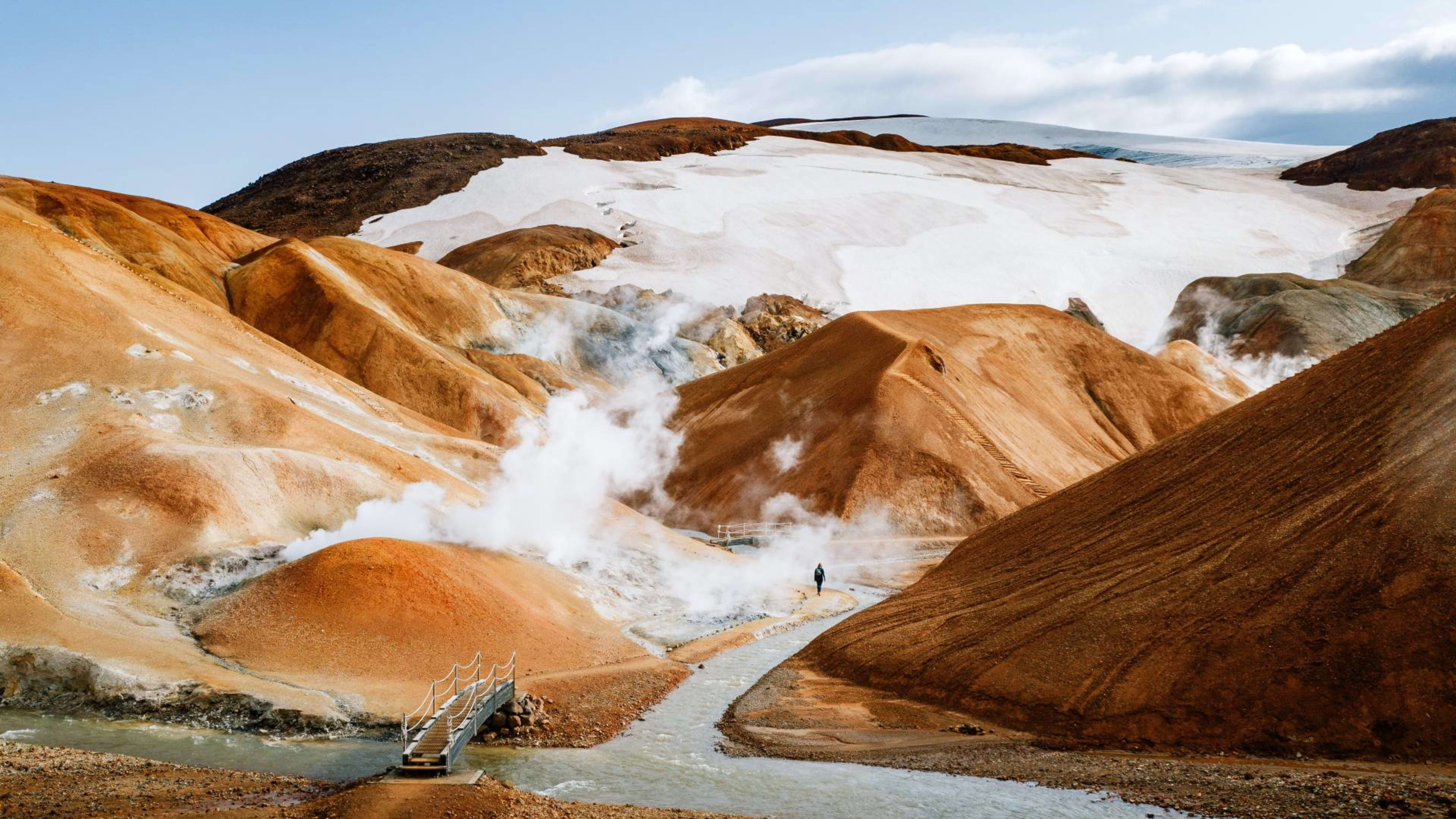
The Icelandic Highlands are only accessible during the summer months, making July the perfect time to visit. This remote region is defined by colorful rhyolite mountains, lava fields, and vast wilderness.
In the Icelandic Highlands, places like Landmannalaugar draw visitors with colorful mountains and natural hot springs. Meanwhile, Þórsmörk offers lush hiking valleys framed by glaciers. Farther north, Hveravellir feels truly remote, with steaming geothermal vents and quiet hot pools set deep in the Highlands.
5. The Westfjords
The Westfjords are one of Iceland’s most remote and least-visited regions. While open year-round, they are easiest and safest to explore in summer, when roads and weather conditions are more favorable.
Here, you’ll find dramatic fjords and quiet fishing villages, along with natural highlights such as Dynjandi Waterfall and Látrabjarg Cliffs. The region is also home to remote beaches like the red-sand Rauðasandur, as well as winding mountain roads and peaceful coastal viewpoints, where you can experience Iceland at its most untouched.
6. East Iceland
East Iceland offers a slower pace and fewer crowds, making it ideal for travelers seeking a more relaxed summer experience. The region is characterized by winding coastal roads, charming towns, and scenic fjords.
July is a great time to explore East Iceland. You can hike scenic trails around Seyðisfjörður and Borgarfjörður Eystri. Also spot wildlife in the fjords, or visit cultural attractions such as the Wilderness Center and local art museums.
7. Diamond Circle
The Diamond Circle is a popular sightseeing route in North Iceland, known for its diverse natural attractions. Highlights include Dettifoss, Europe’s most powerful waterfall, Lake Mývatn, and the dramatic horseshoe-shaped Ásbyrgi Canyon.
July’s long daylight hours and good road conditions make it ideal for exploring this Golden Circle of the north. Along the way, you can stop at the Tjörnes Peninsula, which is home to puffins during the summer months.

Iceland in July: What to Wear and Pack
Thinking of what to wear in Iceland in July? Packing well is essential when visiting Iceland, even in the summer. While summer brings the country’s warmest and most stable weather, conditions can still change quickly. By choosing the right clothing, you’ll be ready to enjoy everything your summer adventure has in store.
Here’s a list of packing essentials for your Iceland travel in July:
- Short-sleeved shirts and lightweight layers
- At least one or two fleeces or lightweight wool sweaters
- A waterproof and windproof jacket (or shell layers)
- A pair of waterproof trousers
- Gloves, a scarf, and a warm hat
- Cap and sunglasses
- Sturdy walking or hiking boots
- Thermal underwear and socks
- Binoculars for wildlife watchers
- Swimwear, flip flops, and a towel to go for a dip
- An eye mask to help you sleep in the midnight sun
Booking Your Iceland Vacation in July
It’s time to start planning your summer adventure in Iceland. Begin by choosing the destinations you’d like to visit and the activities you want to include in your itinerary.
You could browse our camping vacations, multi-day tours, road trips, and privately guided packages to find what works for you. When booking with Iceland Tours in July, you benefit from routes planned by locals who know the country inside out. You’ll also have peace of mind, knowing that you have travel support throughout your time in Iceland.
Be ready for a memorable summer break in Iceland in July!

Or take a day trip to explore the nature trails of Viðey Island. To warm up (or cool down) stop by the geothermal beach Nauthólsvík where you could also dip your toes in the sea.
You could also book a variety of day tours from Reykjavík, including to the Golden Circle or to go whale watching.
- Browse our summer multi-day tours from Reykjavík.
9. Attend local events and festivals
Look out for the following events and festivities you could attend in July.
See the famous Icelandic horses at the Landsmót Hestamanna horse competition. Athletes may also want to try the Laugavegur Ultra Marathon.
Iceland is renowned for its musical talent and you’ll find a host of music festivals to see local and international acts. There’s the Eistnaflug heavy metal festival and Bræðslan in East Iceland, Innipúkinn, and the Skálholt summer concerts.
Reykjavík is home to the Fringe Festival in July, and nearby in the Westman Islands, you could attend the annual outdoor festival Þjóðhátíð.

FAQs About Visiting Iceland in July
Can we see the Northern Lights in Iceland in July?
No, you’re unlikely to spot Iceland’s Northern Lights in July. You need proper darkness to see them in the sky, and the midnight sun will make it very difficult. For the best chances of seeing the aurora borealis, visit Iceland in winter.
What to see in Iceland in July?
In July, you can see Iceland’s most iconic sights, including waterfalls, glaciers, volcanic landscapes, and coastal wildlife. Summer also allows access to the Highlands and remote regions like the Westfjords.
How much does it rain in Iceland in July?
July is one of Iceland’s drier months, though rain is still possible. Expect occasional showers rather than constant rainfall.
Is Iceland too crowded in July?
July is a popular travel month, so expect large crowds at major attractions during your trip to Iceland in July. However, long daylight hours and less-visited regions make it easy to avoid crowds.
Is Iceland expensive in July?
Yes, Iceland is relatively expensive in July, as it’s peak travel season with high demand for flights, accommodation, and tours. Planning ahead and booking early can help keep costs more manageable.
Does it get dark in Iceland in July?
No, it doesn’t fully get dark in July in Iceland due to the midnight sun. While the sun may dip below the horizon briefly, you’ll still have plenty of natural light throughout the night.
Are there glaciers in Iceland in July?
Yes, Iceland’s glaciers are present year-round, including in July. Summer is also a great time for guided glacier hikes and other glacier-based activities.