September sits at the edge of two seasons. The summer crowds have thinned, most attractions are still fully open, and the first dark nights of autumn bring a reasonable chance of seeing the Northern Lights.
Temperatures are mild by Icelandic standards, the landscape takes on autumn colour, and the Réttir, the traditional sheep and horse roundup, gives the month a cultural dimension you won't find at other times of year.
This guide covers the main things to see and do in September, the weather and daylight picture, and the best locations to include in your itinerary.
Browse Iceland summer vacation packages to plan your September trip.
- Browse Iceland summer vacation packages to plan your September trip.

Is September a good time to visit Iceland?
Yes. September is one of the more useful months to visit. The peak summer season ends in August, so accommodation is easier to find and popular sites are noticeably quieter. Most of the country's attractions remain open, highland roads are accessible in early September depending on conditions, and whale watching is still running well. Temperatures are cooler than August but comfortable for hiking and outdoor activities.
The main trade-off is daylight. By late September you have around 12 hours of daylight, down from the near-continuous light of midsummer. Nights are long enough to offer a reasonable chance of Northern Lights, though September is not the most reliable aurora month. See the Northern Lights section below for a realistic assessment.
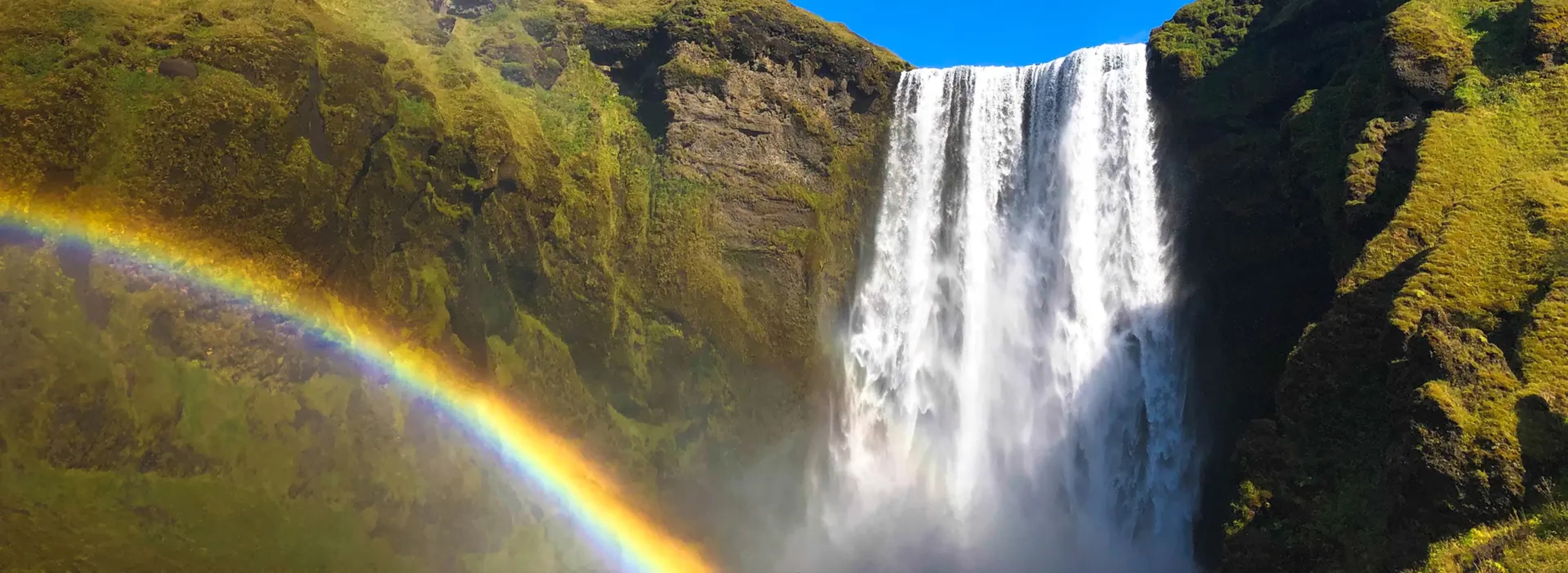
Best things to see in Iceland in September
The country's main natural attractions are all accessible in September. Waterfalls across the south coast and highlands are running well after summer melt. Glacier lagoons are active with calving ice from Vatnajökull. The Snæfellsnes peninsula and north Iceland are both fully open. Autumn colour begins to appear on the hillsides and moorland from mid-September, giving the landscape a different character from the summer months.
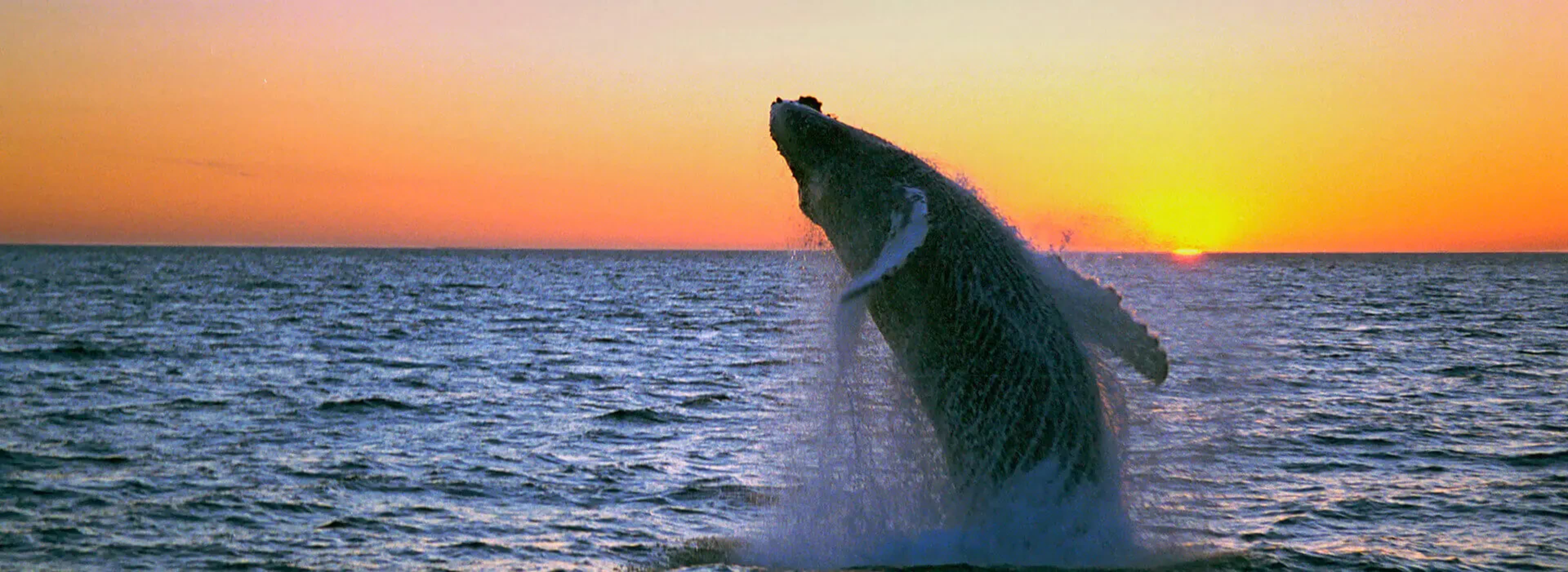
Whale watching continues to be productive in September, particularly from Húsavík and Reykjavík harbour, as humpbacks and minkes remain in Icelandic waters before their winter migration.
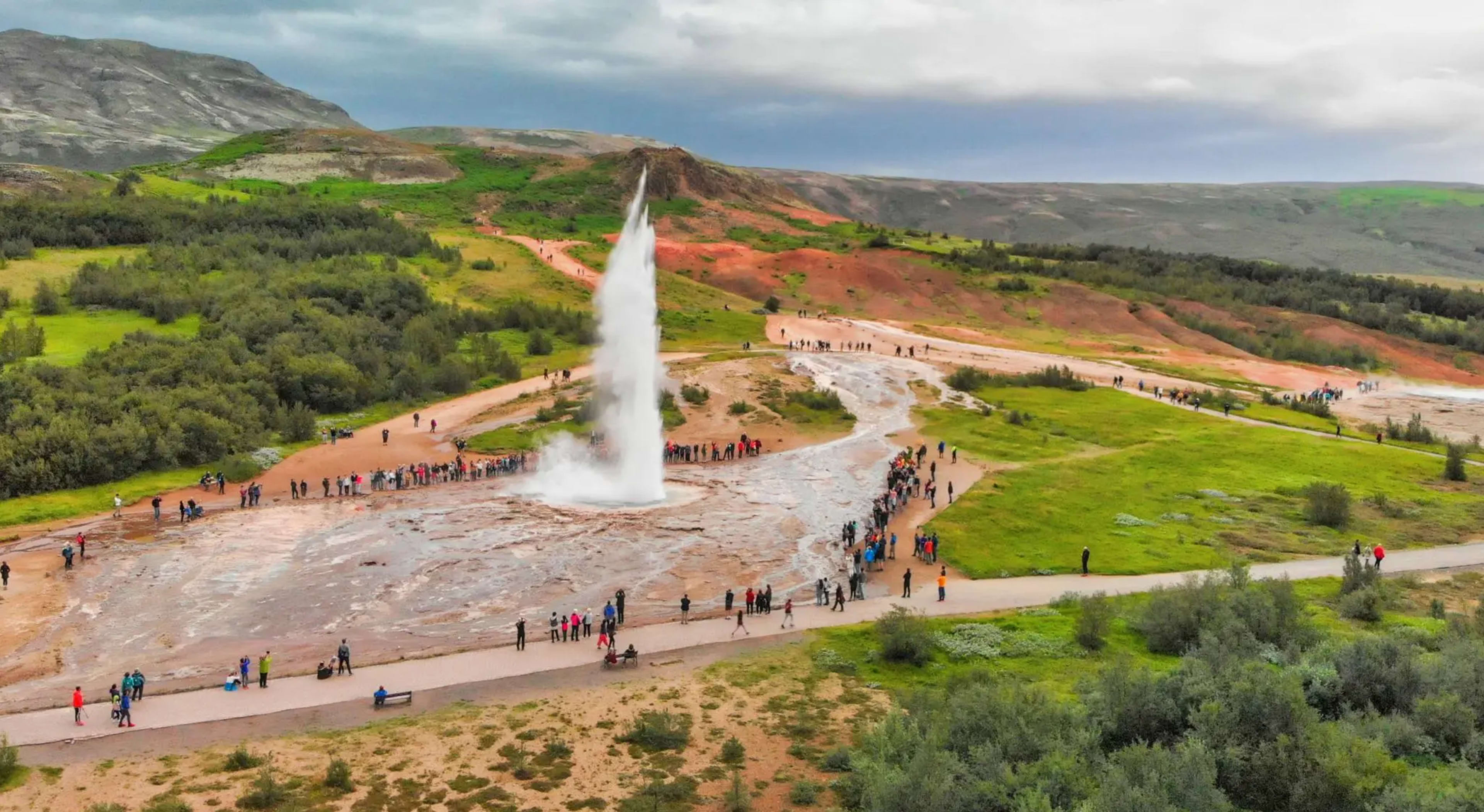
Best things to do in Iceland in September
September gives you access to most of the country's activity options. Glacier walks and ice cave tours begin to open toward the end of the month as temperatures drop and the ice stabilises. Hiking conditions in national parks and along the south coast are good, with cooler temperatures making long walks more comfortable than in peak summer. Snorkelling at Silfra in Þingvellir is available year-round and September conditions are typically clear.
Early in the month, highland F-roads may still be open, giving access to areas like Landmannalaugar and Þórsmörk. Closures depend on conditions each year and should be confirmed before travel at road.is. By late September most F-roads are closed for winter. A 4x4 is required for all F-road driving.
Geothermal pools and spas are open year-round and are a natural choice as evenings cool. The Blue Lagoon, Sky Lagoon, and Secret Lagoon all operate in September.
- Look up all the Iceland activities you could add to your itinerary.
Events in Iceland in September
The Réttir
The Réttir is one of Iceland's oldest agricultural traditions. Each September, farmers and volunteers gather to round up sheep and horses that have grazed freely across the highlands throughout summer, herding them back down to lowland farms and sorting pens. The timing varies by region and farm, but most Réttir activity takes place across the month.
In Skagafjörður in north Iceland, the roundup includes horses as well as sheep. The region has a strong horse-breeding heritage and the autumn gathering there is one of the larger events of this kind in the country. Visitors can observe and sometimes join in, depending on the farm.
Reykjavík International Film Festival
RIFF runs from the end of September into mid-October, drawing filmmakers and audiences from across the world. If your trip falls in late September, it is worth checking the programme. Screenings take place at venues across Reykjavík.
Reykjavík Jazz Festival
The Jazz Festival runs from late August into early September. Catching a performance is possible if you are visiting in the first week of the month.
Best places to visit in Iceland in September
Like we’ve previously mentioned, during your September trip you could see top sights like waterfalls and volcanoes. You could also tour the Ring Road, go off the beaten path, and hike in the countryside.
Below, we’ve included our favorite spots, towns, and regions you should include in your itinerary, and why.
1. Reykjavík
Location: Southwest Iceland, 45 minutes from Keflavík Airport.
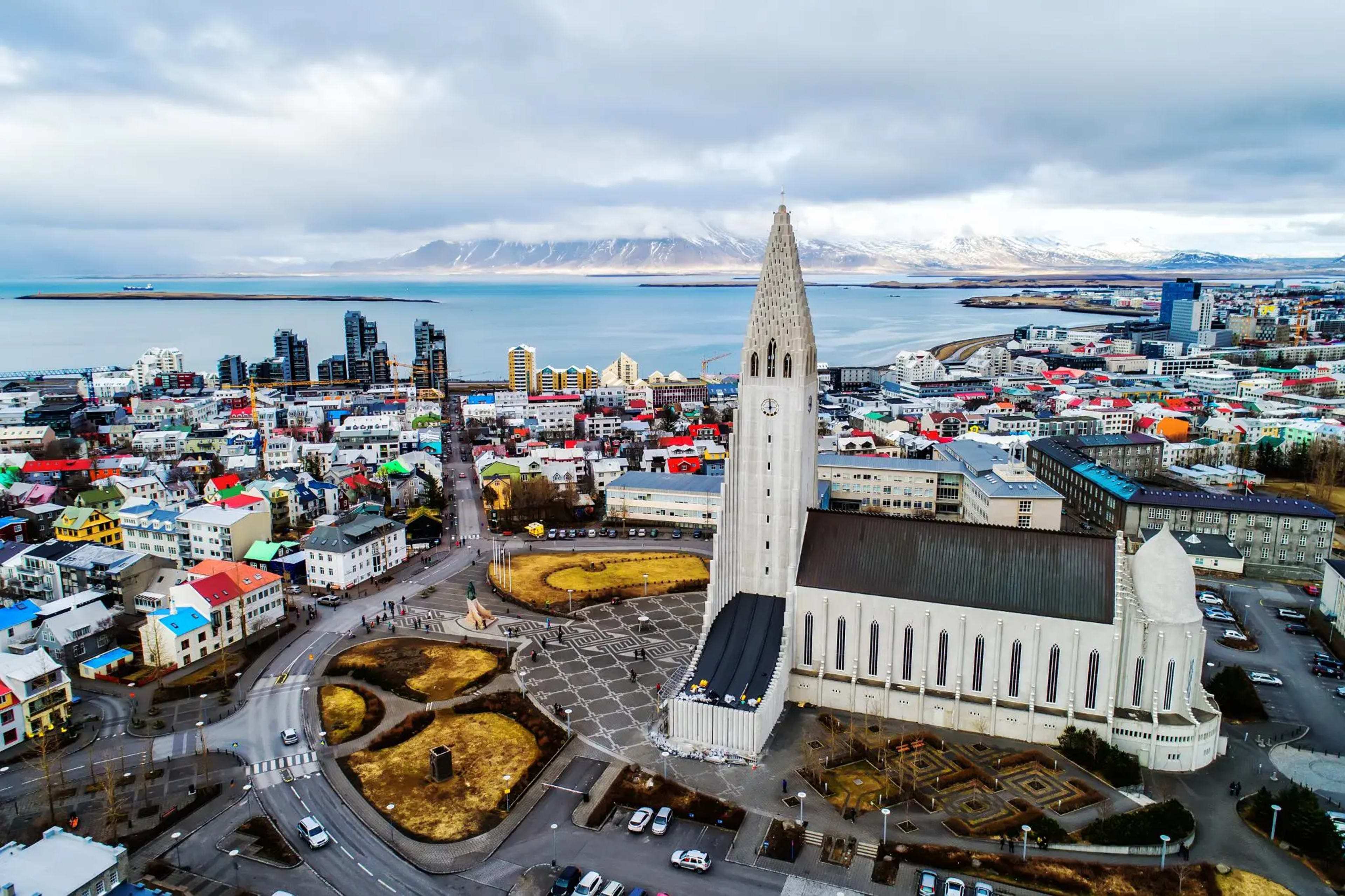
Why visit? September is a comfortable month to spend time in the capital. The summer crowds have eased, restaurants are less busy, and the city's museums, galleries, and cultural venues are all operating normally. Day trips to the Golden Circle, south coast, and Reykjanes peninsula are easily organised from Reykjavík.
Don't miss: Hallgrímskirkja, the Perlan museum, and a walk along Laugavegur. The Sky Lagoon on the western edge of the city is a good option for an evening visit as temperatures drop.
- Check out summer multi-day breaks from Reykjavík.
2. Westman Islands
Location: Off the south coast, reached by ferry from Landeyjahöfn, approximately 35 minutes.
Why visit? Heimaey is the only inhabited island in the archipelago and offers a concentrated look at Iceland's volcanic history. The 1973 Eldfell eruption buried part of the town, and the Eldheimar museum documents the event in detail. Puffin colonies are active in September before departing for winter, making this one of the last good months to see them.
Don’t miss: The Eldheimar museum, the Eldfell crater hike, and the coastal cliffs around the island.

3. The Golden Circle
Location: Southwest Iceland, accessible as a day trip from Reykjavík.
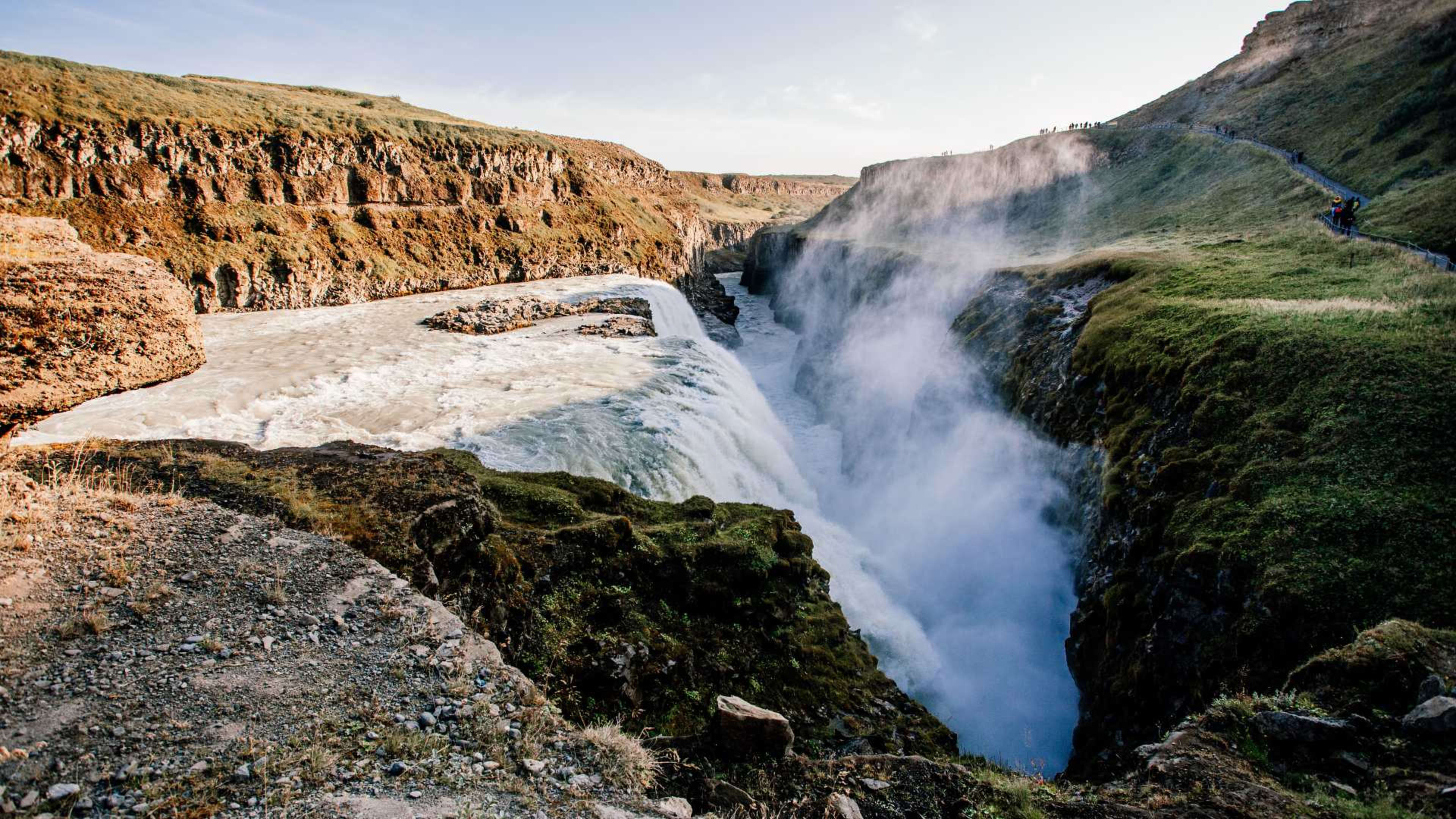
Why visit? The three main stops on the Golden Circle, Þingvellir National Park, the Geysir geothermal area, and Gullfoss waterfall, are all within comfortable reach of the capital in a single day. September visitor numbers are lower than peak summer, making each site more relaxed to visit.
Don’t miss: Strokkur erupting at Geysir, the tectonic rift walk at Þingvellir, and the upper viewpoint at Gullfoss. The Secret Lagoon near Flúðir is a natural addition to a Golden Circle day.
- Browse Golden Circle tours.
- Blog: Your guide to visiting the Golden Circle.
4. Snæfellsnes peninsula
Location: West Iceland, around two hours from Reykjavík.
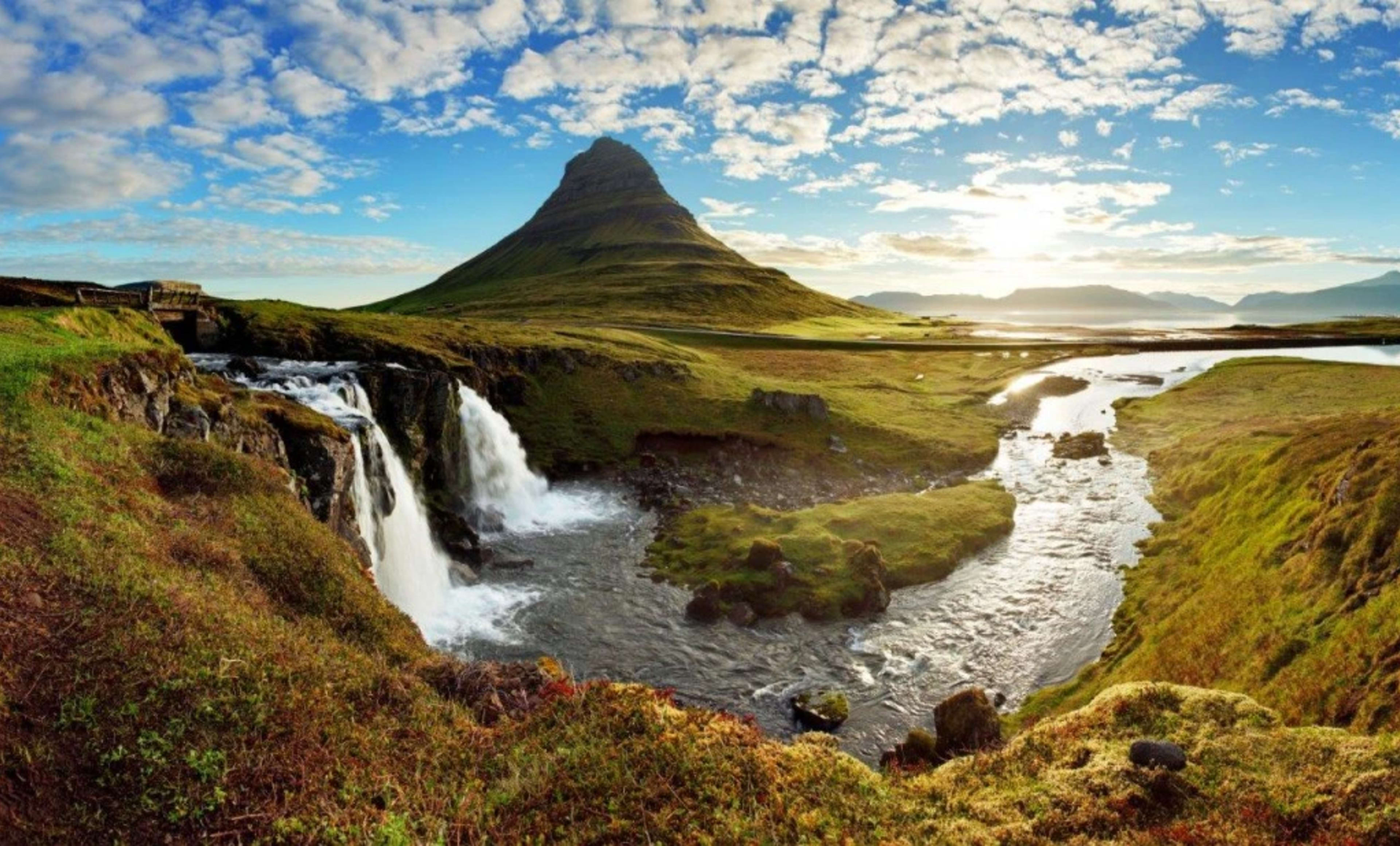
Why visit? The Snæfellsnes peninsula is a compact region covering glacier, lava fields, coastal cliffs, fishing villages, and the Snæfellsjökull volcano. September conditions are good for driving the peninsula at your own pace without the summer volume of visitors.
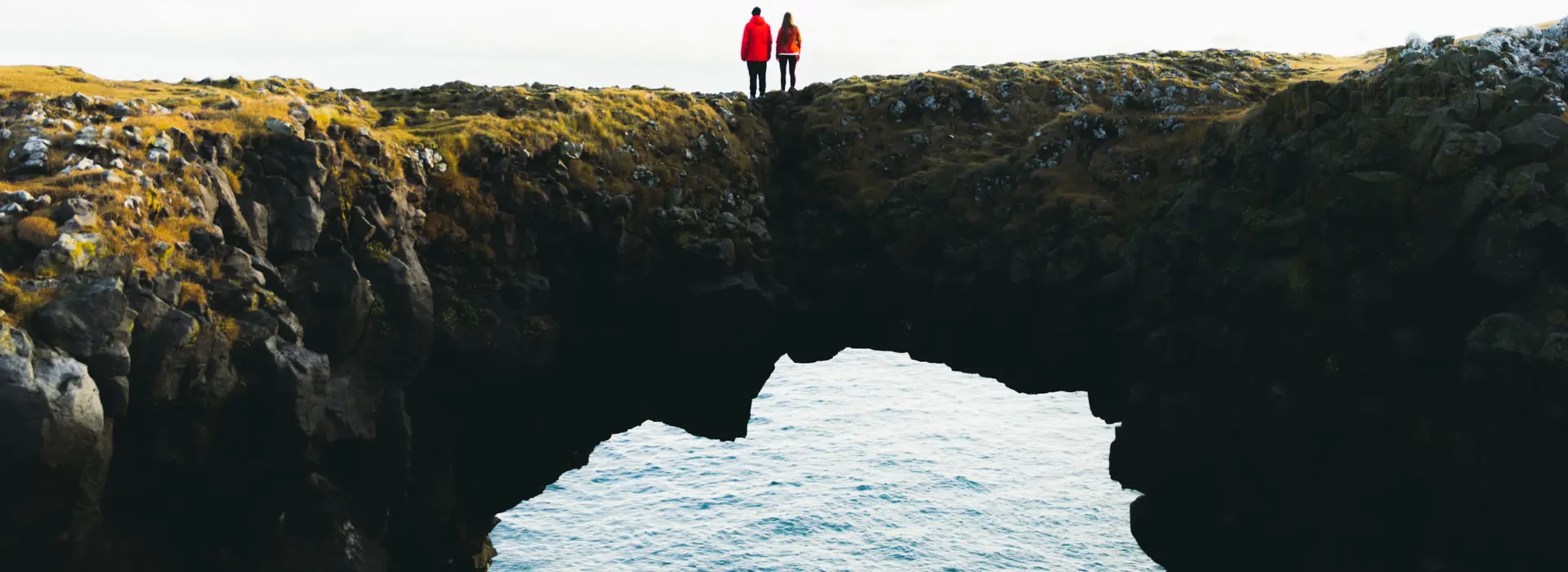
Don’t miss: Snæfellsjökull National Park, Kirkjufell mountain and Kirkjufellsfoss waterfall, and the basalt cliffs at Arnarstapi.
5. Reykjanes peninsula
Location: Southwest Iceland, surrounding Keflavík Airport.
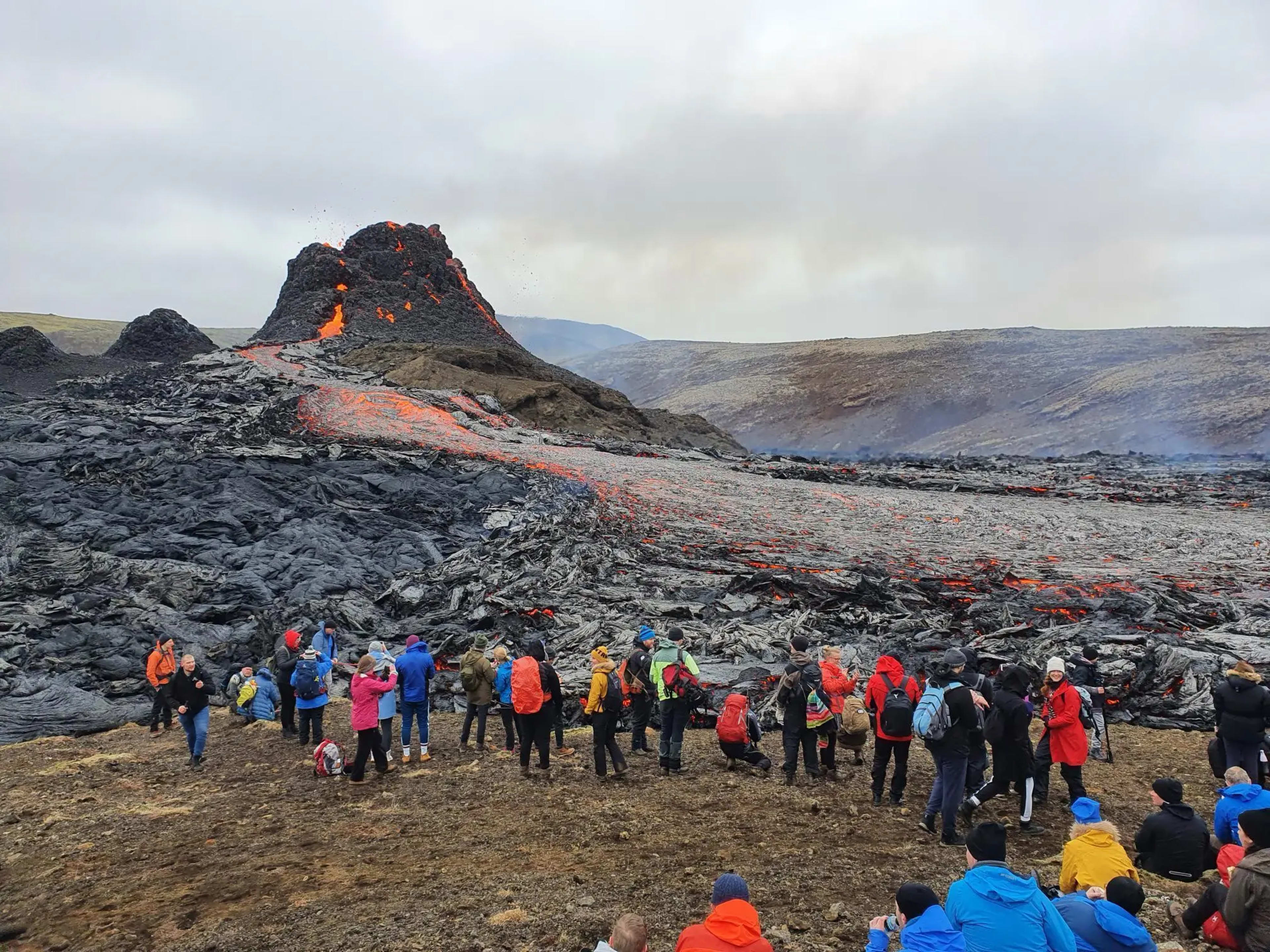
Why visit? The Reykjanes peninsula is often passed through quickly on arrival or departure, but it merits a longer stop. The area is geothermally active, with steaming vents and lava fields visible from the road. The Blue Lagoon is located here, as is the Bridge Between Continents where the North American and Eurasian tectonic plates meet at the surface.
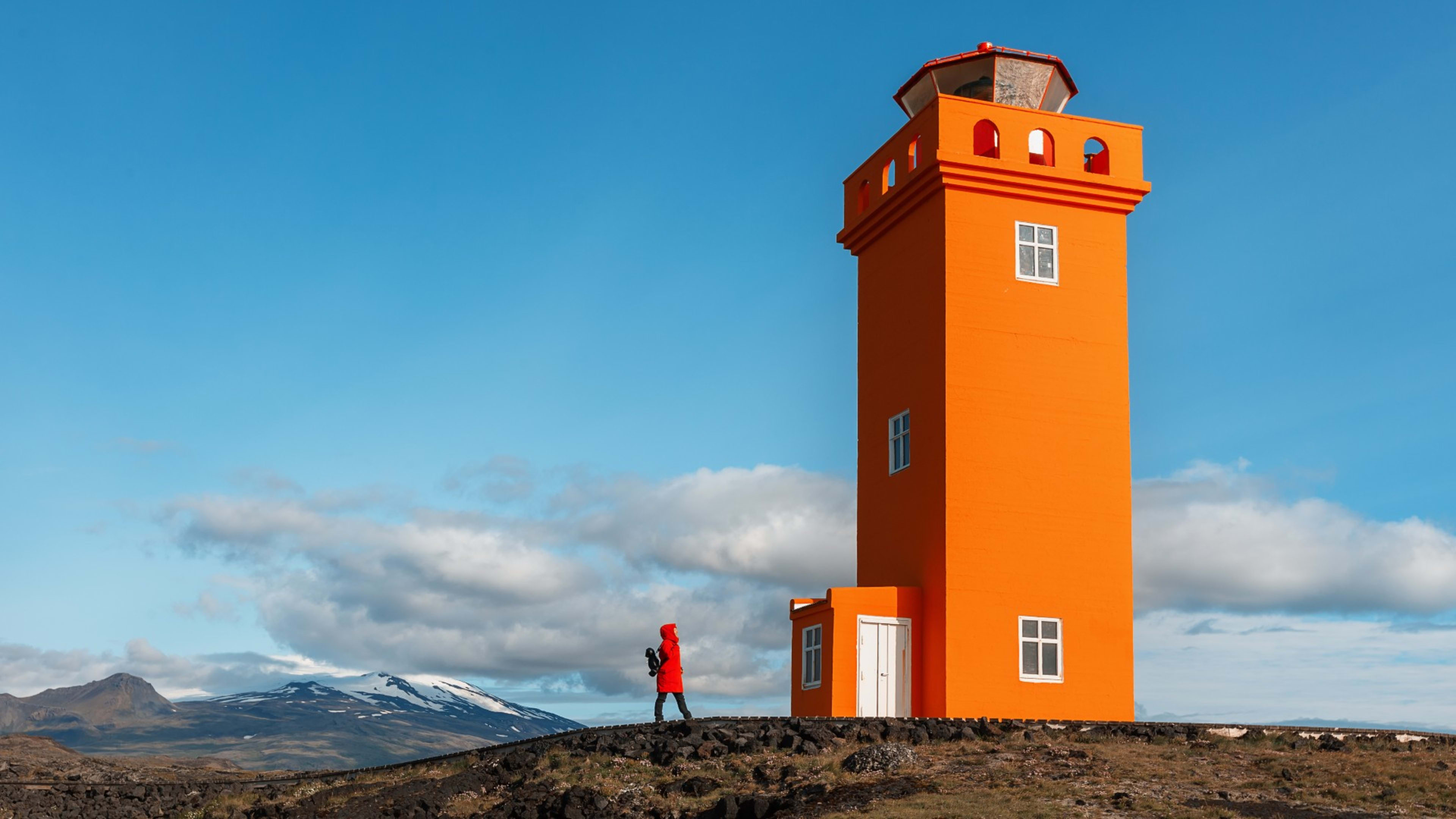
Don’t miss: The Blue Lagoon, Reykjanesviti lighthouse, and the volcanic landscapes around Krýsuvík.
6. Seljalandsfoss and Skógafoss
Location: South coast, roughly 150 kilometres east of Reykjavík.
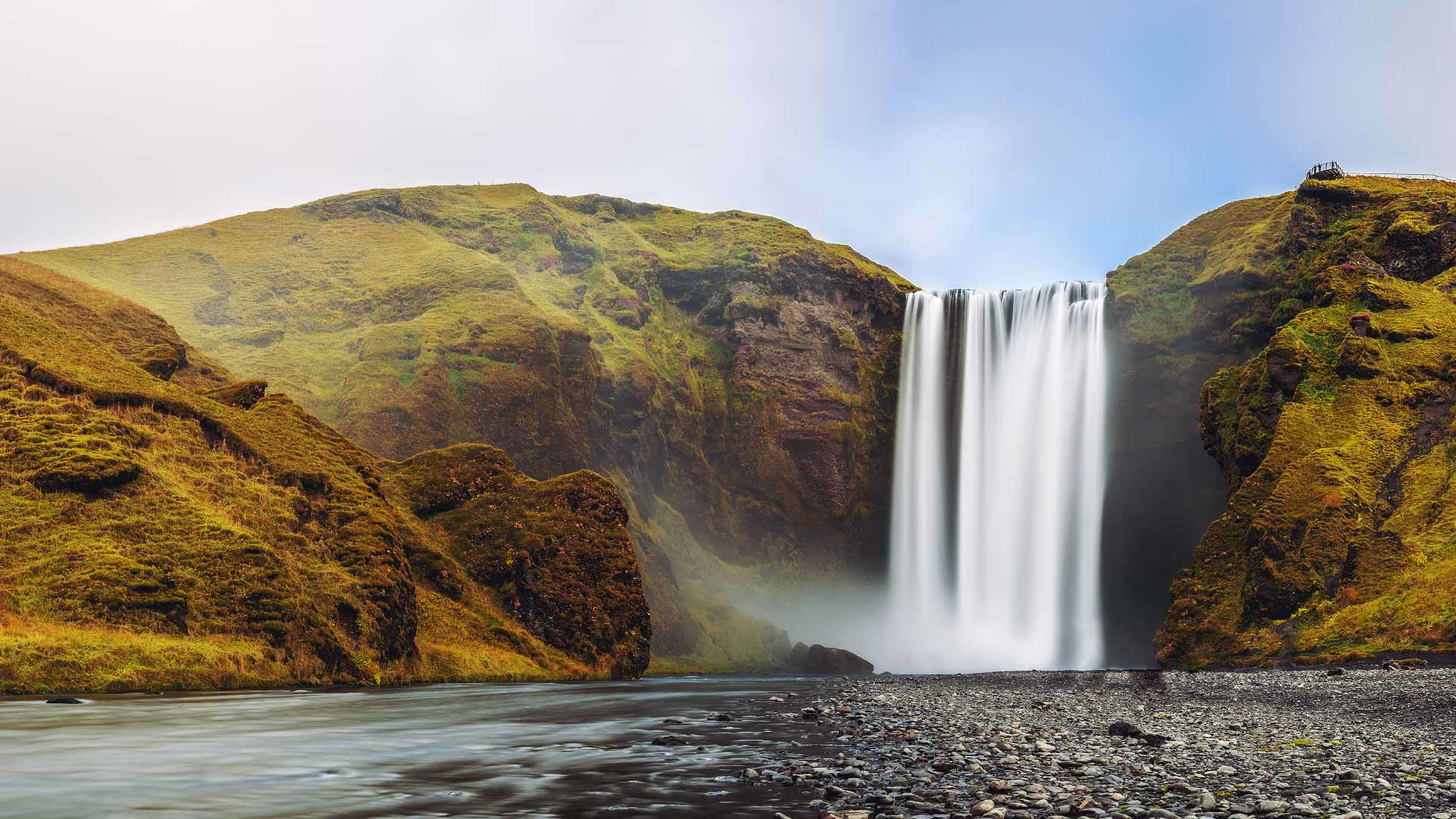
Why visit? Both waterfalls are accessible year-round and September conditions are generally good for visiting. Seljalandsfoss has a path leading behind the falls, so waterproof layers are essential. Skógafoss, 60 metres high and 25 metres across, produces a consistent mist that creates rainbows on clear days.
Don’t miss: The Fimmvörðuháls trail from the top of Skógafoss for views over the glacier and south coast. Kvernufoss, a smaller waterfall a short walk from Skógafoss, sees far fewer visitors.
7. Jökulsárlón glacier lagoon and Diamond Beach
Location: Southeast Iceland, approximately 380 kilometres from Reykjavík.
Why visit? Jökulsárlón is where icebergs calve from the Breiðamerkurjökull outlet glacier and drift toward the sea. Boat tours operate from May to October, with September among the quieter months. Diamond Beach, directly across Route 1, is where ice washes ashore on black volcanic sand.
Don’t miss: A boat tour on the lagoon. Seals are regularly seen in and around the water year-round.

8. Westfjords
Location: Northwest Iceland.
Why visit? The Westfjords is one of the least-visited regions of Iceland and September is a practical time to go. The roads are open and the summer's most intense visitor period has passed. The landscape is characterised by deep fjords, flat-topped mountains, and remote coastal cliffs.
Don’t miss: Dynjandi waterfall, Látrabjarg cliffs at the westernmost tip of Iceland, and Ísafjörður, the region's main town.
9. Húsavík
Location: North Iceland, on Skjálfandi Bay, around one hour from Akureyri.
Why visit? Húsavík is the most established whale-watching base in Iceland. Humpback whales are regularly seen in Skjálfandi Bay through September. Several operators run tours from the harbour, ranging from traditional oak schooners to RIB boats.
Don’t miss: A whale-watching tour from the harbour. The Húsavík Whale Museum provides good background on the species found in Icelandic waters. Dettifoss, the second most powerful waterfall in Europe, is around 90 minutes' drive from Húsavík.

10. Lake Mývatn area
Location: Northeast Iceland, along the Ring Road.
Why visit? The Mývatn area concentrates a large amount of volcanic and geothermal activity in a small area. The lake sits within a lava field and the surrounding terrain includes pseudo-craters, mud pools, and steaming vents. The Earth Lagoon (Mývatn Nature Baths) is open year-round and is a practical stop after a day of sightseeing.
Don’t miss: The Dimmuborgir lava formations, the pseudo-craters of Skútustaðir, the geothermal area at Námaskarð, and the Earth Lagoon.
- Look up summer camping tours of Iceland.
What about the central highlands?
Highland F-roads are generally open from late June and begin closing in September depending on snowfall and conditions. Access to areas like Landmannalaugar and Þórsmörk is possible in early September but cannot be guaranteed. Check road conditions at road.is before travelling. A 4x4 is required for all F-road driving.
Weather and daylight hours in Iceland in September
September brings transitional weather. Temperatures in Reykjavík average between 6°C and 10°C, with cooler conditions in the north and at altitude. Rain and wind are common throughout the month and conditions can change quickly. Dressing in layers with a waterproof outer shell is the most practical approach.
Weather in September
September is the transitional month between summer and winter and so you can expect changeable, autumnal weather. That means some wind, rain, and mild average temperatures ranging between 6°C (43°F) and 10°C (50°F).
Daylight hours in September
In September, days are slowly becoming shorter, but there is still plenty of daytime light available for sightseeing. On average, there are between 11 and 14 hours of daylight. Early in the month, the sun rises around 6 a.m. and sets by 8:45 p.m. By late September, expect daylight between 7:30 a.m. and 7 p.m.
Can I see the Northern Lights in Iceland in September?
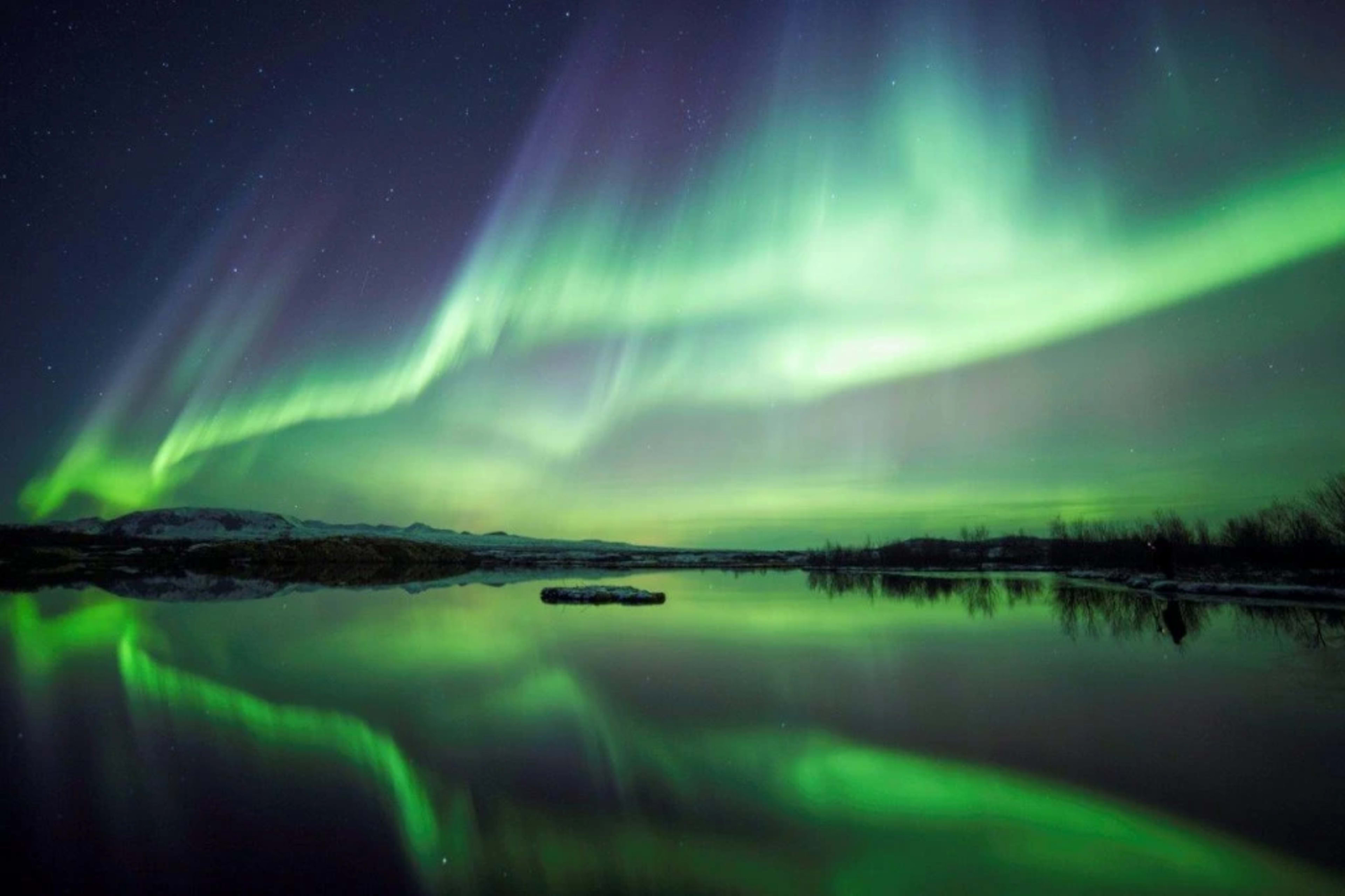
Possibly, but September is not a reliable aurora month. Northern Lights require darkness, and early September still has relatively short nights. By late September, nights are long enough to offer a reasonable chance on a clear night away from light pollution.
The autumn equinox in late September is geomagnetically active, which can produce stronger aurora displays when conditions align. However, cloud cover and weather unpredictability mean that September sightings are not guaranteed. If seeing the Northern Lights is a primary reason for your visit, October through March gives significantly better odds. That said, if you are already visiting in September for other reasons, it is worth checking the aurora forecast and heading out on clear evenings. The further from Reykjavík you are, the better your chances.
Packing guide for September
Iceland's weather is variable in September. Bring enough layers to adapt across a range of conditions, including cooler evenings and the possibility of wind and rain at any point during the month.
Packing essentials for September:
- Lightweight base layers and short-sleeved shirts
- Fleece or lightweight wool sweaters
- Waterproof and windproof outer jacket
- Insulated jacket for evenings
- Waterproof trousers
- Gloves, scarf, and warm hat
- Sunglasses and a cap
- Sturdy walking or hiking boots with good socks
- Thermal underwear
- Swimwear, flip flops, and a towel for geothermal pools
- Binoculars if you plan to go whale watching
- Blog: Complete guide to Iceland.
Planning your trip to Iceland in September
September works well for most types of Iceland itinerary. Self-drive tours give you flexibility to adjust pace based on weather and road conditions. Guided group tours cover the main highlights with accommodation and transport arranged. Multi-day tours from Reykjavík are a practical option if you prefer not to drive.
All Iceland Tours packages include accommodation, transport, and daily breakfast. Most can be started on any date, and a 5% deposit secures your booking.
Browse Iceland summer vacation packages or contact our Reykjavík-based team to discuss your September itinerary.
FAQs about Iceland in September
Yes. September is a strong month to visit. Visitor numbers are lower than peak summer, most attractions are fully open, and the weather is mild enough for hiking and outdoor activities. It is also the start of the Northern Lights season, though sightings are not guaranteed this early in autumn.
Temperatures in Reykjavík average between 6°C and 10°C. Rain and wind are common and conditions can change quickly. Layering is the most practical approach, with a waterproof outer jacket essential at any point during the month. Conditions in the north and at altitude are cooler than in the south.
Possibly. By late September nights are long enough to offer a reasonable chance on a clear night, particularly away from city light pollution. The autumn equinox can produce stronger geomagnetic activity, but cloud cover and weather make sightings unpredictable. October through March is a more reliable window if the Northern Lights are your primary reason for visiting.
The Réttir is an annual sheep and horse roundup that takes place each September. Farmers and volunteers herd livestock that have grazed freely in the highlands throughout summer back down to lowland farms and sorting pens. The timing varies by region. In Skagafjörður, the roundup also includes horses. Visitors can sometimes observe or take part, depending on the farm.
Highland F-roads are open from late June but begin closing in September depending on snowfall and conditions. Access to Landmannalaugar and Þórsmörk may be possible in early September but cannot be guaranteed. Check current road conditions at road.is before travelling. A 4x4 is required for all F-road driving.
Between 11 and 14 hours, depending on where you are in the month. Early September has around 14 hours of daylight, with sunrise around 6 a.m. and sunset around 8:45 p.m. By late September that drops to around 12 hours, with daylight running from approximately 7:30 a.m. to 7 p.m.