Jökulsárlón Glacier Lagoon

Visit Jökulsárlón to see one of Iceland's largest glacier lagoons, where icebergs calve from the Breiðamerkurjökull glacier and drift toward the Atlantic

South Iceland

About Jökulsárlón

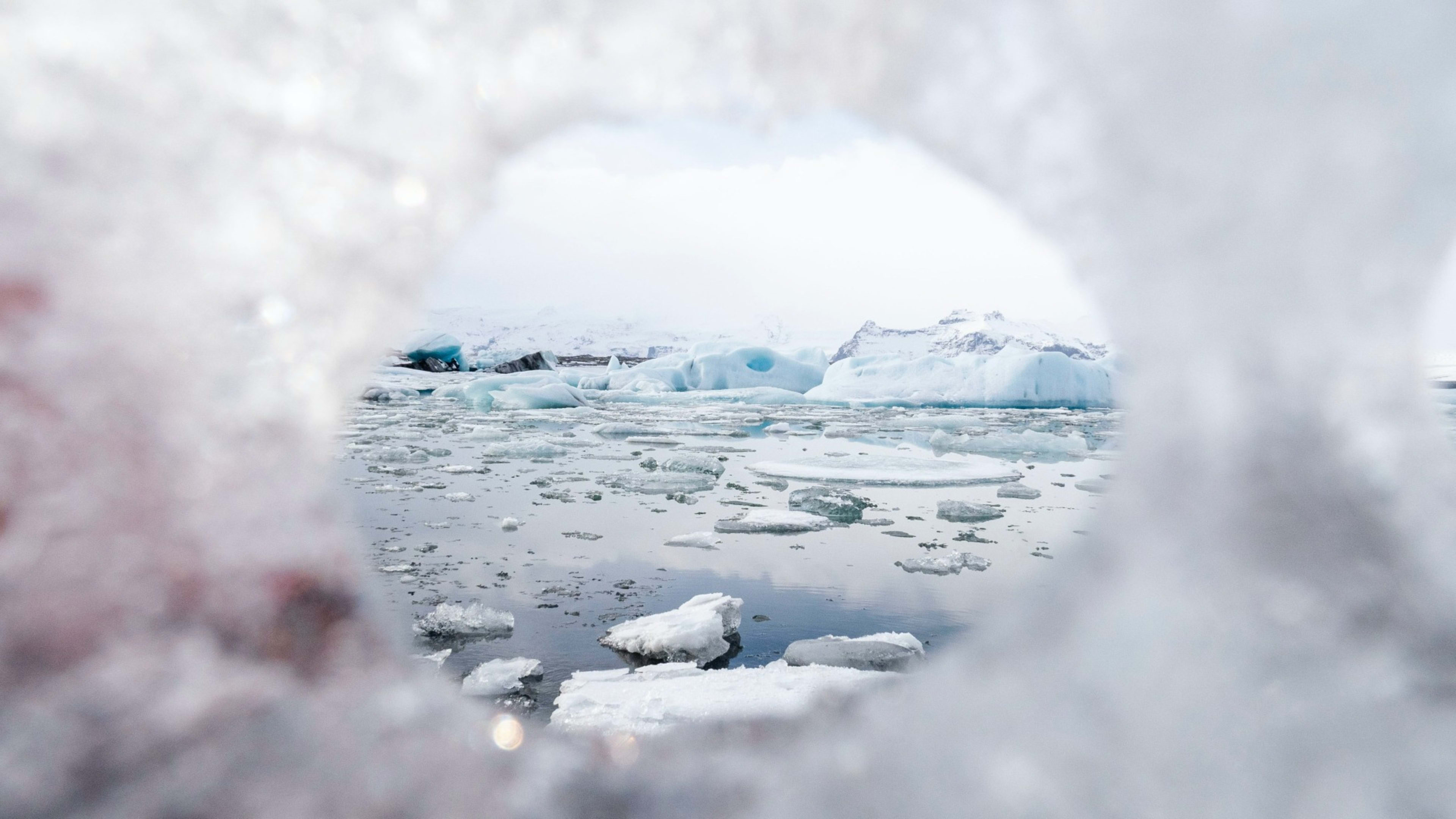
Jökulsárlón is a glacier lagoon on Iceland's south coast, roughly 380 km east of Reykjavík along the Ring Road. It sits at the edge of Vatnajökull National Park, where the Breiðamerkurjökull glacier -- an outlet glacier of the Vatnajökull ice cap -- meets the sea. As the glacier retreats, the meltwater collects in the lagoon, carrying with it the icebergs that calve from the glacier face and drift slowly toward the Atlantic.

The lagoon has expanded significantly over the past century. In the early 20th century this was a narrow strip of coast; today it is one of the largest glacier lagoons in Iceland, and it continues to grow. The icebergs that float here range from car-sized fragments to formations several storeys high. Some carry dark bands of volcanic ash, compressed within the ice over centuries. The water shifts between blue and grey depending on the light, the weather, and the volume of suspended glacial sediment.

What to see and do

The lagoon and its icebergs

The lagoon itself is free to visit and the car park is directly on Route 1. Most people spend time walking the shore, watching the icebergs drift, and looking for seals -- the lagoon is home to a small but regular population of harbour seals that can often be seen resting on the ice or swimming between the bergs. In summer, Arctic terns nest in the area and dive for fish over the water.

Between May and October, licensed local operators run boat tours on the lagoon. Amphibian boat tours carry larger groups in a stable, enclosed vessel and last around 30 to 40 minutes. Zodiac tours operate with smaller groups on open inflatable boats, getting closer to the ice faces and moving further into the lagoon. Both give a completely different perspective on the scale of the icebergs than you get from shore.

Diamond Beach

Directly across Route 1 from the lagoon, the icebergs that reach the lagoon's outlet channel are carried by the current out to sea, and many wash up on Breiðamerkursandur -- known as Diamond Beach -- where they sit on black volcanic sand before melting. The visual contrast of white and blue ice against the dark sand is one of the most photographed scenes in Iceland. It is a short walk from the road and is accessible year-round, though the specific pieces of ice on the beach change with every tide.

Fjallsárlón

About ten minutes west along Route 1, Fjallsárlón is a smaller glacier lagoon with fewer visitors and a different character. The mountains are closer, the scale more intimate. It is worth the short detour if you are spending time in this part of the south coast.

Jökulsárlón on an Iceland itinerary

The lagoon is about 4.5 to 5 hours from Reykjavík on a clear day, which makes it a long but doable day trip -- though you will not have much time there. Most self-drive itineraries that include Jökulsárlón build in at least one overnight stop in the area, either at Höfn í Hornafirði to the east or somewhere along the south coast the previous night.

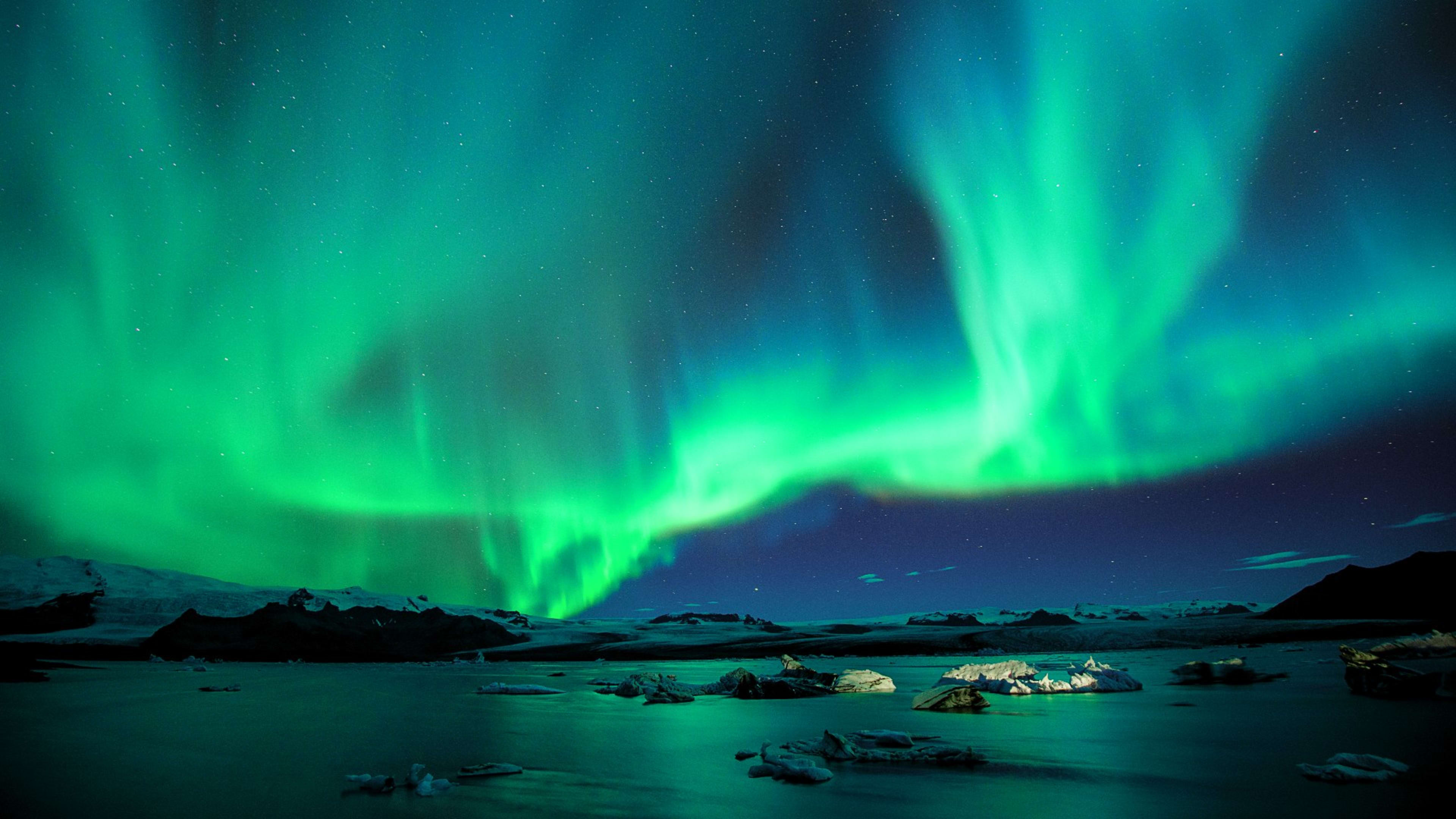
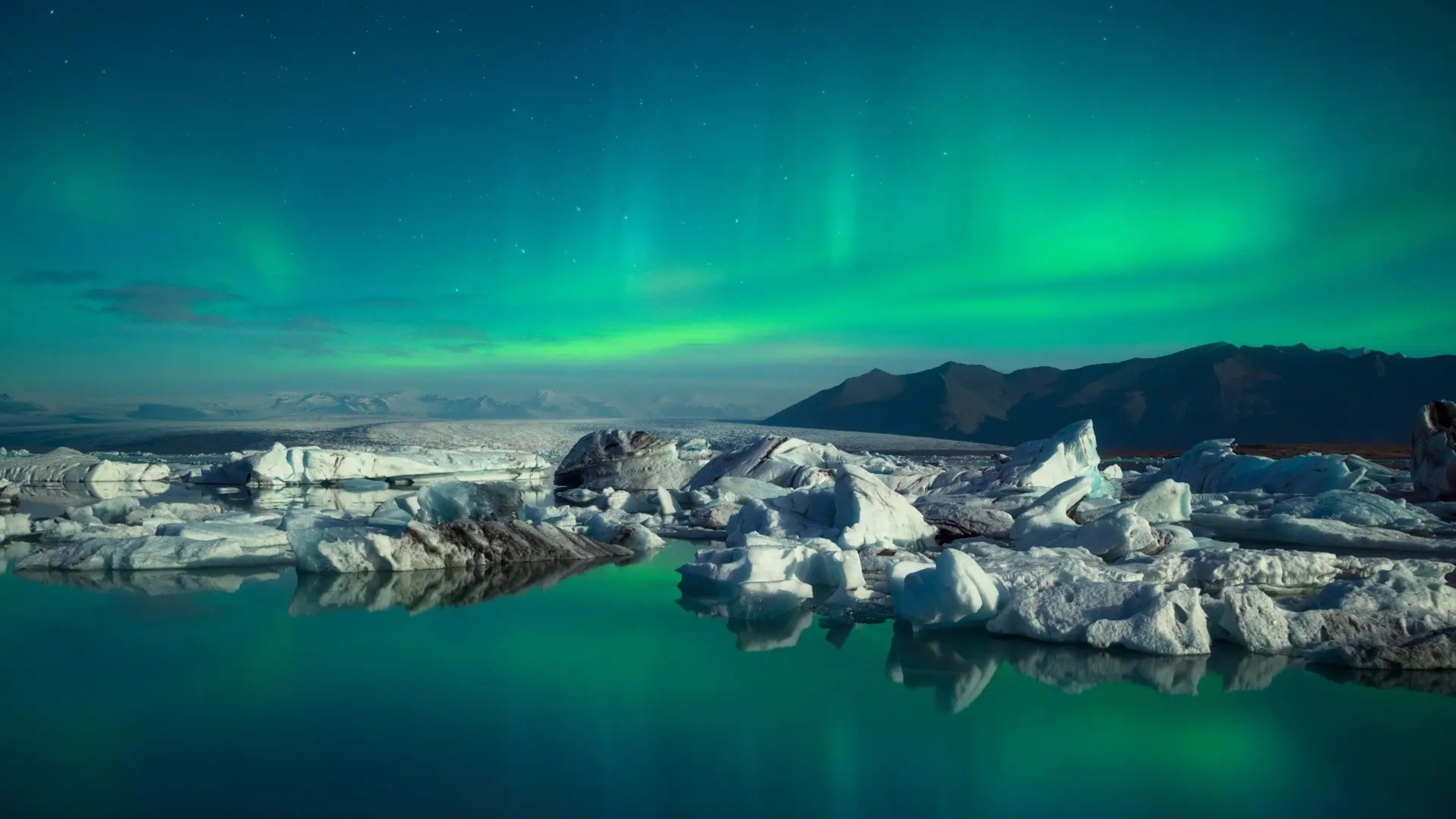
On our Ring Road self-drives, Jökulsárlón is a scheduled stop on the clockwise route as you head east along the south coast, typically on the second or third day. Our 5-day Jökulsárlón and Northern Lights self-drive focuses specifically on the south coast and builds in enough time at the lagoon to take a boat tour. Winter visitors will find that boat tours are not running, but the lagoon is still accessible and the possibility of seeing the Northern Lights reflected in the water is a reasonable draw in its own right.

Getting there

Jökulsárlón is on Route 1, well signposted, with a large free car park on the north side of the road and access to Diamond Beach on the south side. The road is paved and maintained year-round. Fuel up in Vík or Kirkjubæjarklaustur before heading further east -- services become sparse in this stretch.

Visiting Jökulsárlón on a tour

Most Iceland Tours self-drive and guided group packages that follow the Ring Road include a stop at Jökulsárlón. If you want to make the most of your time at the lagoon, look for itineraries that include an overnight stay nearby. Höfn í Hornafirði is the closest town with accommodation and allows you to visit the lagoon in the evening light or early morning when visitor numbers are lower.
Other attractions near Jökulsárlón glacier lagoon

The edge of the Vatnajökull glacier

Vatnajökull Glacier & National Park

Witness glaciers and wild landscapes up close with a visit to Iceland’s largest national park.

0 km (0 mi)

View
Skaftafellsjökull glacier in Vatnajökull National Park

Skaftafell

Skaftafell occupies the south-western edge of Vatnajökull National Park, roughly 327 kilometres east of Reykjavík along the Ring Road. The area combines a well-developed trail network with year-round glacier access and a distinctive microclimate that supports birch woodland unusual for this part of Iceland. It is one of the most visited natural areas in the country, and one of the most varied.

60 km (37 mi)

View
The zodiac boat tour on Fjallsárlón glacier lagoon

Fjallsárlón Glacier Lagoon

Fjallsárlón is a glacial lagoon on Iceland's South Coast, formed where Fjallsjökull, an outlet glacier of Vatnajökull, meets a body of water at its terminus. It sits within Vatnajökull National Park, about 370 kilometres from Reykjavík, and is most often visited alongside its larger neighbour Jökulsárlón, 10 kilometres to the east. The lagoon is smaller and less visited than Jökulsárlón, which means quieter conditions and closer proximity to the glacier face.

10 km (6 mi)

View
The harbor at Höfn í Hornafirði

Höfn í Hornafirði

Höfn í Hornafirði is a small fishing town on Iceland's southeast coast, sitting at the edge of Vatnajökull National Park with Jökulsárlón glacier lagoon 45 minutes to the west and the Eastfjords beginning to the east. With a population of around 2,500, it is one of the larger service stops on the Ring Road between the South Coast and Akureyri, and one of the few towns in Iceland where the glacier is visible directly from the streets.

80 km (50 mi)

View

FAQs about Jökulsárlón Glacier Lagoon

The blue colour comes from the way glacial ice forms over time. As snow compresses into ice over centuries, air bubbles are forced out and the ice crystalises into a dense structure that absorbs red wavelengths of light and reflects blue. The effect is most visible on freshly calved icebergs where the ice is oldest and most compressed. The surrounding water also shifts between blue and grey depending on the light and the volume of glacial sediment in suspension.

Icelandic pronunciation can take some practice. A rough English approximation is yoe-kool-sar-lon. Breaking it down: Jö sounds closest to the name Joe with a slight Y at the start; kul uses a hard K with a short oo sound; sár is close to the English word "sar"; and lón rhymes with "loan" with a slightly longer L.

Jökulsárlón is one of the most visited natural sites in Iceland, known for the density and scale of its floating icebergs, its proximity to Vatnajökull National Park, and the contrast of the nearby Diamond Beach where icebergs wash up on black volcanic sand. The lagoon has also been used as a film location, including the James Bond film Die Another Day and Lara Croft: Tomb Raider.

Diamond Beach is directly across Route 1 from the lagoon and is worth visiting at the same stop. Icebergs that drift through the lagoon's outlet channel wash up on the black sand beach before melting, creating a striking contrast of ice and dark volcanic sand. Skaftafell, part of Vatnajökull National Park, is around 60 km west and offers glacier walks and hiking trails. Höfn í Hornafirði, the nearest town of any size, is around 80 km east along the Ring Road.

Swimming in the lagoon is not permitted. The water is extremely cold and the icebergs can shift and calve without warning, making the lagoon dangerous to enter. Boat tours are the safest way to get out onto the water -- licensed operators run both amphibian boat tours and smaller zodiac tours between May and October.

A short stop of 30 to 45 minutes gives you time to walk the shoreline and take in the lagoon. If you plan to take a boat tour or cross Route 1 to Diamond Beach, set aside at least two to three hours. Many tours that visit Jökulsárlón build in enough time for both.

You’ll find Jökulsárlón glacier lagoon within Vatnajökull National Park, on Iceland’s south coast. It’s approximately 380 kilometers (236 miles) from Reykjavík. The driving time from the capital is about 5 hours, depending on the road conditions.

Jökulsárlón is approximately 380 kilometres (236 miles) from Reykjavík along Route 1, following the Ring Road east along the south coast. The drive takes around five hours depending on conditions and stops along the way.

#icelandmyway

See what travelers like you have been up to lately on Instagram.