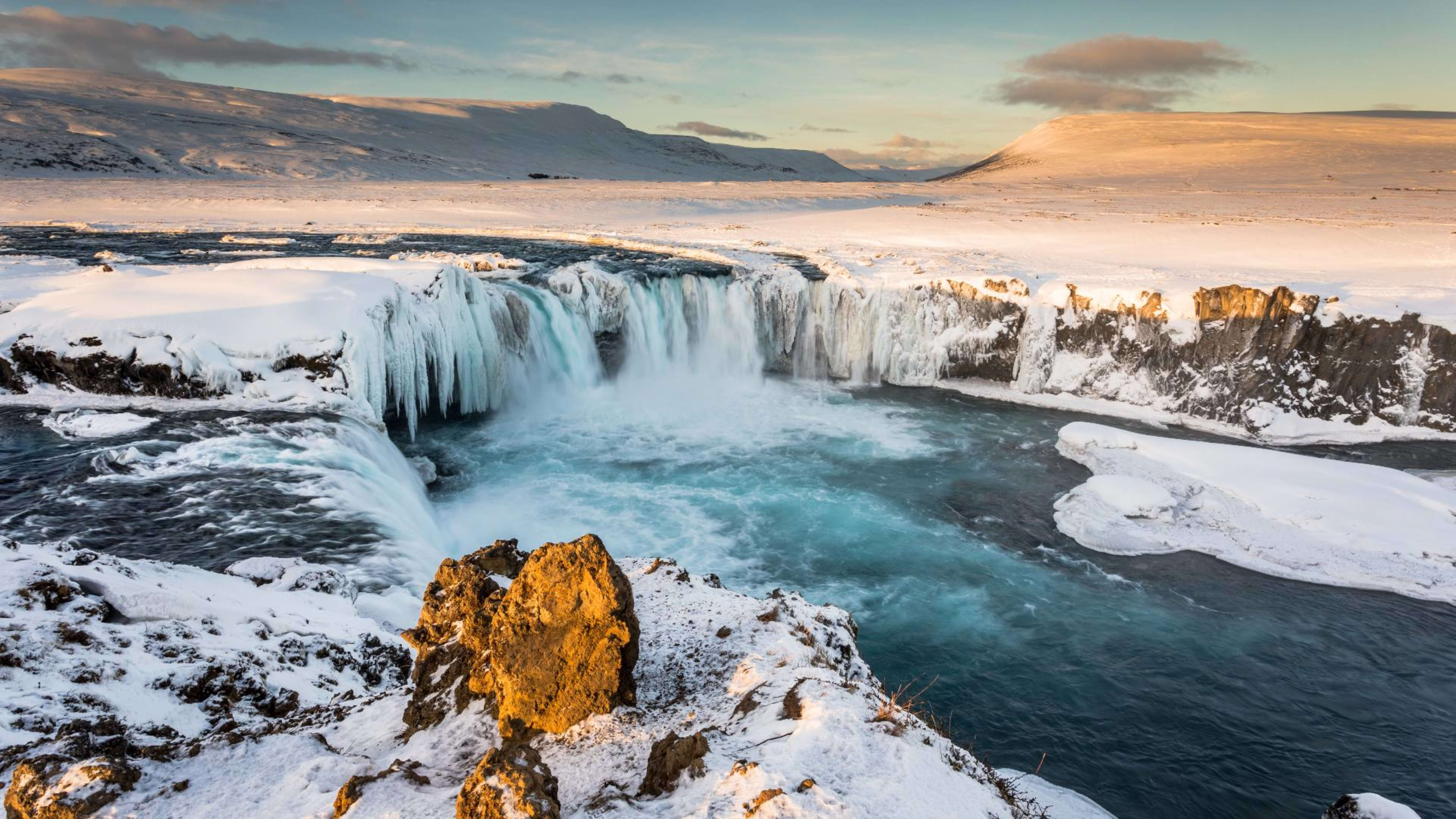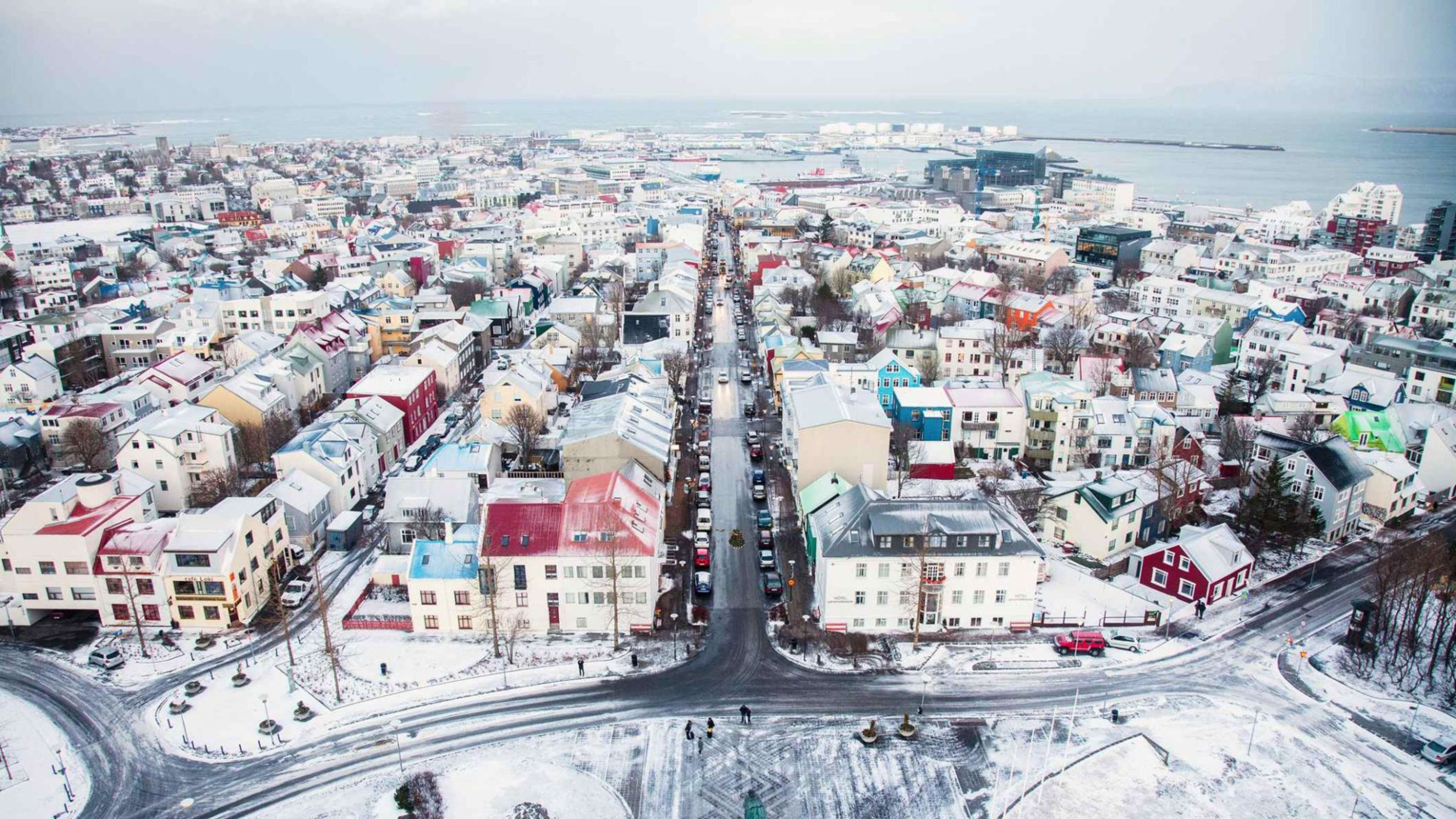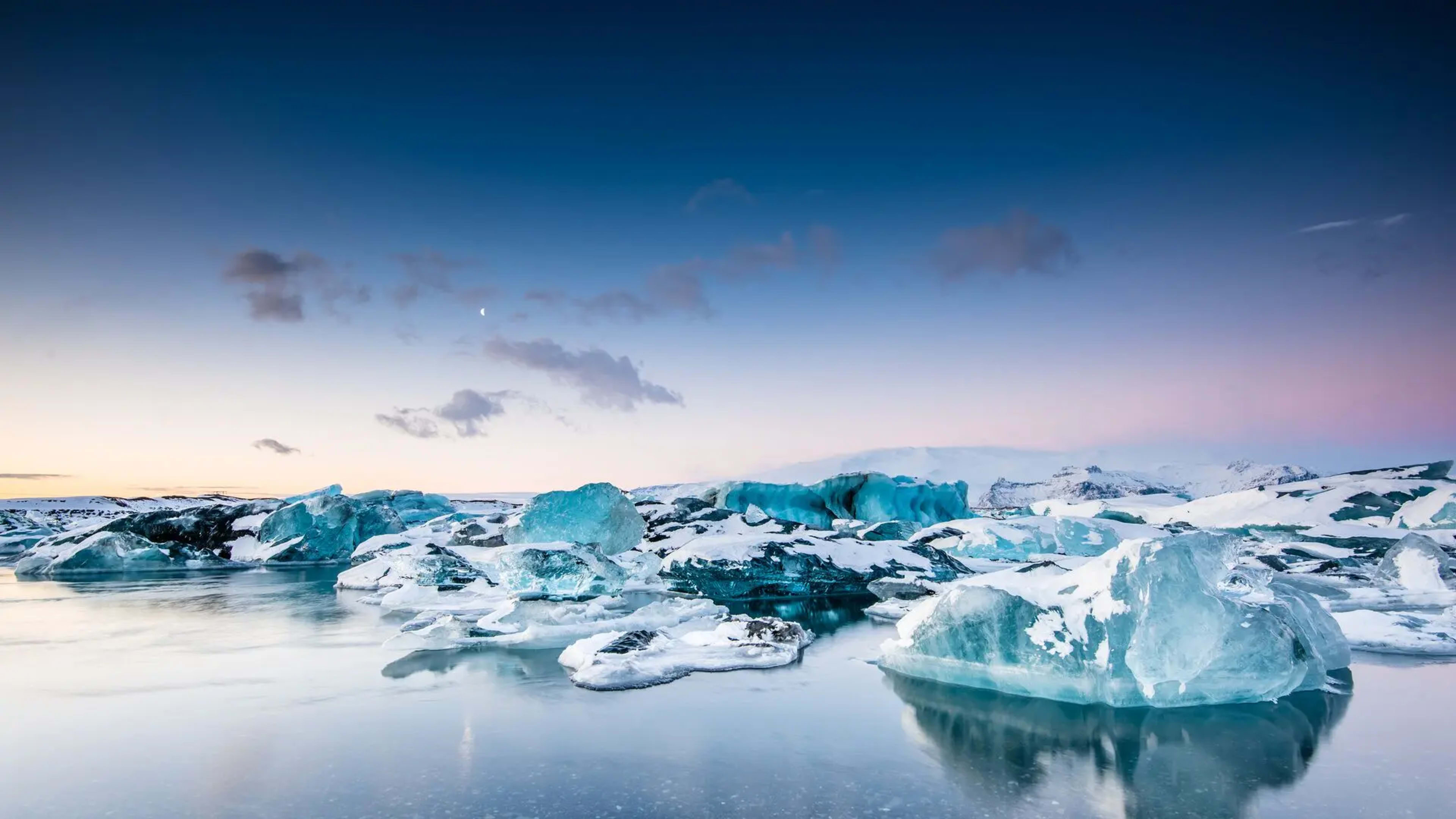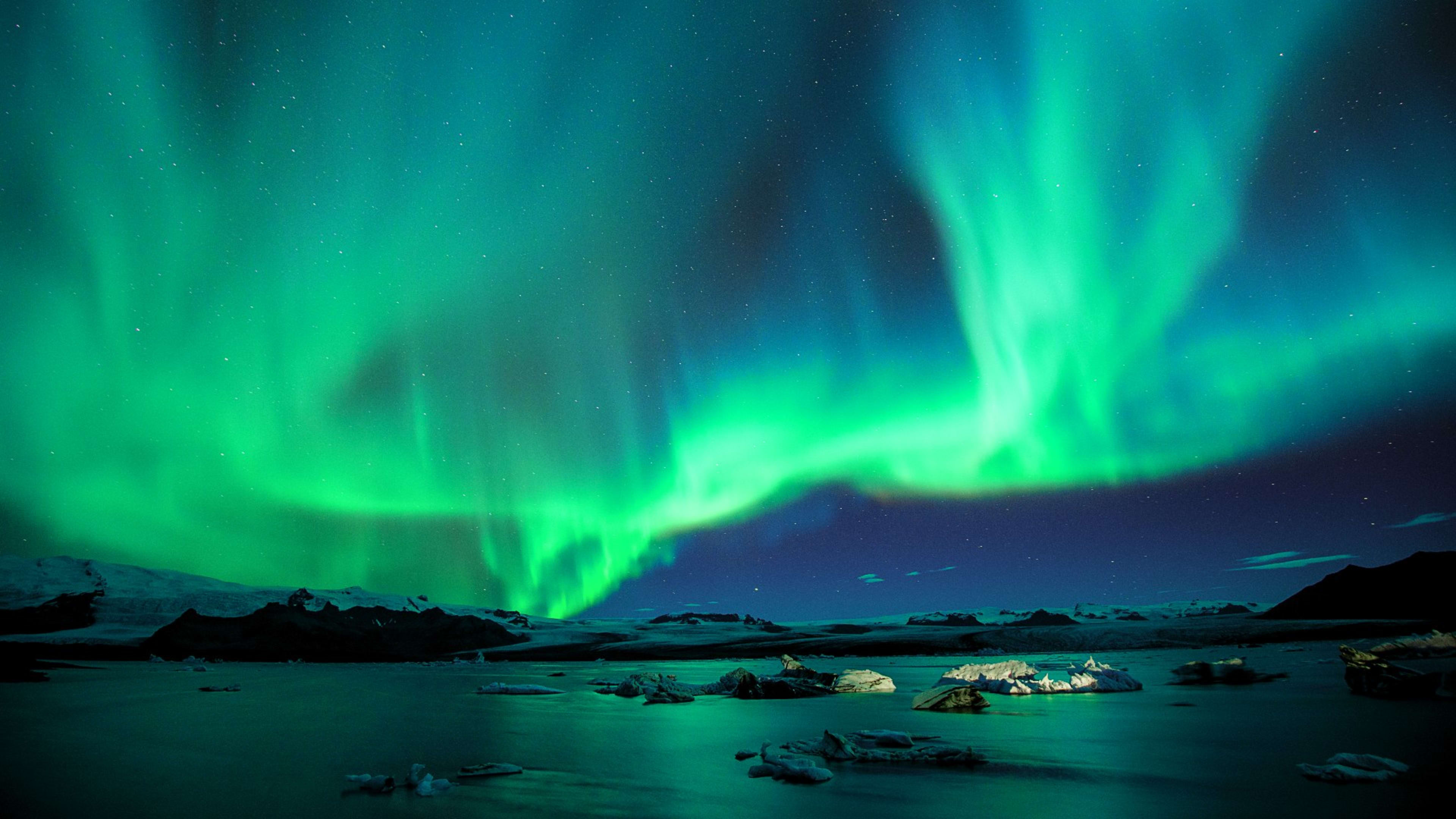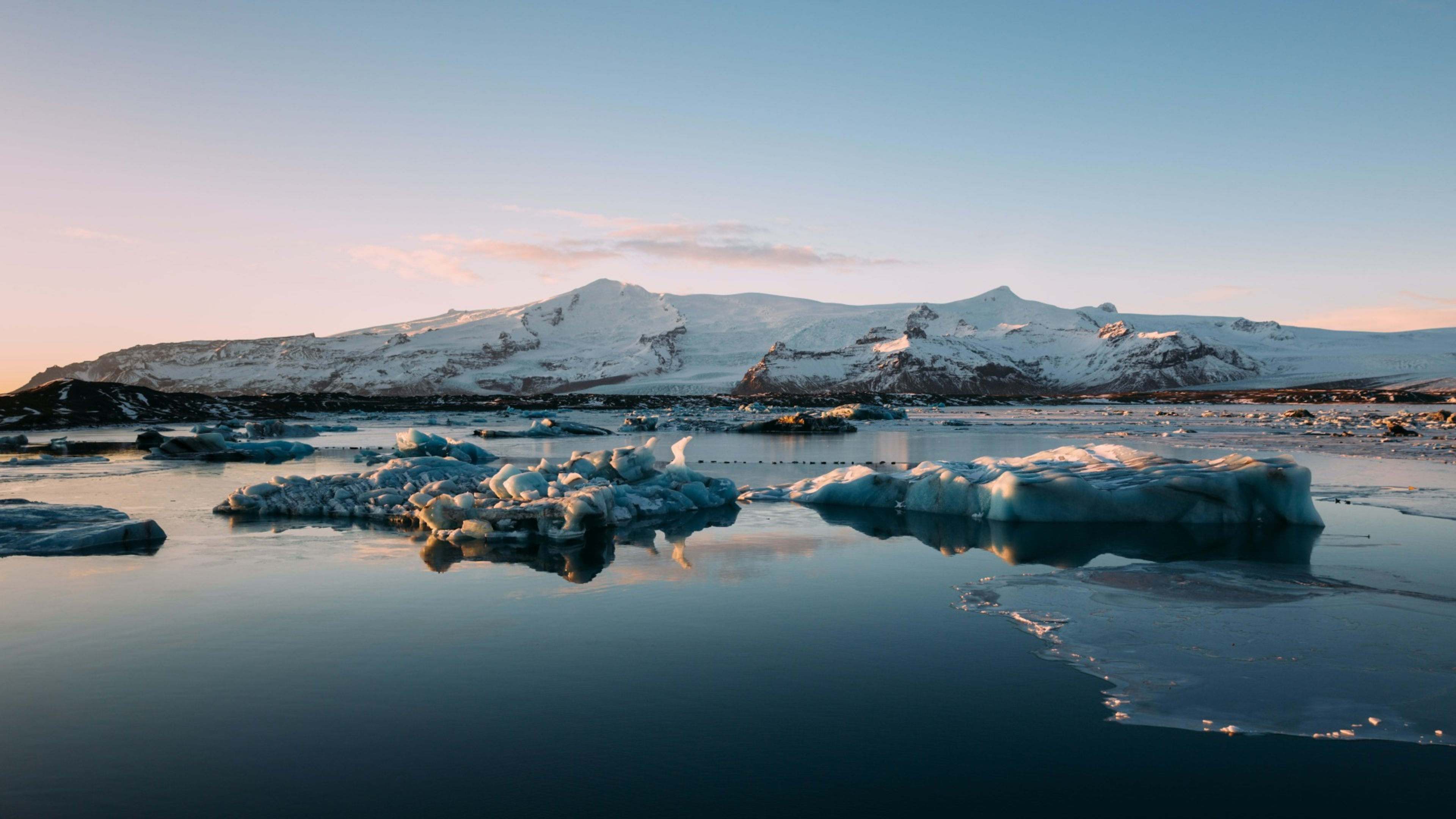
Why take a trip to Iceland in March? You’ve got a great chance of seeing snow. And though the days are getting longer, the Northern Lights continue to appear. That sense of winter magic is still very much in the air.
If you want to make the most of the Icelandic winter break, then March is a great time to visit. You’ll get all the charms of winter, but have much more sunlight than in December, January, or February.
So what does Iceland have in store for you in March? Read on to find out.
Is March a Good Time to Visit Iceland?
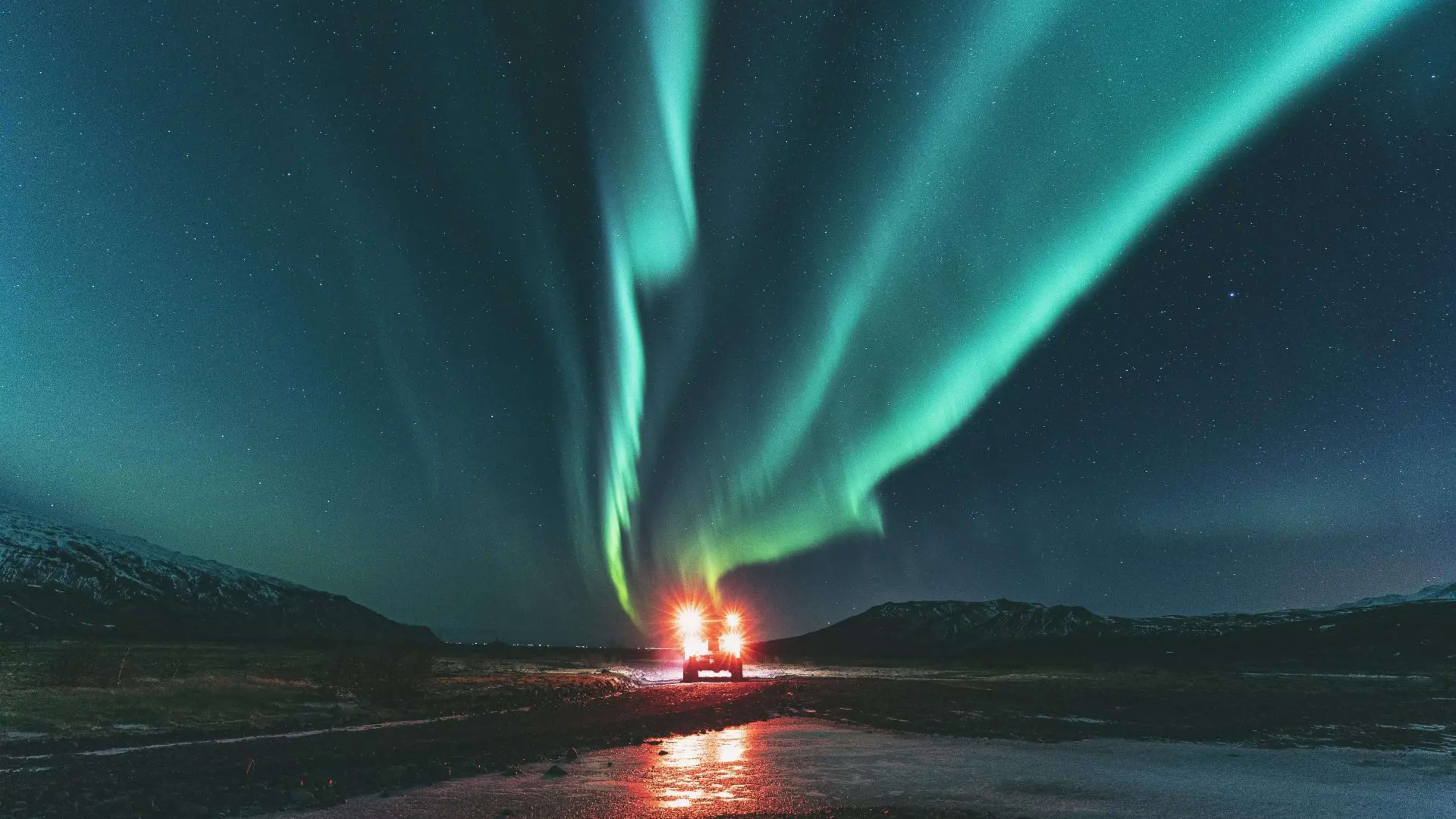
For sure! Even though March is definitely still wintertime in Iceland, it’s a great time of year to visit. It’s usually one of the snowiest months, making for not only beautiful backdrops but ideal skiing conditions.
March also offers you a good balance between day and night. The days are steadily getting longer. But equally, you still have enough darkness to go out and hunt the Northern Lights. Visiting Iceland in March allows you to catch all the highlights of winter before they disappear. That includes shimmering ice caves, snow-capped mountains, and glaciers at their fullest extent.
You’ll also be able to enjoy classic natural sights such as geysers, hot springs, waterfalls, volcanoes, and mountains.
Weather in Iceland in March
March is wintertime in Iceland, so the weather is still pretty cold. But don’t let that put you off! The days are getting longer and brighter, making it a stunning time to explore the country.
Here’s what you need to know about Iceland's March weather:
- Average temperature: Around 3°C (38°F) high and –2°C (28°F) low in Reykjavík.
- Rainfall/precipitation: Expect a mix of rain and sleet.
- Snow: Snow is common throughout March, especially outside Reykjavík, though warmer days may cause it to melt quickly in urban areas.
- Wind: March is typically windy, and gusts often make it feel several degrees colder.
Before you travel, always check the latest weather and road conditions via SafeTravel.is, as Iceland’s climate can change quickly.
- Related: Iceland in Spring – Your Guide.
- March seems too cold? Check out our guide to Iceland’s climate to find the perfect time of year for you.

Daylight in Iceland in March
Daylight hours in Iceland change fast in March, and you’ll notice the days getting longer almost by the day. This makes March a great time to explore Iceland, with plenty of light for sightseeing.
- Iceland in early March: Expect around 10 hours of daylight, with sunrise around 8:30 am and sunset around 6:30 pm.
- Iceland in late March: By the end of the month, you’ll have nearly 13 hours of daylight. The sun typically rises before 7 am and sets after 8 pm.
With daylight increasing so quickly, you’ll find you can fit more into each day as your trip goes on. And if you’re hoping to spot the Northern Lights, early March still offers dark enough nights for good viewing conditions.
Best Things to Do in Iceland in March
You’ve got shedloads of options on a trip to Iceland in March. Shake up your itinerary with a mix of nature and culture, all without having to venture too far from Reykjavík. Here are some of the top things to do in March in Iceland!
1. Chase the Northern Lights
Early March still offers long, dark evenings ideal for hunting winter Northern Lights in Iceland. At the same time, the days are bright enough for plenty of sightseeing. This sweet spot makes March a favourite for travellers who want the best of both worlds. Head away from city lights, join a guided Northern Lights tour, or stay in a rural area. Doing so maximizes your chances of seeing Iceland's March northern lights.
- If you want to know more, check out the best places to spot the Northern Lights in Iceland.
2. Explore Iceland’s seasonal ice caves
March is one of the last months to access Iceland’s ice caves, which typically close as temperatures rise in spring. These incredible blue-ice tunnels form each winter inside glaciers like Vatnajökull, and no two seasons look the same. On Iceland ice cave tours, you’ll strap on a helmet and crampons. Then, step inside a world of frozen walls, crystal ceilings, and sculpted ice that glows in shades of blue.
3. Hike across Iceland’s winter glaciers
March offers stable winter conditions, making it an ideal time for a guided glacier hike. You’ll trek across vast sheets of ice, observing crevasses, moulins, and sculpted ridges shaped by centuries of weather. Popular spots include Sólheimajökull on the South Coast and the glaciers of Skaftafell in Vatnajökull National Park.
4. Ride a snowmobile or try dog sledding
For pure winter thrill, you can’t beat snowmobiling on Langjökull, Iceland’s second-largest glacier. You’ll zip across snowy plains with panoramic views of the highlands. If you prefer a more traditional Arctic adventure, dog sledding is another exciting option. Friendly, energetic huskies pull you across the snow while you soak up the peaceful winter landscape.
- Consider privately guided tours in Iceland to enjoy winter activities at your own pace.
5. Hit the slopes for skiing and snowboarding
March brings longer days and reliable snowfall, making it a great time to ski or snowboard in Iceland. The Bláfjöll ski area is just outside Reykjavík and ideal for beginners and families. Meanwhile, resorts in North Iceland, like Hlíðarfjall near Akureyri, offer bigger slopes and stunning mountain views. With daylight stretching into the evening, you’ll have plenty of time on the snow.
6. Go whale watching as the great whales return
Whale watching in Iceland in March is no doubt rewarding. As spring approaches, minke whales, humpbacks, and other migratory species begin to return from their breeding grounds in warmer waters. Whale watching tours from Reykjavík’s Old Harbour give you the chance to spot gentle giants surfacing, tail-slapping, or feeding. You might also see white-beaked dolphins, porpoises, or seabirds circling overhead.
7. Venture into snowy lava caves
Iceland’s lava caves take on a special character in March. Places like Raufarhólshellir Lava Tunnel feature glittering icicles, snow drifts, and winter-only formations created by meltwater entering the caves. On a guided walk, you’ll learn how these tunnels formed during ancient volcanic eruptions. The colorful mineral layers along the rocky walls are a sight to see.
8. Snorkel between tectonic plates
If you’re up for something truly unforgettable, snorkelling in Silfra fissure should be on your list. Located in Þingvellir, this freshwater ravine is famous for its clear water, with visibility of over 100 m (328 ft). As you drift along in a drysuit, you’ll float between the North American and Eurasian tectonic plates.
- Book active adventures in Iceland for an epic snorkeling trip.
9. Relax in hot springs and geothermal pools
After a day of winter adventures, there’s nothing better than sinking into geothermal pools in Iceland surrounded by snowy scenery. Iceland’s hot springs are warm all year round. And March is perfect for enjoying the contrast between cold air and steaming water. You can visit the Sky Lagoon, Laugarvatn Fontana, or the Blue Lagoon in Iceland in March.
- Want to go earlier? Find out what you can do on a trip to Iceland in February.

Festivals and Events in Iceland in March
March is a lively month in Iceland, with a mix of cultural celebrations, foodie traditions, and unique local festivals. Whether you’re into film, craft beer, or Icelandic culture, there’s usually something happening during this late winter month.
Here are a few highlights you might catch on your Iceland trip in March:
- Icelandic Beer Day (1 March) – Marking the end of Iceland’s beer prohibition in 1989. This is the perfect time to explore the country’s growing craft beer scene. Breweries and bars in Iceland often celebrate with tastings, specials, and lively events.
- Bun Day (Bolludagur) – Often celebrated in late February or early March. Bakeries fill their shelves with cream-filled buns in many flavours, and families enjoy this sweet Icelandic tradition together. It’s a light-hearted holiday that visitors love to join in.
- Stockfish Film Festival – Held multiple days in March, this Reykjavík-based arthouse festival showcases independent Icelandic and international films. Screenings, Q&As, and workshops make it a favourite for cinema lovers.
Check out our blog about the unique history of beer in Iceland for more fun tidbits!

Best Places to Visit in Iceland in March
March is a great month to explore Iceland’s landscapes, with snowy scenery, longer days, and quieter roads. Here are some of the best places to visit in Iceland at this time of year.
1. West Iceland
Location: Around 1 hour’s drive north of Reykjavík.
Why visit? West Iceland is easily accessible at all times of year, so it’s perfect for a winter road trip.
For the fast route west, follow the Ring Road through the Hvalfjörður tunnel. Alternatively, you could drive the scenic way around the fjord along route 47. Hvalfjörður has fantastic coastal scenery and is famous for its clean waters, where mussels are harvested.
Check out the quaint town of Borgarnes, one of Iceland's oldest. If you want to learn more about the first settlers, visit the Settlement Center Museum in the town.
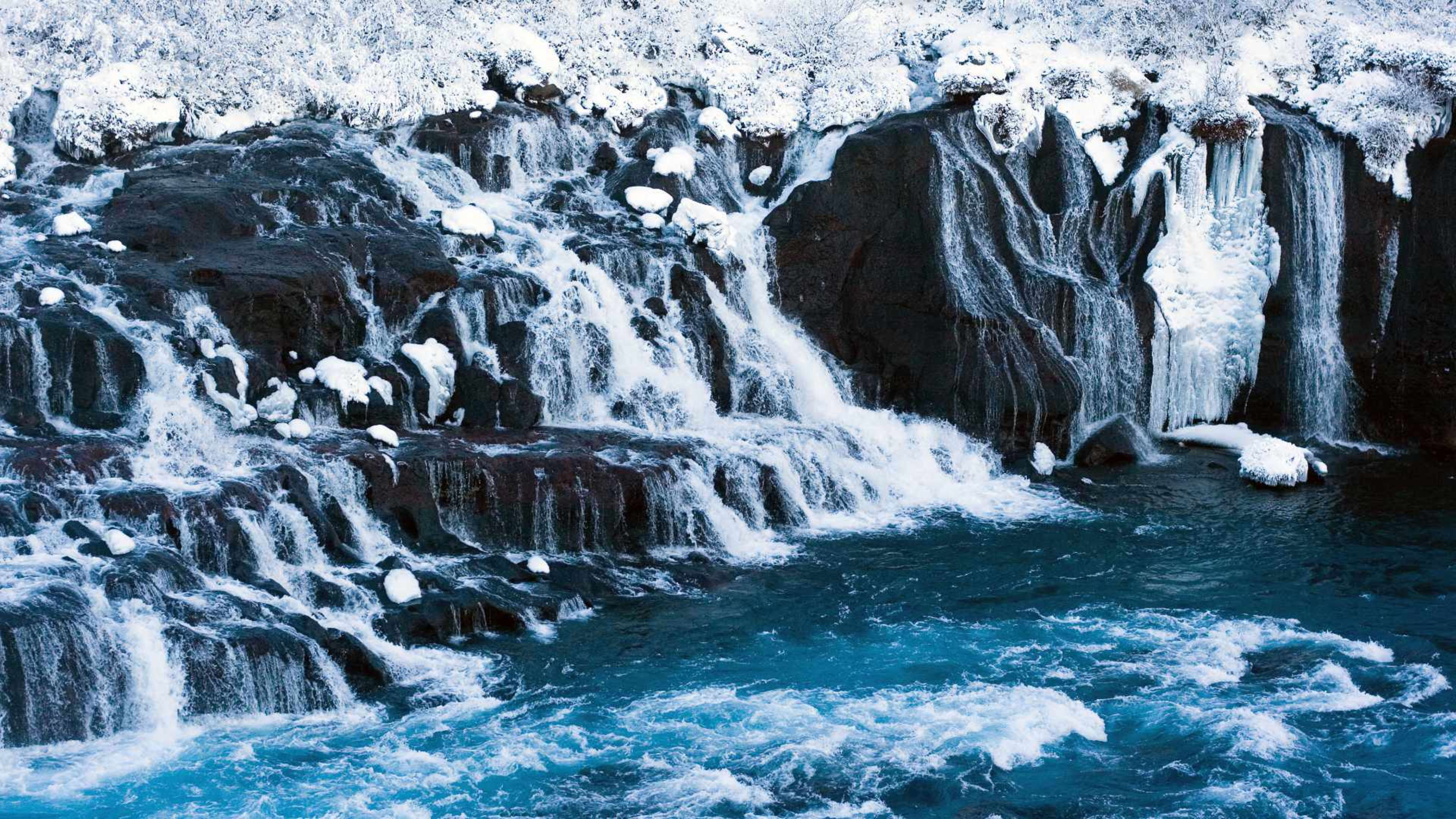
The jewels in the crown of West Iceland are around Reykholt. There you’ll find the awe-inspiring Deildartunguhver Hot Spring. Be sure also to check out Hraunfossar and Barnafoss, two of Iceland’s prettiest waterfalls.
Don’t miss: A guided tour of the Víðgelmir lava cave, if you’re feeling adventurous!
2. Húsavík
Location: North Iceland, 1–2 hours from Akureyri.
Why visit? Húsavík has been making a name for itself in recent years, mainly as the capital of whale watching in Iceland. The town’s most recent claim to fame was as the backdrop to Netflix’s Eurovision: The Story of Fire Saga.
Whatever reason you decide to visit Húsavík, there’s no denying its small-town charm. Here you’ll also find the Húsavík Whale Museum and Icelandic Maritime Museum. What’s more, Húsavík boasts its own microbrewery. If you happen to be in town on Icelandic Beer Day, be sure to stop by for a cold one!
Don’t miss: The charming wooden-framed church opposite the harbor. When it’s open, you can climb the tower for a fantastic view over the sea.
3. South Coast
Location: We’ll give you one guess.
Why visit? The great thing about Iceland’s South Coast is that it’s easy to get to pretty much all year round. In Iceland in March, its star attractions look fantastic. Chief amongst them are the Seljalandsfoss and Skógafoss waterfalls, which are particularly stunning against the snow.
You could also head down to the Vík area. This popular village is nestled between mountains and the world-famous Reynisfjara black sand beach. And just because it’s winter in Iceland, you can rule out snow on a trip to the beach!
Don’t miss: The Reynisdrangar sea stacks. These rock columns are visible from both the village of Vík and Reynisfjara beach.
- Stop off at Reynisfjara on an Iceland Ring Road trip.
- Related: Best Things to See and Do on Iceland’s South Coast.
4. Golden Circle
Location: Around 1 hour’s drive east of Reykjavík inland.
Why visit? It’s essentially a crime to visit Iceland in March without doing a Golden Circle tour. Here you’ll find three of Iceland’s most famous attractions.
First stop on the Golden Circle is the Þingvellir (Thingvellir) National Park. This is the site of Iceland’s ancient Viking parliament and spectacular scenery between the Eurasian and North American tectonic plates.
Next, you’ll make your way to the Geysir Geothermal Area. Named after Iceland’s most famous geyser, it’s a hotbed of geothermal activity. Although Geysir itself may now be sleeping, you can see its younger brother, Strokkur, erupt every few minutes.
The icing on the cake is the jaw-dropping Gullfoss Waterfall. Witness the powerful stream of water tumble over multiple sheer rock faces over more than 40 m (130 ft). On a sunny day, you might even be lucky enough to see a rainbow form in the waterfall’s mist.
Don’t miss: Peningagjá Gorge at Þingvellir. Throw a coin in here for good luck!
- See Þingvellir, Geysir, and Gullfoss on a multi-day tour from Reykjavík.
- Blog: Your complete guide to the Golden Circle.
5. Reykjavík
Location: Southwest Iceland.
Why visit? The capital is packed full of galleries and museums. These make perfect additions to your Iceland in March itinerary in between adventures into the countryside.
One of the best things to do in Reykjavík in March is to go museum-hopping. Reykjavík downtown museums include the Settlement Exhibition, the National Museum of Iceland, and the Icelandic Phallological Museum. Hold on, what? That’s right, Iceland has its very own museum dedicated to penises of various species.
On the more conventional side are the National Gallery of Iceland, the Reykjavík Museum of Photography, and Ásmundarsalur Gallery. The Reykjavík Art Museum is also well worth checking out. It has two main locations: downtown in Tryggvagata, and at Kjarvalsstaðir in the Klambratún park.
Don’t miss: The Nordic House, a short walk from downtown near the University of Iceland. It’s a beautiful library and gallery space designed by Finnish architect Alvar Aalto.
Driving in Iceland in March
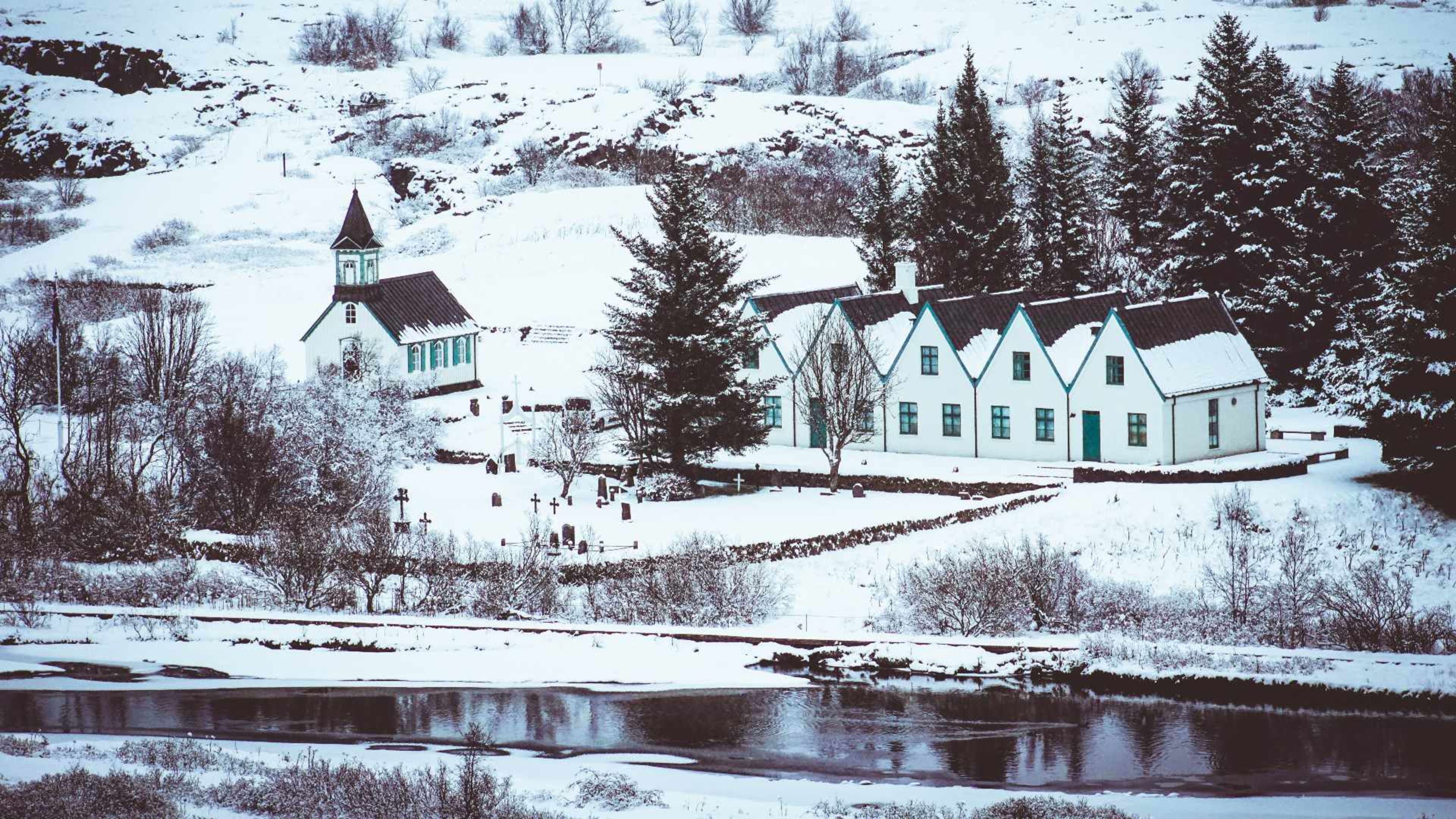
Driving in Iceland in March gives you the freedom to explore at your own pace while enjoying snowy landscapes. Just keep in mind that winter conditions can still be very much in play. So, a bit of preparation goes a long way toward making your trip safe and enjoyable.
- Expect winter roads: Icy stretches, slush, and drifting snow are common in March, especially outside the capital region and along the South Coast.
- Pick the right car rental in Iceland: A 4×4 with winter tyres is your best choice for greater stability and confidence on wintry routes.
- Check conditions every day: Iceland’s weather can shift quickly. It’s always a good idea to check the official weather and road updates before you set off each morning.
- Keep plans flexible: Storms can arrive suddenly, so aim for shorter driving days. Be ready to adjust your Iceland March itinerary if conditions change.
- Stick to open roads: Many highland tracks and remote routes remain closed for winter, so follow the main marked roads that are maintained year-round.
- Drive with care: Allow extra stopping distance, take corners slowly, and avoid sudden braking on icy surfaces.
With sensible planning and a flexible mindset, driving in March can be a fantastic way to experience Iceland’s dramatic scenery. It’s one of the reasons many travellers choose self-drive tours in Iceland at this time of year.
What to Wear and Pack for a Trip to Iceland in March
As the Icelandic weather in March is still decidedly wintry, it pays to pack well. Bring plenty of warm layers and extra changes of clothes. Streets can be wet and slushy. So, having a spare pair of socks to hand means you’re never far away from being dry and toasty.
Here’s your list of must-pack items for Iceland in March:
- Wooly sweaters
- Thermal underwear
- Warm and waterproof winter coat
- Warm gloves, scarf, and woolen hat
- Sturdy, waterproof boots and thick socks
- Swimwear and a towel for hot springs and pools
- Lip salve and moisturizer
Read our winter packing guide in Iceland to get all the deets on what to bring on your trip.

Planning Your Trip to Iceland in March
Now that you know how amazing visiting Iceland in March can be, how do you start planning your trip? The first step is to pick your dates. Go for early March for more Northern Lights hunting time. Or the end of the month if you want more daylight for road trips.
Next, think about how you want to travel. Do you want to do self-drive trips, book day tours, or join guided group excursions?
With Iceland Tours, you can travel to Iceland in March in any of these ways. All it takes to confirm your booking is a 5% deposit. And with our Book with Confidence promise, you have ultimate flexibility should Covid disrupt your plans.
So what’s holding you back? Start browsing winter vacations to Iceland and get that dream trip booked!
Rack up more ideas for your trip with our Iceland winter must-sees and must-dos.

FAQs About Visiting Iceland in March
Is there snow in Iceland in March?
Yes, snow and ice are common in March, especially outside Reykjavík. The capital sees around 23 cm (9 in) of snowfall on average. That makes March one of the snowiest months of the year.
Is driving in Iceland in March safe?
Yes, driving can be safe with the right precautions. Roads may be icy or snowy, but they’re cleared regularly. Always check forecasts and drive carefully.
How many hours of daylight in Iceland in March?
You’ll get around 10 hours of daylight at the start of March and nearly 13 hours by the end. Iceland doesn’t switch to daylight savings, so the clocks stay the same.
Can I see the Northern Lights in Iceland in March?
Yes, March is still a good month for Northern Lights, especially in the first half when nights are darker. Just remember, they depend on clear skies and solar activity, so sightings are never guaranteed.
Is the Blue Lagoon in Iceland open in March?
Yes, the Blue Lagoon is open year-round, including March. It’s a great month to visit, thanks to the contrast between warm geothermal water and crisp winter air.
Is Iceland expensive in March?
March is part of Iceland’s shoulder season, so prices can be lower than in summer. That said, Iceland is generally a pricey destination, especially for food, fuel, and accommodation. Book affordable tours in Iceland to cut additional costs.
Does it get dark in Iceland in March?
March still has dark evenings, particularly early in the month, but daylight increases quickly. By late March, nights are much shorter, making the days feel long and bright.