Come enjoy a winter vacation in Iceland in February. At this time of year, you could go Northern Lights hunting and see Reykjavík lit up by the Winter Lights Festival. You can also try thrilling excursions like snorkeling, ice caving, and glacier walking.
February is a great time to experience Iceland’s highlights in their calm winter setting. Nature is always there, ready to be explored. But in February, it comes with a beautiful winter coat that makes your visit even more memorable.
Get inspired and discover top local tips in this guide to Iceland in February.
- Kick off your trip with our guide to visiting Iceland in winter.
Is February a Good Time to Visit Iceland?
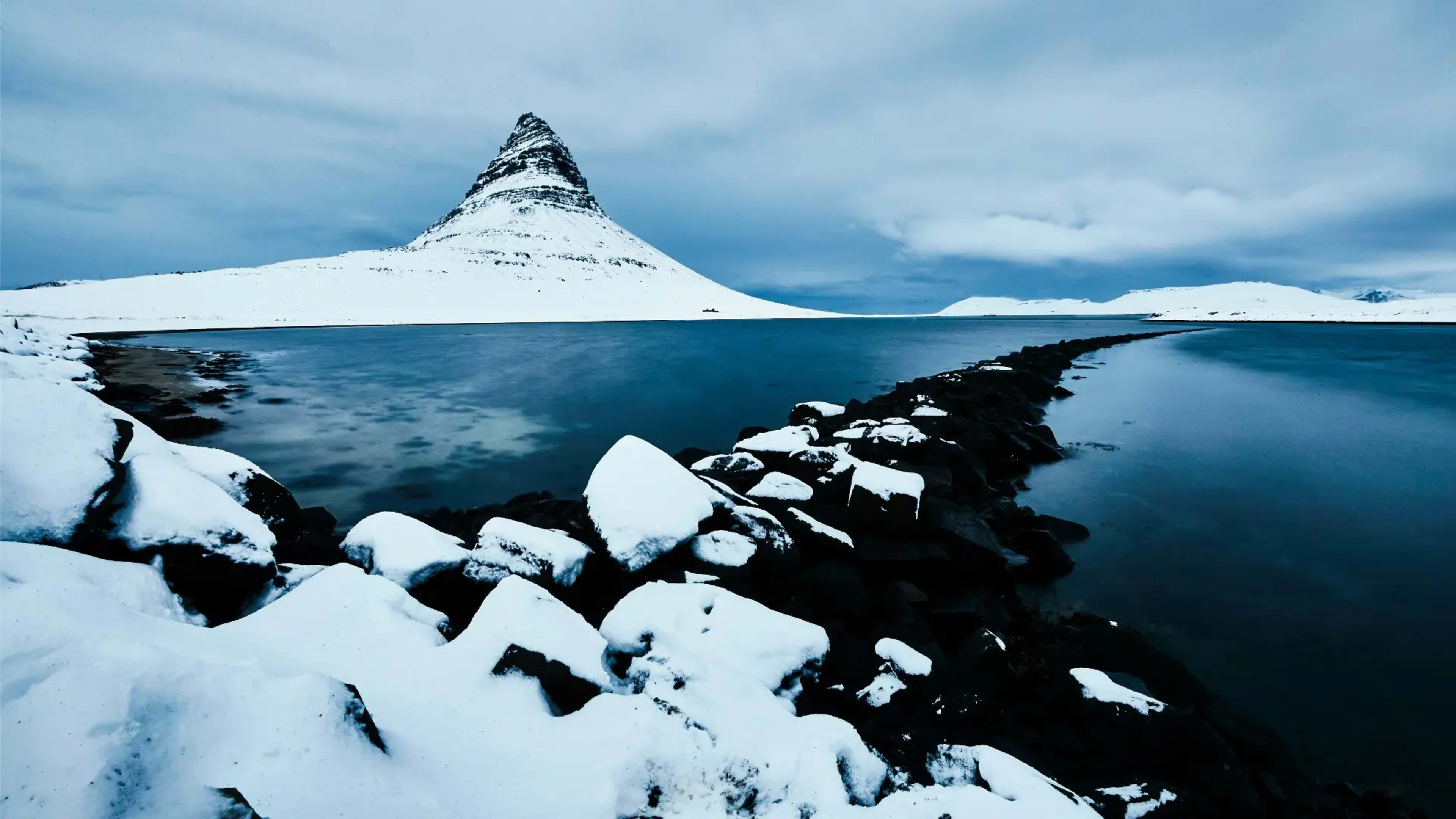
Definitely! February is a great month to visit Iceland. The winter months have huge benefits, so don’t be put off by the chilly weather and snowy conditions. If anything, the snow-capped mountains will make for an amazing backdrop to all your Insta photos.
In February, you’ll be able to visit most of the top highlights that Iceland is known for. That includes volcanoes, hot springs, ice caves, and glaciers, making it one of the best island vacations in February.
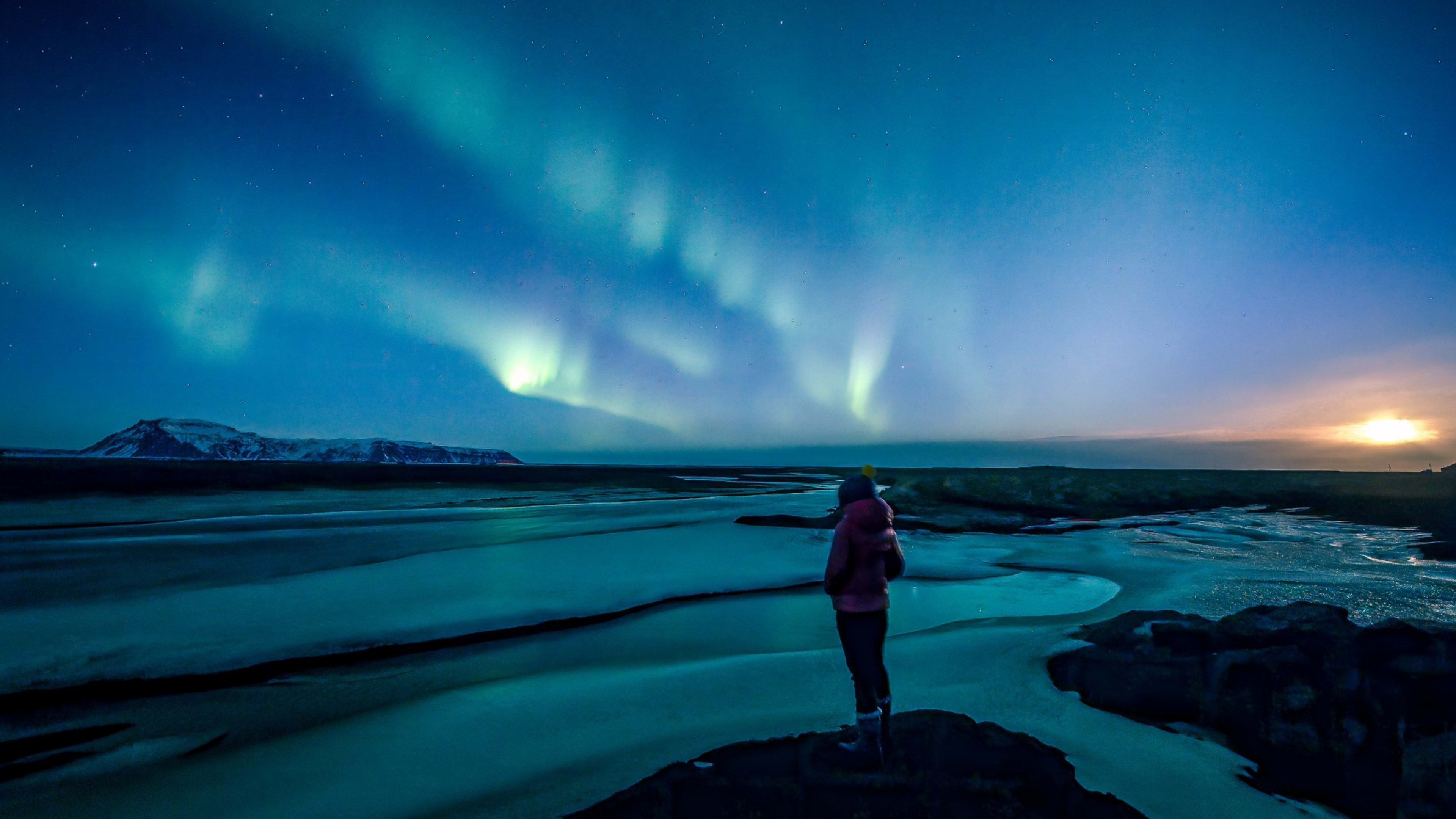
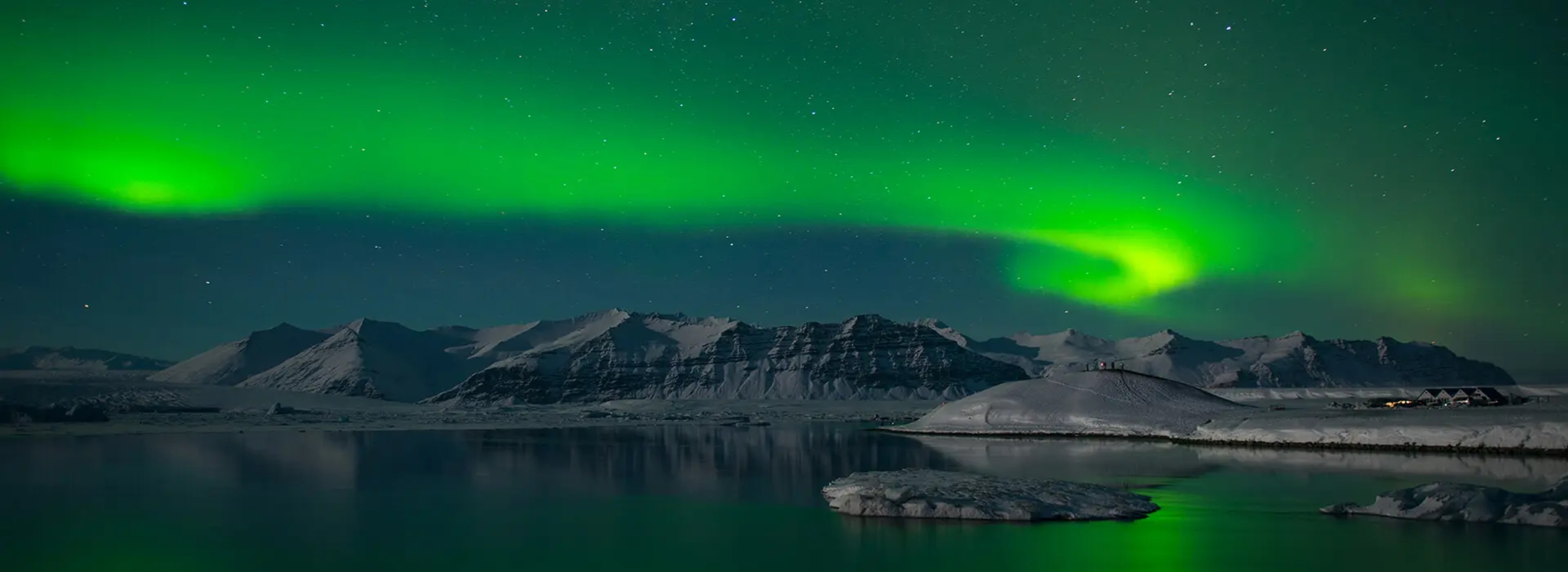
You’ll get the best of both worlds, with enough daylight hours to sightsee and darkness to go Northern Lights hunting. This phenomenon is the top reason to visit Iceland in winter. If the lights are on your bucket list, you can’t go wrong by visiting in February.
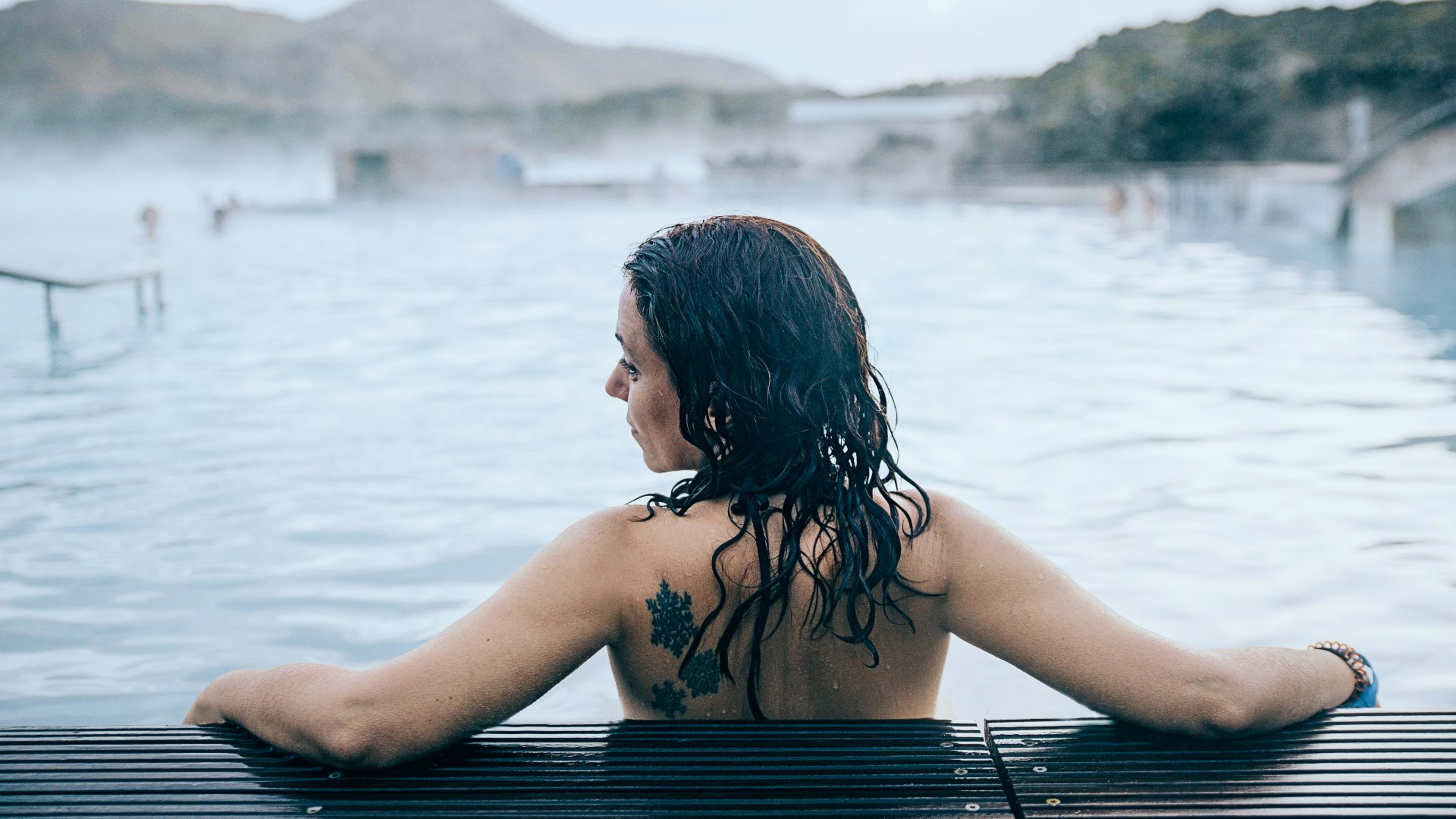
Travel to Iceland in February, and you could also enjoy the healing warmth of geothermal pools and hot springs. Imagine spending your days enjoying outdoor adventures. Then, reward yourself with a warming bath at a local swimming pool, hot tub, or spa right after.
There’s something truly magical about soaking in naturally heated waters while snow falls on your face. And maybe, just maybe, you’ll be lucky enough to see the Northern Lights give you a show to remember, too.
- Would you rather visit Iceland in January? This Iceland Tours blog has all the info you’ll need.
- Related: Your guide to when to visit Iceland.

Iceland Weather in February
February in Iceland is firmly winter, with snowy landscapes, crisp air, and dramatic light conditions. Sure, the February weather in Iceland can change quickly. But it’s great for experiencing Iceland’s winter beauty, from frosty waterfalls to clear, dark nights ideal for Northern Lights hunting.
Here’s what you need to know about the weather in Iceland in February:
- Average temperature: Around –3 to 3°C (26–34°F). Coastal areas like Reykjavík tend to be milder, while the north and higher elevations can be colder.
- Rainfall/precipitation: February sees frequent precipitation, often a mix of snow, sleet, or rain, with conditions varying by region.
- Wind: Expect strong winds, especially in the south and along open coastal areas. Wind chill often makes it feel colder than the actual temperature.
- Daylight hours in Iceland: Roughly 7 hours at the start of the month, increasing to around 10 hours by the end of February.
Make sure to check weather and road updates on SafeTravel.is each morning. It will help you plan your day safely and confidently.
Top Things to Do in Iceland in February
During your trip to Iceland in February, you’ll get an authentic taste of winter. Think snow-covered volcanoes, relaxing hot pools, and long nights perfect for spotting the Northern Lights. Many winter activities are available at this time of year, and February often brings fewer crowds, too.
Below are some of the best things to do in Iceland in winter!
1. Chase the Northern Lights
The February Northern Lights in Iceland are a real highlight, thanks to long, dark evenings and clear winter skies. Guided Northern Lights tours from Reykjavík take you to quieter spots with better viewing conditions. Many operators offer a free rebooking if the lights don’t appear. So, joining a tour early in your trip gives you more chances to see them.
Maximize your chances of seeing the Icelandic aurora in February by visiting one of the best places in Iceland to see the Northern Lights.
2. Explore a Natural Ice Cave
February is one of the best months to join Icelandic ice cave tours in Vatnajökull National Park. This is the time when the caves are usually at their most stable. The Crystal Blue Ice Cave is the crowd favorite, known for its bright blue tones and smooth, polished walls. These caves form naturally each winter, so their shapes and colours change from year to year. That means every visit feels new, and no two trips are ever the same.
3. Hike Across a Glacier
Glacier hiking is a memorable winter activity, and February often brings excellent conditions. With a certified guide, you can explore glaciers in Iceland like Sólheimajökull or Skaftafellsjökull and walk across steady, frozen terrain. In midwinter, the ice can take on electric blue tones, giving the landscape a striking colour you won’t forget. Cold February weather also helps keep the surface firm, making your hike feel more secure underfoot.
4. Ride a Snowmobile on a Glacier
Snowmobiling is another popular glacier activity in February, thanks to thick snow and steady winter conditions. You can enjoy a high-speed ride across Langjökull or Mýrdalsjökull and take in wide, snowy views. The firm surface and deep snow make February one of the best months for a smooth and enjoyable trip.
- Wanna glide across glaciers? Choose one of these Iceland adventure packages.
5. Venture Into a Lava Cave
Lava caving is often more popular in summer, but it offers a different and very special experience in winter. Guided tours in caves like Raufarhólshellir or Vatnshellir reveal colourful rock formations created by ancient eruptions. In February, you may also see icicles forming inside the cave, adding a unique winter-only natural display. With fewer visitors, the atmosphere in these lava caves in Iceland feels quieter and more peaceful.
6. Snorkel Between Tectonic Plates
Snorkeling at Silfra Fissure in Þingvellir National Park is a guided-only activity, and February is a great time to try it. The water stays a steady 2–4°C (35–39°F) year-round, so the temperature feels the same in any season. Visibility can reach over 100 m (328 ft), giving you clear views between the North American and Eurasian tectonic plates.
7. Soak in Hot Springs and Geothermal Pools
Soaking in hot springs and geothermal pools in Iceland is a real winter treat. And February is one of the best times to enjoy them. Places like the Blue Lagoon, Sky Lagoon, and the Secret Lagoon stay warm all year, even when temperatures drop. The contrast between the hot water and the crisp winter air feels especially relaxing. And snow around the edges makes the experience even more memorable.
- Related: Iceland hot springs in winter.
- Read also: Sky Lagoon vs Blue Lagoon: Which One Should You Visit?
8. Go Whale Watching
Whale watching in Iceland in February is a great winter activity, with tours running from Reykjavík or Húsavík. You may spot humpback whales, white-beaked dolphins, and sometimes orcas along the coast. February seas can be calmer than early winter, which helps create better viewing conditions.
Festivals and Events in Iceland in February
You might think that February is synonymous with Valentine’s Day. And if you’re the romantic type, charming Iceland makes a great Valentine’s Day destination.
Come enjoy a unique honeymoon or couples’ getaway with your SO in Iceland. Imagine cuddling under Northern Lights at night, spotting romantic waterfalls in the rosy light of day, or treating yourself to a spa experience together. That’ll make for a Valentine’s to remember!
As for festivals and events in Iceland, February is a vibrant month to visit, especially the capital, Reykjavík. Here are some highlights to look out for:
- Winter Lights Festival (Reykjavík) – A free city festival held early in the month. It celebrates both the darkness of winter and the brighter days ahead. Each evening, light installations illuminate Reykjavík from 7–10 pm, creating a magical way to explore the city.
- Pool Night and Museum Night – As part of the Winter Lights Festival, Reykjavík’s pools and museums open for free with special lighting and extended hours. It’s a great way to enjoy local culture in a relaxed and festive setting.
- Þorrablót – Celebrated throughout February, this traditional midwinter festival highlights Iceland’s heritage with traditional foods and old customs. You’ll see dishes like hákarl (fermented shark) and hrútspungar (cured ram’s testicles) featured on special menus and in shops. Taking a bite of these gives you an authentic taste of Icelandic culture.
Check out all Iceland vacation packages to pair with your February trip in Iceland.
Best Places to Visit in Iceland in February
February is a great time to explore some of Iceland’s standout places, from lively cities to dramatic natural sights. Whether you want winter scenery or cultural experiences, these destinations are especially rewarding at this time of year.
1. The Golden Circle
Location: Southwest Iceland.
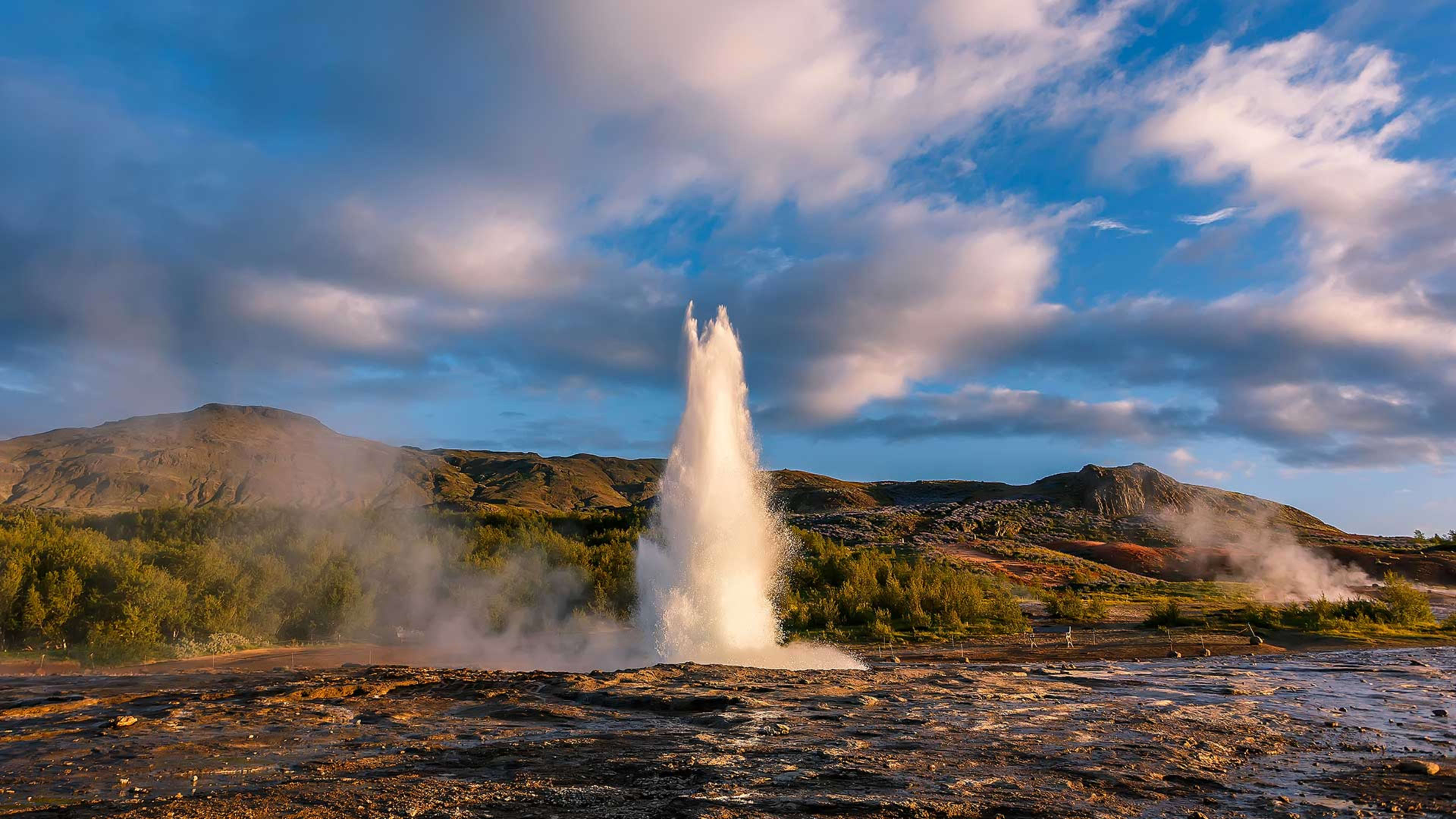
Why visit? The Golden Circle is one of Iceland’s most famous sightseeing routes and a great choice in February. Its roads are usually well-maintained in winter. And the three main stops—Þingvellir National Park, Gullfoss, and Geysir—offer incredible views in their snowy setting. Þingvellir is especially memorable, with its rift valley scenery and deep history as the site of Iceland’s first parliament.
Don’t miss: You could visit Kerið Crater or enjoy a tomato-focused lunch at Friðheimar along the way.
- Check out these Golden Circle tours.

2. Blue Lagoon
Location: Reykjanes Peninsula
Why visit? For the ultimate relaxation, visit the Blue Lagoon in Iceland in February, the country’s most iconic geothermal spa. Its warm, milky-blue water is rich in minerals and stays comfortable year-round. It’s a relaxing way to unwind after a day of exploring. And its location near Keflavík International Airport and Reykjavík makes it easy to add to your itinerary.
For a similar experience, you’ll also find geothermal pools and hot tubs in cities and towns across Iceland. Many are budget-friendly and offer a more local feel.
Don’t miss: The Sky Lagoon outside Reykjavik, the Earth Lagoon Mývatn in North Iceland, and the Secret Lagoon along the Golden Circle.
3. West Iceland
Location: West Iceland
Why visit? This region is easily accessible from Reykjavík, making it an ideal destination in February. With fewer daylight hours in Iceland in February, closer excursions and day trips are more practical.
Here you’ll be able to admire a variety of landscapes and geological formations. You’ll find imposing waterfalls, sweeping lava fields, steep mountains, glaciers, volcanoes, beautiful coastal scenery, and more.
The stand-out of West Iceland is the Snæfellsnes Peninsula. Here, you could explore the Snæfellsjökull National Park and spot a mountain famous from Game of Thrones. Plus, admire the second-largest fjord in Iceland, Breiðafjörður Bay.
Don’t miss: The Deildartunguhver Hot Spring, the biggest of its kind in Iceland by water production per second. It’ll be an impressive sight for sure!
- Related: Complete guide to Snæfellsnes in winter.

4. Waterfalls of Iceland
Location: All regions of Iceland
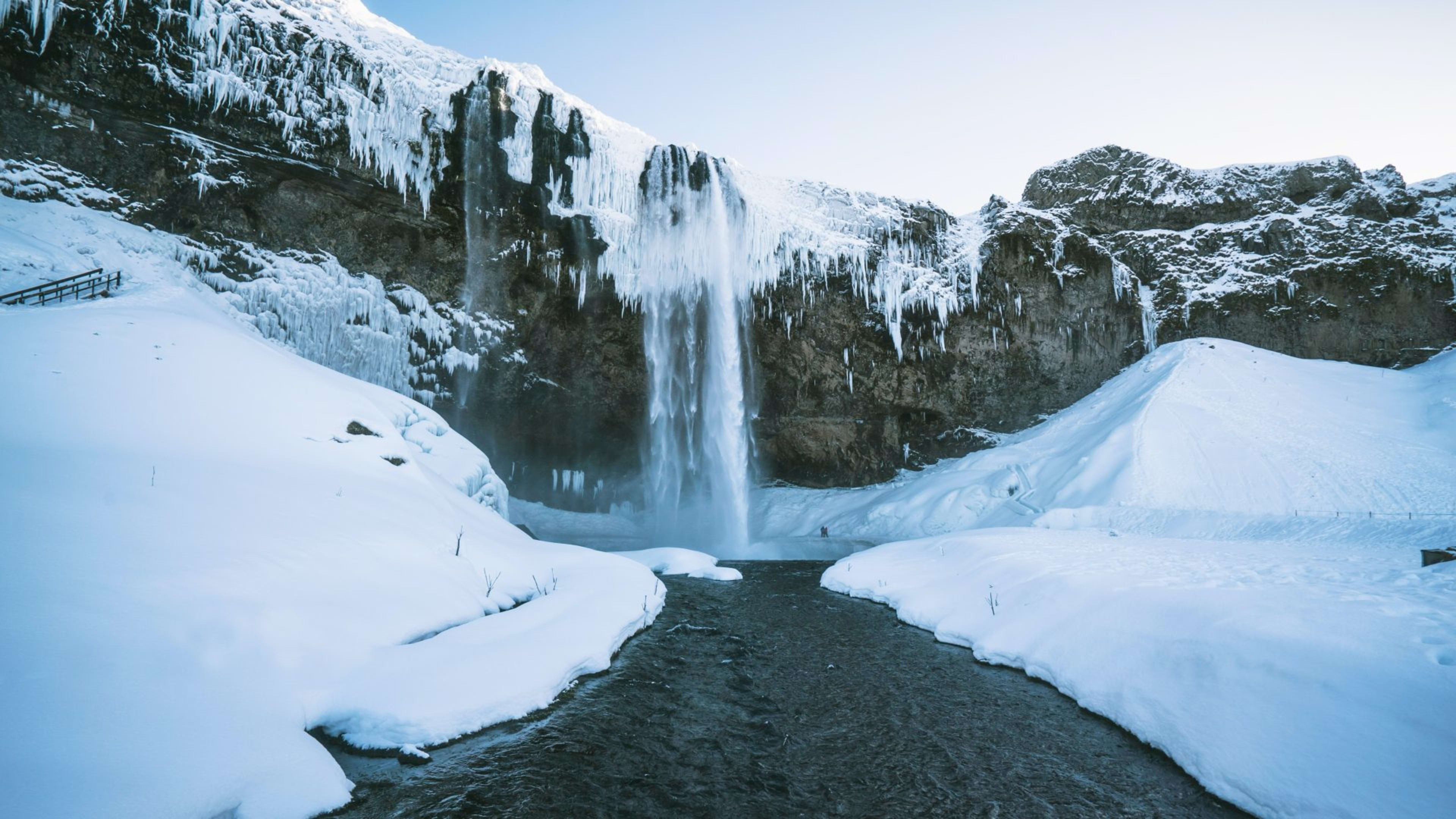
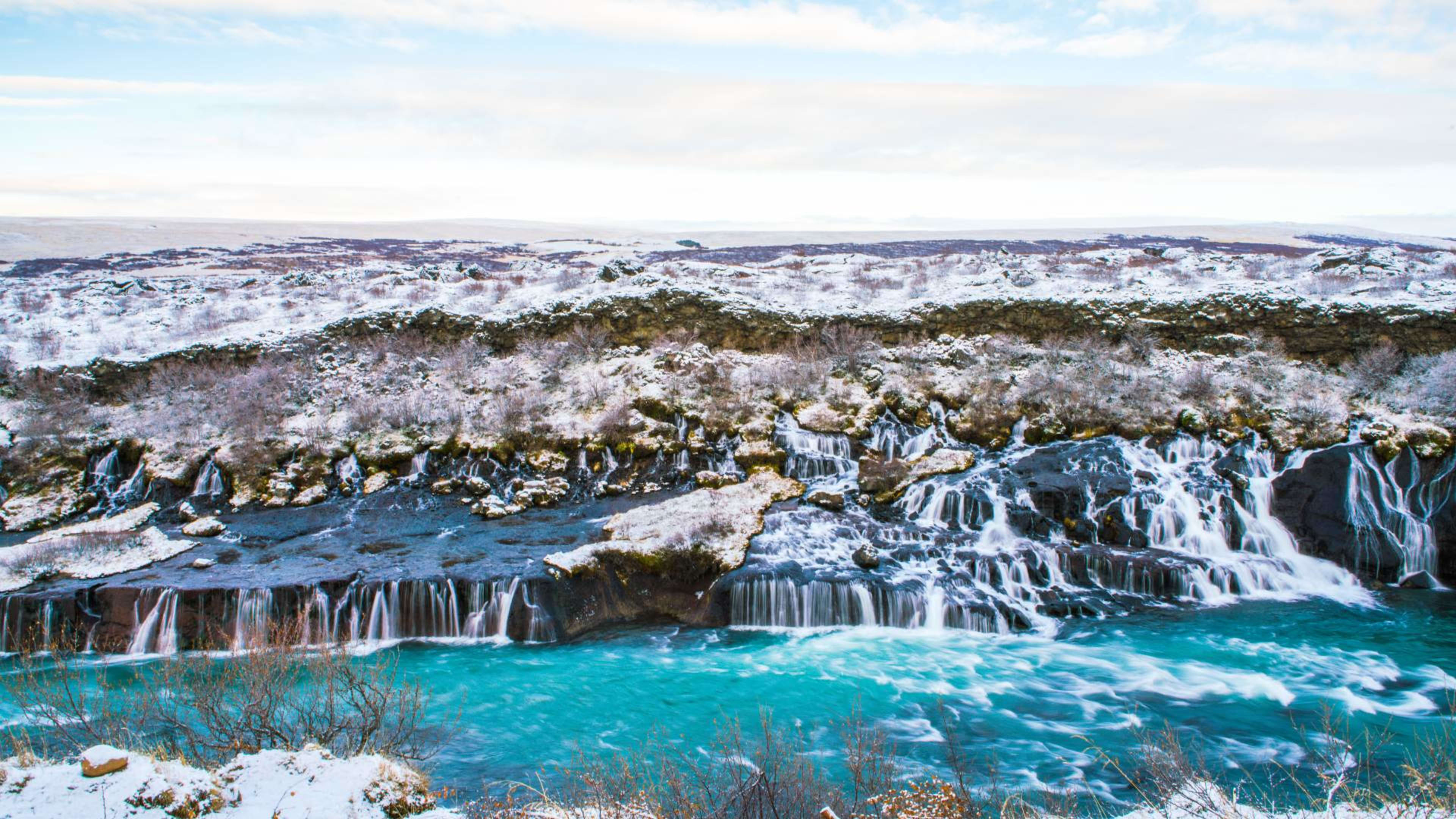
Why visit? Wherever you are in Iceland, you’re probably not far from a scenic waterfall. In February, visit the frosty Hraunfossar and Barnafoss waterfalls in Reykholt, where water flows out from beneath a lava field. Or be awestruck by the top waterfalls of the South Coast, Seljalandsfoss and Skógafoss. The Gullfoss and Faxi waterfalls are also must-sees along the Golden Circle.
Don’t miss: Everyone has a different favorite waterfall in Iceland. But in winter, Goðafoss, the ‘Waterfall of the Gods’, is particularly impressive. It is located in North Iceland.
- Look up day tours you could add to your Iceland itinerary in February.
- Related: Your guide to the best waterfalls in Iceland.
5. Reykjavík
Location: Southwest Iceland.
Why visit? Thanks to its cultural highlights and festivals, you will never run out of things to do in Reykjavík in February. Walk beneath sparkling light shows or discover foodie hotspots. You can also enjoy a night out with your friends or visit one of the many interactive museums in Reykjavík.
Don’t miss: The illuminations every night during the Winter Lights Festival.
- Must read: Top 17 Things to do in Reykjavík.
Driving in Iceland in February
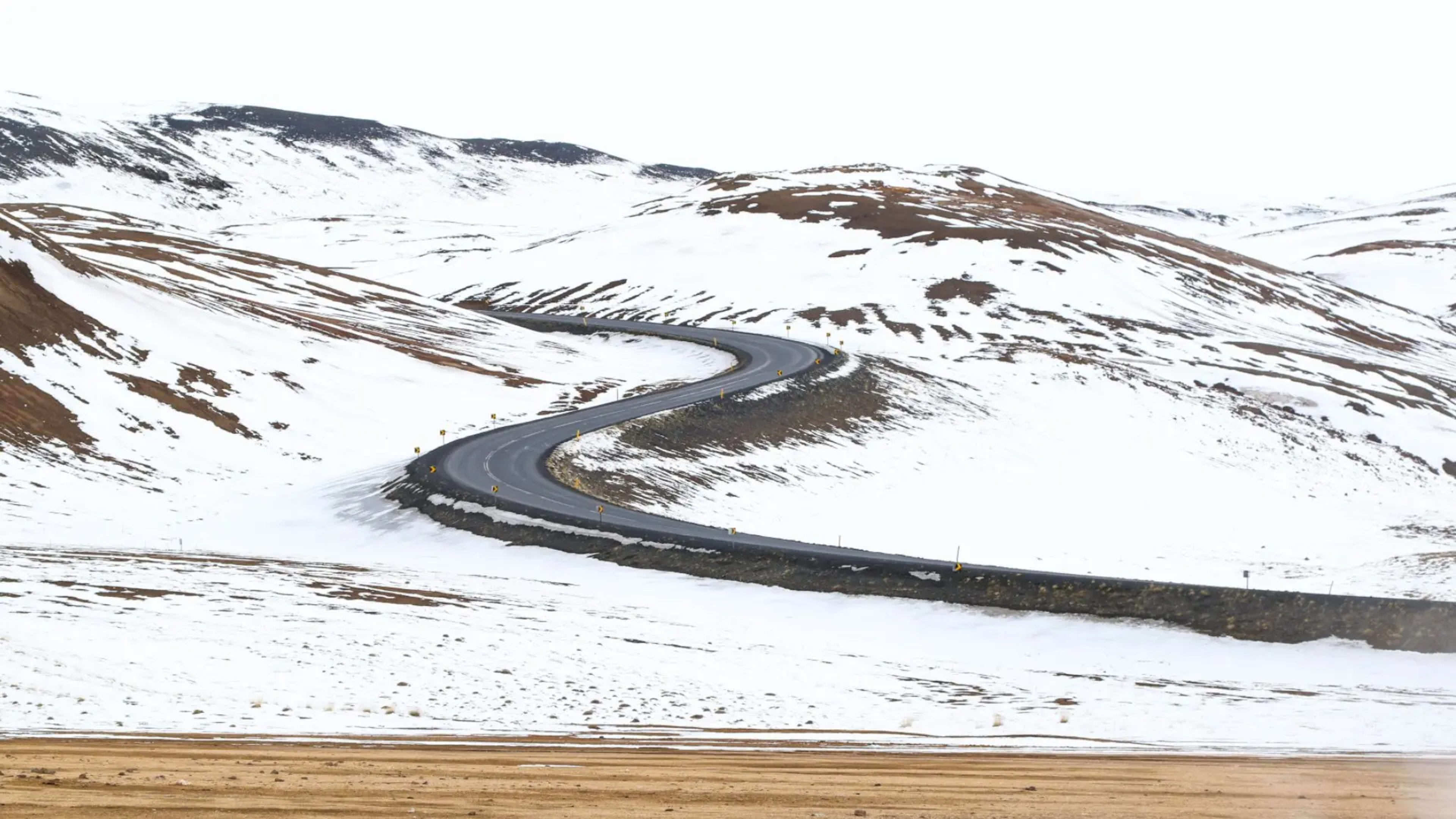
Driving in Iceland in February is doable, but winter conditions mean you should plan ahead. Roads can be icy or snowy, and the weather can change quickly. If you prefer self-drive tours in Iceland, take your time and stay flexible.
What to expect when driving in February:
- Road conditions: Expect icy patches, snow, or slush, especially outside Reykjavík and on higher ground.
- Car type: A 4×4 vehicle is recommended for better control and stability in winter conditions.
- Daylight: Days are short, so plan to drive during daylight whenever possible.
- Wind: Strong winds are common and can affect handling, especially on open stretches.
- Safety checks: Always check road.is and SafeTravel.is before you set out.
Don’t want to drive, private guided tours in Iceland are a great option. These allow you to relax while a local expert handles winter roads.
- Related: Your guide to renting a car in Iceland.
What to Pack for Iceland in February
February is a winter month in Iceland, so warm and waterproof clothing is essential. Layering will keep you comfortable in changing conditions. With the right gear, you can enjoy your trip without worrying about the cold.
Here’s what to wear in Iceland in February:
- Base layers: Bring thermal tops and leggings to keep warm throughout the day.
- Mid layers: A fleece or wool sweater adds reliable insulation.
- Outer layer: Choose a waterproof and windproof jacket to protect you from winter weather.
- Trousers: Wear insulated or waterproof trousers, especially for outdoor activities.
- Footwear: Sturdy, waterproof boots with good grip are essential on snow and ice.
- Accessories: Pack a warm hat, gloves, and a scarf to stay comfortable.
- Swimwear: Bring swimwear for hot springs and geothermal pools.
- Extras: Hand warmers and ice cleats can be helpful on icy paths.
It’s also worth packing face and lip moisturizer to protect your skin from the cold winter air.
- For more tips, check out: Tips for Iceland in Winter: Weather and Packing Guide.

Planning Your Trip to Iceland in February
Your adventure in Iceland in February is waiting just around the corner. Start planning your trip now by picking your favorite places to see and an itinerary to match.
Browse the selection of winter packages that Iceland Tours offers, from Northern Lights tours to winter outdoor adventures. If you’re comfortable with winter driving, you could take solo trips in Iceland. Or stay in the capital and travel by bus on multi-day tours from Reykjavík.
Once you’ve picked the package that suits you best, book it online. It’s easily done with only a 5% deposit. See you in Iceland this February!

FAQs About Visiting Iceland in February
What is the weather in Iceland in February?
February is midwinter in Iceland, so you should expect cold conditions and precipitation, whether that’s snow or rain. It might also be very windy, especially along the coast. On average, lows are -3°C (26°F) and highs are 3°C (34°F).
How cold is Iceland in February?
The average temperature in Iceland in February is around 1 °C (34°F), particularly in Reykjavík and the southern region. In the north of the country, you might experience averages closer to -2°C (28°F).
Is there snow in Iceland in February?
February is a month when you’re likely to experience precipitation. If the weather is cold enough, this means snow. At least the backdrop of your vacation photos will be spruced up by the snow-capped mountains and falling snowflakes.
Do I need a 4×4 in Iceland in February?
A 4×4 is recommended in February, as winter conditions can be challenging. Roads may be icy, windy, or even closed, so check updates daily and keep your plans flexible.
How many hours of daylight in Iceland in February?
In February, Iceland gets a good amount of daylight as the days grow longer, with 7–10 hours daily. Early in the month, the sun rises around 10:10 am and sets around 5:15 pm. By the end of February, daylight stretches from about 8:30 am to 6:45 pm.
Can I see the Northern Lights in Iceland in February?
Yes, it’s possible to see the Northern Lights in Iceland in February. With long winter nights, you’ll have plenty of chances, though the lights are never guaranteed, as it’s a natural phenomenon. Look for clear, dark skies and low light pollution for the best opportunity.
How should I dress for Iceland in February?
Dress in warm layers and weatherproof clothing, as conditions can change quickly in February. Essentials include thermal underwear, fleece or wool sweaters, a waterproof jacket, and trousers. Don’t forget warm accessories, waterproof boots, and swimwear for pools and spas.