Seljalandsfoss

Walk behind a powerful plume of fresh glacier water at this wonderful waterfall.

South Iceland

About Seljalandsfoss

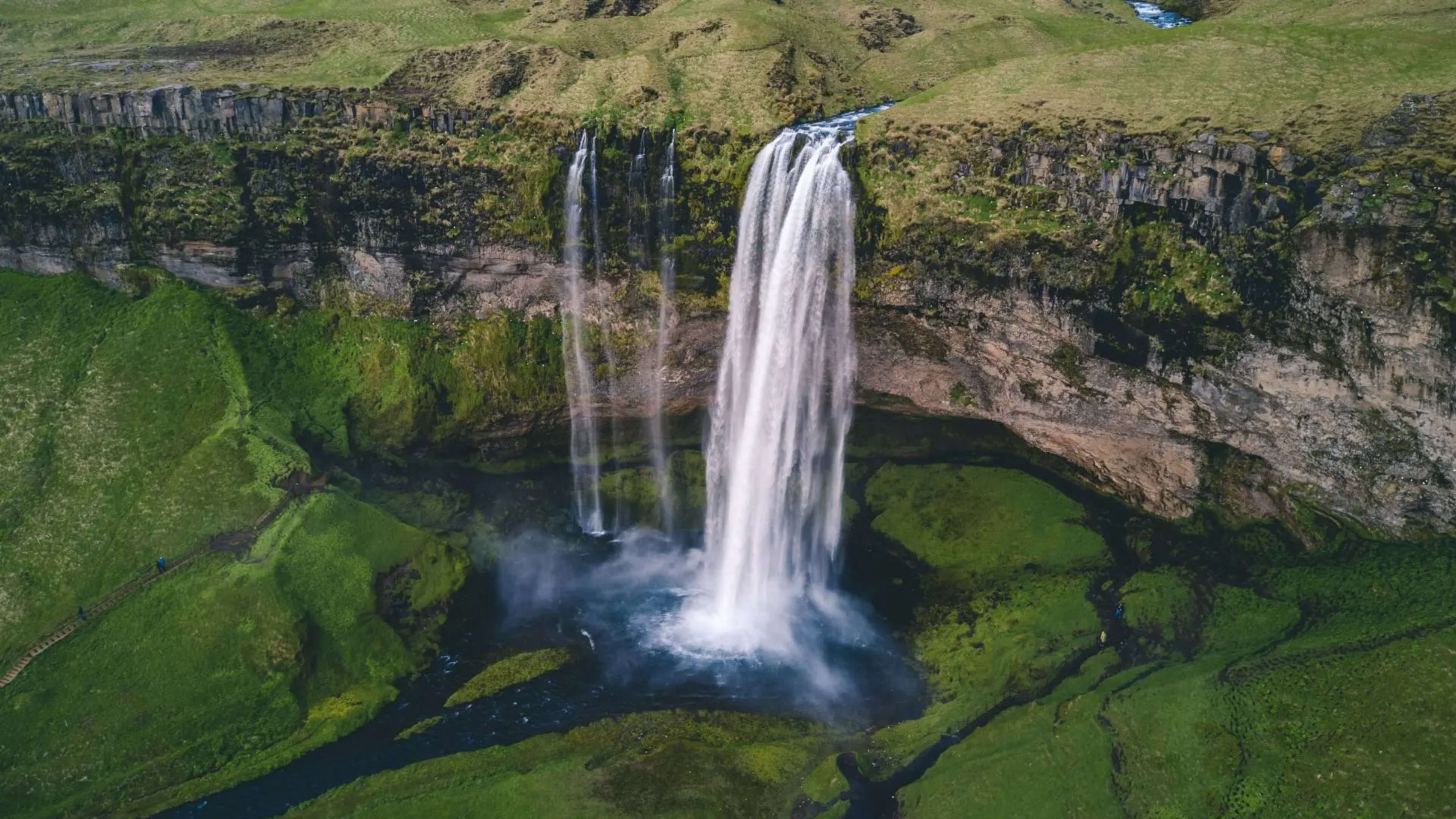
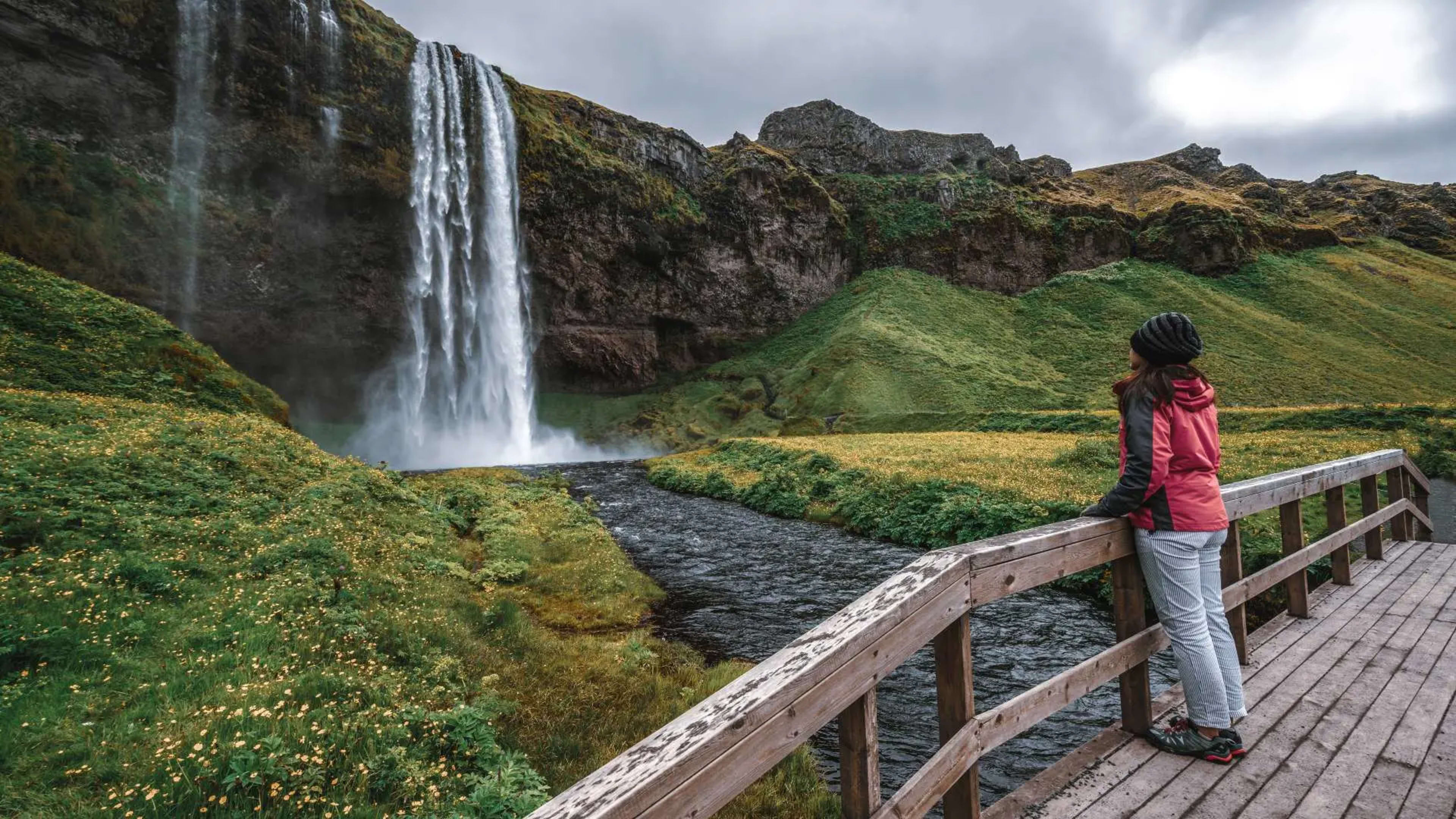
Seljalandsfoss is a 60-metre waterfall on the Seljalandsá river in south Iceland, fed by meltwater from the Eyjafjallajökull glacier above. It sits just off Route 1, roughly 120 km southeast of Reykjavík, and is one of the most visited natural sites in the country.

What sets it apart from other Icelandic waterfalls is the cave that has formed behind the curtain of water. The cliff over which the water falls was once part of Iceland's Atlantic coastline. As the land gradually rose after the last Ice Age and the coast shifted southward, these cliffs were left inland, and the constant flow of water over thousands of years carved a walkable passage behind the falls. From spring through to early autumn, a path leads visitors all the way around and behind the waterfall, giving a perspective on the falls that very few places in the world can offer.

Visiting Seljalandsfoss

Getting there

From Reykjavík, take Route 1 east. After around two hours you will see the turnoff for Road 249 toward Þórsmörk on your left. Follow it briefly and the waterfall and its car park appear almost immediately. The site is easy to spot from the Ring Road. Parking is paid and charged on a per-day basis, so you can spend as long as you like once you have paid.

Walking behind the waterfall

The path behind Seljalandsfoss is open from late spring through early autumn, roughly May to October in most years, though conditions vary. The path is uneven and gets wet from the spray, so waterproof footwear with a decent grip is important. You will get at least partially wet from the mist even in good conditions, so waterproof outer layers are worth bringing. The views looking outward through the falling water are the main draw.

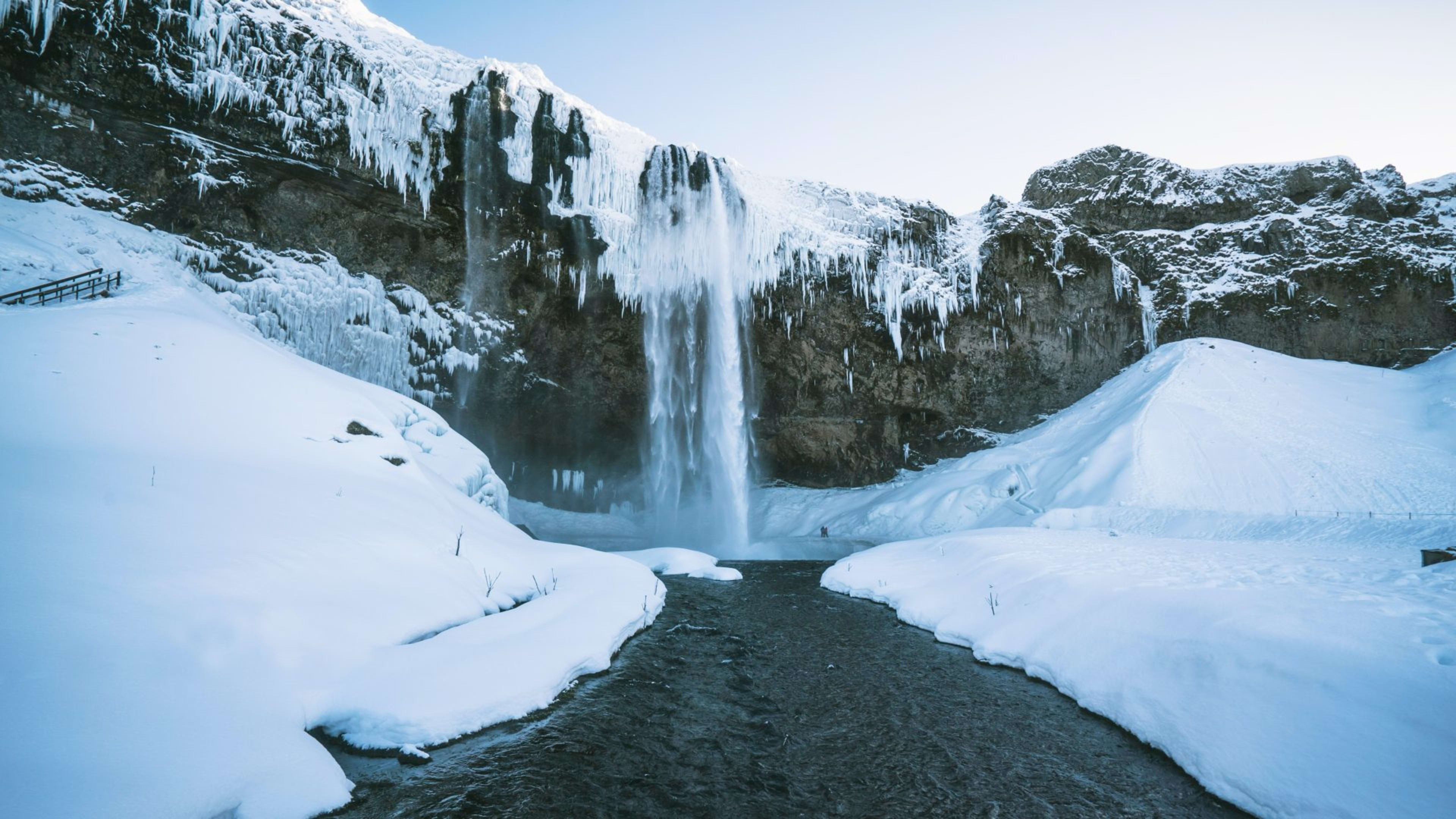
In winter the path is typically closed. Ice builds up on the rocks and icicles form around the cliff edge, making the route unsafe. The waterfall itself is still worth visiting in winter, and the frozen spray and ice formations around the base are quite different to the summer experience.

Gljúfrabúi

About two minutes' drive east of Seljalandsfoss is Gljúfrabúi, a second waterfall that most visitors miss entirely. It falls inside a narrow canyon gorge and to see it properly you need to wade a shallow stream into the gorge itself. It is a short detour from the car park and worth the effort if conditions allow.

Seljalandsfoss on the South Coast

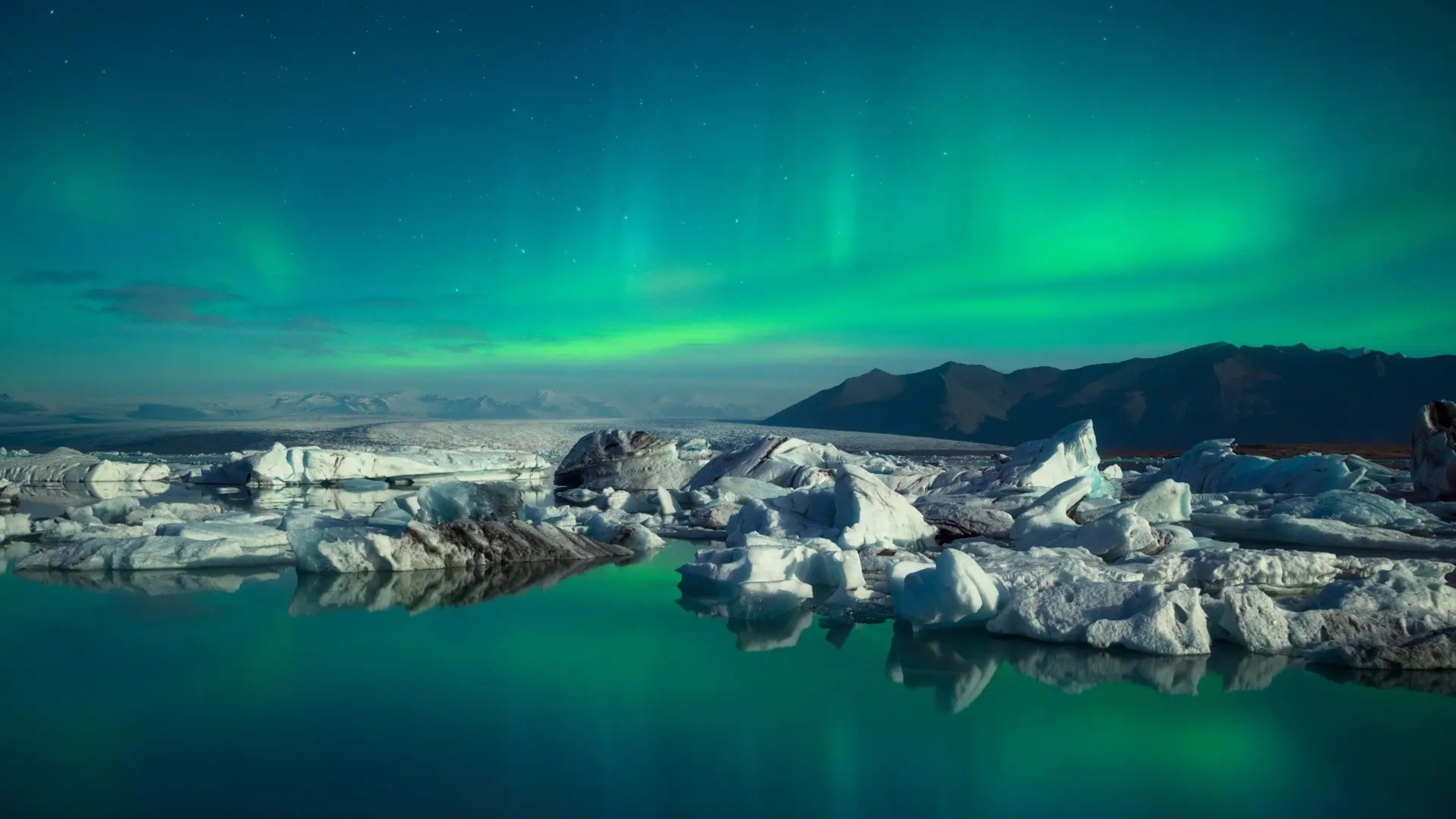
Seljalandsfoss is typically the first stop on a South Coast self-drive heading east from Reykjavík. From here the route continues past Skógafoss, across the farmland below Eyjafjallajökull, and on to the black sand beach at Reynisfjara near Vík í Mýrdal, with Jökulsárlón glacier lagoon further east.

All of our South Coast self-drive tours include Seljalandsfoss as a scheduled stop on the first or second day out of Reykjavík. It also features on our Ring Road itineraries, where it serves as an early landmark on the clockwise route east.

What to expect

Seljalandsfoss is one of the most visited attractions in Iceland and is rarely quiet, particularly in summer. Arriving early in the morning or later in the evening reduces crowds and, in summer, the long daylight hours mean both options are practical. The car park fills quickly on popular days.

The site has basic facilities including toilets at the car park. There is no café or visitor centre on site. Bring water and anything else you need for the visit.
Other attractions near Seljalandsfoss

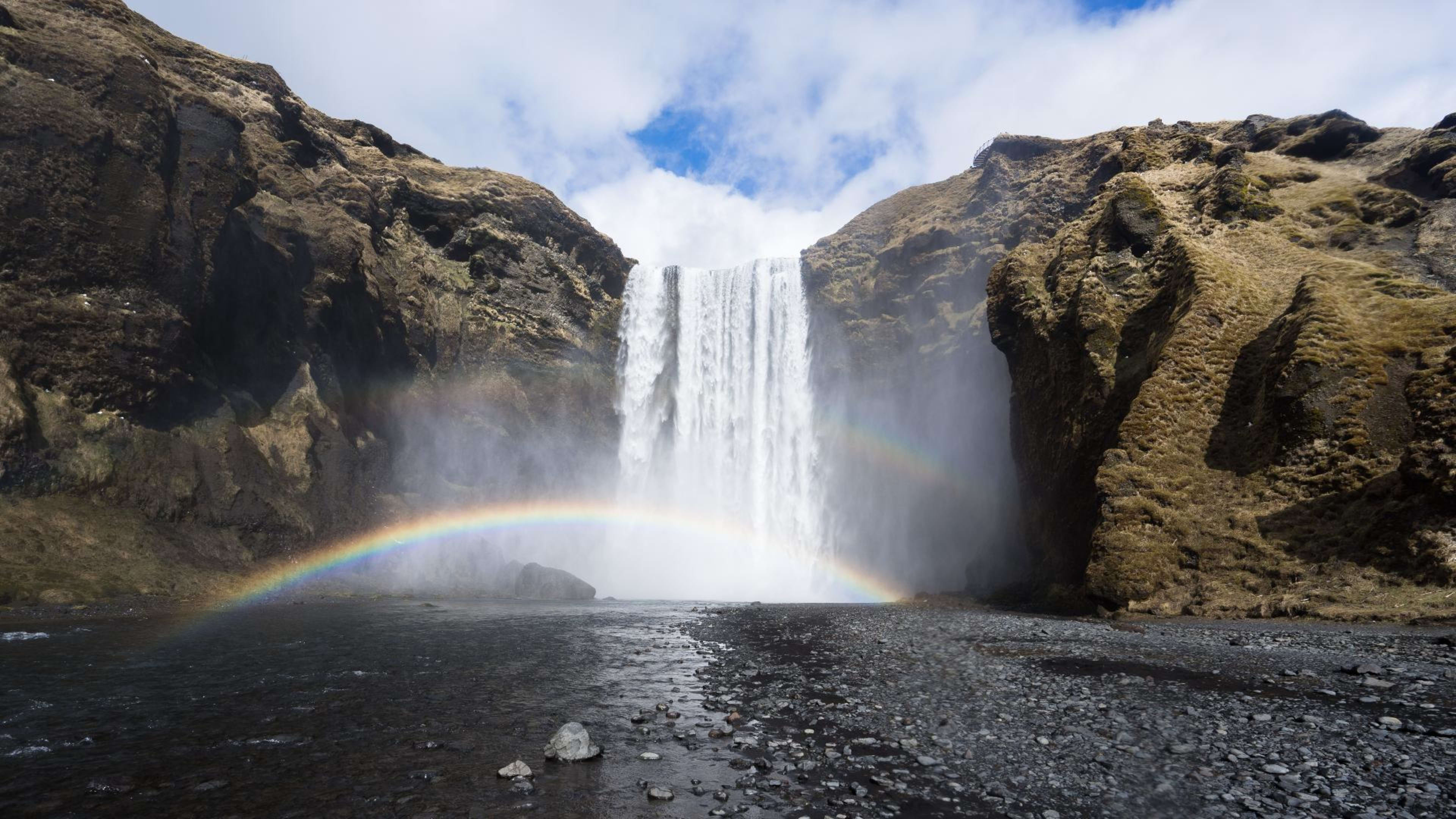
A rainbow over the Skógafoss waterfall on a sunny day

Skógafoss

Marvel at the beauty of one of Iceland’s most iconic waterfalls.

30 km (19 mi)

View
Elephant Rock cliff in the Westman Islands

Westman Islands

The Westman Islands, known in Icelandic as Vestmannaeyjar, are a group of fifteen volcanic islands off Iceland's south coast. Only one, Heimaey, is inhabited, with a population of around 4,000. The islands are known for their dramatic cliffs, the world's largest Atlantic puffin colony, and the 1973 eruption of Eldfell volcano, which buried part of the town and reshaped the harbour. The ferry crossing from Landeyjahöfn on the mainland takes 35 minutes.

30 km (19 mi)

View
Vik Church with Reynisdrangar sea stacks in the distance

Vík í Mýrdal

Discover Iceland’s wild south coast from this charming village.

61 km (38 mi)

View
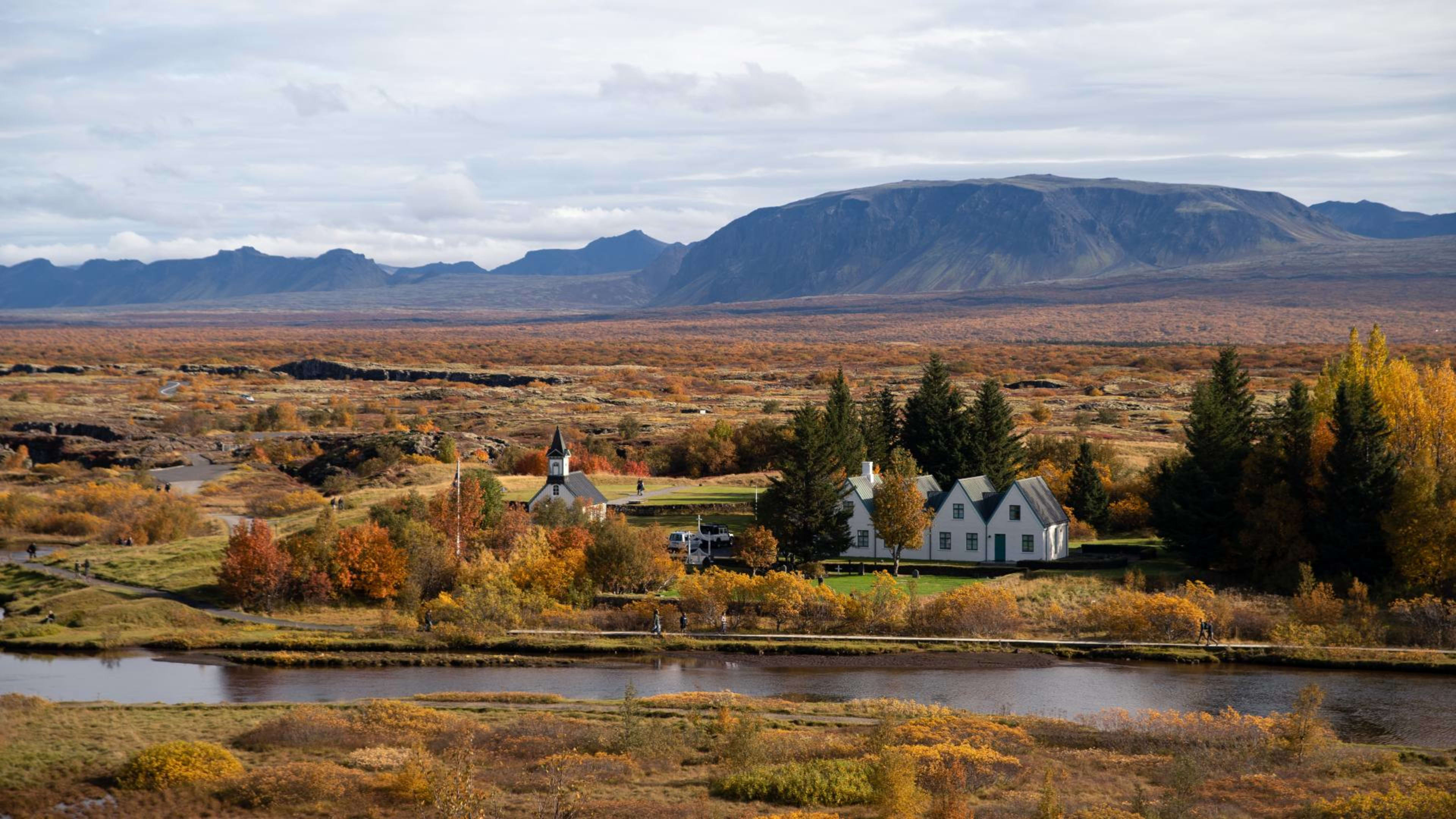
Þingvellir National Park, Iceland, in autumn colors

Þingvellir National Park

Step back in time and see Iceland’s natural and cultural history up close at this major historic site.

119 km (74 mi)

View

FAQs about Seljalandsfoss

Seljalandsfoss is pronounced SEL-ya-lands-foss in Icelandic. The name breaks into three parts: Selja-lands-foss, where "foss" simply means waterfall. Your tour guide or locals at the site will be happy to help if you want to hear it spoken.

The Seljalandsfoss waterfall is located on the river Seljalandsá in South Iceland. It sits below the Eyjafjallajökull glacier, which rose to global fame after the volcano below it erupted in 2010. You can easily spot both the waterfall and the glacier from the Ring Road.

You can drive to Seljalandsfoss in about 2 hours from Reykjavík. The waterfall is located just minutes from the Ring Road on road 249. You’ll find a dedicated parking lot at the site, where you can leave you car for a small charge.

Yes, from late spring through early autumn -- roughly May to October in most years -- a path leads all the way around and behind the waterfall. The path is uneven and the spray makes it wet underfoot, so waterproof footwear with a good grip is important. Expect to get partially wet from the mist even in dry weather. In winter the path is typically closed due to ice buildup on the rocks and icicles forming around the cliff edge.

You should never attempt to swim at Seljalandsfoss since the impact of the water is exceptionally strong and could put you at risk of severe injury. Another thing to keep in mind is that the Seljalandsfoss waterfall is glacier-fed, making the water extremely cold and unsuitable for swimming.

Visiting the Seljalandsfoss waterfall is free. However, you will have to pay a one-off parking fee for your day if you stay at the parking lot just moments from the waterfall. For that, you can stay for as long as you like, up to a full day.

Most visitors spend around an hour at the waterfall, including the walk behind the falls where the path is open. If you want to extend the visit, Gljúfrabúi is a second waterfall about two minutes' drive east that most visitors miss. It falls inside a narrow canyon and requires a short wade into the gorge to see it properly, but it is worth the detour if conditions allow.

Getting to Seljalandsfoss is very easy. Many people visit as part of planned day tours, but if you’re visiting on a private road trip, simply take road 1 until you see the junction for road 249 which leads to Þórsmörk. Then follow it briefly until you see the parking lot for the waterfall itself.

Yes, Seljalandsfoss is accessible year-round and looks quite different across the seasons. In summer the surrounding landscape is green and the long daylight hours allow visits at any time of day. In winter the spray freezes around the base and icicles form along the cliff edge. The path behind the falls is usually closed in winter due to ice, but the waterfall itself is always visible from the car park and surrounding area.

#icelandmyway

See what travelers like you have been up to lately on Instagram.