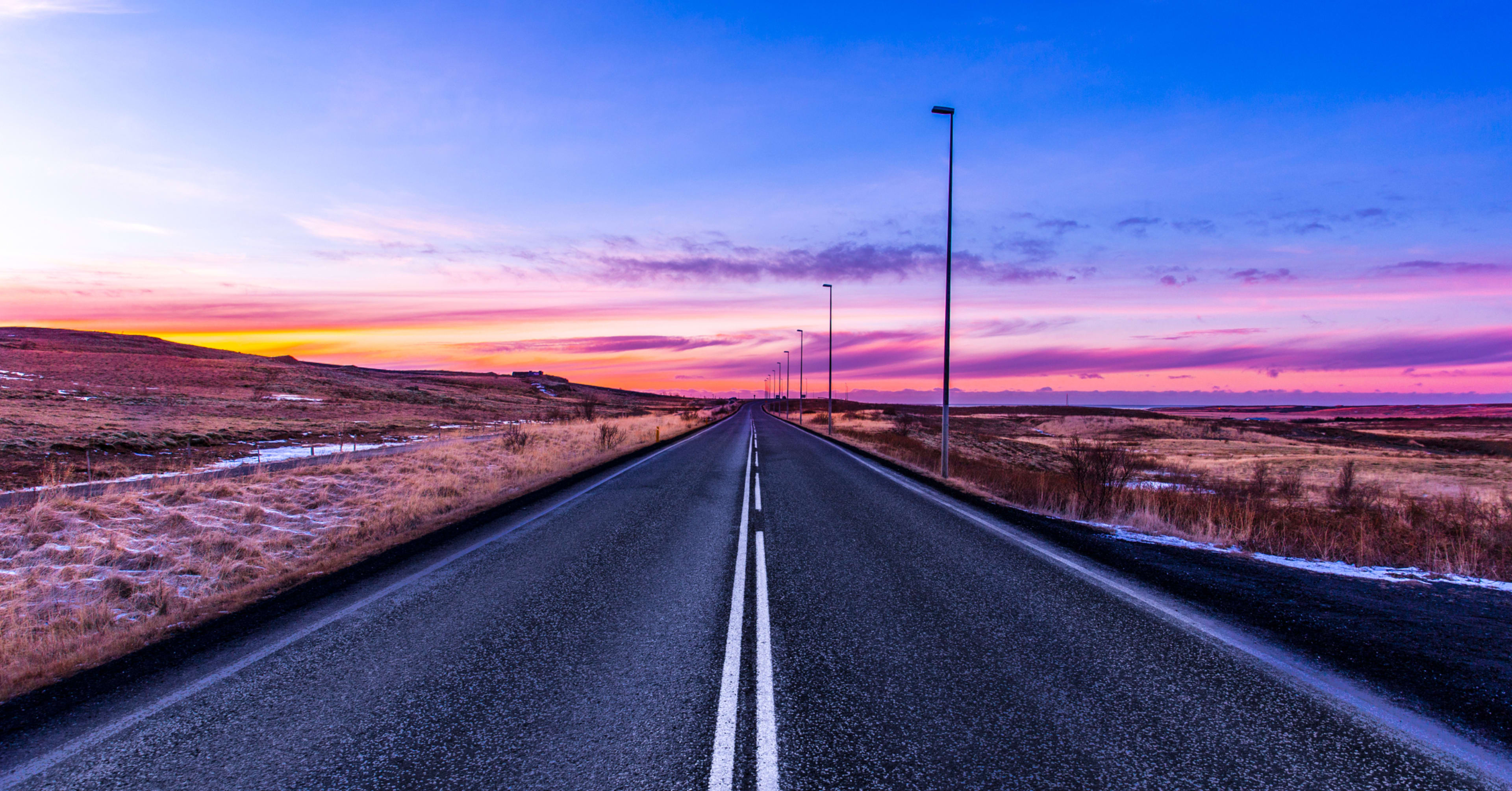
Iceland has good road infrastructure for its size, and getting between the main attractions is more straightforward than many visitors expect. Route 1, the Ring Road, is paved for most of its length and open year-round. Most of the country's major sites sit within a reasonable drive of it.
The main decision is how you want to travel: by rental car, on a guided tour, or based in Reykjavík with day trips. Each suits a different kind of trip and a different level of comfort with independent driving.
- Kickstart your adventure with a Ring Road tour of Iceland
Frequently asked questions about getting around Iceland
In this guide, we’ll answer the most common questions travelers ask about getting around Iceland. We’ll walk you through your transport choices, share insider tips, and help you decide how to make the most of your time in the Land of Fire and Ice.
Is it hard to get around in Iceland?
For most of the year and most of the country, no. The Ring Road is well maintained, well signposted, and straightforward to navigate. Ferries, tunnels, and domestic flights cover the gaps where the road doesn't reach.
Between October and March, conditions change. Storms, ice, and short daylight hours require more careful planning. Check road conditions on road.is before each drive day, allow extra time between stops, and download offline maps before you set out. If you book through Iceland Tours, we monitor conditions and can help adjust your itinerary if a route closes.

Can you get around Iceland without a car?
Yes. Iceland has no rail network, but there are several alternatives.
The public bus network, Strætó, connects towns and villages along Route 1. In summer the service is fairly reliable. In winter, schedules thin out beyond Reykjavík, so check the Strætó app and build in extra time if travelling outside the peak season. A one-way fare from Reykjavík to Selfoss costs around 2,200 ISK.
Guided tours are another practical option. Day tours and multi-day circuits depart from Reykjavík and cover the main sites including the Golden Circle, south coast, and glacier lagoons. These are particularly useful in winter when driving conditions are less predictable.
For longer distances, domestic flights connect Reykjavík to Akureyri, Egilsstaðir, and Ísafjörður, cutting several hours off the drive. Flights can be disrupted by weather, so a flexible ticket is worth considering.
Private tours are also available, with a driver-guide handling navigation and logistics while you focus on the journey.
- Related: Explore the Land of Fire and Ice with ease on an Iceland bus tour—everything’s organized for you, so you can kick back and focus on the spectacular sights while your knowledgeable driver-guide leads the way.

How do tourists get around Iceland?
The most common approach is renting a car and self-driving. Route 1 is paved, easy to navigate, and open year-round, which makes it practical for independent travel. The Ring Road connects most of the country's major sites in a single circuit.
For those who prefer not to drive, guided tours covering the main routes depart from Reykjavík daily. These range from single-day excursions to full Ring Road circuits, and are a practical choice in winter when road conditions require more experience.
Some visitors combine both: driving independently in summer and joining guided tours for specific activities such as glacier hikes or ice caves where a local guide is required anyway.
How do you get around in Reykjavík?
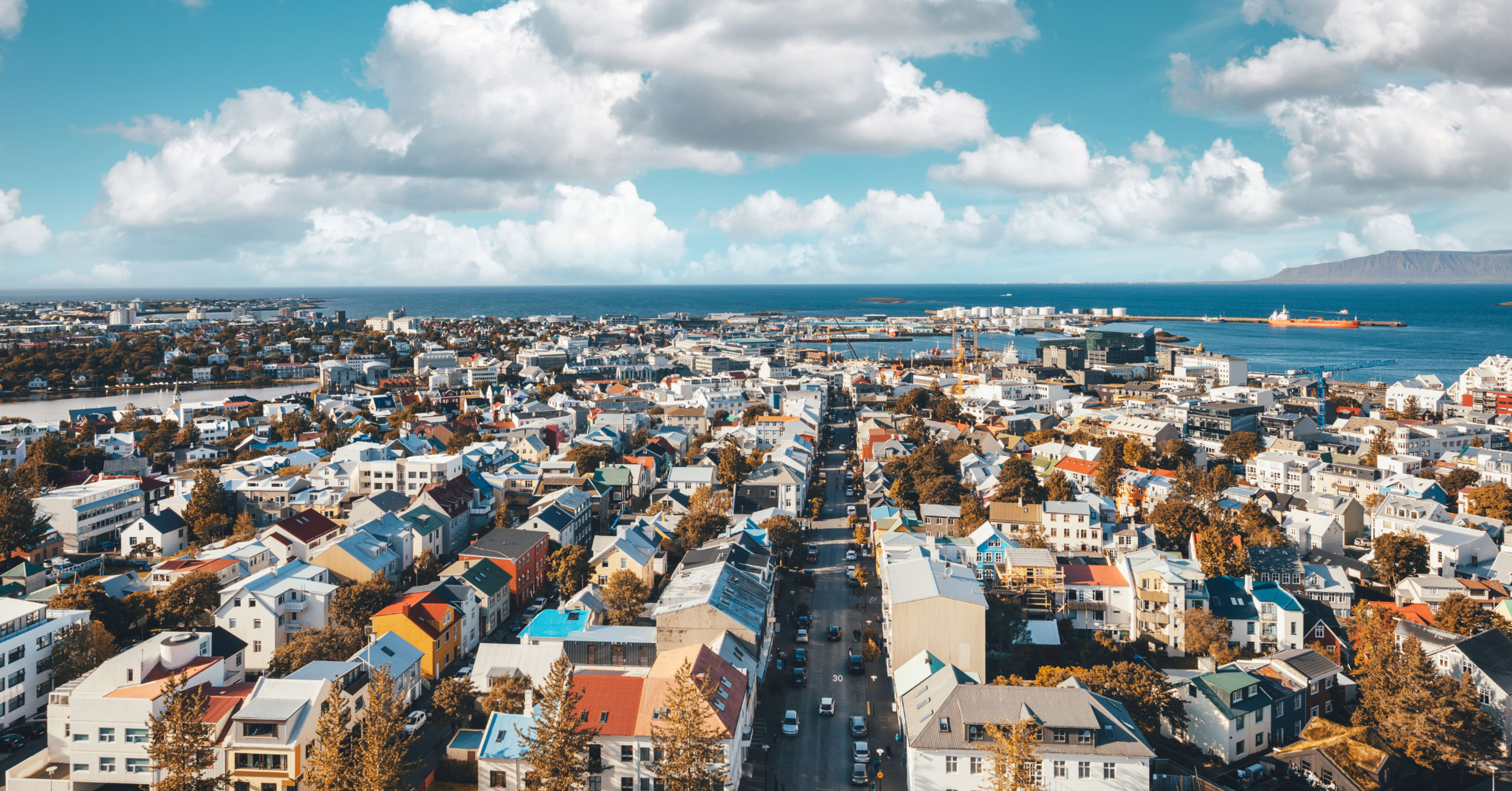
Reykjavík is a compact city and the centre is easy to cover on foot. Most of the main landmarks, restaurants, and museums are within walking distance of each other.
City buses run by Strætó connect the centre with surrounding neighbourhoods and suburbs. The main bus terminal is at Vatnsmýrarvegur. Electric scooters and bike rentals are available in summer for shorter trips across the city.
Taxis are available and can be booked through local apps such as Hreyfill. They are more expensive than the bus, particularly for longer journeys. For travel between the city centre and Keflavík International Airport, shuttle services such as Flybus are the most practical option and considerably cheaper than a taxi. Book in advance during busy travel periods.
Are there Ubers in Iceland?
Uber does not operate in Iceland. Taxis are the main on-demand option, particularly in Reykjavík. They can be found at taxi ranks near hotels and central areas, or booked through local apps such as Hreyfill.
Taxis in Iceland are relatively expensive. A journey from central Reykjavík to Keflavík International Airport can cost over 20,000 ISK. For airport transfers, shuttle bus services offer much better value. For travel beyond the capital, guided day tours or multi-day packages are a more practical and cost-effective option than taxis.
These are the 4 best ways to get around Iceland
You’ve come to the right place if you want to figure out how best to explore Iceland—whether you’re dreaming of a flexible road trip or prefer to let someone else handle the logistics. Below you’ll find four of the most popular and practical ways to get around, especially if you’re planning to follow the iconic Ring Road or venture off it a little.
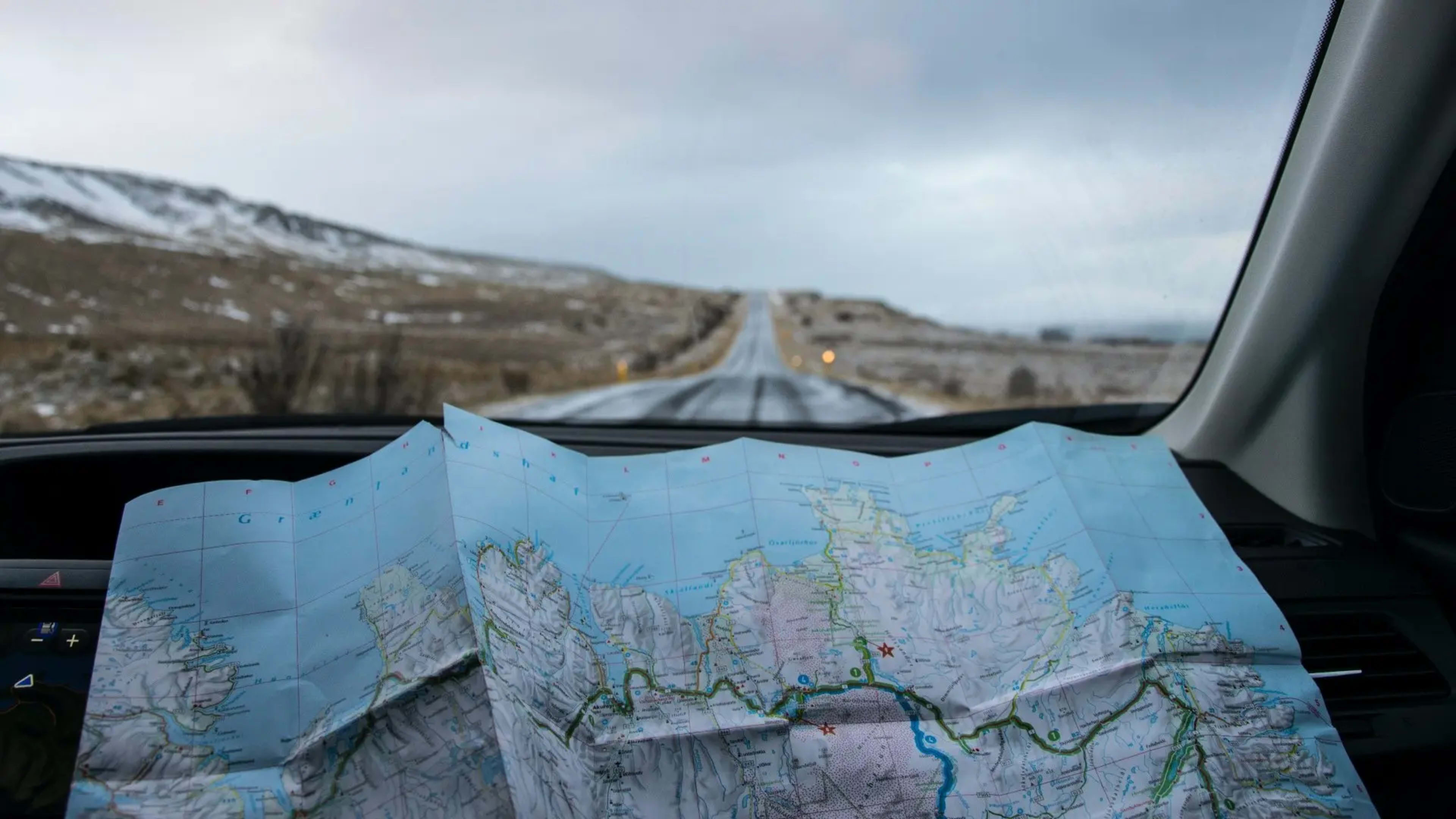
1. Self-drive tours
Self-drive is the most flexible way to travel in Iceland. You set the pace, choose where to stop, and can adjust the route as you go. It suits travellers who are comfortable driving independently and want the freedom to explore at their own speed.
A few practical points worth knowing:
Speed limits are strictly enforced. The national limit on paved rural roads is 90 km/h and speed cameras are common throughout the country.
Winter driving requires more preparation. Ice, wind, and reduced visibility are all possible between October and March. Most rental cars come with studded winter tyres during this period, but experience with winter conditions is an advantage.
Fuel stations can be widely spaced in remote areas. Keep the tank reasonably full, particularly on the stretch between Höfn and Egilsstaðir in the east.
Booking a self-drive package through Iceland Tours includes pre-arranged accommodation, car rental, and a day-by-day itinerary. You drive independently but the planning is done for you.
2. Guided small group tours
Guided group tours suit travellers who want to see the country without the responsibility of driving or planning each day. A local guide handles navigation, provides context at each stop, and manages logistics throughout the trip.
Group sizes vary. Smaller groups of around 12 to 16 people tend to allow more flexibility at each stop. Tours cover the main routes including the Ring Road, south coast, and Golden Circle, and are available in both summer and winter.
This option works well for solo travellers, those unfamiliar with driving in Iceland, and anyone who wants the knowledge of a local guide built into the experience.

3. Privately guided tours
A privately guided tour pairs you with a dedicated driver-guide for the duration of your trip. The itinerary can be shaped around your interests, and you travel independently of any group.
This is a practical option for families, couples, or small groups who want the flexibility of a self-drive experience with the local knowledge and navigation handled by someone else. It also works well for travellers with specific interests such as photography, geology, or birdwatching, where a guide with relevant knowledge adds value to each stop.

4. Multi-day tours
Multi-day tours are based in Reykjavík, with a different guided day trip departing each morning. This format suits travellers who prefer to stay in one place rather than moving accommodation every night.
A typical itinerary might combine the Golden Circle on one day with the south coast the next, adding glacier hikes, lava tube walks, or Silfra snorkelling as optional extras. In winter, Northern Lights tours are available in the evenings when conditions allow.
This option removes the need for a rental car entirely and works well for shorter trips where the main priority is covering the key sites without the logistics of a full road trip.
- Related: Why visit Iceland now?
Explore the Land of Fire and Ice with Iceland Tours
Iceland Tours offers self-drive packages, guided group tours, privately guided trips, and multi-day itineraries from Reykjavík. All can be booked with a 5% deposit, with accommodation, transport, and itinerary included. Optional extras and additional nights can be added at checkout.
Browse our vacation packages to find the right fit for your trip.
FAQs about getting around Iceland
These are the most common questions about transport and travel options in Iceland.
For most of the country and most of the year, no. Route 1, the Ring Road, is paved, well signposted, and open year-round. Between October and March, storms and ice require more careful planning. Check road.is before each drive day and allow extra time between stops in winter.
Yes. The public bus network Strætó connects towns along Route 1, though schedules thin out beyond Reykjavík in winter. Guided tours depart from Reykjavík daily and cover the main sites. Domestic flights connect Reykjavík to Akureyri, Egilsstaðir, and Ísafjörður for longer distances.
The most common approach is renting a car and self-driving the Ring Road. Guided tours are the main alternative, ranging from single-day excursions to full Ring Road circuits. Some visitors combine both, driving independently and joining guided tours for specific activities such as glacier hikes or ice caves.
The city centre is compact and easy to cover on foot. City buses run by Strætó connect central areas with surrounding neighbourhoods. Taxis are available through local apps such as Hreyfill. For travel to and from Keflavík International Airport, shuttle services such as Flybus are the most practical option.
No. Uber does not operate in Iceland. Taxis booked through local apps such as Hreyfill are the main on-demand option. For airport transfers, shuttle bus services offer considerably better value than taxis. For travel beyond Reykjavík, guided tours or self-drive packages are more practical than taxis.