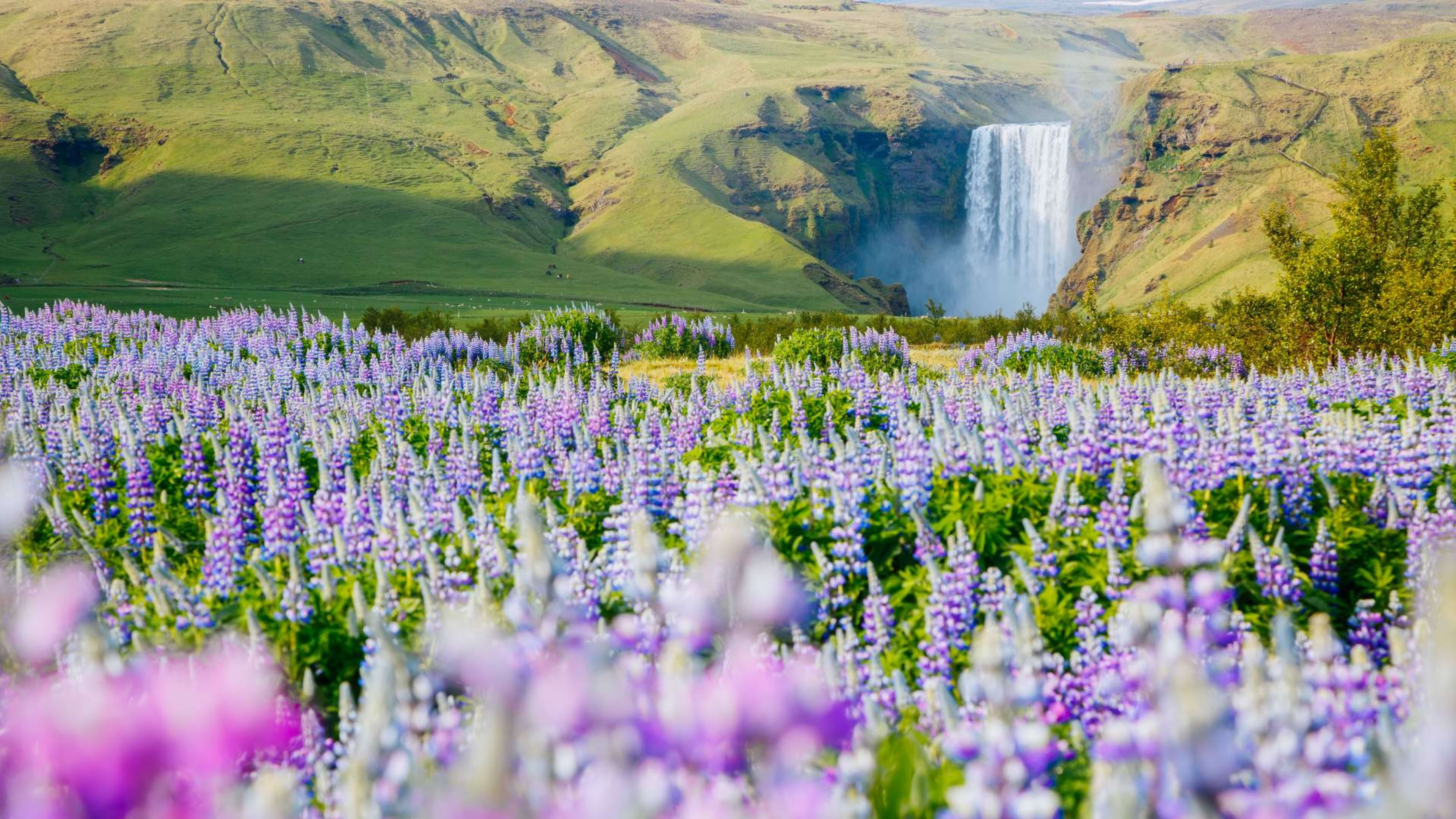
Iceland is one of those places that surprises you at every turn. Lava fields stretch for kilometers, glaciers spill into lagoons, and waterfalls drop from cliffs with enough force to soak you from 10 m (33 ft) away. A 7-day Iceland itinerary summer trip gives you time to see the Golden Circle, South Coast, glacier lagoon, and hot springs without feeling rushed.
The question most travelers face is how to structure the week. Self-planning works, but booking accommodation and transport across changing weather adds up quickly. Guided tours in Iceland handle all of that before you arrive. Your time on the ground goes toward experiencing Iceland, not managing logistics.
What to Expect When Visiting Iceland in Summer
Summer in Iceland runs from June through August and is one of the best times to visit, thanks to long daylight hours and accessible roads. July temperatures average around 55°F (13°C), and daylight stretches past 11 pm near the solstice. Highland roads also reopen after winter closures, making interior routes accessible again.
The long daylight hours and open roads during the summer months make this season a solid pick for hiking, road trips, and outdoor adventures. Wildlife is also a big draw this time of year. Puffins nest along the coast from May through August, and whale watching tours run daily from Reykjavik. Guided day tours and multi-day packages run at full schedules, with more departure times and route options than in other seasons.
That said, every season in Iceland has something worth showing up for. Winter brings the northern lights and ice caves. Spring and autumn offer fewer crowds and lower prices. Summer is simply when the highland roads open up and the midnight sun keeps the sky bright for nearly 24 hours.
Your 7 Day Iceland Ring Road Itinerary at a Glance
Below is a day-by-day summary of this 7-day Ring Road small group itinerary. Review it for a quick snapshot before exploring the full details below.
Day 1: Welcome to Reykjavík
Hallgrímskirkja, Laugavegur street, city explore
Day 2: The Golden Circle and south coast
Þingvellir, Geysir, Gullfoss, Seljalandsfoss, Skógafoss
Day 3: Jökulsárlón glacier lagoon and Diamond Beach
Jökulsárlón, Diamond Beach, Skaftafell
Day 4: Dettifoss and Lake Mývatn
Dettifoss, Lake Mývatn, Dimmuborgir
Day 5: Volcanic landscapes and Akureyri
Godafoss, Akureyri city walk
Day 6: Hot springs and waterfalls
Hraunfossar, Barnafoss, Forest Lagoon
Day 7: Goodbye
Iceland Departure
Day-by-Day Iceland Ring Road Summer Itinerary
This 7-day journey takes you through Iceland's top regions, including the Golden Circle and South Coast, in a scenic route around the Ring Road. With transport, accommodation, and planning handled for you, you can spend more time exploring and less time stressing over logistics.
Day 1: Arrive in Reykjavik and explore the city
Most flights into Iceland land at Keflavik International Airport, about 50 km (31 miles) from Reykjavik. A driver meets you at the airport and transfers you to your hotel. From there, the rest of the day is yours to explore the top things to do in Reykjavik on foot.
Laugavegur is the city's main pedestrian street, lined with shops, galleries, and restaurants. A short walk from there leads to Harpa Concert Hall on the waterfront and Hallgrimskirkja church, whose tower gives wide views over the city and the surrounding lava fields. The National Museum of Iceland and the Settlement Exhibition are worth adding if time allows.
For early arrivals, a whale watching tour from the Old Harbor is a good use of the afternoon. The Sky Lagoon geothermal spa and FlyOver Iceland are also solid options before dinner.
Day 2: The Golden Circle and South Coast
Your guide picks you up from your hotel by minibus. The first stop is Thingvellir National Park, a UNESCO World Heritage Site where the North American and Eurasian tectonic plates visibly pull apart. This rift valley also served as Iceland's ancient parliament grounds, established in 930 AD.
The route continues to the Geysir Geothermal Area, where Strokkur shoots boiling water as high as 30 m (98 ft) every five to 10 minutes. Smaller hot springs and steaming vents stay active across the surrounding ground. Gullfoss follows, where the glacial Hvita river drops in two tiers into a rugged canyon, with rainbows forming in the spray on clear days.
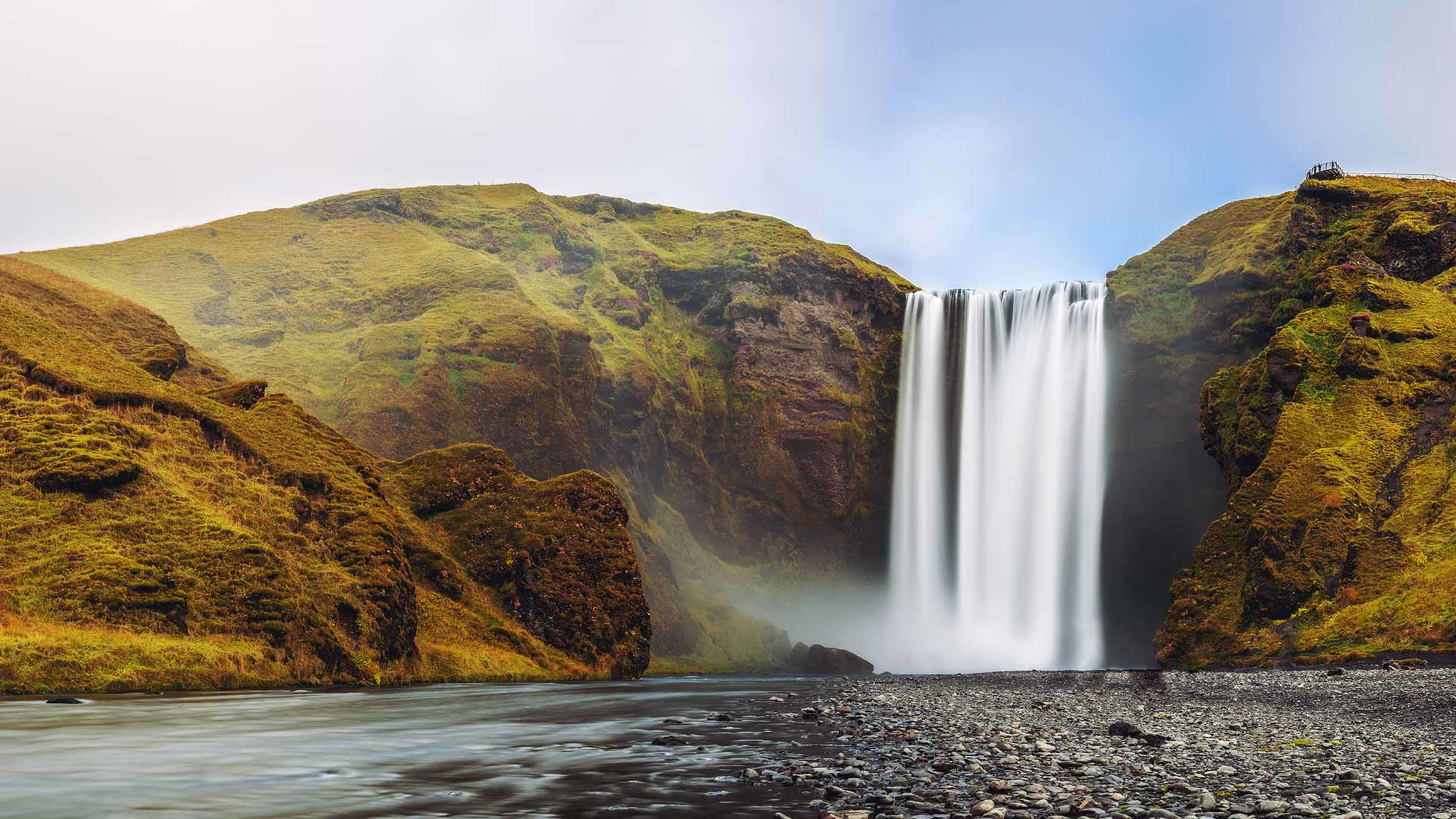
The afternoon runs along the South Coast. Seljalandsfoss has a narrow path behind its 60 m (197 ft) cascade, and nearby Skogafoss draws attention for its perfect rectangular shape. Viking legend says settler Thrasi Thorolfsson hid treasure behind the falls.
The day ends at Reynisfjara black sand beach before the group heads to Vik for an included dinner and overnight stay. Short on time? A 4-day Iceland tour from Reykjavik covers the Golden Circle and South Coast in a tighter schedule.
Day 3: Jokulsarlon Glacier Lagoon and Diamond Beach
The drive east begins at Skaftafell Nature Reserve, part of Vatnajokull National Park. Birch woodlands and glacial tongues from Iceland's largest ice cap sit side by side here. The trails are worth a short walk before continuing east.
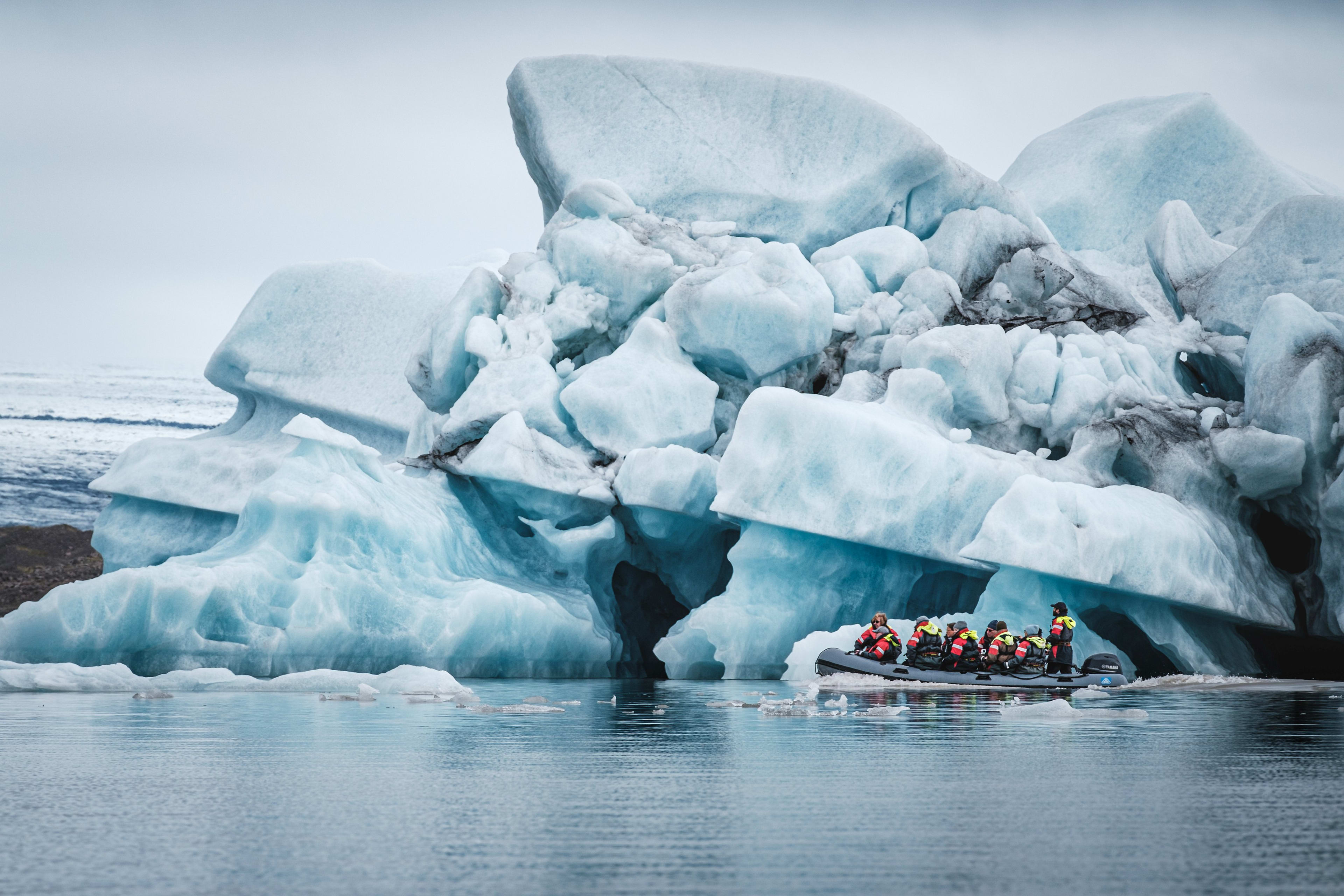
Jokulsarlon Glacier Lagoon is where icebergs break off Breidamerkurjokull glacier and drift across water reaching 180 m (591 ft) deep. The ice shifts between pale white and deep blue depending on the light. A guided amphibious boat brings you within arm's reach of the formations.
Diamond Beach sits directly across the road, where ice chunks from the lagoon wash up onto black volcanic sand. The contrast between clear ice and dark sand is sharpest in the long evening light of summer. A local spot along the road sells homemade ice cream before you leave.
The day ends in Hofn, a small fishing town known for its langoustine. Dinner with your group is included at your hotel.
Day 4: Dettifoss and Lake Myvatn
The drive follows Iceland's east coast through the Eastfjords, passing steep fjords, small fishing villages, and open mountain slopes. Reindeer occasionally graze on the hillsides, the only wild land mammals in Iceland, brought over in the 18th century.
In North Iceland, Dettifoss is Europe's most powerful waterfall. Glacial meltwater from Vatnajokull drops 45 m (148 ft) into Jokulsargljufur canyon, with spray visible from several kilometers away.
Lake Myvatn sits ringed by lava formations, mud pools, and steaming vents. The lake attracts large numbers of birds during the summer months. Dinner is included at your accommodation in the Myvatn area.
Want to see this region in winter? The 9-day Iceland Winter Guided Group tour covers Dettifoss and Lake Myvatn, with northern lights viewing included.
Day 5: Volcanic landscapes and Akureyri
The group leaves Lake Myvatn and heads west to Namaskarð pass, where mud pools and fumaroles release sulfuric steam in shades of orange, yellow, and white. The ground here stays active year-round, making it one of the most visually distinct geothermal areas in North Iceland.
Dimmuborgir follows, a field of lava towers and hollow caves that formed roughly 2,000 years ago as a shallow lava lake drained and hardened unevenly. Icelandic folklore links this landscape to trolls and hidden people. Marked paths run between the formations and are easy to walk without a guide.
Godafoss sits along the route before Akureyri, a horseshoe-shaped waterfall whose name means Waterfall of the Gods. In the year 1000, when Iceland adopted Christianity, the local lawspeaker threw his pagan idols into these falls as a public declaration of the new faith.
Free time in Akureyri covers the town center, local shops, and cafes overlooking Eyjafjordur fjord. The Forest Lagoon geothermal baths sit just outside town and are worth adding before the drive to Skagafjordur. Check the full list of things to do in Akureyri before you go. Dinner is included at your accommodation.
Day 6: Hot springs and waterfalls
The route back to Reykjavik stops first at Deildartunguhver, Europe's most powerful hot spring. It pushes out 180 liters (48 gallons) of boiling water per second, piped to towns up to 64 km (40 miles) away for heating homes and greenhouses.
Hraunfossar and Barnafoss follow. Hraunfossar seeps out of the Hallmundarhraun lava field through dozens of small channels into the Hvita river. Barnafoss sits right beside it, pushing through a narrow rocky gorge with considerably more force. Back in Reykjavik, the evening is yours to explore the city's restaurants or soak in a local geothermal pool.
Day 7: Departure day
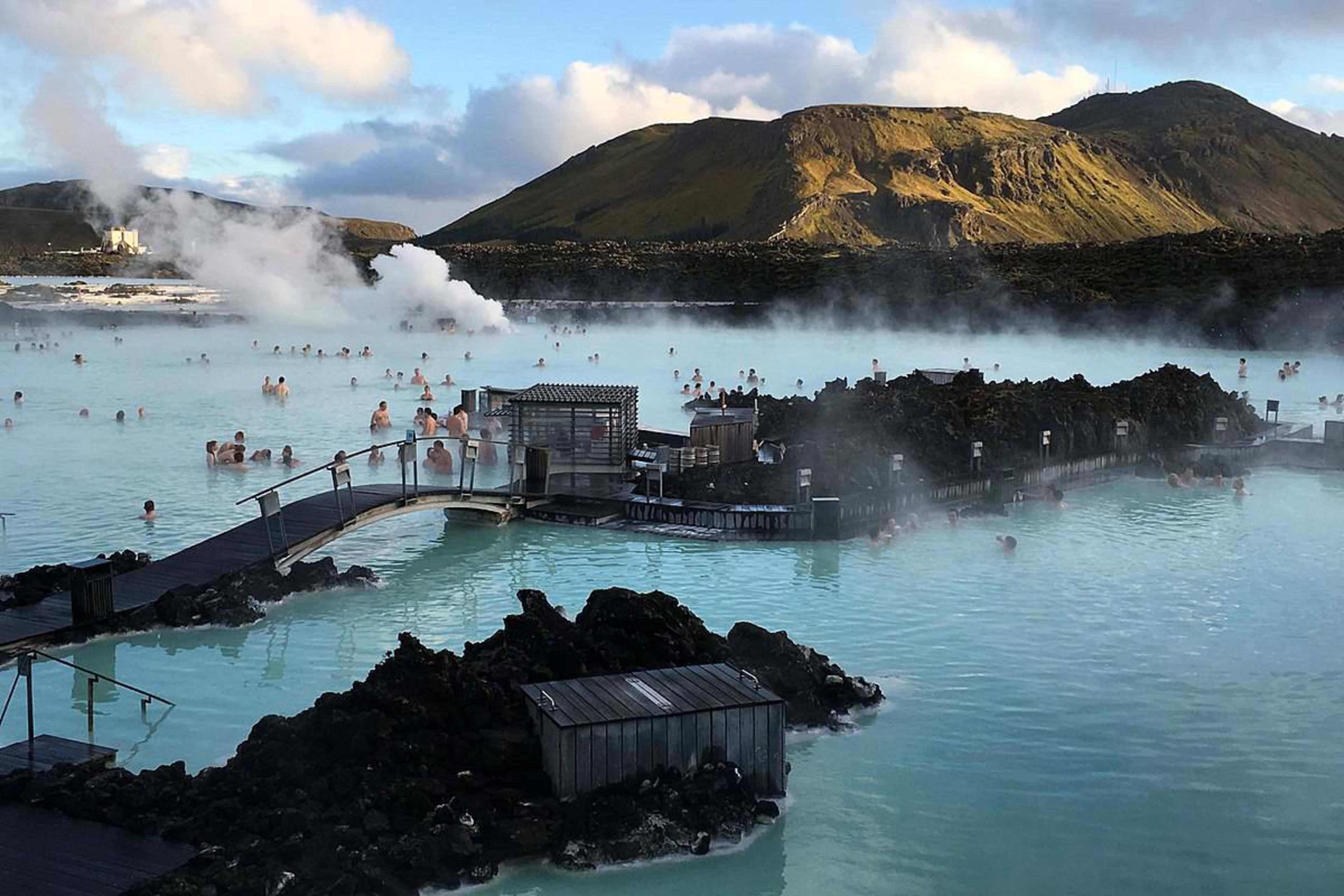
A shuttle bus covers the 50 km (31 miles) to Keflavik International Airport. Plan to leave at least three hours before your flight. For afternoon departures, the Blue Lagoon on the Reykjanes Peninsula sits just 20 km (12 miles) from the airport.
Entry starts at ISK 9,990 (USD 72) and covers towels and mud masks. Summer slots sell out fast, so book two to three weeks ahead and confirm whether your Blue Lagoon tour package covers the airport transfer. This route runs from Thingvellir through Dettifoss and the glacier lagoon in a single loop.
What to Pack for a 7-Day Iceland Summer Trip
Iceland's weather can shift from sun to rain to wind within an hour. Packing the right layers is essential for staying comfortable every single day, regardless of the morning forecast.
- Waterproof outer jacket and waterproof pants (umbrellas are ineffective in the wind).
- Moisture-wicking base layers and a warm mid-layer fleece.
- Sturdy, waterproof hiking boots with good ankle support.
- A swimsuit for geothermal pools and the Blue Lagoon.
- Sunglasses and sunscreen (the midnight sun is stronger than it looks).
- A hat and gloves for windy coastal areas and boat tours.
- A reusable water bottle (Iceland’s tap water is world-class and safe to drink).
- A camera with a spare battery (cool air drains power faster than expected).
Should You Rent a Car in Iceland?
Renting a car in Iceland offers flexibility, but it requires early planning and a significant budget. Fuel averages around ISK 300 ($2.20) per liter, and parking at major sites like Reynisfjara now requires a fee. Because summer is peak season, you must book rental cars and hotels months in advance to secure availability.
Guided tours cover transport, routing, and weather-related changes without extra cost or effort. For a 7-day Iceland itinerary summer trip, a multi-day guided package often costs close to a self-drive trip once fuel, insurance, and accommodation in Iceland are added up. The main difference is that you spend the day looking at Iceland instead of managing it.
Travel Tips for Iceland in Summer
A summer trip to Iceland runs smoothly when you know what to expect. Here are the most useful things to sort out before you go.
1. Budget Wisely for Food
Iceland is an expensive destination. Budget at least ISK 3,000 to 5,000 ($22 to $36) for a casual lunch. To save money, buy snacks and sandwich supplies at local grocery stores (like Bónus or Krónan) in Reykjavik before heading out into the countryside.
2. Respect the Fragile Landscape
Iceland’s ecosystem is delicate. Never walk on moss-covered lava fields; it can take decades for the moss to recover from a single footprint. Stay on marked trails at all times and follow all posted safety signs at glaciers and waterfalls.
3. Secure Your Lagoon Time
If you plan to visit the Blue Lagoon or Sky Lagoon, book your time slot at least 2–3 weeks before arrival. Even with the 24-hour daylight of the midnight sun, the most popular afternoon slots sell out completely in July and August.
Popular Activities Around the Golden Circle
The Golden Circle region offers more than just the three main stops. These activities can be added to a guided day tour or booked as separate experiences:
- Snorkeling in Silfra: The fissure between tectonic plates at Thingvellir offers some of the clearest underwater visibility on Earth, reaching up to 100 m (328 ft).
- Snowmobiling: Year-round snowmobile tours run on the Langjokull glacier, a short detour north of the Golden Circle route.
- Horseback riding: Icelandic horse farms near Thingvellir offer trail rides across lava fields and open countryside.
- Geothermal experiences: The Secret Lagoon in Fludir and Fontana Geothermal Baths in Laugarvatn both sit directly on the Golden Circle route
Iceland in Summer Is Worth Every Plan You Make
A well-planned 7-day Iceland itinerary in the summer gives you access to the country's best landscapes without the stress of figuring it all out on your own. The Golden Circle, South Coast, glacier lagoon, and Reykjavik cover the most memorable experiences Iceland has to offer in summer.
Booking guided tours for most of your days means your focus stays on the scenery. Browse our summer tours and vacation packages in Iceland to find the right fit. Whether you prefer day trips from Reykjavik or a full multi-day guided experience, there is an option for every travel style.
FAQs about 7-day Iceland summer itineraries
July is the most popular month, offering the longest daylight hours, warmest temperatures, and the widest selection of guided tours and outdoor activities.
Seven days comfortably cover Iceland's main highlights. More time allows you to explore the Westfjords or East Iceland, which are harder to reach in a short trip.
No. Iceland's midnight sun keeps the sky too bright for aurora displays between May and August. The best window for northern lights is from late September through March.
Iceland is one of the pricier destinations in Europe. Budget roughly $3,500 to $6,000 per person for a week, covering flights, accommodation, meals, and guided tours.
Bring waterproof layers, a warm fleece, and sturdy hiking boots for changing weather. A swimsuit for geothermal pools, sunscreen, and an eye mask for sleeping through the midnight sun are also worth packing.
Not necessarily. Guided day tours and multi-day packages cover Iceland's top attractions from Reykjavik without requiring a rental car, and often work out similarly in total cost.
The Golden Circle, South Coast, Snaefellsnes Peninsula, and whale watching tours are among the most popular day trips from Reykjavik, all available as guided excursions.