

Your Guide to Hallgrímskirkja: Reykjavík’s Iconic Church and Viewpoint
In the center of downtown Reykjavík stands Hallgrímskirkja, a church that looks as though it was carved from Iceland’s raw landscape. Its soaring tower rises like a column of basalt, guiding travelers through the city and drawing the eye toward the sky. Step inside, and you’ll find calm light, the sound of a mighty pipe organ, and a tower that offers one of the best views in Reykjavík.
Ready to discover Reykjavík’s most iconic landmark? Let’s begin.
Tip: Experience it at your own pace by booking self-drive tours in Iceland!
Why Hallgrímskirkja Is Reykjavík’s Most Iconic Landmark
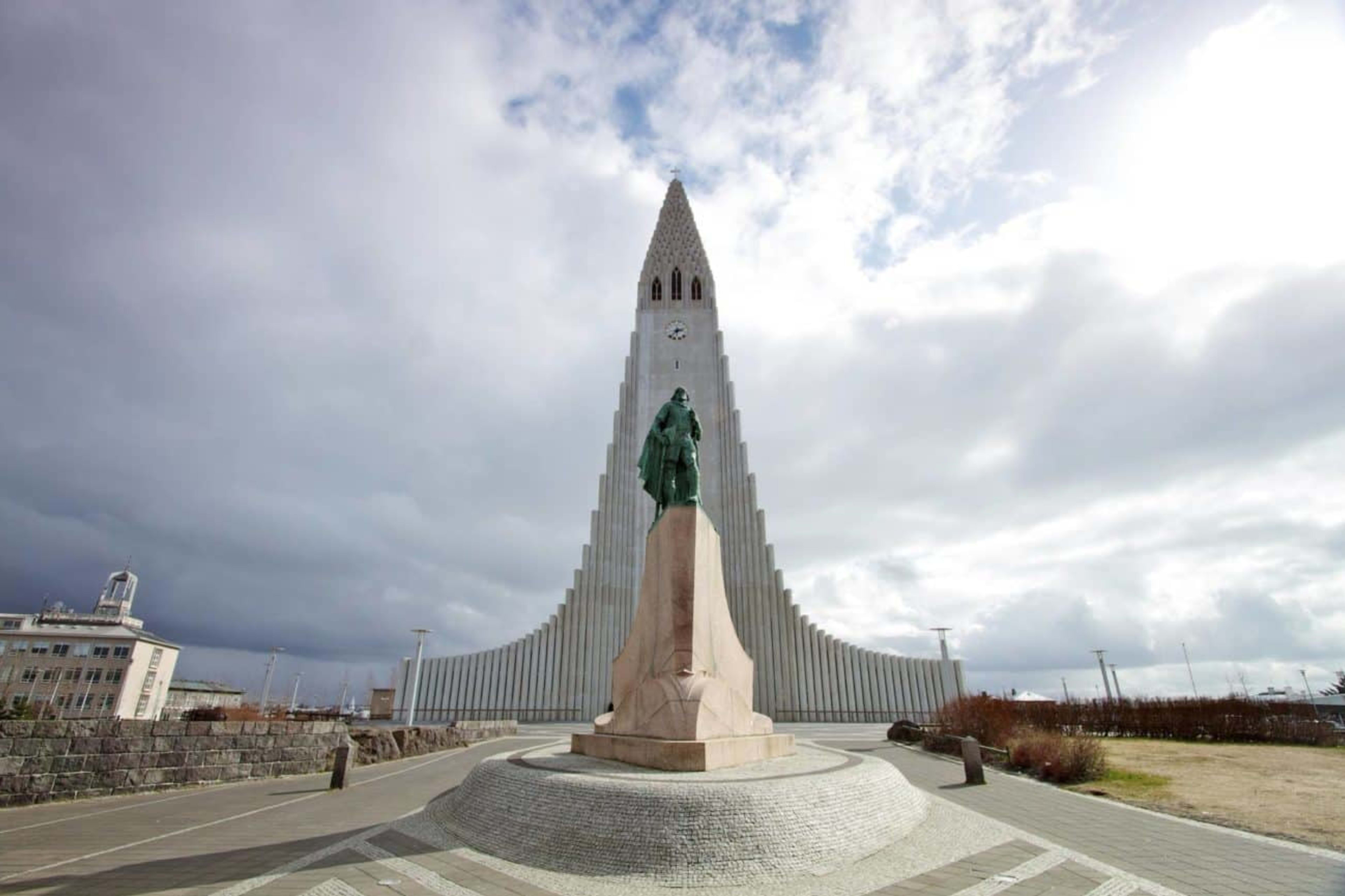
Wherever you stand in Reykjavík, you’ll likely see Hallgrímskirkja’s 74.5 m (244 ft) spire. It is the largest church in Iceland and the defining feature of the city skyline. Beyond its size, it has become a cultural symbol, appearing on postcards, guidebooks, and souvenirs as shorthand for the capital.
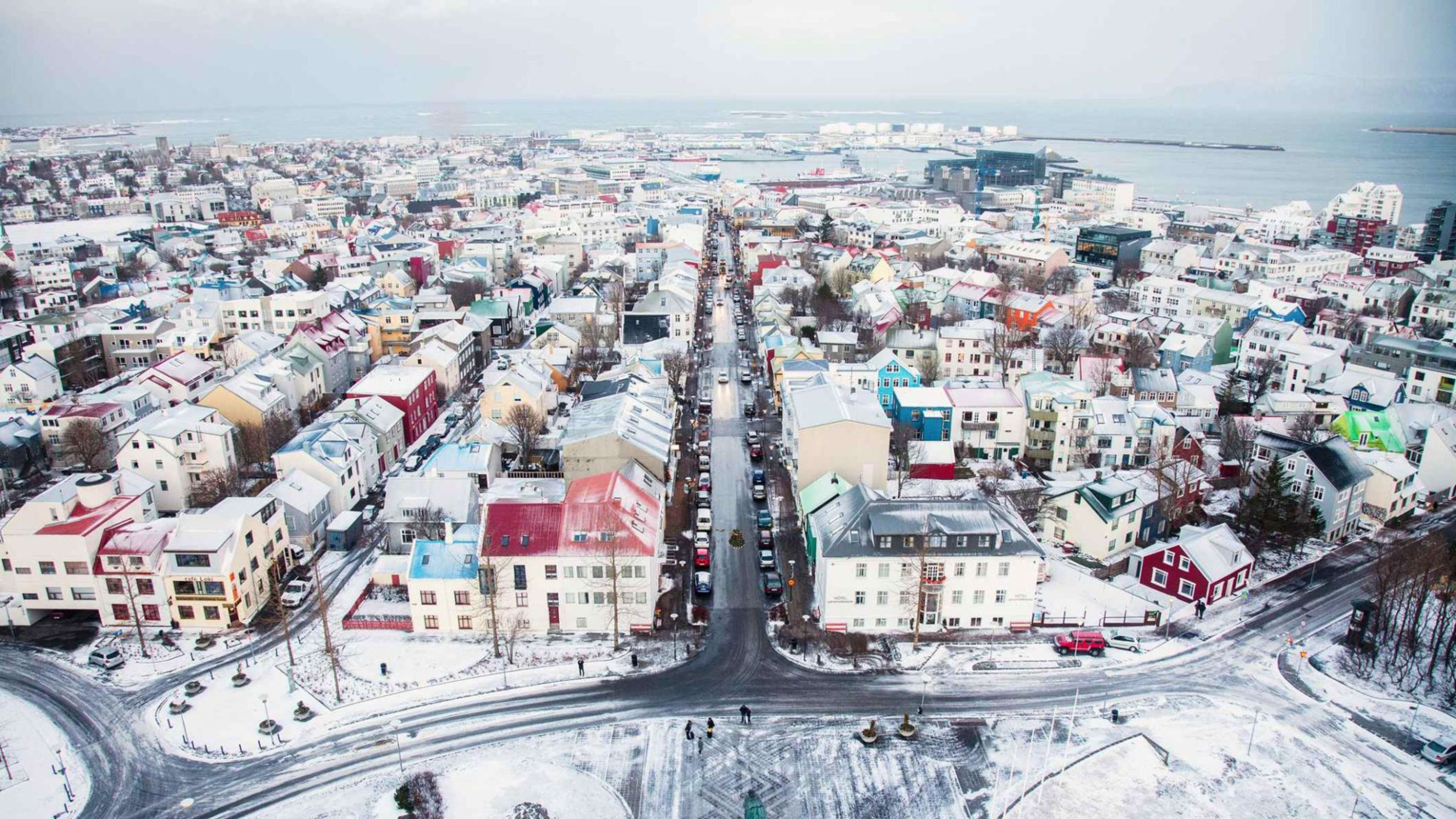
Locals use it as a meeting point, travelers orient themselves by it, and photographers seek it out as the ultimate backdrop to Reykjavík’s colorful houses. Few buildings capture the spirit of the city like Hallgrímskirkja.
History and Design of Hallgrímskirkja
Plans for Hallgrímskirkja began in the 1930s, when Reykjavík wanted a church that reflected Iceland’s identity. The design became more ambitious when it was decided that the spire should outshine Landakotskirkja, the city’s Catholic cathedral.
The project was led by Guðjón Samúelsson, Iceland’s first formally trained architect. With Hallgrímskirkja, he envisioned a structure inspired by Icelandic landscapes rather than European traditions.
Samúelsson died in 1950, leaving his design to be completed by Hörður Bjarnason and Garðar Halldórsson. Construction began in 1945; the crypt was consecrated in 1948, the steeple and wings were finished in 1974, and the church was consecrated in 1986 after more than forty years.
It was named after Hallgrímur Pétursson, the 17th-century poet and clergyman famed for his Passion Hymns. Today, it stands as both a place of worship and a national monument.
The Architecture: Inspiration from Icelandic Nature
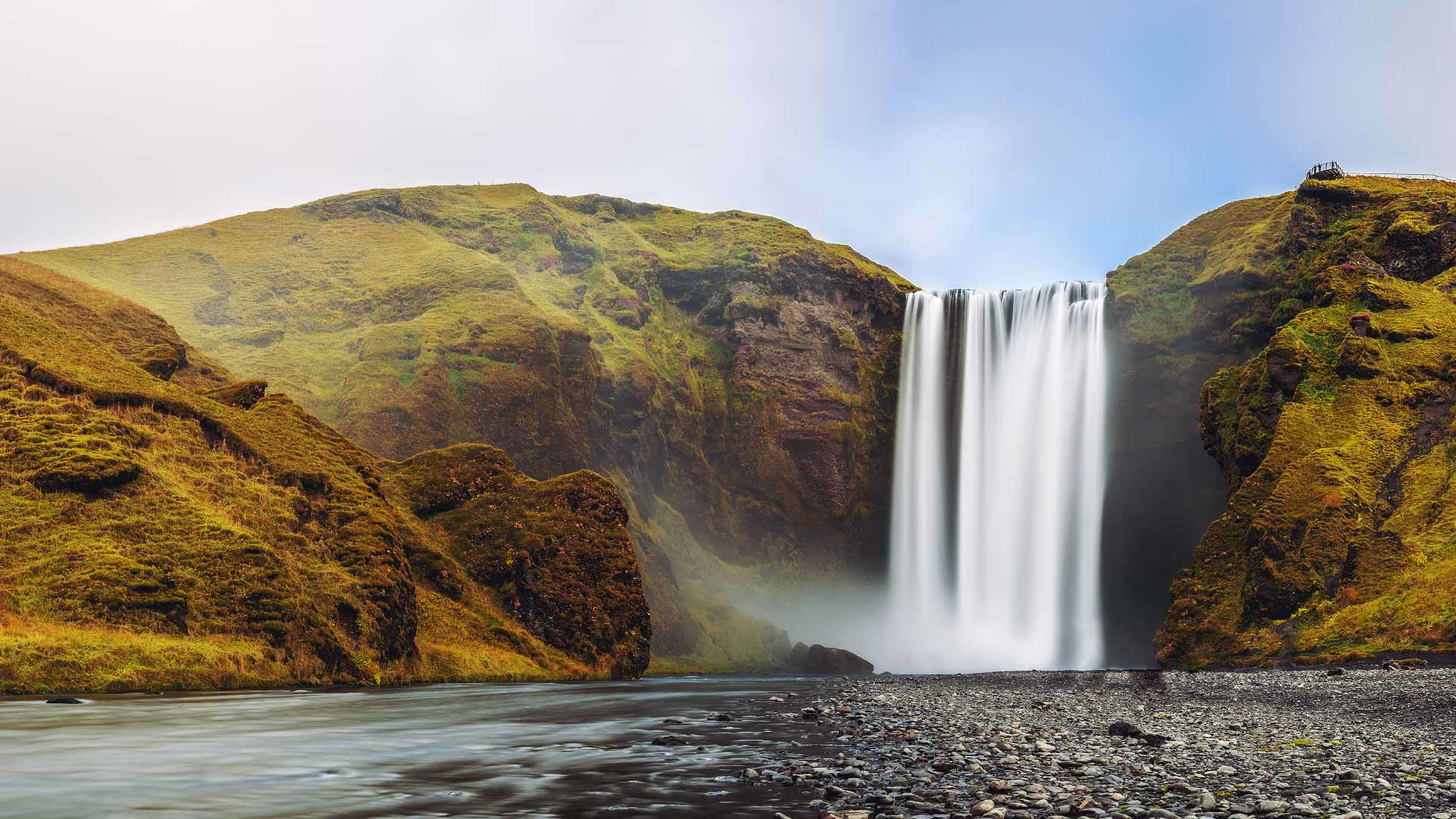
Hallgrímskirkja Church is a bold work of expressionist architecture, though some critics called it old-fashioned during its construction. What makes it unique is its inspiration: the stepped façade echoes the basalt columns of Svartifoss waterfall, while the curved spire and wings suggest glaciers, mountains, or waterfalls frozen in stone.
Built of concrete and finished with a rough cast of white granite, the church has a luminous, sculpted quality that blends with Iceland’s dramatic landscape.
Inside the Church: Features and Atmosphere
The interior complements the exterior with tall, pointed arches, white walls, and natural light that create an uplifting sense of space. Instead of decoration, the design emphasizes height and clarity.
Just inside the nave stands a statue of Christ by sculptor Einar Jónsson, right next to the candle stand. Beyond it, the church’s most famous feature dominates: a 15-meter-tall pipe organ built by Johannes Klais of Bonn. With more than 5,200 pipes, it combines striking design with deep, resonant sound that fills the vast interior.
The Tower Viewpoint: Panoramic Views Over Reykjavík
Hallgrímskirkja is one of the city’s most visited attractions, thanks to the views from its tower. At 74.5 m (244 ft), the spire offers a 360-degree panorama of colorful rooftops, Harpa Concert Hall, Mount Esja, and even distant glaciers on clear days.
An elevator takes you to the 8th floor, where you can peek through the clock faces before climbing a short stairway to the deck. The experience is especially magical at sunset, under the midnight sun, or when the Northern Lights ripple across the winter sky.
Local tip: Visit in August next year to catch the skies over Hallgrímskirkja darken during the Iceland solar eclipse 2026!
The bells ring every 15 minutes from 9:00 AM to 9:00 PM (with the largest on the hour), so expect loud chimes at the top.
Visiting Hallgrímskirkja: Hours, Tickets, Accessibility, and Parking
Planning your visit to Hallgrímskirkja is simple, but a few practical details will help you make the most of your time. Here’s everything you need to know before you go.
Opening Hours
- Church: Late May–Aug (9:00 AM–8:00 PM) / Sept–mid-May 10:00 AM.–5:00 PM
- Tower: Late May–Aug (9:00 AM–7:45 PM) / Sept–mid-May 10:00 AM–4:45 PM
Closed to visitors during Sunday mass (10:30 AM–12:30 PM), events, and some holidays.
Tickets
- Church: Free
- Tower: 1,400 ISK for adults (1,500 ISK from 2026); 1,000 ISK for seniors/students/disabled; 200 ISK for children 7-16; free for kids under 7
Tickets are sold on-site at the church shop (no pre-bookings available).
Accessibility
- Church: Fully accessible with wide entrances and ramps.
- Tower: Elevator access up to the 8th floor; a short staircase leads to the viewing deck, though excellent views are available from the elevator level.
Parking and Transport
- Free parking: Directly beside the church (often fills up quickly).
- Metered parking: On Skólavörðustígur or Laugavegur shopping street. Use the EasyPark or Parka app to find and pay for spaces conveniently.
- Public transport: Bus stop #8 (Hallgrímskirkja) is just a few steps from the church.
Events and Music at Hallgrímskirkja
Hallgrímskirkja is also one of Reykjavík’s leading concert venues. Its acoustics and pipe organ have hosted everything from classical recitals to contemporary performances. Even Iceland’s own pop icon, Björk, performed Anchor Song with the European Choir in 1999.
Each summer, the Organ Summer Festival brings international musicians to the church. Weekly Hallgrímskirkja organ recitals and choir performances are held year-round, while candlelit Advent and Christmas concerts create one of the most atmospheric experiences in the city.
Read also: All About Iceland Christmas Traditions
Tours in Reykjavík That Include Hallgrímskirkja
Thanks to its central location, Hallgrímskirkja is included on most guided tours. Walking tours often begin here, and the hop-on hop-off sightseeing bus stops right at the church. Food and history tours also pass by, weaving the church’s story into the broader tale of Reykjavík.
Hallgrímskirkja is also regularly featured on multi-day trips. For example, the 5-Day Geysirs, Waterfalls & Blue Lagoon Summer Getaway includes time to explore downtown Reykjavík, giving you the chance to visit Hallgrímskirkja on your first or last day.
Even if you’re exploring solo, the church is an excellent starting point, with restaurants, shops, and museums nearby.
Practical Tips for Visiting Hallgrímskirkja
A little planning can make your visit smoother and more memorable. Keep these tips in mind:
- Avoid service times – The church is closed to visitors during Sunday mass (10:30 AM – 12:30 PM) and other events and ceremonies.
- Go early or late for the best photos – Morning light softens the façade, while evening glow makes the Hallgrímskirkja tower stand out beautifully.
- Check the weather before heading up – Clear skies offer the best panoramic views, especially of Mount Esja.
- Dress warmly for the tower deck – Even in summer, the winds at the top can be surprisingly cold.
- Skip the luggage – Large bags and rolling luggage cannot be stored inside; there is no storage available.
- Explore the neighborhood after – Visit the Einar Jónsson Sculpture Garden next door, or stroll down Skólavörðustígur for cafés, shops, and galleries.
Experiencing the Spirit of Reykjavík at Hallgrímskirkja
Hallgrímskirkja embodies the spirit of Reykjavík in a way few places can. Its architecture reflects Iceland’s natural beauty, its tower reveals the city and landscape in all directions, and its music fills the space with life.
To visit is to experience Reykjavík itself, creative, dramatic, and deeply connected to its surroundings. Whether it’s your first stop in the capital or your final farewell, Hallgrímskirkja leaves you with a lasting sense of the city’s soul.
For a more unforgettable experience, join guided group tours in Iceland or discover the top things to do in Reykjavík.
FAQ: Hallgrímskirkja in Reykjavík
Is Hallgrímskirkja free to visit?
Entry to the church is free, but there’s a small fee to access the tower.
How do you pronounce Hallgrímskirkja?
Hallgrímskirkja is pronounced “HAL-grims-kirk-yah.”
What type of landmark is the famous Hallgrímskirkja?
It is a Lutheran parish church and one of Reykjavík’s most recognizable cultural landmarks.
What religion is Hallgrímskirkja?
The church belongs to the Evangelical Lutheran Church of Iceland, the country’s national church.