


A weekend may not sound like much, but it’s enough time to soak up the scenery along Iceland’s South Coast. Even just a two- or three-day adventure covers top highlights like waterfalls, massive glaciers, and black sand beaches. This guide is for anyone seeking inspiration for an Iceland weekend trip in this striking coastal region.
Truly, the South Coast is a classic adventure, whether you have two days or two weeks. With the right route and an early start, a short trip itinerary can be just as memorable as a longer journey. Make the most of your time on the road with a classic Icelandic journey from our selection of self-drive tours.
First, Decide How Far You Should Actually Drive
The South Coast route is one of the top road trips from Reykjavík. For a two-day South Coast trip, Vík is the sensible eastern limit. Jökulsárlón is worth the extra distance, but only if you have a full third day and are prepared to stay overnight in southeast Iceland.
- If you have two days: Spend the first day visiting the waterfalls and enjoying one main activity, before staying overnight in Vík. Visit Reynisfjara the following morning, then return to Reykjavík. The round trip covers approximately 380 km (236 mi), excluding local detours.
- If you have three days: Continue east from Vík to Jökulsárlón and Diamond Beach on Day 2, then stay near Skaftafell or Kirkjubæjarklaustur. Reserve Day 3 mainly for the return journey. This version covers approximately 760 km (472 mi).
Both options follow an out-and-back route, which gives you another chance to visit stops missed because of weather or timing. Most of the journey follows the paved Ring Road, but sightseeing, traffic, and changing conditions can add considerably to driving times. Many self-drive trips, like this three-day South Coast Road Trip, include Golden Circle attractions, as well.

Day 1: Hitting the Big Highlights Without Overdoing It
The first leg of your journey takes you from Reykjavík through South Iceland’s agricultural lowlands toward its waterfalls and glaciers. Aim to leave the capital between 7 and 8 am, especially if you booked a late-morning or midday glacier hike. Guided hikes depart at set times, so plan your earlier sightseeing stops around the required check-in time.
Seljalandsfoss or Skógafoss: Do You Need Both?
Seljalandsfoss and Skógafoss are only about 25 minutes apart on Route 1, so visiting both doesn’t require a major detour. However, each can take longer than expected, particularly if you add the surrounding paths.
- Seljalandsfoss: Choose this waterfall for the unusual perspective. When conditions allow, a path leads behind the 60-meter (200-foot) cascade, with breathtaking views across the coastal lowlands. If you have time, take a 10-minute walk down to Gljúfrabúi, a smaller waterfall tucked inside a narrow rock gorge.
- Skógafoss: Choose Skógafoss for sheer scale and a more straightforward ground-level visit. The waterfall is also 60 meters (200 feet) tall, but its 25-meter (82-foot) width produces clouds of spray that can form rainbows in sunlight. Walk toward its thundering base or climb more than 500 metal steps to the upper viewpoint.
Insider Tip: If your schedule is running smoothly, visit both as each one offers genuinely different experiences. If you need to choose, make it Skógafoss. Its main view is close to the parking area and remains impressive without climbing the stairs.

Choose One Big Experience, Not Three
Trying to combine several excursions in one afternoon will just make your day extra stressful. Guided activities involve check-in times, equipment fitting, and fixed departures, leaving little room for delays. Instead, choose one experience to anchor the afternoon:
- A Glacier Hike on Sólheimajökull: This is the easiest guided activity to fit between the waterfalls and Vík. The three-hour experience takes you onto an outlet of the larger Mýrdalsjökull ice cap, where white-and-blue ice is streaked with volcanic ash. Routes vary, but you may pass crevasses, sculpted ice formations, and meltwater channels.
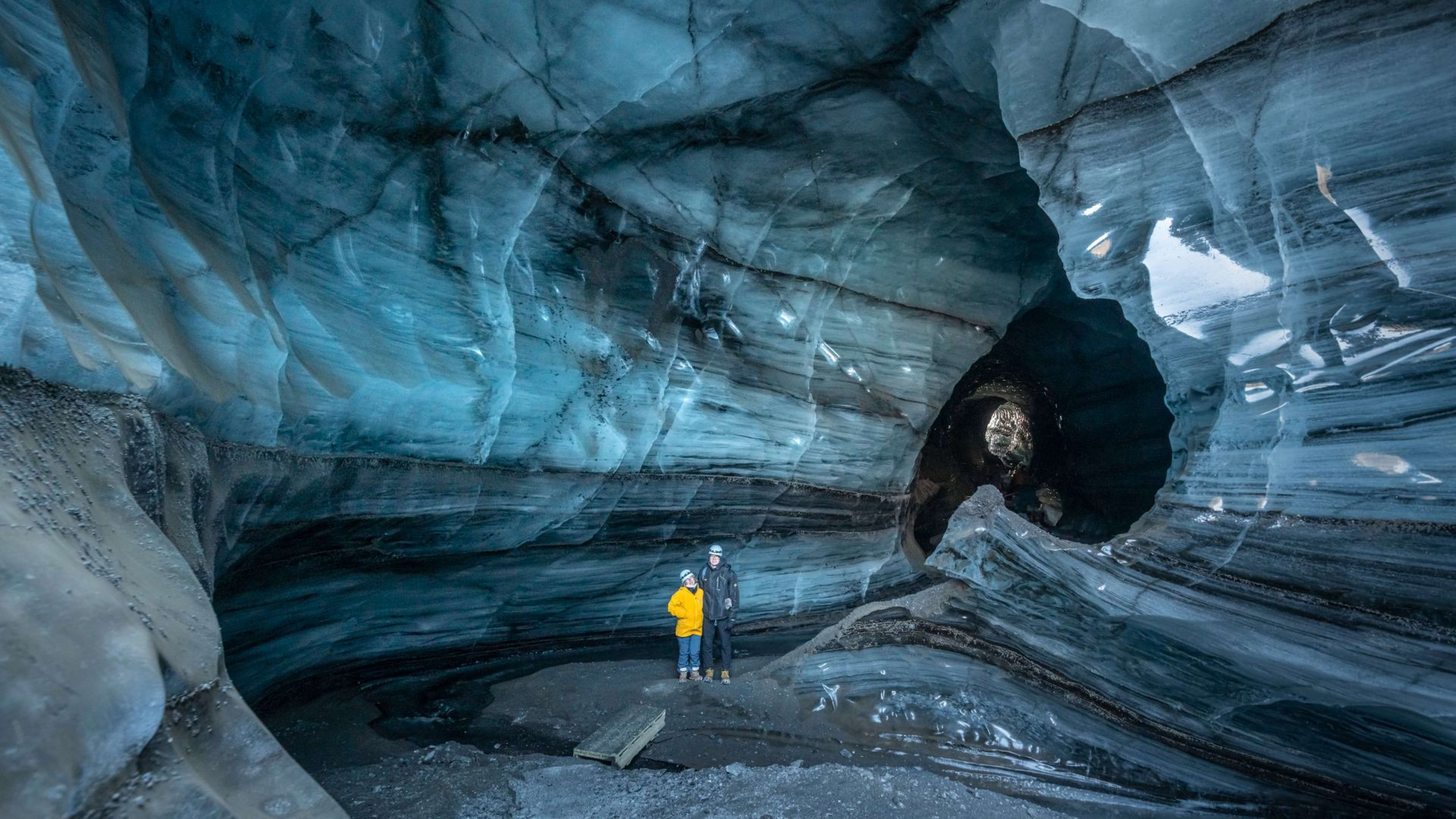
- A Super Jeep Tour to Katla Ice Cave: Choose this if seeing an ice cave matters more than stopping at Sólheimajökull. Tours depart from Vík and follow mountain tracks toward Kötlujökull, where a guided glacier walk leads to a naturally formed black-and-blue ice cave. Allow around three hours and reserve a departure time that works with your drive.
- A Trek Above Skógafoss: For a flexible, unguided alternative, climb the stairs beside Skógafoss and follow the river upstream along the beginning of the Fimmvörðuháls trail. Walk past a succession of smaller waterfalls for an hour or two, then turn back and continue to Vík.
Sleep in Vík Rather Than Racing Back to Reykjavík
After your chosen experience, make Vík í Mýrdal your base for the night. The village is roughly 30 minutes east of Skógafoss and Sólheimajökull, while Katla ice cave tours begin and end in Vík itself.
Returning to Reykjavík would add around two and a half hours of driving to an already full day. Staying in Vík gives you time for a relaxed dinner and puts you within easy reach of Reynisfjara the following morning. If you still have daylight, finish the evening with a short walk along the black sand beachfront beside the village.
Day 2: See the Coast Early, Then Choose Your Route
The second day of this Iceland weekend trip focuses on dramatic coastal geology. Then follow the route that suits the length of your trip. Either turn west toward Reykjavík on the two-day itinerary or continue east toward Jökulsárlón if you have a third day.
See Reynisfjara Before the Day-Trippers Arrive
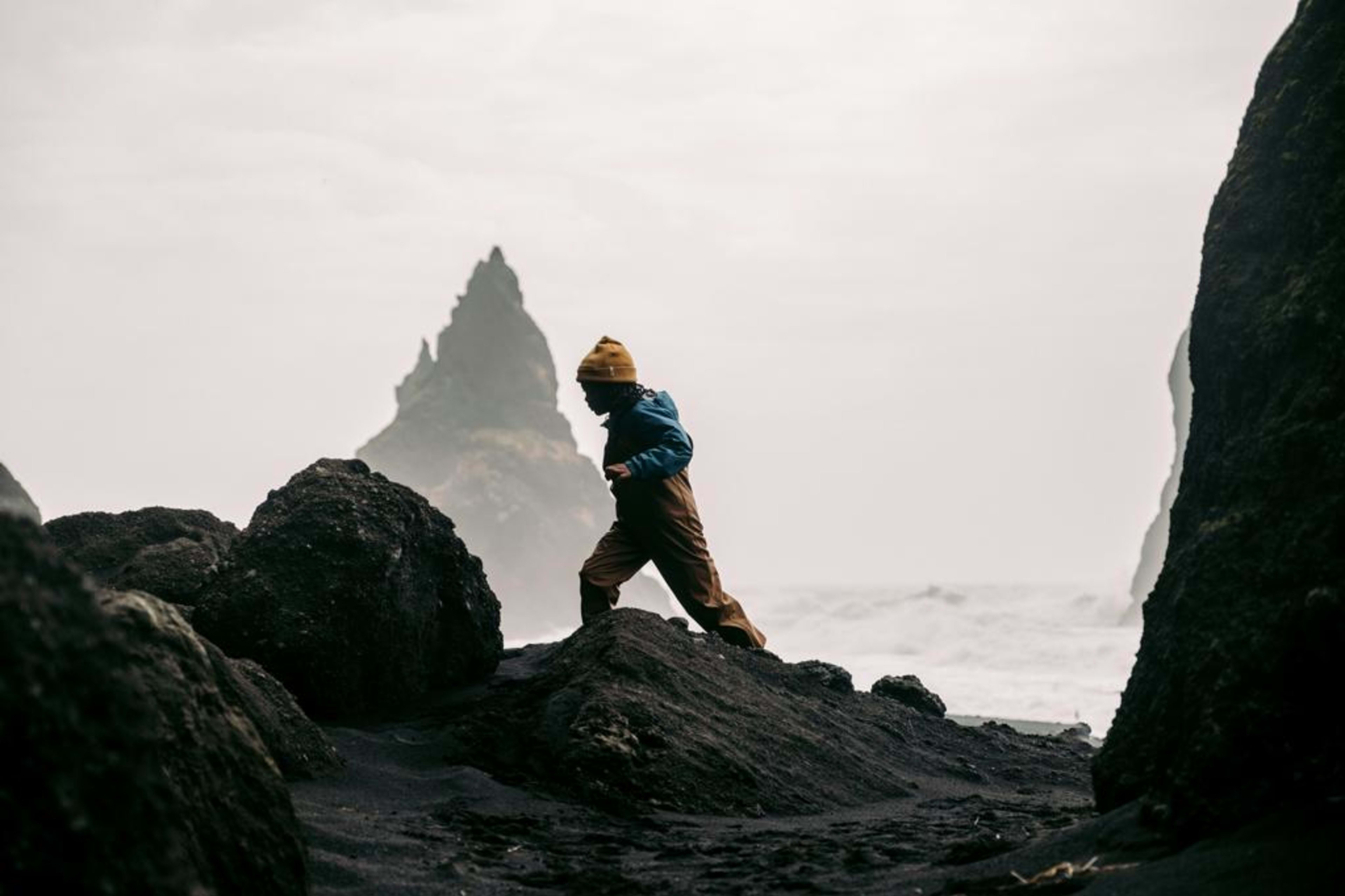
By staying overnight in Vík, you can reach Reynisfjara black sand beach before the long line of tour buses arrives from Reykjavík around midday. Early morning gives you the best chance to appreciate its raw, eerie landscape in peace. Admire the geometric basalt columns of Garðar cliff, then look across the North Atlantic toward the jagged Reynisdrangar sea stacks.
Dangerous sneaker waves can surge unexpectedly far up the beach, even during apparently calm conditions. Never turn your back on the ocean, stay well away from the water, and check the warning lights at the entrance.
An Optional Stop: The nearby Dyrhólaey promontory is worthwhile when visibility is good, and winds are manageable. It fits naturally into the two-day return journey because it lies west of Reynisfjara. If you are continuing east to Jökulsárlón, skip it when running behind rather than backtracking farther.
Have a Third Day? This Is When Jökulsárlón Makes Senset
After exploring the coast around Vík, your route splits according to the length of your trip.
If you are following a two-day itinerary, turn west toward Reykjavík. Use the return journey to pick up one or two stops you missed the previous day:
- Visit Kvernufoss, a peaceful waterfall hidden in a gorge near Skógar, if trail conditions are safe.
- Stop for lunch or coffee in Hvolsvöllur or Selfoss, where you can also try a classic Icelandic hot dog.
- Pause in Hveragerði, where geothermal steam rises from the hills around town.
For the three-day extension, continue east from Vík across the Eldhraun lava field toward Jökulsárlón Glacier Lagoon. Here, icebergs calve from Breiðamerkurjökull and drift through the lagoon toward the sea. Just across the road, pieces of glacial ice wash onto the jet-black sands of Diamond Beach.
On your way to or from the lagoon, pick only one secondary stop. Fjaðrárgljúfur Canyon works best when time is limited, with its rim path overlooking a winding, moss-covered gorge. Skaftafell is better for hikers, but the return trail to Svartifoss takes around 1.5 to two hours. If you want to experience both, save one for Day 3.
Afterward, backtrack to accommodation near Skaftafell or Kirkjubæjarklaustur rather than attempting the long drive back to Vík in the dark.

Day 3: Optional Ice Cave and the Return to Reykjavík
The final day of your three-day Iceland weekend trip is primarily a travel day. Depending on where you stayed, you have roughly 260–330 kilometers (160–205 miles) of driving ahead. That does not mean driving nonstop, though. Because you are retracing Route 1, this is a second chance to visit something you missed earlier in the trip. Or you can cut everything out and focus on a relaxed drive back to the capital.
What Else to See (Or Skip If You’re Running Behind)
The return drive retraces Route 1, giving you a built-in second chance to see somewhere missed earlier. Treat these stops as backup options rather than another checklist. If you saved Fjaðrárgljúfur or Skaftafell for Day 3, make that your main sightseeing stop before continuing west.
- Swap in Katla Ice Cave: If you skipped a guided glacier experience on Day 1, a Katla ice cave tour from Vík can become the final day’s main activity. Just remember that it takes three hours, and Reykjavík is still roughly two and a half hours away once the tour ends.
- Double Back to Missed Stops: Dyrhólaey and Kvernufoss both lie along the return route west of Vík. Stop at one if earlier weather or trail conditions have improved, but do not feel obliged to fit in both.
If delays are building or the driver is tired, skip the extras and continue directly to Reykjavík. No optional stop is worth turning the final journey into a race.

Which Activities Should You Book in Advance?
Reserve your main excursions as soon as the travel dates of your Iceland weekend trip are confirmed. Although the best time to visit Iceland depends on your itinerary, advance booking is especially important during the busy summer season:
- Glacier Hike: The easiest guided activity to include in the standard two-day itinerary.
- Katla Ice Cave: A convenient addition if you are staying overnight in Vík.
- Vatnajökull Ice Cave: Best suited to a winter three-day itinerary with accommodation in southeast Iceland.
- Glacier Lagoon Boat Trip: Amphibian and Zodiac tours typically operate from May to October, depending on conditions. Book ahead for summer, especially if you need a particular departure time.
- Geothermal Bathing: The Blue Lagoon is near Keflavík Airport rather than the South Coast route. Schedule Blue Lagoon tours on an arrival or departure day instead of adding it to a high-mileage driving day.
Insider Tips for a Smoother South Coast Drive
Driving the South Coast is quite straightforward, but some real-world tips will make the road trip considerably easier.
- Choose the Right Gas Station: A staffed N1 or Olís station can be a practical stop for restrooms, coffee, and a quick meal. For a classic Icelandic hot dog, ask for eina með öllu, meaning “one with everything.” Self-service stations often charge less for fuel but may offer few or no facilities.
- Stock Up in Selfoss: Selfoss has several full-size supermarkets, including Bónus, Krónan, and Nettó. Pick up road-trip food such as skýr, flatkökur, fruit, and sandwiches before continuing east, where larger stores become less frequent. There is also a Krónan in Vík, while smaller shops farther east generally have more limited selections and opening hours. Bring a reusable bottle and fill it with cold tap water rather than buying bottled water.
- Compare Fuel Prices Before Driving East: Self-service stations in Selfoss often offer some of the route’s lower prices. Fill up there if convenient, but do not pass through Vík with a low tank simply to search for cheaper fuel farther east. Know your card’s PIN before traveling. If a pump offers the choice, select a fixed amount. It can limit the temporary preauthorization hold sometimes associated with “fill tank” transactions.
- Check Dinner Times in Advance: Do not assume restaurant kitchens will remain open late after a glacier tour or long hike. Check current hours and reserve a table during busy periods. If your activity finishes late, eating beforehand or carrying a substantial snack is more reliable than depending on a last-minute dinner.
- Wait for a Proper Photo Stop: Never stop in the traffic lane or on the narrow shoulder of Route 1 for photographs. Continue until you reach a marked parking area, established viewpoint, or safe roadside bay.
- Protect the Car Doors From the Wind: Before opening a door, check which direction the wind is coming from and park facing into it when practical. Hold the door firmly, ask passengers to open one door at a time, and take particular care at exposed coastal stops. A sudden gust can force a door backward and damage its hinges.

Make the Most of Your Iceland Weekend Trip
An Iceland weekend trip along the South Coast is ideal for a focused itinerary. Make Vík your overnight base and turnaround point for a two-day trip, and save Jökulsárlón for when you have a third day. Plan around one main guided activity each day, leave room for changing weather, and let South Iceland’s landscapes set the pace.
Ready to start planning? Explore our South Coast tours to find self-drive and guided itineraries covering the region’s waterfalls, glaciers, and black sand beaches.
FAQ's about Weekend road trips on Iceland's South Coast
Yes, two days is sufficient to see the core highlights between Reykjavík and Vík. A two-day itinerary includes Seljalandsfoss, Skógafoss, Sólheimajökull glacier, and Reynisfjara beach, without feeling overly rushed.
While physically possible, driving to Jökulsárlón and back from Reykjavík in 48 hours involves excessive driving with minimal time for stops. A three-day itinerary with an overnight stay in the southeast is strongly recommended.
During summer, a standard 2WD vehicle is generally fine for driving along paved Route 1. In winter (November through April), a 4×4 vehicle equipped with winter tires is highly recommended.
Most natural ice caves in Vatnajökull National Park are only safe to visit in winter. However, certain ice caves, such as Katla ice cave, can be visited year-round on specialized guided Super Jeep tours.
Yes, guided glacier hikes have strict maximum group sizes for safety. Popular time slots sell out days or weeks in advance during high travel seasons.
Absolutely! Frozen waterfalls, snow-covered landscapes, and icy glaciers make the South Coast especially beautiful in winter. You can also visit ice caves and, with a little luck, see the northern lights. However, daylight hours are short, and weather conditions can change quickly. Keep your itinerary flexible, check road conditions regularly, and avoid planning long driving days.
For a two-day trip, Vík is our top recommendation. It's close to Reynisfjara black sand beach, has accommodation and dining options, and is a convenient departure point for Katla Ice Cave tours. If you're extending your trip to Jökulsárlón, consider spending your second night near Skaftafell or Kirkjubæjarklaustur. This saves you from having to drive all the way back to Vík after a long day of sightseeing.
We think so! They're only about 25 minutes apart, and each offers a completely different experience. Seljalandsfoss is famous for the walking path behind the waterfall, while Skógafoss impresses visitors with its enormous curtain of water. If you're short on time, we'd choose Skógafoss. It's easy to reach from the parking area, and you don't need to hike to enjoy the view.
No, you shouldn't attempt to enter a natural glacier ice cave without a qualified guide. Ice caves are constantly changing environments, and conditions can be dangerous. For this itinerary, Katla Ice Cave is a convenient option because tours depart from Vík. Book ahead and allow around three hours for the experience.
Yes, and it's important to take the warnings seriously. Reynisfjara is famous for its dramatic basalt columns and sea stacks, but also for unpredictable sneaker waves that can rush much farther up the beach than expected. Never turn your back on the ocean, stay well away from the water, and always follow the warning lights and safety signs. People have lost their lives here, so this isn't a place to take risks for a photograph.
That's part of traveling in Iceland, unfortunately! The good news is that the South Coast route follows the same road in both directions, so you may get another chance to visit a waterfall or viewpoint you missed on the way out. Keep an eye on the weather forecast and road conditions, and don't hesitate to skip an activity if conditions aren't safe. Having a flexible plan is much better than trying to follow a strict schedule regardless of the weather.
Even in summer, bring a waterproof jacket, warm layers, and sturdy shoes with good grip. Waterfall spray can soak you in seconds, and the wind along the coast can be surprisingly strong. We also recommend packing snacks, a reusable water bottle, a phone charger, and sunglasses. If you're traveling in winter, add gloves, a warm hat, and suitable winter footwear.
Both are great options, depending on how you like to travel. A rental car gives you the freedom to stop whenever you want, explore at your own pace, and spend extra time at your favorite places. Guided tours take care of the driving and planning, which can be particularly appealing in winter or if you're uncomfortable driving in unfamiliar conditions. For a weekend trip, we'd recommend a self-drive adventure if you're confident behind the wheel and comfortable adapting your plans to the weather.
You certainly have a chance if you're visiting between late August and April, when the nights are dark enough. The South Coast has plenty of areas away from city lights, making it a wonderful place to watch for auroras. However, you'll need clear or partly clear skies and sufficient auroral activity. Don't build your entire itinerary around seeing them, but keep an eye on the forecast if you're staying overnight.