


Your guide to Fjallsárlón Glacier Lagoon, Iceland
Planning a visit to Fjallsárlón? This glacial lagoon on Iceland's South Coast combines dramatic natural beauty with a more relaxed atmosphere than its famous neighbor. Here's everything you need to know about visiting Fjallsárlón Glacier Lagoon in 2026.
What Makes Fjallsárlón Special
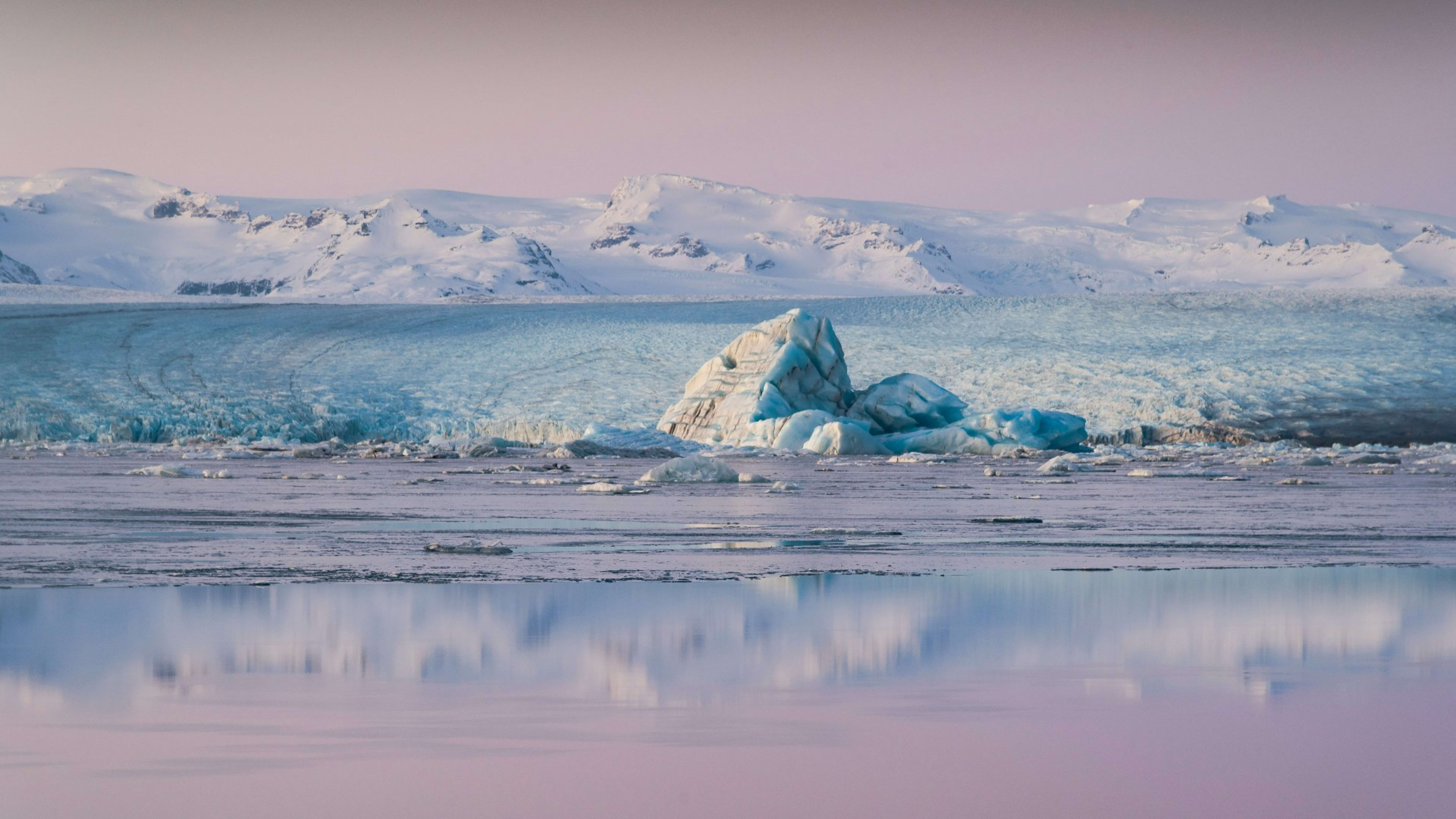
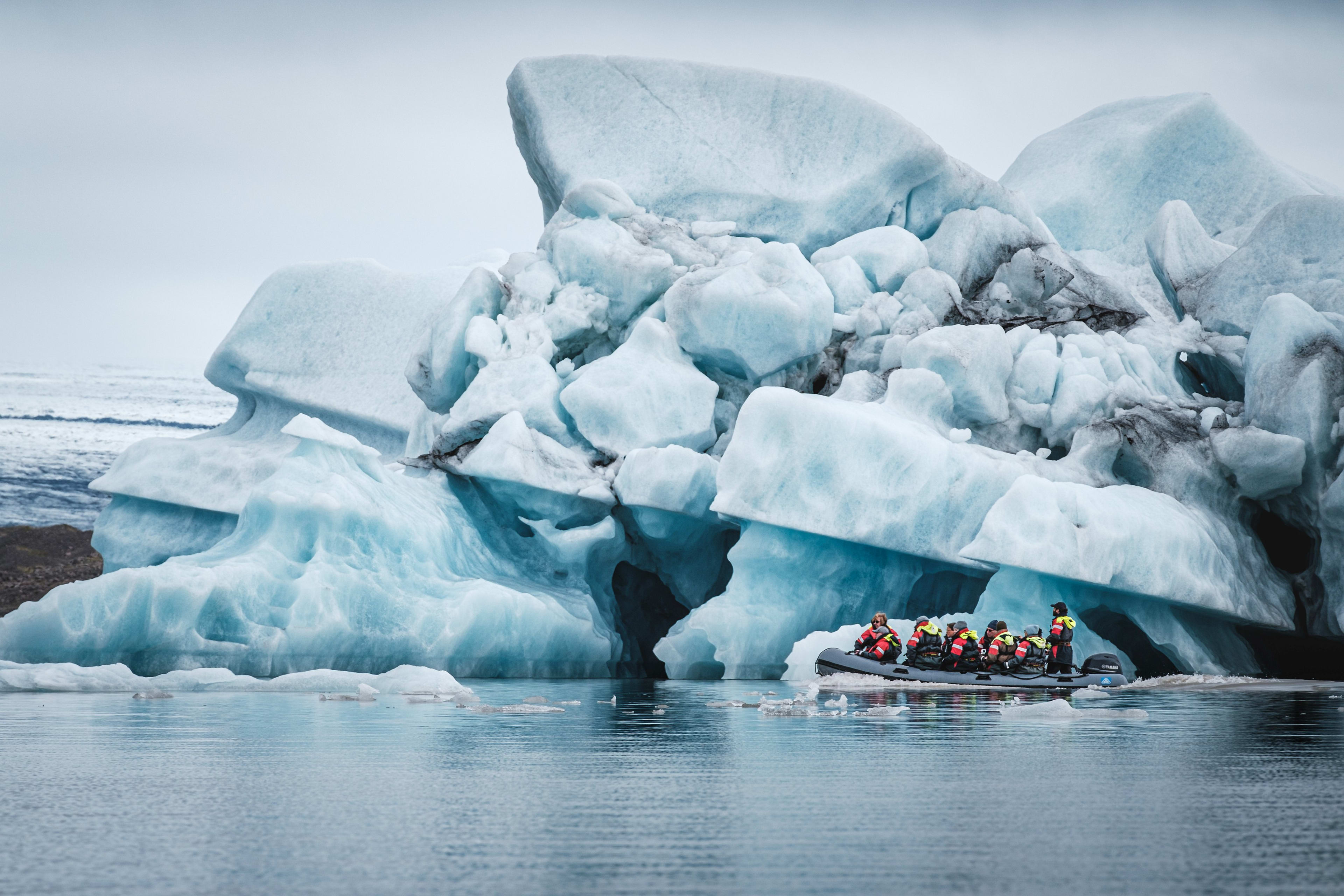
Fjallsárlón Glacier Lagoon sits at the edge of Vatnajökull National Park, where massive icebergs calve from Fjallsjökull outlet glacier. The lagoon formed as Vatnajökull, Europe's largest glacier, retreated over recent decades. What you see today is a constantly changing landscape of floating ice sculptures in shades of electric blue, crystal white, and grey streaked with volcanic ash from ancient eruptions.
The intimate size of Fjallsárlón is part of its appeal.
While Jökulsárlón stretches nearly 18 square kilometers, this smaller lagoon offers closer views of the glacier face and icebergs. The peaceful setting means you can actually hear the ice cracking and groaning as it moves.
Wildlife adds another dimension to your visit. Seals regularly swim in the lagoon, popping their heads up between icebergs. During summer months, Great Skua seabirds nest along the shores. These protective parents are known to dive bomb anyone who gets too close to their nesting areas, so keep your distance and stay on marked paths.
Fjallsárlón vs Jökulsárlón: Which Should You Visit?
Both glacier lagoons are worth seeing, and they're only 10 km (6 miles) apart, making it easy to visit both in one trip. Here's how they compare:
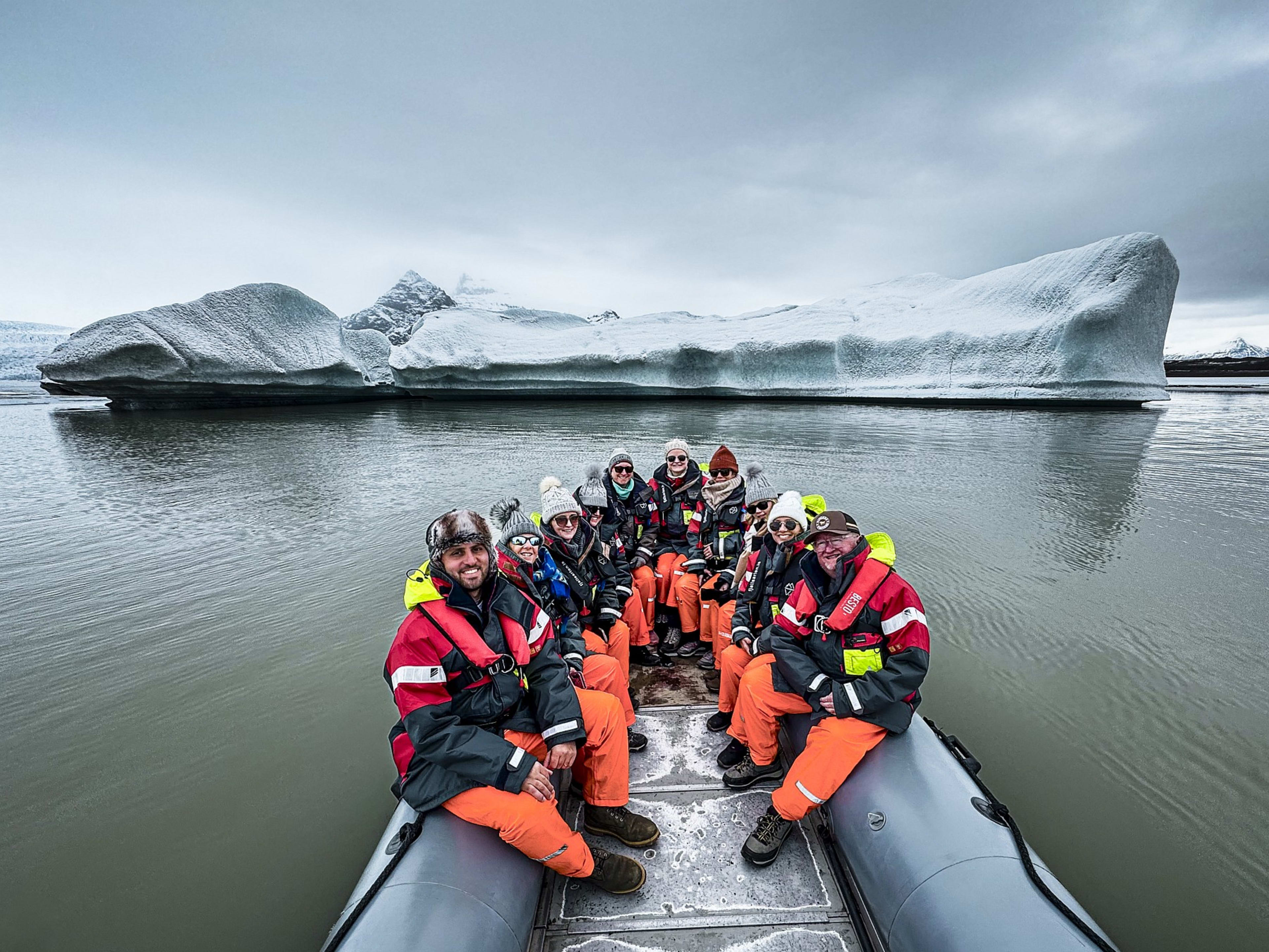
Fjallsárlón offers a more intimate experience with smaller crowds and closer views of the glacier. The boat tours use small zodiac vessels with limited passengers, creating a personal atmosphere. You can often taste ancient glacial ice during tours.
Jökulsárlón is larger and more famous, with bigger icebergs and more dramatic scenery. However, expect significant crowds, especially during summer. The nearby Diamond Beach where icebergs wash ashore is stunning and unique to Jökulsárlón.
Most visitors see both locations, spending about an hour at Fjallsárlón before continuing to Jökulsárlón and Diamond Beach.
Boat Tours at Fjallsárlón
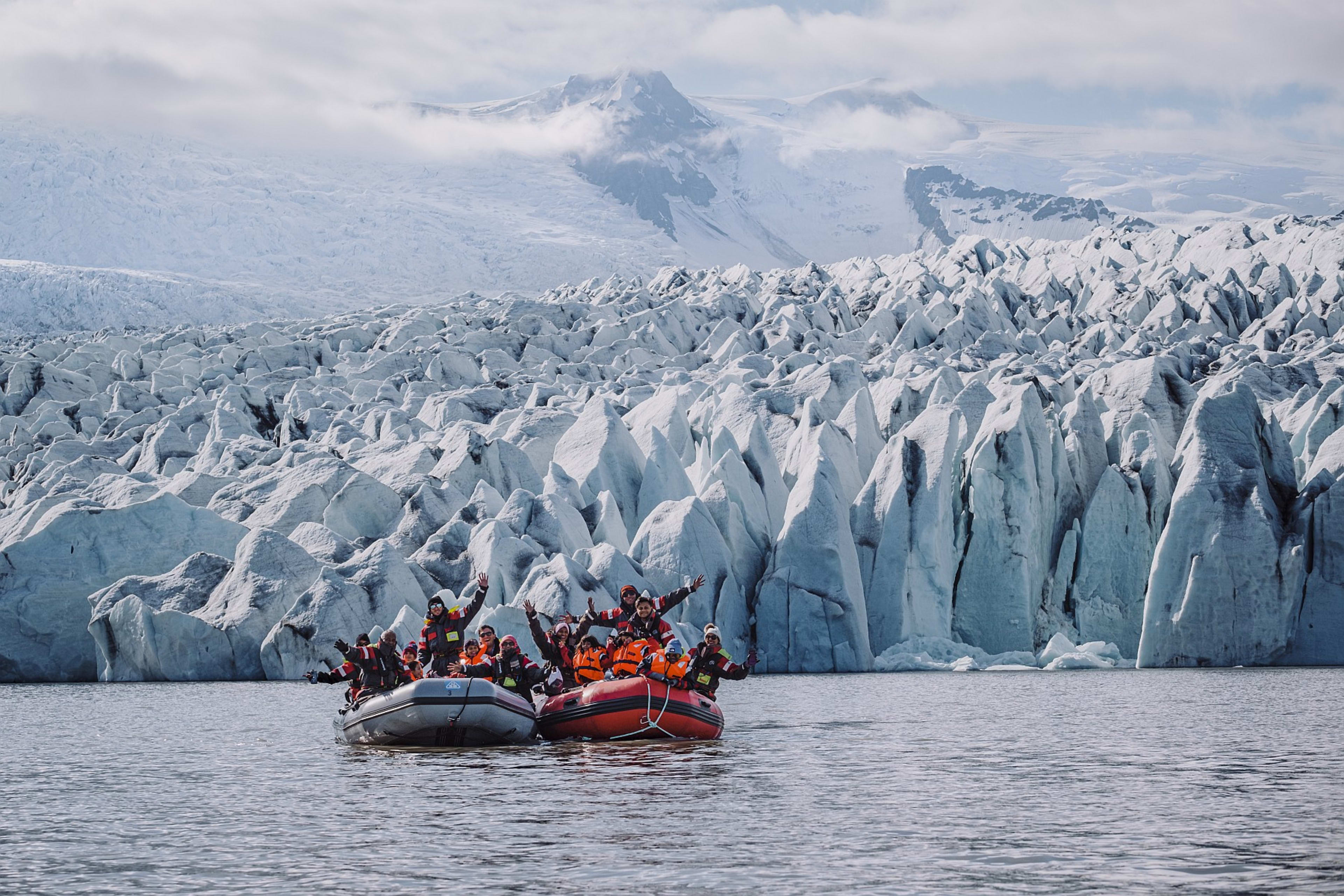
Zodiac boat tours run from May through October, weather permitting. These small inflatable boats take you right up to the icebergs and glacier face. Tours last about 30-40 minutes and cost around 9,900 ISK for adults. Book in advance during peak summer months (June through August) as tours fill up quickly.
The intimate group sizes mean better photo opportunities and more interaction with guides. Some operators let you touch and taste ice that's thousands of years old. Tours run throughout the day, with the best light for photography typically in early morning or evening.
How to Get to Fjallsárlón Glacier Lagoon
Fjallsárlón is located on Iceland's South Coast, approximately 370 km (230 miles) from Reykjavik. The drive takes about 4.5 hours heading east on the Ring Road (Route 1).
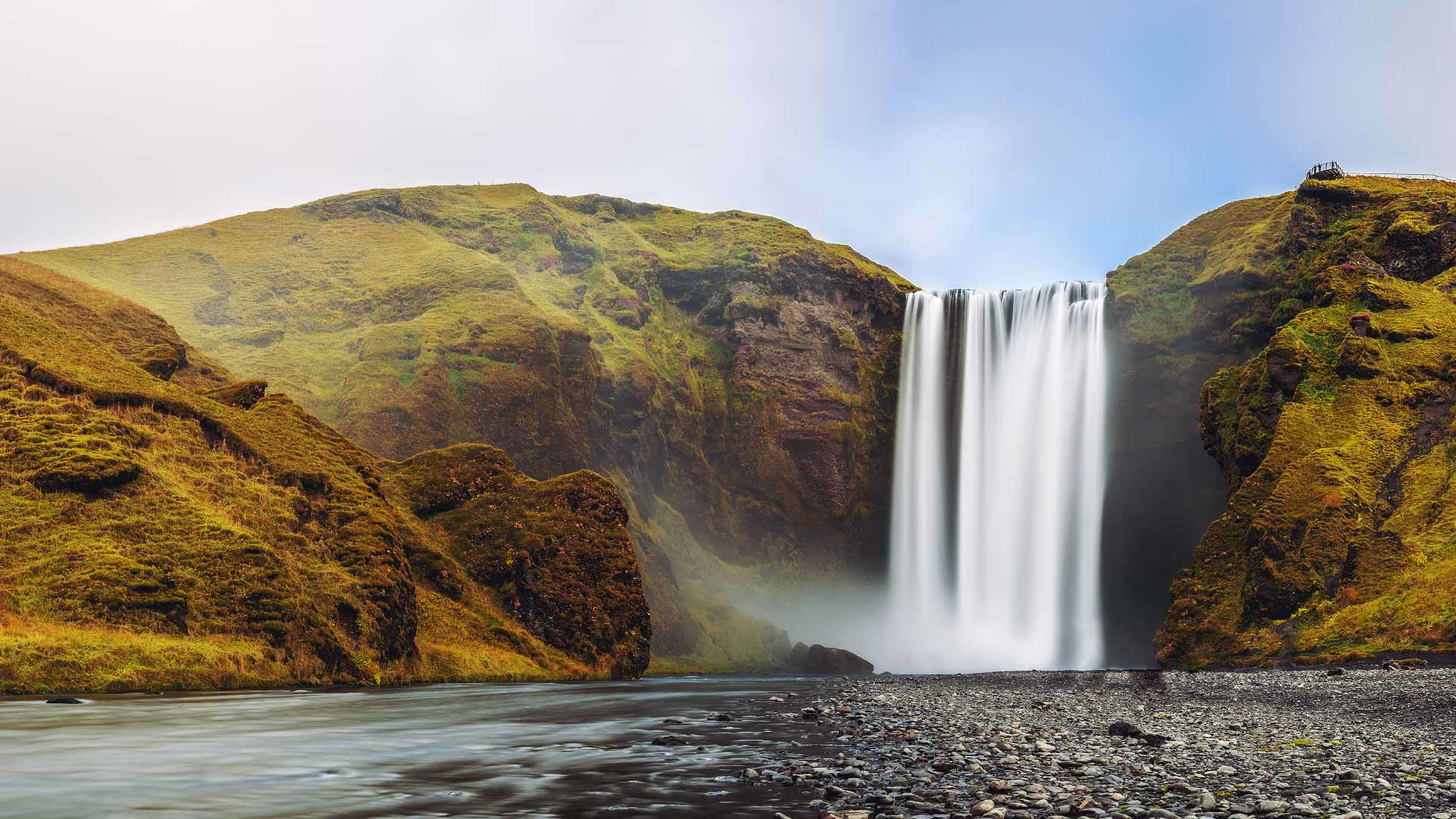
From Reykjavik: Follow Route 1 east along the coast. You'll pass through the South Coast's major attractions including Seljalandsfoss, Skógafoss, Reynisfjara Black Sand Beach, and Skaftafell Nature Reserve before reaching the lagoon.
From Jökulsárlón: Drive 10 km (6 miles) west on Route 1. The turnoff is well marked.
From Höfn: Drive 90 km (56 miles) west on Route 1.
Parking: Look for the marked turnoff from Route 1. Free parking is available, though some areas may require payment via the Parka app. The visitor area includes a restaurant, restrooms (small fee), and tour operators.
Best Time to Visit Fjallsárlón
Fjallsárlón Glacier Lagoon is stunning year round, though the experience varies by season.
Summer (May to September): The best time for boat tours, which typically run from May through October. Long daylight hours give you flexibility in timing your visit. Seals are most active during warmer months. However, this is also the busiest season.
Winter (October to April): Fewer crowds and potential northern lights views over the lagoon create magical moments. The ice takes on different colors in winter light. However, boat tours don't operate, and weather can make access challenging. Always check road conditions before traveling in winter.
Shoulder Seasons (April, May, September, October): Often the sweet spot with moderate weather, fewer visitors, and the possibility of both boat tours and northern lights.
Frequently Asked Questions About Fjallsárlón Glacier Lagoon
How do you pronounce Fjallsárlón? Fjallsárlón is pronounced roughly "FYA-tl-saur-lohn." The name means "mountain lagoon" in Icelandic, referring to the mountains surrounding the glacial lake.
Can you see Fjallsárlón without a tour? Yes, you can visit Fjallsárlón Glacier Lagoon for free and view the icebergs from shore. The boat tours are optional but highly recommended for getting close to the glacier and icebergs. Walking paths along the shore provide excellent viewpoints for photography.
How far is Fjallsárlón from Jökulsárlón? Fjallsárlón is located just 10 kilometers (6 miles) west of Jökulsárlón Glacier Lagoon along Route 1. The drive takes about 10 minutes. Most visitors see both lagoons in one trip.
Are there seals at Fjallsárlón? Yes, seals regularly visit Fjallsárlón Glacier Lagoon. You'll often spot them swimming between icebergs or resting on the ice. They're most active during summer months but can appear year round.
How long should I spend at Fjallsárlón? Plan for 1 to 2 hours at Fjallsárlón. This gives you time to walk along the shore, take photos, and potentially do a boat tour. If you're visiting both Fjallsárlón and Jökulsárlón, budget 3 to 4 hours total.
Is Fjallsárlón worth visiting? Absolutely. While Jökulsárlón is larger and more famous, Fjallsárlón offers a more intimate experience with fewer crowds. The closer views of the glacier face and icebergs, combined with regular seal sightings, make it a worthwhile stop on any South Coast itinerary.