




Westman Island, Lava fields & Geology Road Trip
This 8-day self-drive is built around Iceland’s volcanic landscape, combining well-known geological sites with destinations that most itineraries don’t reach. The route covers the Fagradalsfjall eruption area on the Reykjanes peninsula, the coloured rhyolite mountains of Landmannalaugar in the highlands, the Lakígígar volcanic fissure in Vatnajökull National Park, and the Westman Islands, where the 1973 Eldfell eruption reshaped the island and the community that lives on it.
The route also takes in the Golden Circle, the south coast, Jökulsárlón glacier lagoon, and Skaftafell. All vehicles on this tour are 4x4, which is required for the highland road to Landmannalaugar. The tour runs from late June to the end of August and begins and ends in Reykjavík.
On this tour you will...
Survey the site of the recent Fagradalsfjall eruption
Walk through the ancient Raufarhólshellir lava tube
Venture through moonlike scenery in the highlands
Explore the Lakagígar volcanic fissures in North Iceland
Come up close to living glaciers and powerful waterfalls
Learn about the eruptive history of the Westman Islands
Top attractions
Fagradalsfjall volcano
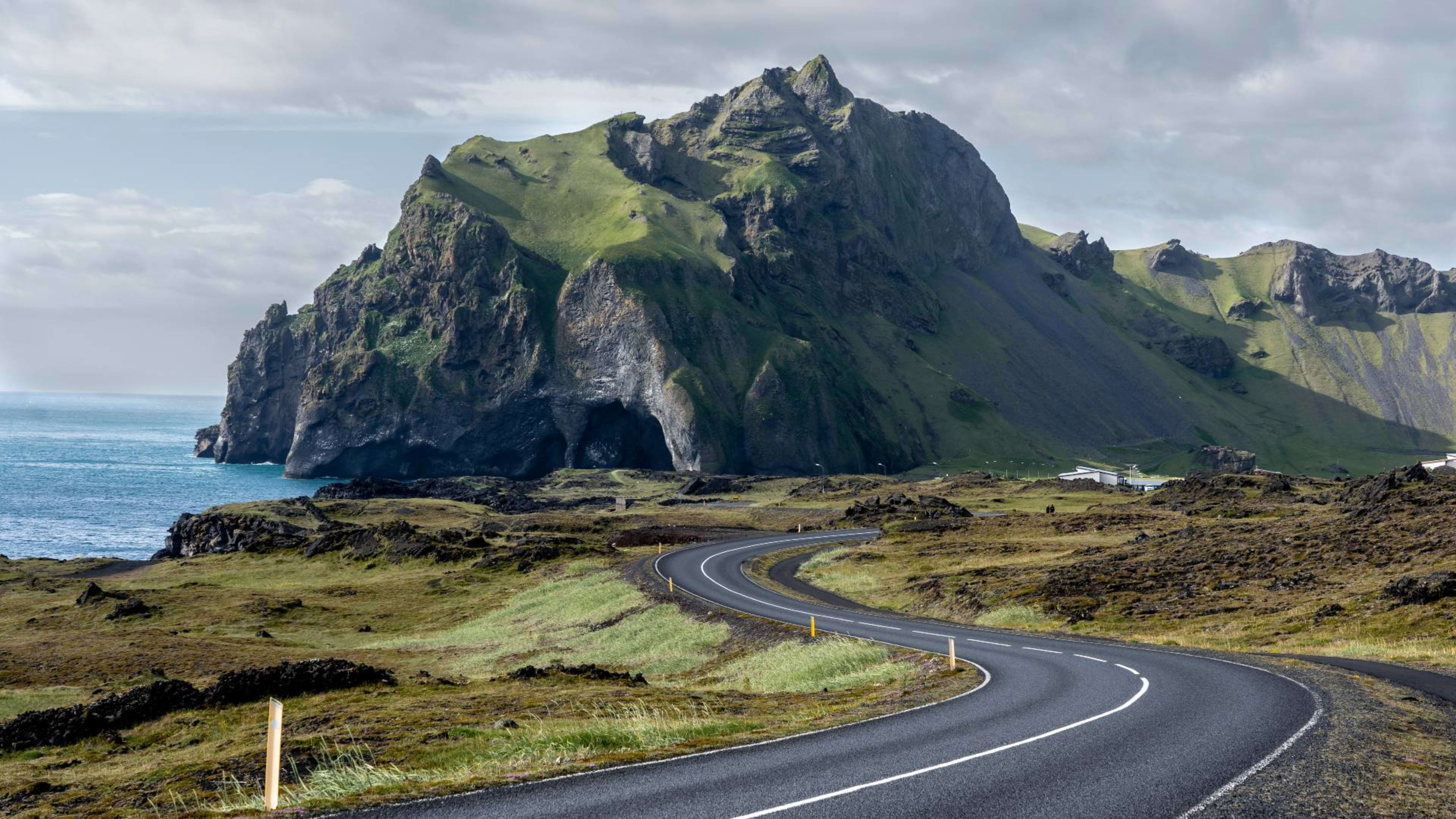
Westman Islands
Lakagígar
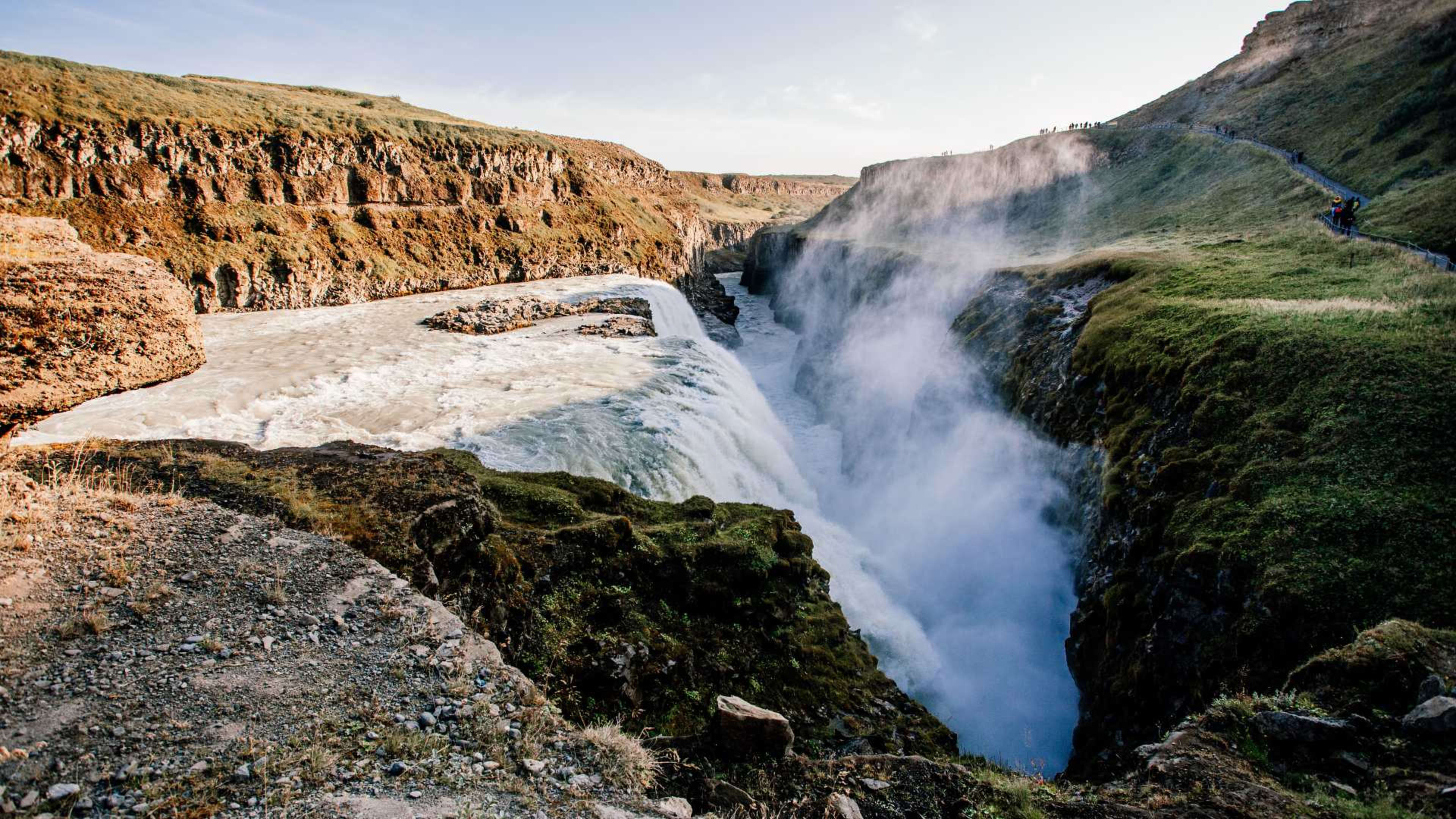
Gullfoss
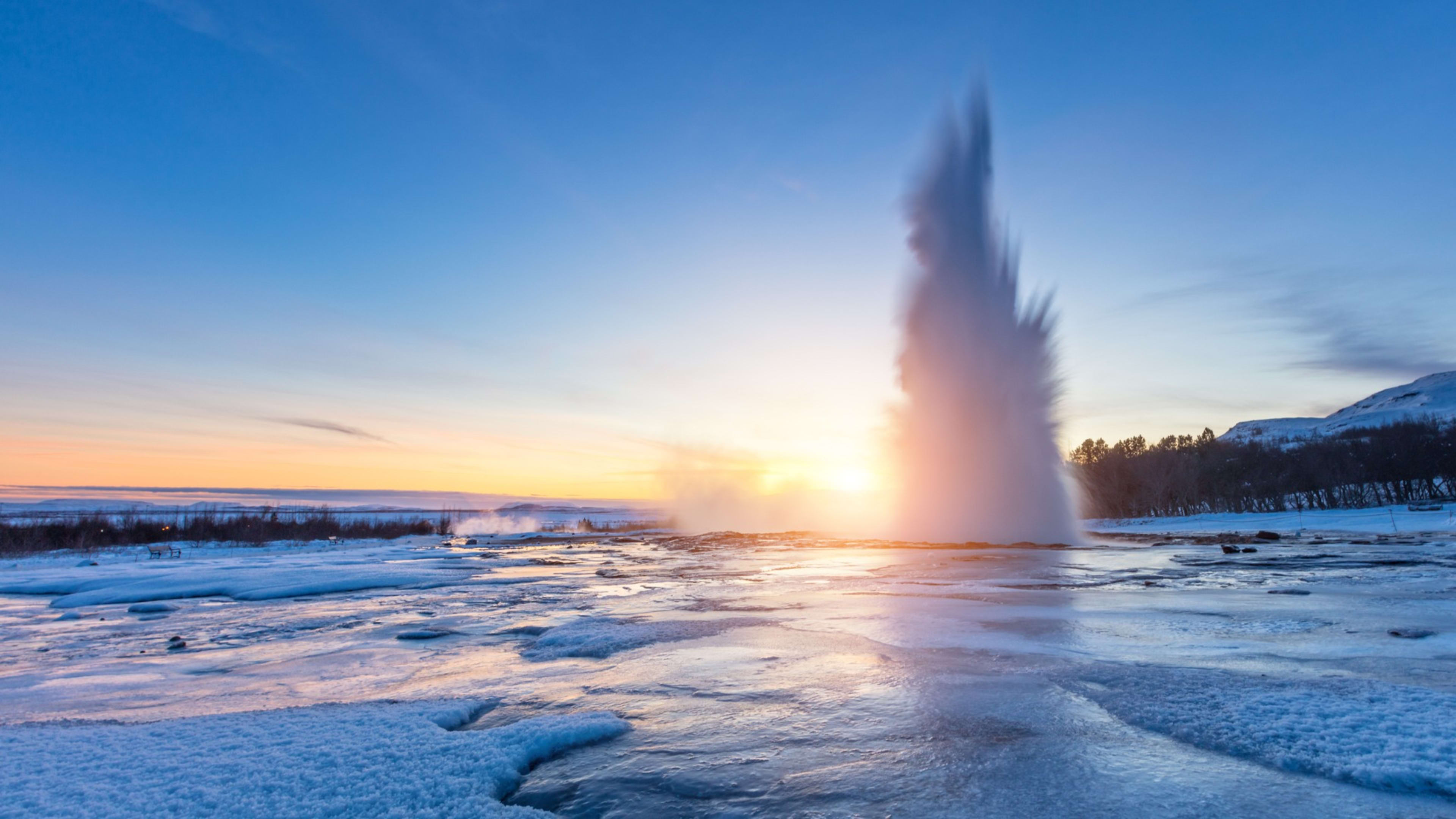
Geysir and Strokkur

Þingvellir National Park
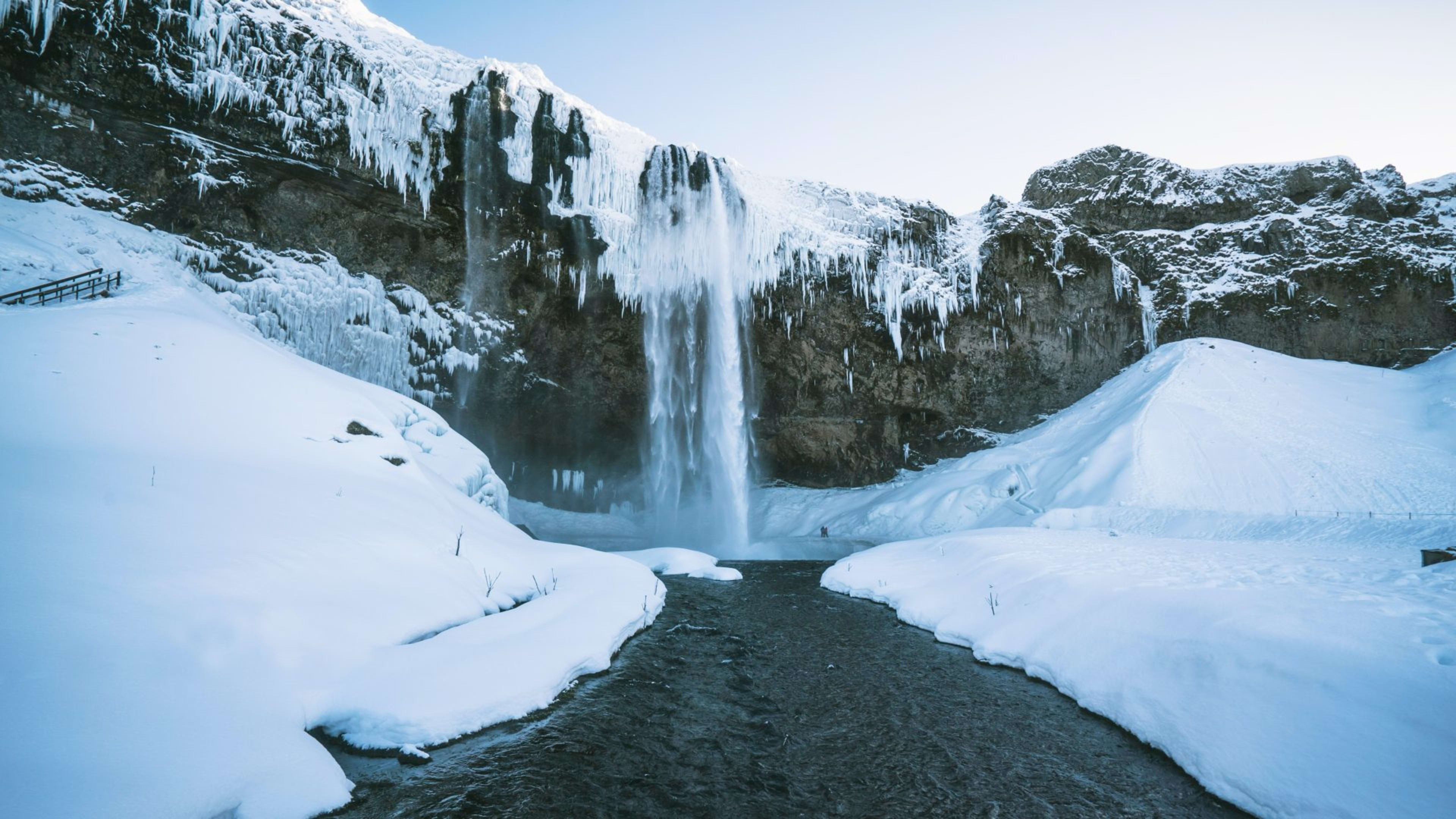
Seljalandsfoss

Skógafoss
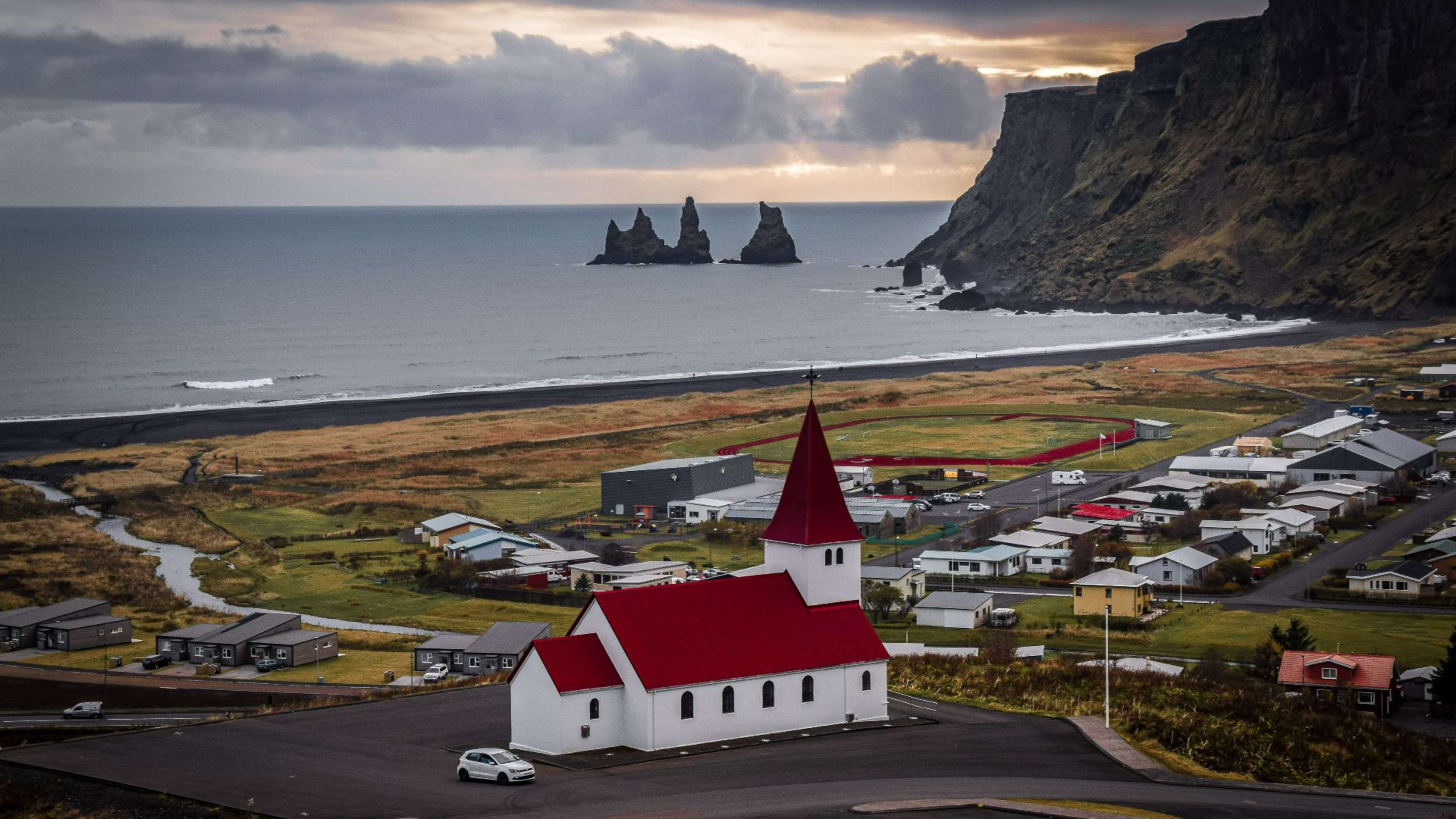
Vík í Mýrdal
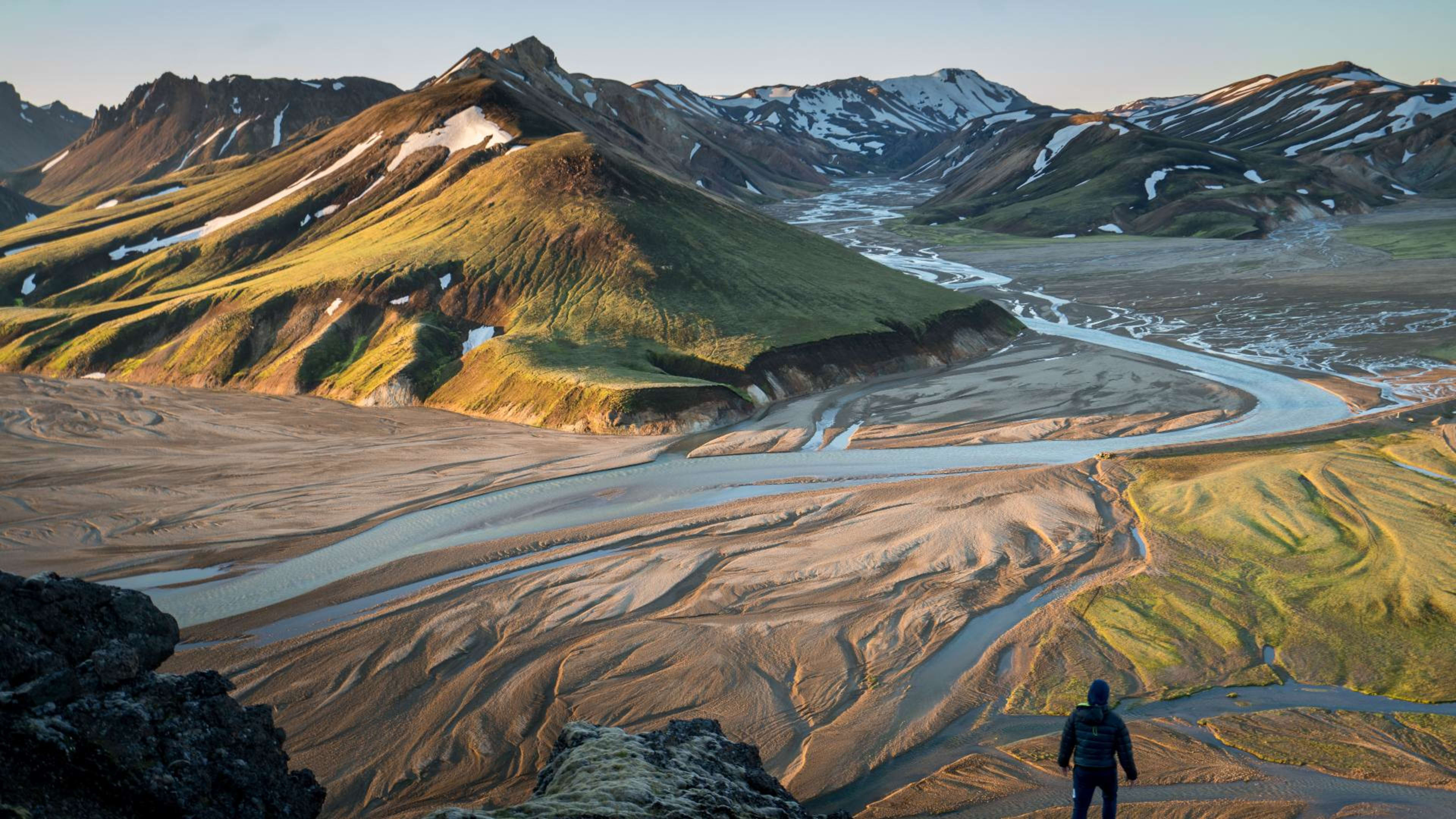
Landmannalaugar

Kirkjubæjarklaustur
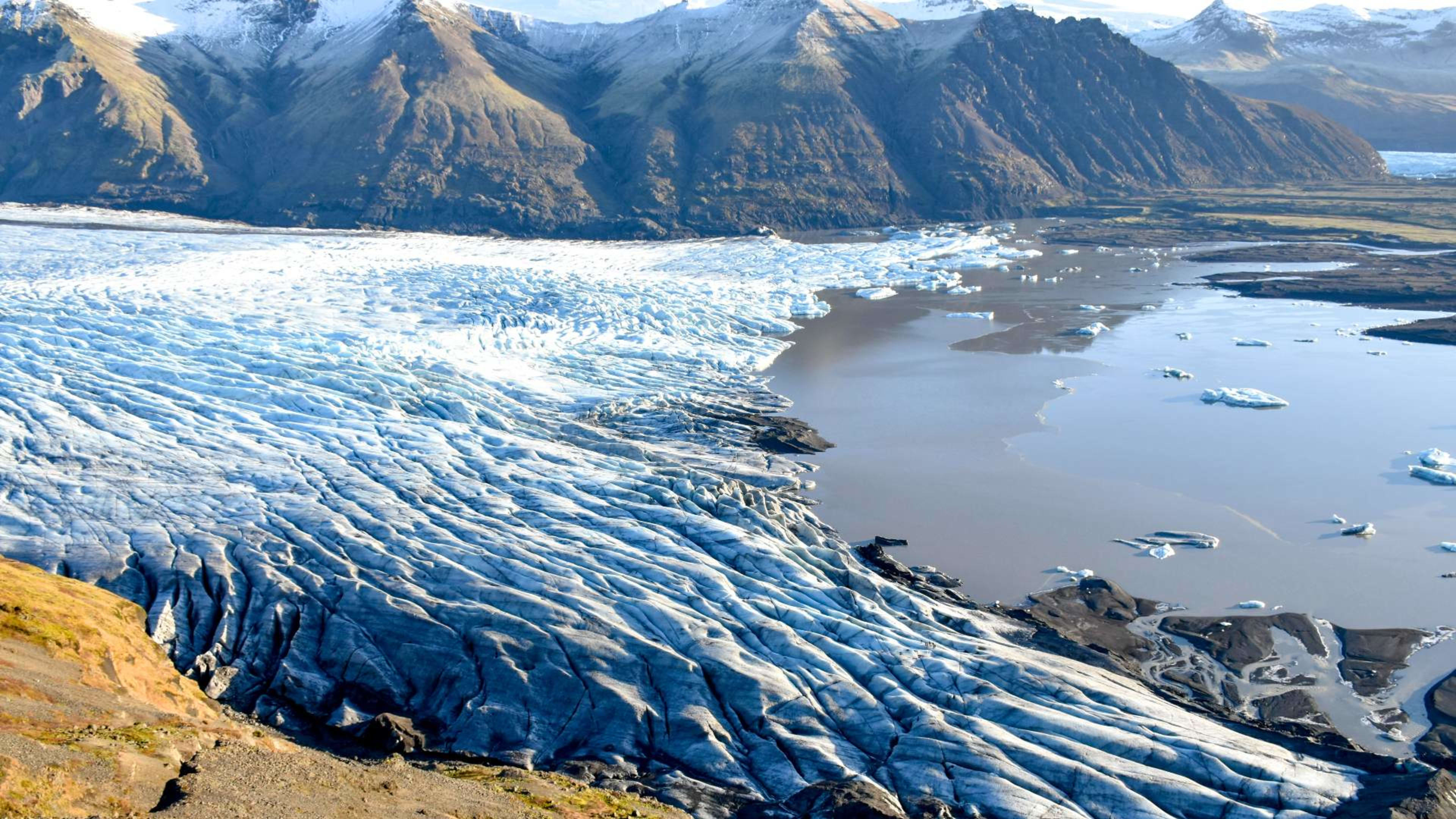
Vatnajökull Glacier & National Park

Jökulsárlón Glacier Lagoon

Skaftafell

Downtown Reykjavík
Why book a self-drive trip with Iceland Tours?
Start your tour on the date that suits you
24/7 emergency helpline in Iceland
Secure your booking with just a 5% deposit
New rental cars with 2 drivers as standard
Handpicked local accommodation options
Best Price Guarantee
Your 8-day Iceland self-drive itinerary
After collecting your 4x4 at Keflavík Airport, the 50-kilometre drive to Reykjavík runs through open lava fields. It’s a short arrival day, giving you time to check in and explore the city before the geological tour begins tomorrow. Hallgrímskirkja is worth the walk up for the tower view, and the waterfront area around Harpa Concert Hall and the Sun Voyager sculpture is a good place to get oriented. Laugavegur has the main concentration of restaurants and cafes.
Highlights
Downtown Reykjavík
Extra activities
 Extra
ExtraFlyOver Iceland
 Extra
ExtraSky Lagoon Saman Pass
 Extra
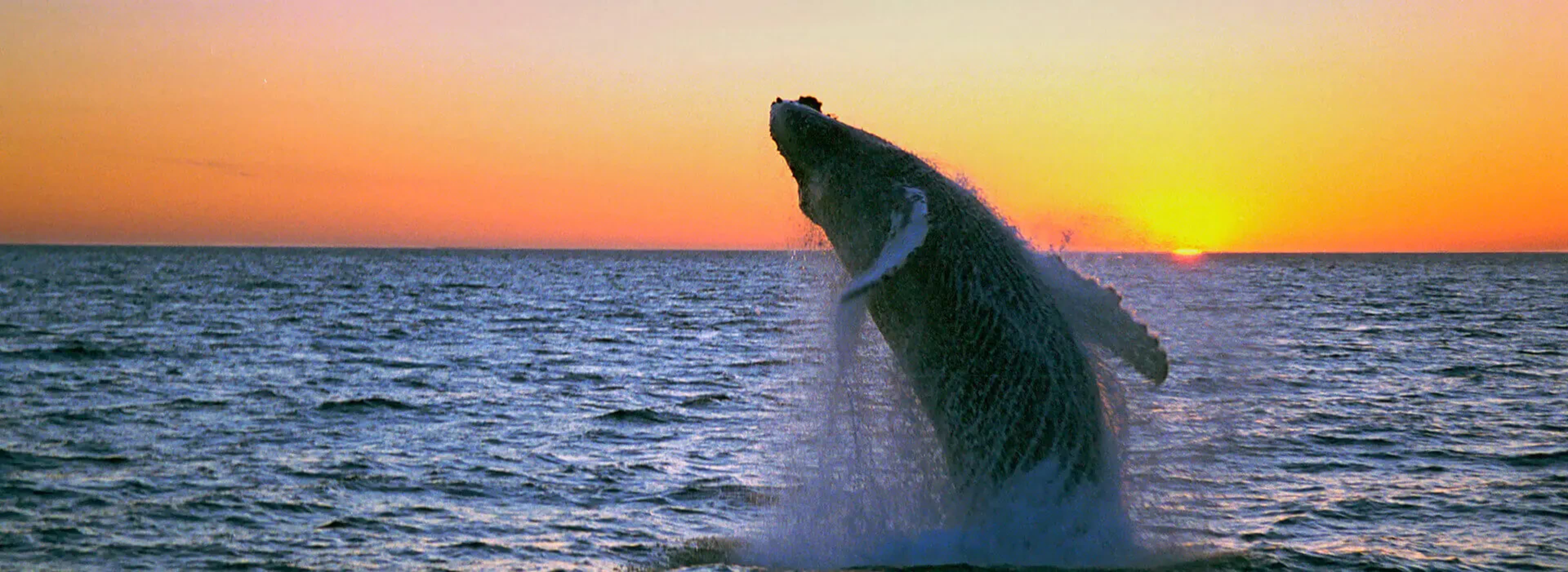
ExtraClassic Whale Watching from Reykjavík
 Extra
ExtraLava Show Reykjavík
 Extra
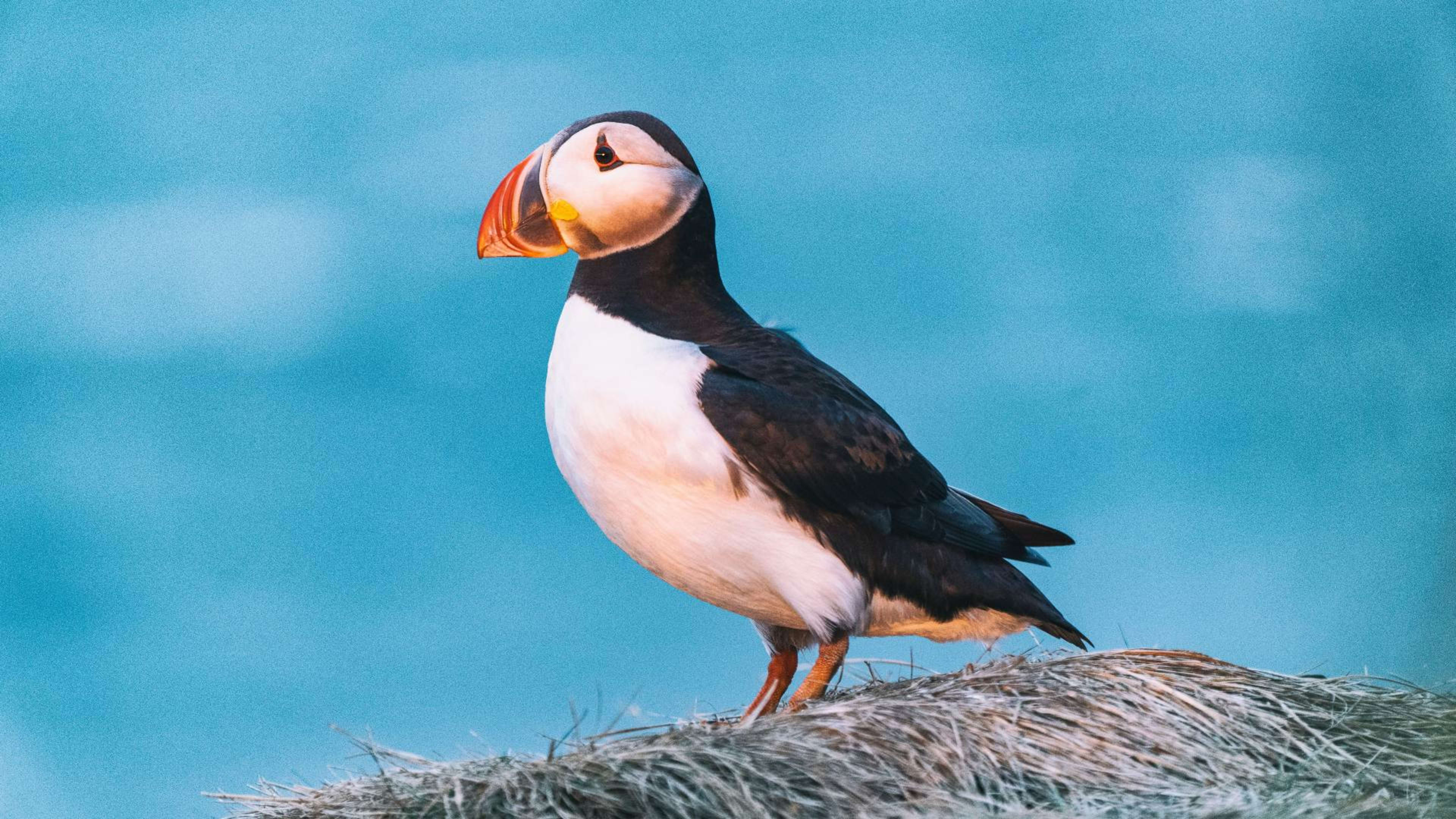
ExtraPuffin Watching
 Extra
ExtraThe Reykjavík Food Walk
 Extra
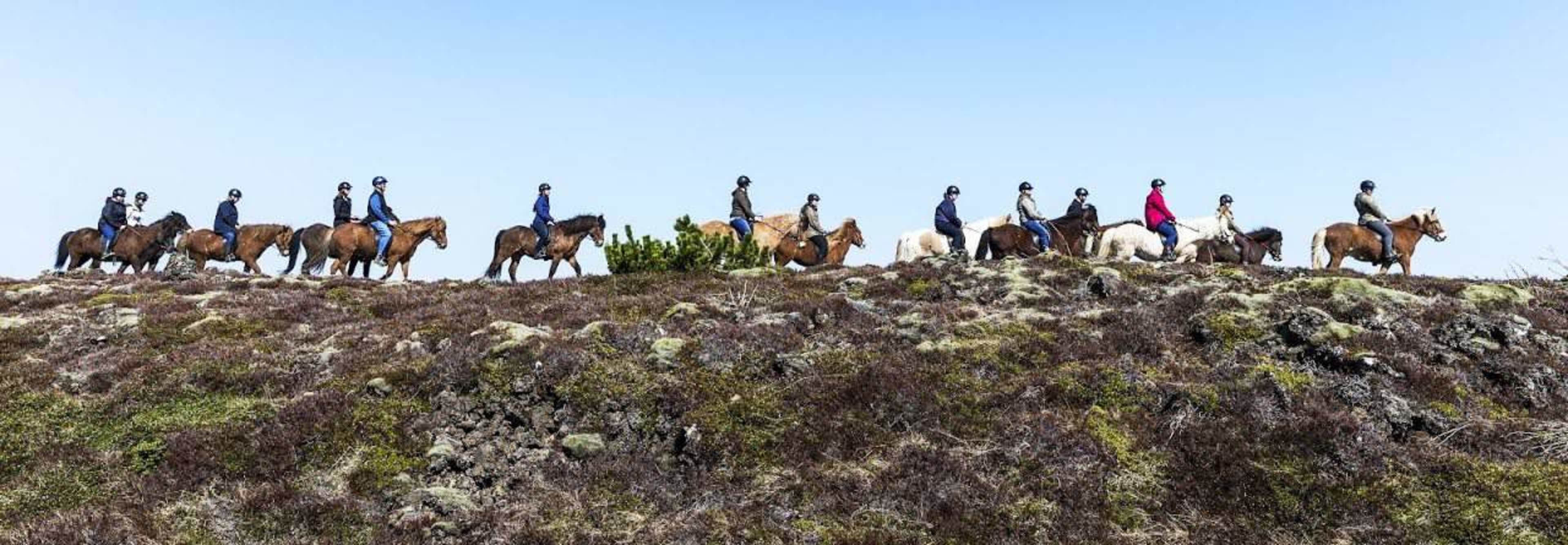
ExtraHorse Riding from Reykjavík
 Extra
ExtraInside the Volcano tour from Bláfjöll
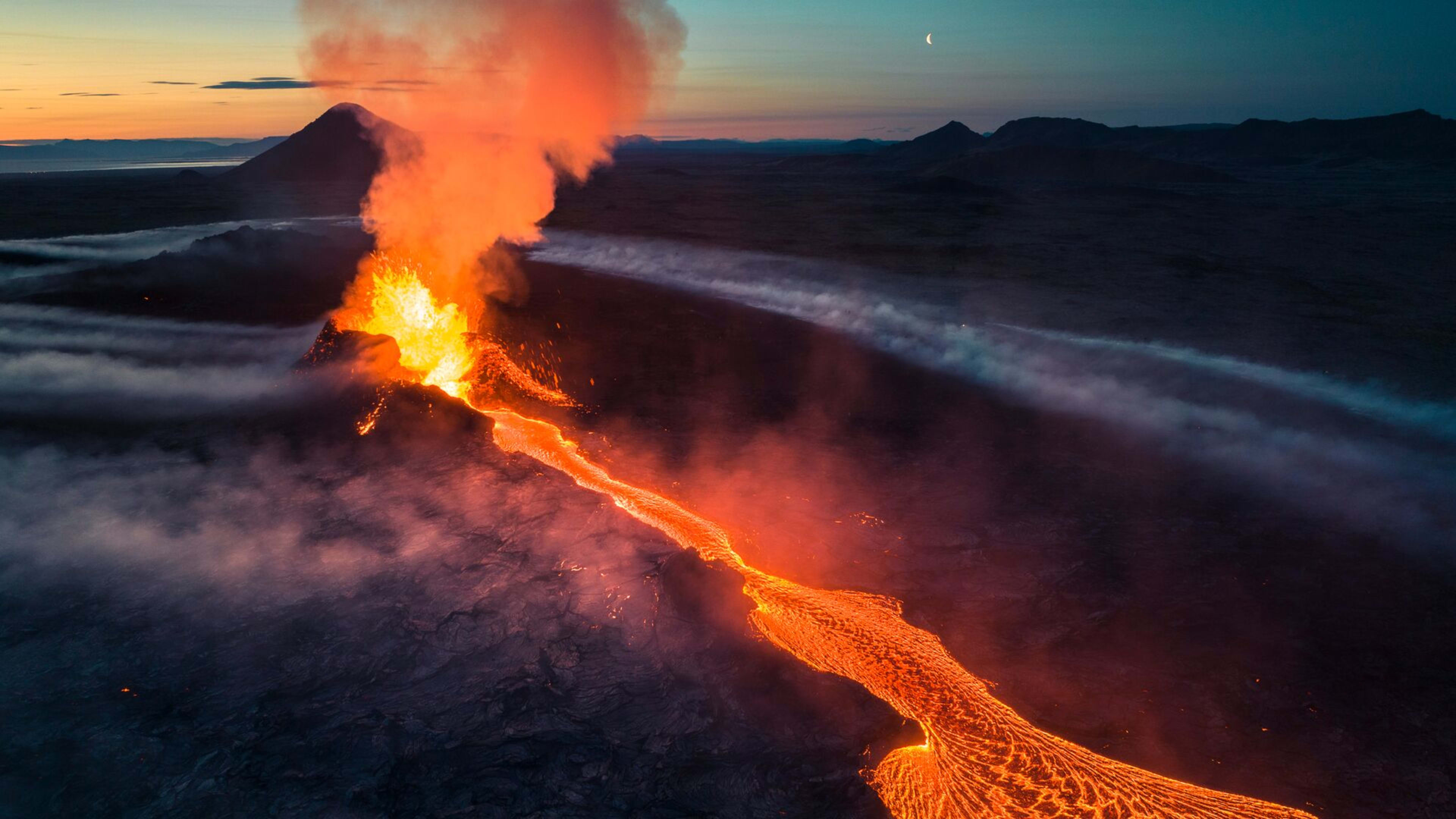
The Reykjanes peninsula sits on the Mid-Atlantic Ridge and is one of the most geologically active stretches of land in Iceland. The Bridge Between Continents near Reykjanesviti lighthouse spans a visible rift between the North American and Eurasian tectonic plates. The Fagradalsfjall volcanic system has produced a series of eruptions in recent years, creating some of the youngest lava fields on Earth. Conditions at the eruption area change depending on activity, but when accessible, the hike to the lava fields is around 7 kilometres each way and takes approximately four hours. Appropriate footwear and weatherproof clothing are needed. After the peninsula, the route continues to Hveragerði for the night, a town built over an active geothermal field with steam vents throughout the settlement.
The day starts with the option to visit Raufarhólshellir, one of Iceland’s longest lava tubes. The tunnel was formed when the outer surface of a lava flow hardened while molten rock continued to move through the interior, eventually draining and leaving the passage behind. Guided tours run through the tube, where lava formations and mineral deposits colour the walls.
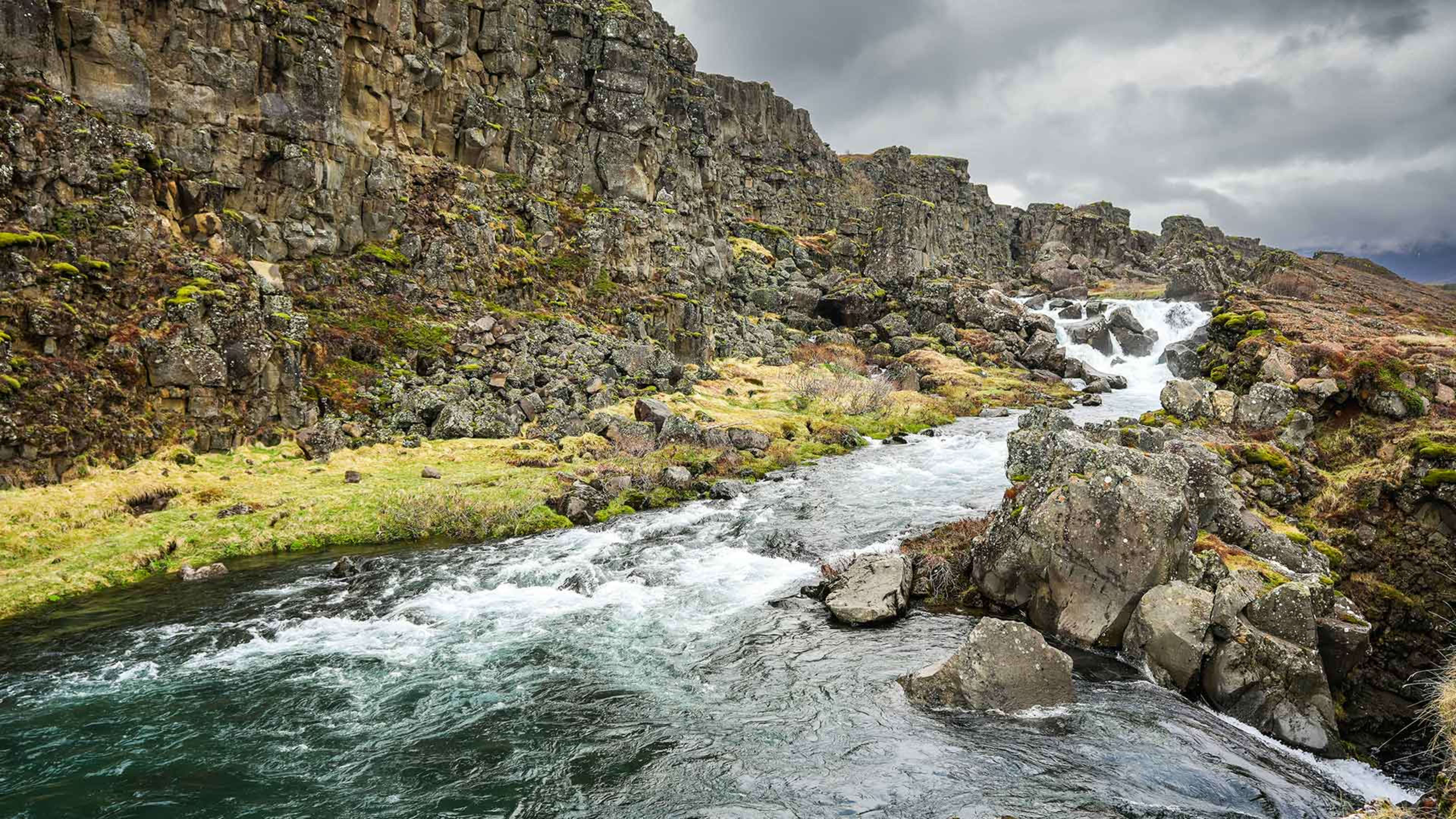
From there the route continues to the Golden Circle. Þingvellir National Park is a UNESCO World Heritage Site and the location of Iceland’s original parliament, the Alþingi, founded in 930 AD. The Almannagjá rift valley runs through the park where the tectonic plates are visibly pulling apart, with fissures and flooded cracks visible throughout. At the Geysir geothermal area, Strokkur erupts every six to ten minutes. Gullfoss drops in two stages into a canyon cut by the Hvítá river. You’ll overnight in the Flúðir area.
Today’s destination is Landmannalaugar in the central highlands, reached via the F208 highland road. The road involves river crossings and rough terrain that requires a 4x4. The drive through the interior is part of the experience, passing across vast lava fields and open highland landscape before the rhyolite mountains of Landmannalaugar come into view.
The mountains here are coloured in shades of red, orange, yellow, and green from different mineral deposits and geothermal activity. Obsidian lava fields from past eruptions stretch across parts of the area, their glassy surfaces distinct from the older weathered rock. Natural hot springs at the foot of the mountains mix geothermal and cold stream water. The mountain hut has information on hiking routes across the area. After exploring, the route continues south over the highlands to Kirkjubæjarklaustur for the night.
Lakígígar is a 27-kilometre volcanic fissure in the western part of Vatnajökull National Park, formed during the 1783 eruption that was one of the most significant in recorded history. The eruption released enough lava and toxic gases to affect climates across the northern hemisphere and cause widespread crop failures in Europe. The fissure runs across the landscape as a row of craters, and the scale of it becomes clear when you walk along the rim. It remains one of Iceland’s most important geological sites and sees far fewer visitors than the main tourist routes.
On the return, Fjaðrárgljúfur is a narrow canyon believed to have been carved at the end of the last ice age around 9,000 years ago. A path runs along the rim with views down to the river winding through the gorge below. Overnight in Kirkjubæjarklaustur for a second night.
The route west passes through Skaftafell, where hiking trails run through birch woodland with views of glacial tongues descending from Vatnajökull. Svartifoss waterfall is a short hike from the car park, framed by dark hexagonal basalt columns that break away from the cliff face in a pattern that looks engineered. Guided glacier walks can be added as an optional extra if you want to get onto the ice.
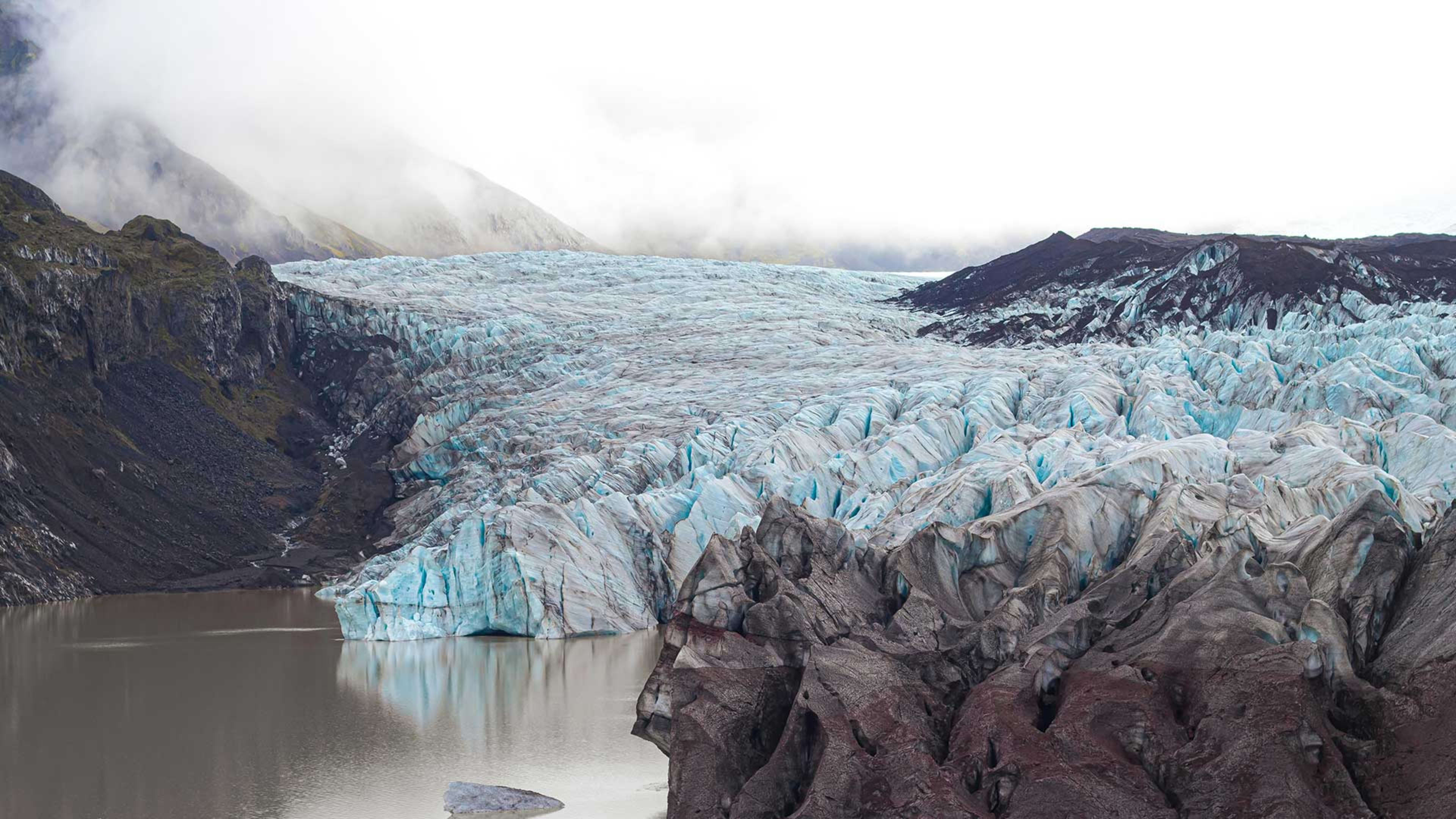
Jökulsárlón glacier lagoon sits a short distance further west, where icebergs calved from Breiðamerkurjökull glacier drift through deep water in shades of white, blue, and ash-grey. Seals swim among the ice. Directly across the road, Diamond Beach collects ice on black volcanic sand. Continuing west, the route passes Reynisfjara black sand beach and the village of Vík before the overnight stop in the Hvolsvöllur area.
The ferry to Heimaey in the Westman Islands departs from Landeyjarhöfn on the south coast. On the way, Seljalandsfoss is worth a stop since the path behind the waterfall is one of the more unusual vantage points on the south coast. The ferry crossing to Heimaey takes around 30 to 40 minutes. Ferry tickets are included in your package.
Heimaey is the only inhabited island in the archipelago and carries a well-documented volcanic history. The Eldfell eruption in January 1973 began without warning and eventually forced the evacuation of the island’s 5,300 residents. The town was partially buried in lava and ash before residents and firefighters slowed the advance by pumping seawater onto the lava front. The eruption site is accessible on foot, and ground temperatures in places are still measurable decades later. The hike to the summit of Eldfell gives a full view over the island and the surrounding archipelago.
Boat tours around the island pass the Elephant Rock sea arch and the puffin colonies nesting on the sea cliffs. The Westman Islands are home to the world’s largest Atlantic puffin colony. After returning on the afternoon ferry, the drive back to Reykjavík completes the day.
The drive from Reykjavík to Keflavík Airport takes around 45 minutes. If your flight is in the afternoon, there is time for a final morning in the city or a stop at Blue Lagoon, which sits on the route to the airport on the Reykjanes peninsula.
What’s included?
Detailed itinerary
Budget, Comfort, or Quality accommodation every night
Continental breakfast every day
Rental car of your choice for 7 days
2 authorized drivers as standard
Unlimited mileage
Unlimited in-car Wi-Fi
Collision damage waiver
Tickets for Herjólfur ferry to Westman Islands
24/7 emergency helpline when you’re in Iceland
Carbon offsetting of your tour
VAT, taxes & service fees (ex. Road Tax)
Flights to Iceland
Fuel & parking charges
Food & drink, unless otherwise stated
Attraction entrance fees, unless otherwise stated
Personal travel insurance
Iceland Road Tax
Customer reviews
Read what real customers had to say about Iceland Geology & Hot Springs Self-Drive - 8 Days/b>.
FAQs about our self-drive trips
On a self-drive trip with Iceland Tours, everything is pre-arranged before you arrive. Your rental car, accommodation, and any booked activities are confirmed in advance, so when you land at Keflíavík Airport you can collect your keys and get on the road without any logistics left to sort out. All you need to manage is your own time each day.
Every trip comes with a detailed day-by-day itinerary created by our Reykjavík-based travel team, giving you a clear route, suggested stops, and things to do and see at each stage. You can follow it closely or adapt it as you go. The important thing is staying within reasonable distance of your accommodation each night, which is already booked for you throughout the trip.
Every car also comes with a portable Wi-Fi device (Mi-Fi), so navigation and staying connected are both covered from day one. If anything comes up during your trip, a 24/7 emergency helpline staffed by our local Reykjavík team is available throughout your journey. You can explore our full range of Iceland self-drive tours to find the right length and route for your trip, or read more about how car rental in Iceland works before you book.
Booking at least a few weeks before your travel date gives us enough time to confirm your preferred accommodation and finalize your itinerary. We are unable to accept bookings with less than one week’s notice.
For summer travel between June and August, booking several months ahead is strongly recommended. Accommodation in rural areas fills up quickly during peak season, and popular activity add-ons like glacier walks and whale watching can sell out well in advance. Booking early also lets you lock in your preferred car type and accommodation tier before availability narrows.
You only need a 5% deposit to secure your trip, with the balance due closer to your departure date. This low-deposit model means you can confirm your plans early without a large upfront commitment. If your plans change, our cancellation policy offers up to a 95% refund up to five days before arrival, with the retained 5% converted into a long-valid travel credit you can use on a future booking. See our how to book with us page for full details.
Most international driving licenses are accepted in Iceland. You need to be at least 20 years old to rent a standard car, or 23 years old for larger vehicles like 4x4s and vans, and you must have held a valid license for at least one year. You will also need to present a credit card in the main renter’s name when collecting your vehicle.
An International Driving Permit is only required if your license is not in Latin script, for example if it is in Arabic or Chinese characters. If you are unsure whether your license qualifies, our team is happy to advise before you book.
Iceland drives on the right, with speed limits and distances in kilometers. Roundabouts are common, especially around towns, and in rural areas you may encounter single-lane bridges, gravel roads, and sheep on the road. Our detailed itinerary includes route guidance for each day, and the portable Wi-Fi device means you can use live navigation throughout the trip. For a full overview of what to expect behind the wheel, see our guide to driving in Iceland and our page on car rental in Iceland.
Yes. Every self-drive trip can be extended with additional nights in Reykjavík or elsewhere along the route. If you have a particular interest or a region you want to spend more time in, we recommend getting in touch with our travel team before you book. This way we can advise on what’s possible, flag any additional costs, and make sure your preferences are built into the booking from the start. This means a smoother process and no amendment fees down the line.
The itinerary itself provides a well-tested route and daily plan, but the self-drive format gives you genuine flexibility to adjust your pace, linger at stops you enjoy, or take side routes as conditions allow. The structure handles the logistics so the day-to-day decisions remain yours.
If you are looking at a range of itinerary lengths or want to compare what is covered across different trips, you can browse the full Iceland self-drive tour collection or get in touch with our Reykjavík-based team through the contact page to talk through your options.
Optional activities are available to add during the booking process, and you will be shown exactly what is on offer for each day of your trip at checkout. Popular additions include glacier walks, whale watching, ice cave tours, lava cave explorations, horseback riding, and geothermal spa visits.
Adding activities through Iceland Tours at the time of booking means everything is coordinated with your itinerary and accommodation in advance, rather than arranging things independently on arrival. This is particularly worth considering for activities that require guides or have limited availability, since spots can fill up during peak season.
If you would like more activities built directly into the itinerary rather than added as extras, our 10-Day Active Ring Road & Snæfellsnes Self-Drive is structured with more activity inclusions as standard. You can also read more about planning your trip on our Iceland travel guide.
Iceland drives on the right, with steering wheels on the left side of the car. Speed limits are posted in kilometers per hour. The rules of the road broadly follow European conventions, but there are a few things worth knowing before you set off.
Roundabouts are very common throughout Iceland, particularly in and around towns. Traffic already in the roundabout has right of way, and if you are in the inner lane of a multi-lane roundabout, you also have priority over vehicles in the outer lane. In rural areas, you may encounter one-lane bridges, blind hill crests, and gravel roads on some secondary routes.
During summer, sheep roam freely and often wander onto the road, so be prepared to slow down and give way when you encounter them. In East Iceland during winter, you may also encounter reindeer. Your trip comes with a portable Wi-Fi device for navigation, and our detailed itinerary notes specific things to watch for on each leg of the route.
If you are planning a winter trip, our local team monitors road and weather conditions and is reachable 24/7. For a comprehensive overview of driving conditions, road types, and seasonal considerations, see our guide to driving in Iceland.
Once you have paid your deposit, we begin finalizing your accommodation, rental car, and any booked activities. As soon as confirmation is received from all partners, we will email you to let you know your travel documents are ready to access in our booking portal.
We aim to have everything confirmed within a few weeks of receiving your booking. During busy periods this may take a little longer, but you will always receive your complete documents before your departure date. Your documents include your full day-by-day itinerary, accommodation details, rental car pickup information, and contact details for our 24/7 in-Iceland helpline.
If you have questions about your booking at any point before your trip, you can reach our Reykjavík-based team through the contact page. Iceland Tours has been organizing Iceland trips for over 40 years, and our local team is available to help with any questions about your itinerary or preparations.
Your rental car can be collected from the arrivals hall at Keflavík International Airport. Your travel documents will confirm the name of the car rental company and advise you to proceed to their service desk in the arrivals hall. Have your driver’s license and credit card in the main renter’s name ready when you arrive.
Rental car desks at Keflavík operate at different hours depending on the provider. If your flight arrives outside standard desk hours, the rental company will typically have made arrangements given your expected arrival time. Your travel documents will include a contact number if you need assistance on arrival.
Your car comes with unlimited mileage, collision damage waiver, and authorization for a second driver as standard, along with the portable Wi-Fi device included with every trip. If you are planning to spend extra days in Reykjavík before your self-drive begins, you also have the option to collect your car from the city rather than the airport. See question 9 for details.
Yes. If you prefer to pick up your rental car in Reykjavík rather than at Keflíavík Airport, simply let us know in the special requests field during checkout and we will arrange it for you.
This is a practical option if you are arriving early and want to spend time in the city before your self-drive itinerary begins. Reykjavík has a lot worth exploring, from the iconic Hallgrímskirkja church and the waterfront Harpa concert hall to the city’s well-regarded restaurant scene. Our downtown Reykjavík and Reykjavík attraction pages are a useful starting point for planning those extra days.
If you request different pick-up and drop-off locations, for example collecting in the city and returning at the airport or vice versa, a one-way fee of around ISK 7,900 (approximately EUR 60) applies. This is paid directly to the rental company when you collect the car.
Every Iceland Tours self-drive package includes the following as standard: a rental car of your choice with unlimited mileage, collision damage waiver, authorization for a second driver, and a portable Wi-Fi device. Accommodation at your chosen level is booked for every night of the trip, and continental breakfast is included daily.
You also receive a detailed day-by-day itinerary built by our local travel experts, along with access to a 24/7 emergency helpline staffed by our Reykjavík-based team throughout your trip. Carbon offsetting of your tour is included, and all VAT, taxes, and service fees are covered.
What is not included: international flights, fuel and parking, personal travel insurance, the Iceland Road Tax (a small charge collected at pickup), food and drink beyond breakfast, and attraction entrance fees unless otherwise stated on your specific tour page.
Iceland Tours has been organizing self-drive trips in Iceland for over 40 years and is Travelife-certified for sustainable operations. When you book a package with us rather than piecing together a trip independently, every element of the logistics is handled in advance by people who know the country well, so you can focus on the trip itself.
See our accommodation page and car rental page for more detail on what is available at each level, and visit our why book with us page for a full overview of what sets Iceland Tours apart.
When you book a self-drive package with Iceland Tours, you choose from three accommodation levels: Budget, Comfort, or Quality. All three include continental breakfast every day.
Budget accommodation is guesthouses and country hotels with shared bathrooms, a practical and affordable choice that still puts you in well-located, locally run properties.
Comfort moves to a selection of hotels, guesthouses, and country and farmhotels with private bathrooms, offering a comfortable step up in quality and facilities.
Quality represents the best available accommodation in each area from our selection. This typically means four-star hotels or superior rooms at three-star properties, though in more remote parts of Iceland, where the options are naturally more limited, it means the highest-quality property available in that location. Breakfast is included at all levels.
All accommodations are handpicked by our team and pre-booked before your trip begins. In rural Iceland, accommodation options are more limited than in the cities, which is one of the reasons booking ahead matters. Securing your places early as part of a package means you are not left searching for availability in remote areas during peak season. For travelers who prefer something closer to nature, we also offer Iceland self-drive camping tours. Read more about all accommodation options on our accommodation in Iceland page.
Iceland’s weather can change quickly regardless of the time of year, so packing for multiple conditions is the right approach even in summer. The essentials are: waterproof walking boots, waterproof trousers, thermal underlayers, fleeces or warm sweaters, a waterproof rain jacket, a warm outer jacket, and a hat, scarf, and gloves. Sunglasses are useful year-round. Swimwear is worth packing since hot springs and geothermal pools appear throughout the country, and lip balm and moisturizer will be appreciated given the wind.
For practical self-drive needs, your car comes with a portable Wi-Fi device so a phone mount for navigation is useful. A portable power bank is handy for longer days out. If you are visiting in winter, ice scrapers are typically provided with the car, but dressing in proper thermal layers for time spent outside makes a real difference.
For a full seasonal packing guide covering everything from summer hiking to winter driving, see our Iceland packing list. The Iceland in winter guide and our Iceland winter weather and packing article are also useful if you are traveling in the colder months.
Carbon offsetting is already included as standard with every Iceland Tours package. We have partnered with an environmental fund in Iceland to cover the carbon footprint of the tour itself, so there is nothing extra you need to do or pay.
Iceland Tours is Travelife-certified, meaning our operations are independently assessed against sustainability standards covering environmental, social, and supply chain criteria. This certification reflects a commitment to responsible travel that goes beyond carbon offsetting, including how we select local accommodation and activity partners.
Carbon offsetting for international flights to and from Iceland is not included in the tour package, but your airline may offer offset options at the time of booking, or you can arrange this through a local or national environmental fund. For more on how we approach sustainable travel, see our sustainability policy and our article on responsible and sustainable travel in Iceland.
The short season is determined primarily by access to Landmannalaugar. The F208 highland road that leads to the area crosses rivers and traverses terrain that is snowbound or flooded outside the summer months. The highland interior of Iceland is generally not safely accessible before late June or after late August, depending on the year. All other stops on the itinerary are accessible for a longer season, but the Landmannalaugar day is central to what makes this tour distinct, so the operating window is set around it.
All vehicles available on this tour are 4x4s. Options include the Kia Sportage 4x4, Volkswagen Caravelle 4x4, and Toyota Land Cruiser 250, among others. A 4x4 is required for the F208 highland road to Landmannalaugar, which involves river crossings that are not passable in a standard car. The vehicles also handle the gravel roads near Lakígígar and other off-route stops more comfortably. You choose your preferred vehicle during the booking process.
Lakígígar is a 27-kilometre volcanic fissure in the western part of Vatnajökull National Park. It was formed during the 1783 eruption known as the Skaftá Fires, one of the largest effusive eruptions in recorded history. The eruption released an enormous volume of lava and a toxic haze of sulfur dioxide that drifted across Europe, causing crop failures, livestock deaths, and contributing to famine conditions. In Iceland, it killed a significant portion of the population. The fissure itself stretches across the landscape as a chain of craters and is rarely visited compared to Iceland’s main tourist routes, making it one of the more unusual stops on any Iceland itinerary.
In January 1973, a volcanic fissure opened without warning on Heimaey, the main island in the Westman Islands archipelago. The island’s entire population of around 5,300 people was evacuated overnight by fishing boat. Over the following months, lava flows advanced toward the harbour and buried part of the town under ash and rock. Residents and firefighters pumped millions of tonnes of seawater onto the advancing lava front in an effort to slow it, which is widely credited with saving the harbour. The eruption eventually stopped in June 1973. Eldfell, the volcano that formed during the eruption, can be hiked today, and ground temperatures on the upper slopes remain elevated. The Eldheimar museum on the island documents the eruption and the community’s response in detail.
The Fagradalsfjall volcanic system on the Reykjanes peninsula has produced a series of eruptions since 2021, and the area around the eruption sites has been accessible between active phases. Access depends on current volcanic activity and any safety restrictions in place at the time of your visit. When open, the hike to the lava fields is approximately 7 kilometres each way and takes around four hours. The terrain is rough, with no formal path in places, and conditions change with weather. Your itinerary includes the peninsula as a day two destination, and your travel documents will include current guidance on access. If the area is restricted at the time of your visit, the peninsula has other significant geothermal and geological sites to explore.