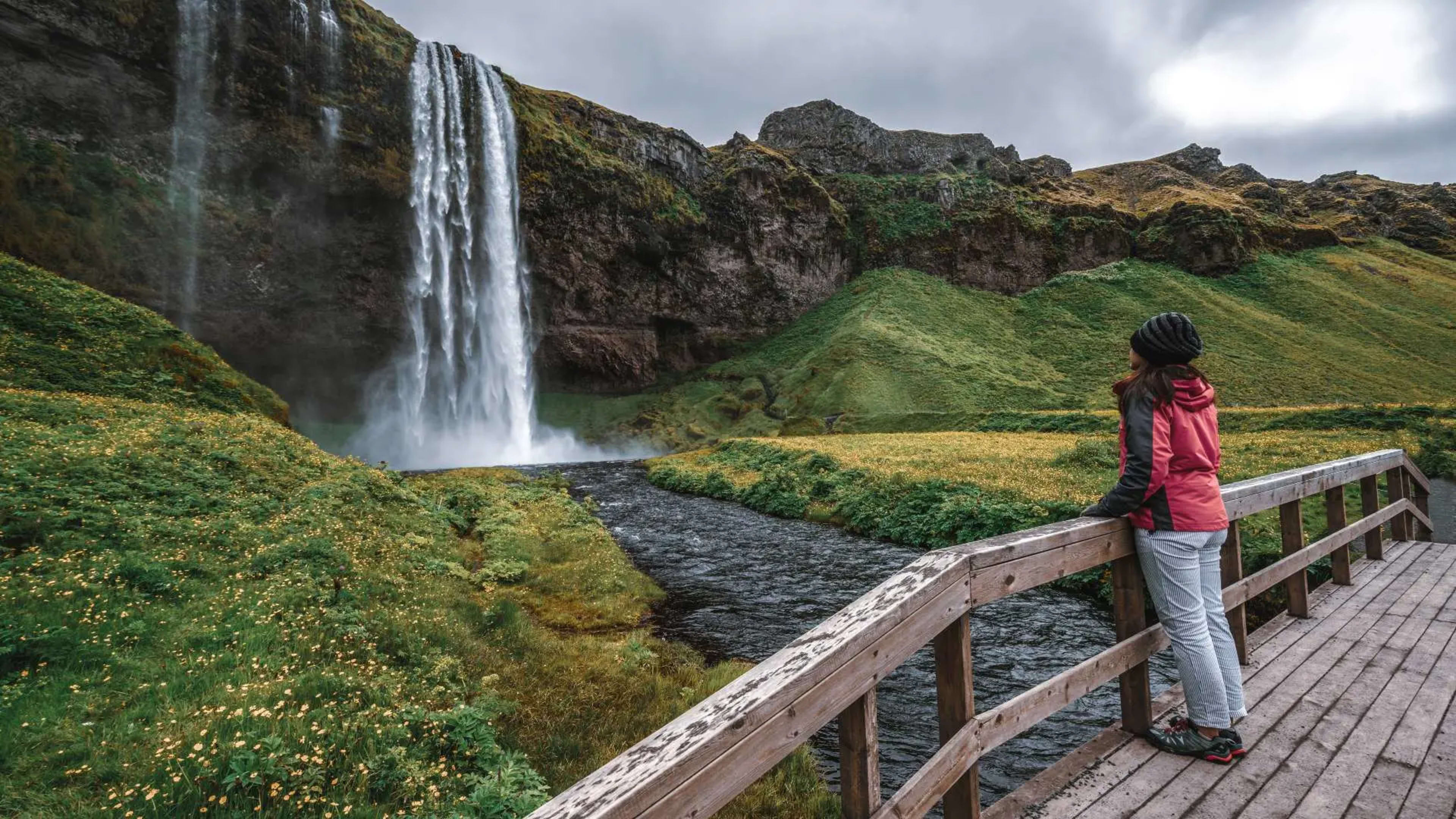
Iceland's summer weather is hard to predict, even in June, July, and August. Temperatures average 50°F to 59°F (10°C to 15°C), but rain and strong winds can make it feel much colder. A solid Iceland summer packing list is one of the best things you and your partner can put together before your trip.
The right gear can save your trip from a bad day and turn it into one you will talk about for years. Read this guide to know exactly what to pack, what to skip, and how to stay comfortable on every day of your Iceland adventure.
Why Packing Right for Iceland Matters
Packing well is one of the easiest ways to get more out of your trip. The right clothing and gear let you and your partner focus on enjoying Iceland. You spend less time dealing with cold, wet, or sore feet and more time taking it all in.
Quick Iceland Summer Weather Overview
Wind is the weather condition most travelers underestimate, especially near waterfalls and open coastlines. Even on a sunny morning, temperatures can drop fast once clouds move in. A single afternoon can shift from warm and bright to cold and wet in just a few hours. Summer also brings the Midnight Sun, with nearly 24 hours of daylight in late June. That much light makes it genuinely hard to fall asleep at night.
Essential Clothing Items for Iceland Summer
Iceland can see rain, wind, and sunshine all in the same afternoon. Packing for that kind of weather means thinking in layers, not outfits. Below you will find the essential clothing items for your Iceland packing list, chosen to work together no matter what the day throws at you.
Base Layers
Your base layer is the first thing that keeps you comfortable on a full day out in Iceland. Merino wool is the best choice for Iceland's climate because it regulates body temperature, resists odor, and dries quickly when damp. Avoid cotton entirely since it holds moisture and stays cold against your skin.
Mid Layers
A good mid-layer makes all the difference between a comfortable day and a cold one. A fleece jacket or a light insulating jacket works well for most conditions you will face. These are easy to pull on when the wind picks up and just as easy to remove when the sun comes back out.
Waterproof Outer Layer
Rain in Iceland can arrive without warning. A hooded jacket and matching pants are the two items you should never leave at your accommodation, and both need to be water-resistant. Look for a compact, packable shell that fits easily over your other clothing. Trails can be muddy and wet even on dry days, and regular pants take far too long to dry once soaked.
Best Shoes for Iceland Summer Travel
How much damage can the wrong shoes do in Iceland? Quite a lot, especially on wet trails and uneven terrain. For a summer trip, you will need at least three types of footwear, each suited to a different situation.
Hiking Boots
Iceland's trails are unforgiving for unprepared feet, especially near glaciers, waterfalls, and the Highlands, where the ground can be wet, uneven, and slippery. A sturdy pair of waterproof hiking boots is the single most important piece of footwear you will pack. Break them in at home before you leave to avoid painful blisters on day one of the trail.
Casual Shoes
A pair of casual shoes is useful for evenings or time spent in cafes and restaurants in Reykjavik. Comfortable walking shoes or lightweight sneakers work well for city use. They add versatility without taking up too much space in your luggage.
Sandals for Hot Springs
Pack a pair of sandals or flip-flops for hot spring visits and geothermal pool facilities. Most hot springs and lagoons have locker rooms and poolside walkways where sandals are practical. They are easy to pack and take up very little room in your bag.
Best Travel Backpacks for Couples on an Iceland Summer Trip
Your bag works just as hard as your clothing on any Icelandic summer trip. As a couple, sharing one large pack means one person carries the weight while the other walks free, which causes real strain on longer trails. Two individual daypacks are the more balanced option, especially when following an active Iceland summer packing list built for long days outdoors.
- Size: 20 to 30 liters (1,200 to 1,800 cubic inches) fits one person's full day kit comfortably
- Exterior: A built-in water-resistant shell or a clip-on rain cover to keep your gear dry on wet days
- Fit: Padded shoulder straps and a hip belt to reduce strain on longer hikes
A well-fitted daypack also means you can move freely on uneven ground without adjusting your bag every few steps. Getting the fit right before your trip saves you a lot of discomfort on longer trail days.
Must-Have Accessories for Iceland
The smallest items in your bag often do the heaviest lifting on a full day out in Iceland. These are the clothing accessories worth adding to your bag before you leave home:
- A scarf or neck warmer to block the cold wind on exposed trails
- Warm hat for chilly mornings, even in July
- Light gloves for windy days near waterfalls or along the coast
- Sunglasses with UV protection for the long, bright summer days
- Sunscreen with SPF 30 or higher, since sunlight reflects strongly off snow and water
- Sleep mask to block the Midnight Sun for a proper night's rest
- Reusable water bottle since Iceland's tap water is clean and safe to drink straight from the tap
Health and Safety Items
A small first aid kit is one of the most practical things you can bring when planning a trip to Iceland. Include blister pads, pain relief tablets, antiseptic wipes, and any personal medications. Keep your travel insurance documents printed and saved to your phone in case of an emergency. Medical care in Iceland is excellent, but it can be very expensive for visitors without coverage.
Electronics and Camera Gear
Your phone and camera will get a real workout in Iceland, so keeping them charged and protected is worth planning for. Cold air and rain drain batteries faster than you might expect, especially on full days outdoors. Here is what to bring:
- Camera with extra memory cards
- A portable power bank to keep your phone and camera charged on long days out
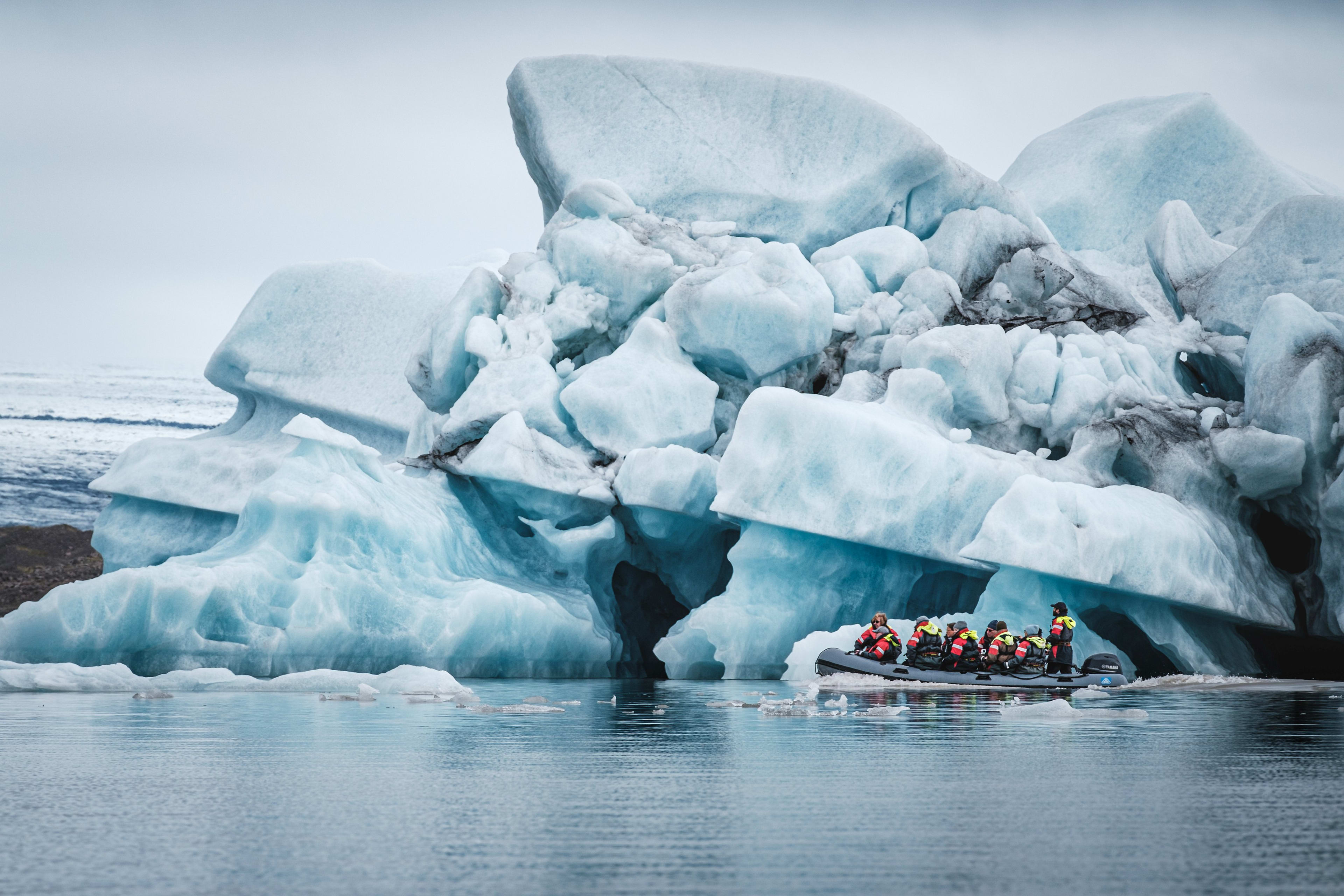
- A sealed phone case or dry bag to protect devices near waterfalls and on boat tours
- Offline maps downloaded on your phone before leaving your accommodation in Iceland
- Headlamp for late-night walks during the Midnight Sun
- Universal power adapter since Iceland uses Type F plugs at 230V
Swimwear for Hot Springs and Lagoons
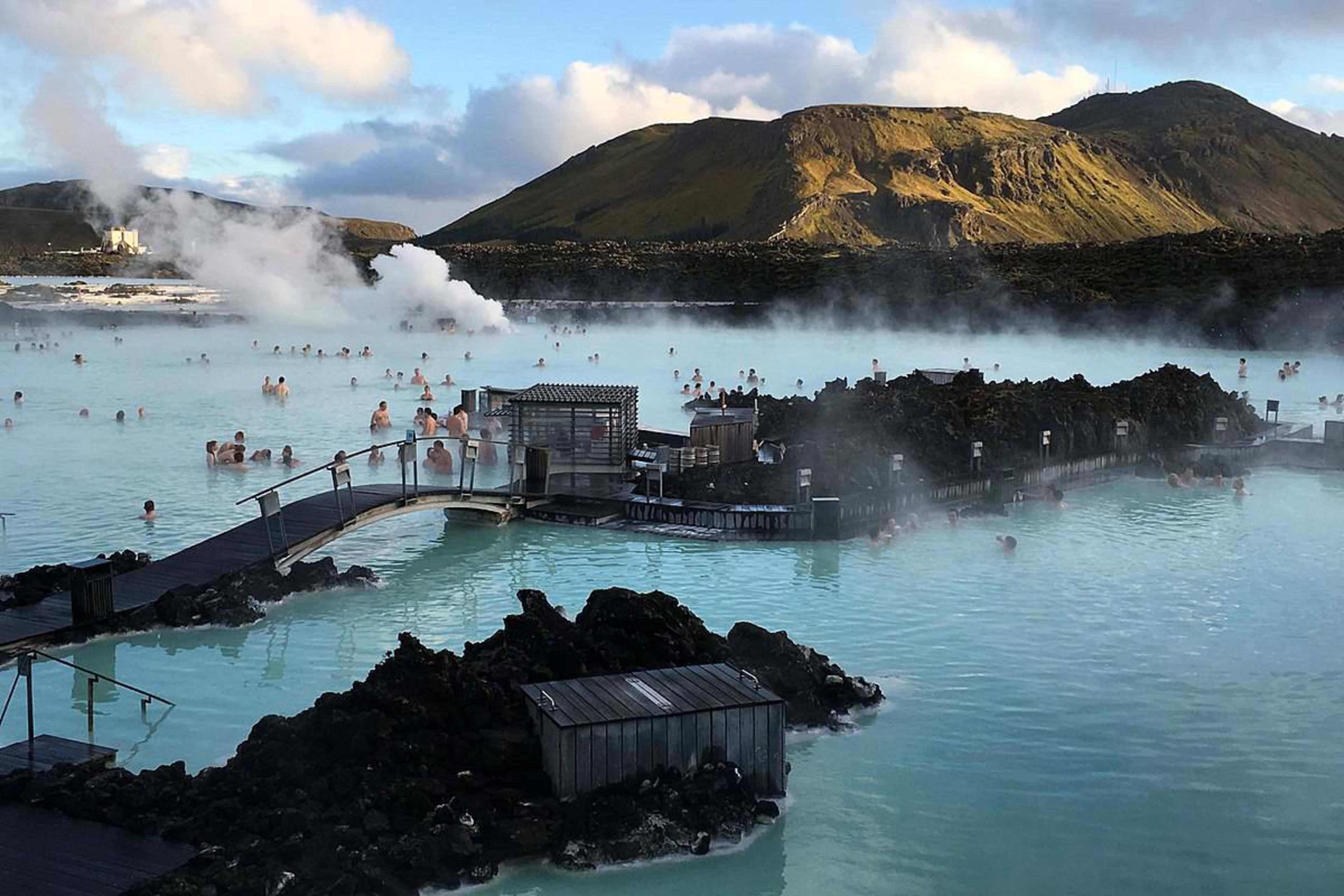
Iceland's geothermal pools and lagoons, including the famous Blue Lagoon, are a must for any couple on a trip to Iceland. Most facilities expect a swimsuit, so pack one you are comfortable wearing in a public pool setting. A quick-dry towel is also worth bringing since some locations charge extra to rent one.
What NOT to Pack for Iceland
Not everything needs to come with you on a summer trip to Iceland. Here are the items that take up space without earning their place in your bag.
- An umbrella, since Iceland's wind will turn it inside out within minutes
- Heavy denim jeans, since they take a long time to dry and become uncomfortable when wet
- Too many casual outfits since you will spend most of your time outdoors and will prioritize function anyway
- Expensive jewelry, since you will rarely need it, and it adds unnecessary stress to your trip
- Hair dryer, since most accommodations in Iceland already provide one
Plan Your Iceland Adventure
Packing for Iceland does not need to be complicated, but it does need to be intentional. The right layers, solid footwear, and a few small accessories are what separate a smooth trip from a frustrating one. Use this Iceland summer packing list as your starting point and adjust it to fit your own itinerary.
Once your bag is ready, the next step is planning where to go. Our 7-day Iceland self-drive itinerary gives you a clear, day-by-day plan to follow from the moment you land.
FAQs about your Iceland summer packing lists
Yes, most guesthouses and hotels in Iceland have laundry facilities or offer laundry service for a fee. Washing clothes mid-trip means you can pack light and avoid checking in a large bag.
Choosing merino wool base layers and mid layers that work across multiple days without washing is the most effective way to pack light. Sticking to the layering system in this guide also means you need fewer total pieces of clothing.
Summer temperatures usually range between 50°F and 59°F (10°C to 15°C), but wind and rain can make it feel much colder. Always pack warm layers, regardless of the forecast.
Jeans are fine for Reykjavik, but they are not ideal for hiking or rainy days because they dry very slowly. Waterproof hiking pants are a much better choice for outdoor activities.
Yes, waterproof clothing is essential in Iceland, even during summer. Sudden rain, strong winds, and waterfall spray can leave regular clothing cold and soaked within minutes.