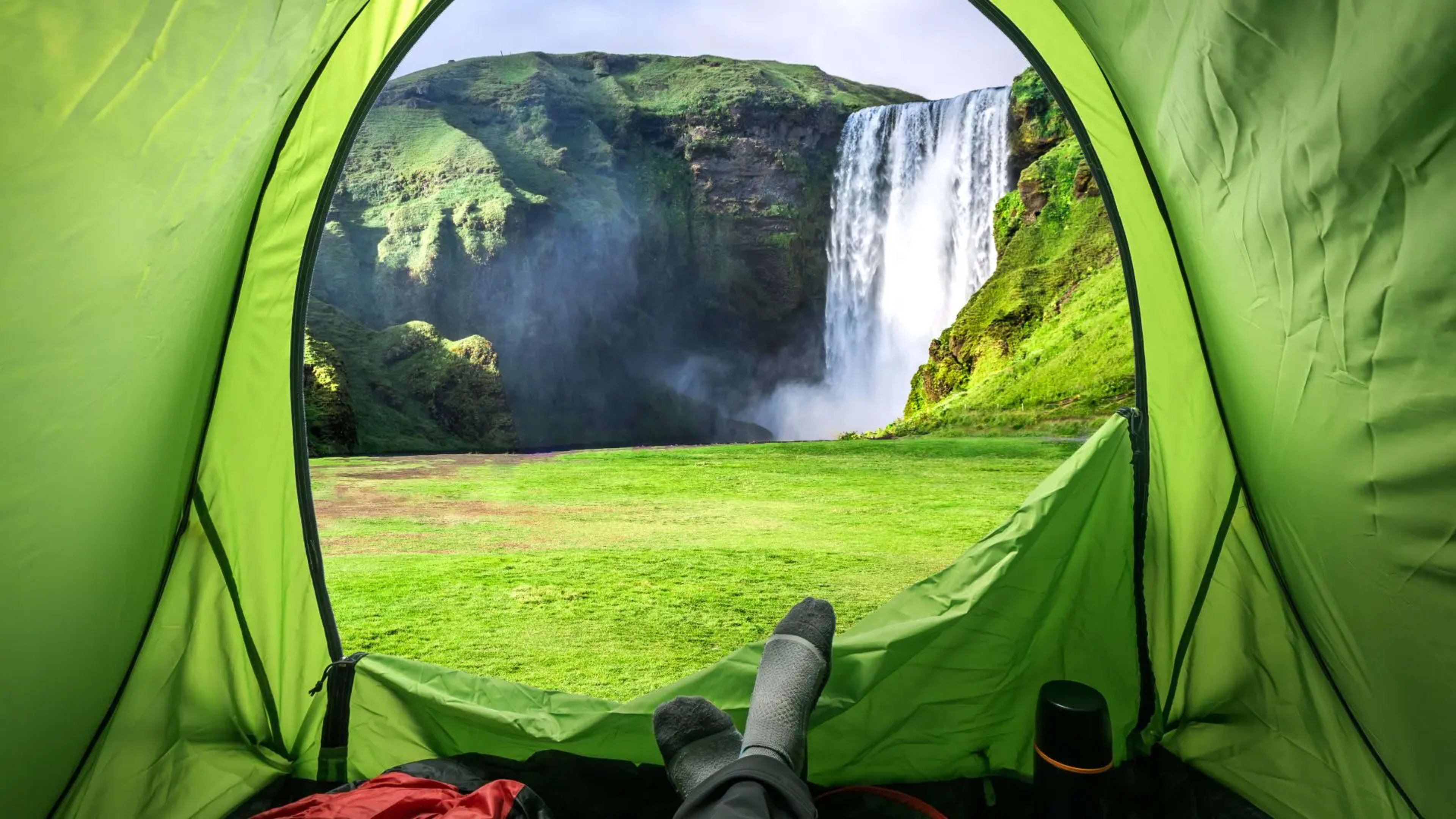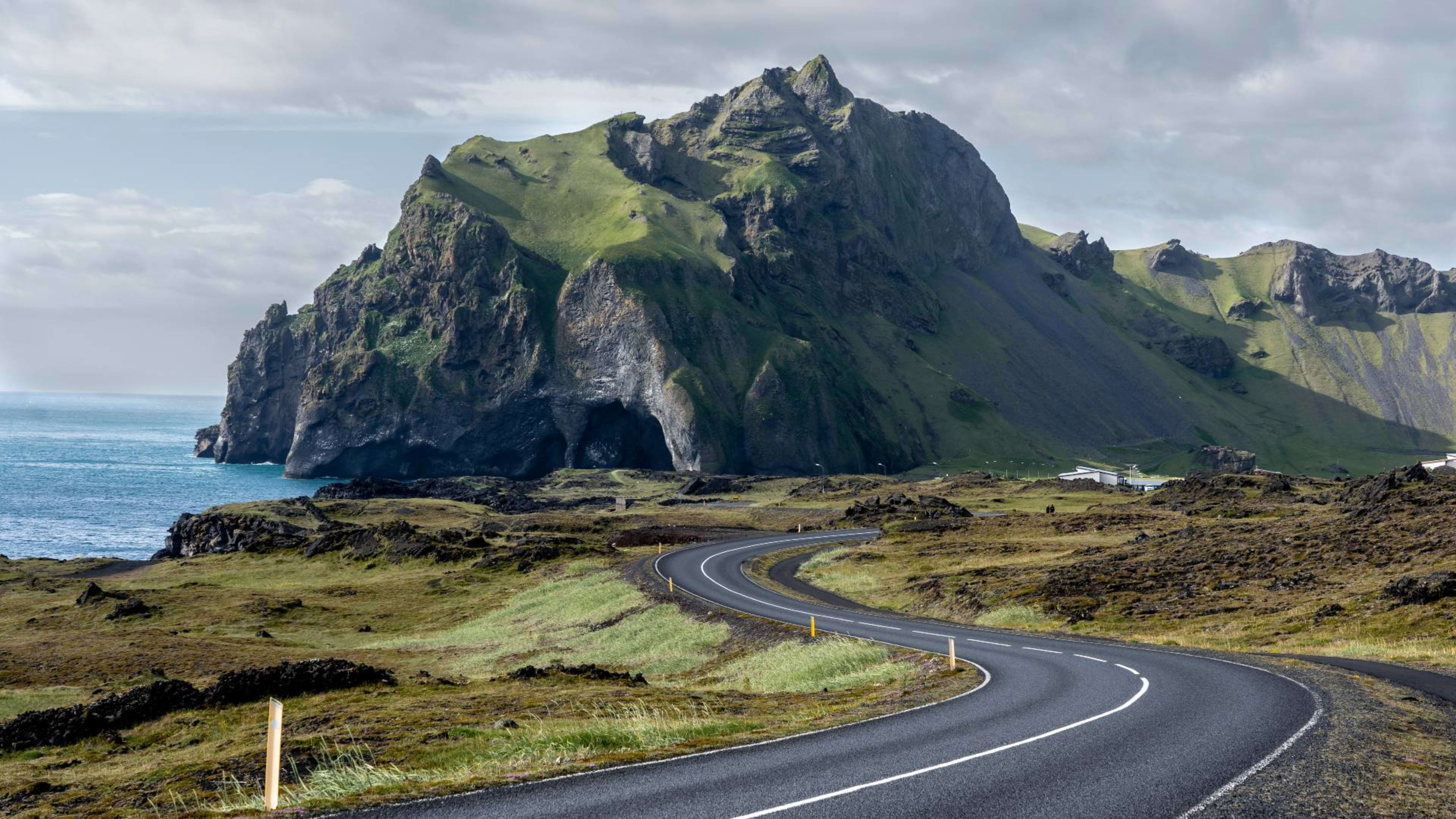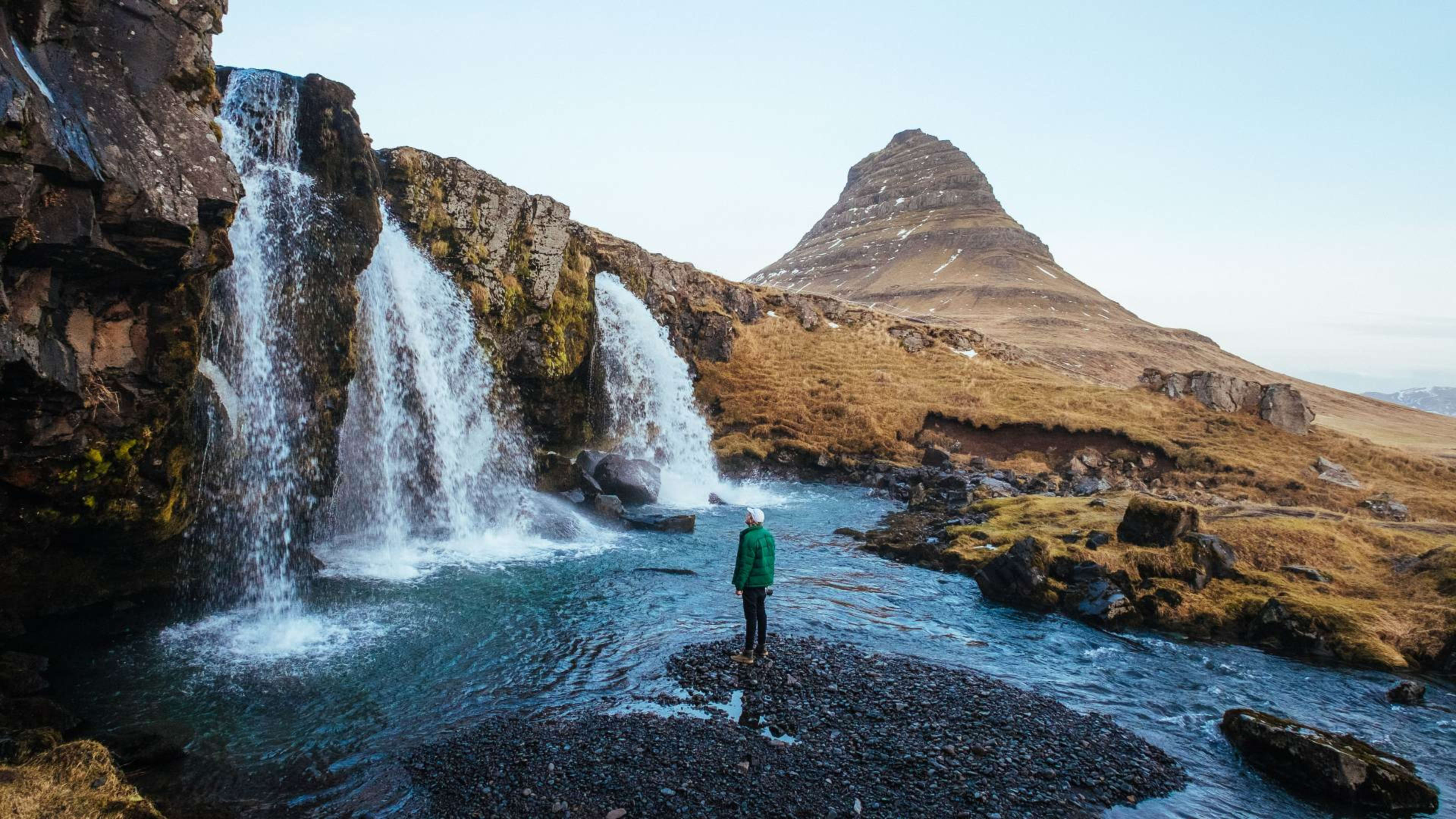
Seven days is enough time to cover Iceland's main highlights on a self-drive tour. Depending on your route, a week gives you time for the full Ring Road circuit, a South and West Iceland itinerary, or a winter-focused trip combining the south coast, Golden Circle, and Snæfellsnes. This guide covers three practical 7-day options with day-by-day suggestions for each.
Is 7 days enough for Iceland?
Seven days is enough to cover Iceland's main regions and highlights. In 7 days, you can explore Reykjavík, the Golden Circle, the South Coast, the Snæfellsnes Peninsula, and the Reykjanes Peninsula. An Iceland 7-day itinerary gives first-timers a great balance of sightseeing and manageable driving.
If you prefer a faster pace, you can also explore the Iceland Ring Road in 7 days. This is especially perfect in summer when daylight is almost 24 hours. In winter, a week is ideal for focusing on the west and south. You could do glacier tours, hot springs, and Northern Lights hunting.
Option 1. Iceland Ring Road 7-Day Itinerary

Route 1, the Ring Road, circles the entire island and is the main route for a 7-day self-drive circuit. This itinerary covers the main stops clockwise.
Here we’ve put together an Iceland Ring Road itinerary for 7 days to get you feeling inspired.
Day 1: Welcome to Iceland
Once you land at Keflavík International Airport, you’ll pick up your rental car and head to Reykjavík.
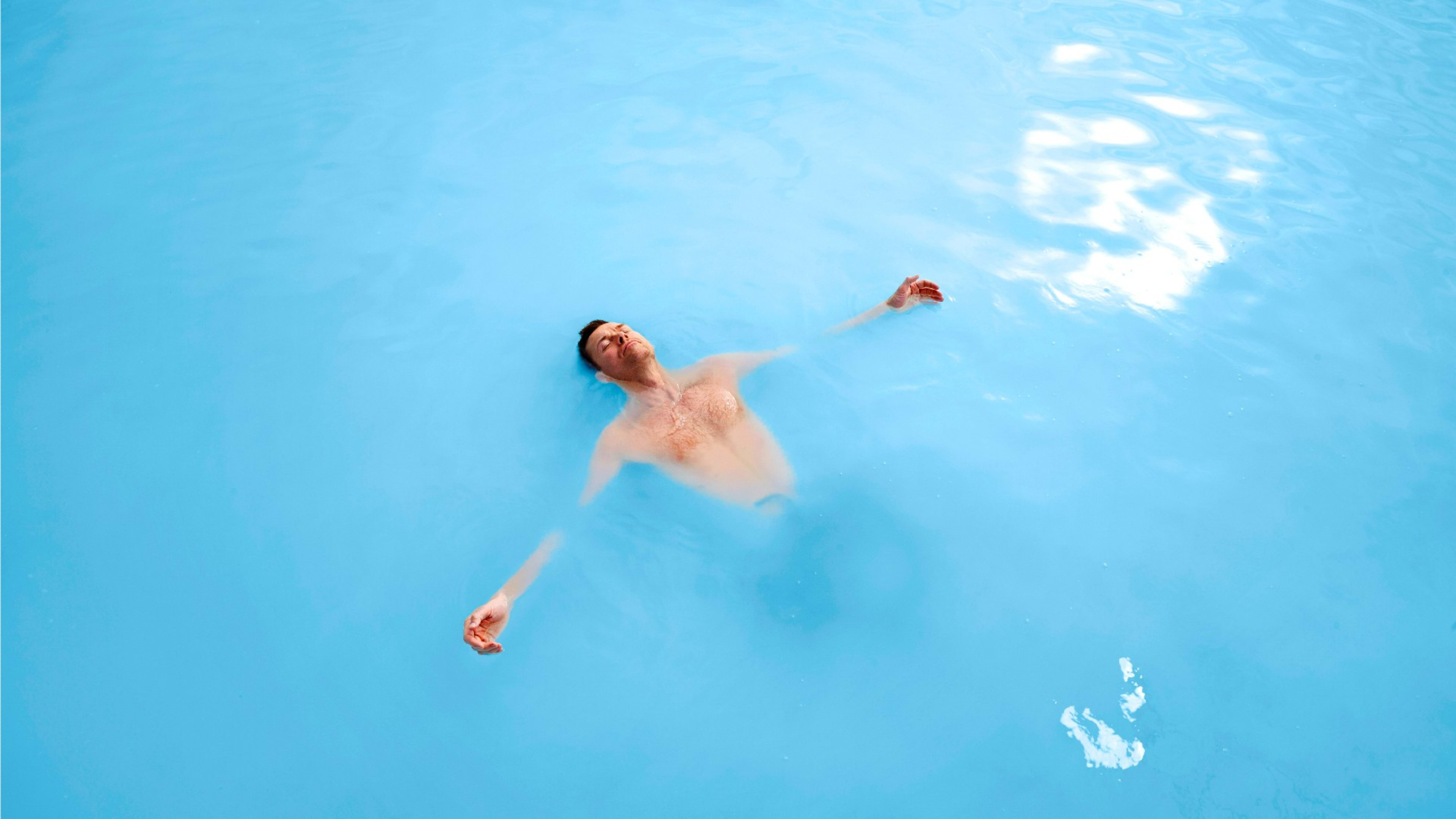
On the way, you can stop off for a relaxing dip in the Blue Lagoon. This spa is famous for its geothermally heated waters, rich in silica and other skin-friendly minerals. It’s the perfect place to unwind and recharge your batteries after your flight.
Depending on when you arrive in Iceland, you might also have time to explore downtown Reykjavík. Reykjavík has a good range of restaurants, cafés, and museums within easy walking distance of the centre. Spend the afternoon wandering the quirky streets of the city center or grabbing a tasty bite.
- Discover where the best places to eat are in our Iceland Restaurant Guide.
- Related: Your Ultimate Guide to the Blue Lagoon in Iceland.
Day 2: Borgarfjörður & Akureyri
Today, you could head north toward Akureyri, the second-largest settlement in Iceland. Akureyri is Iceland's second-largest town, with a compact centre and a good range of restaurants.
On the drive north, you’ll pass Borgarfjörður, one of the widest bays in Iceland. It’s studded with thousands of small islands and rocky outcrops that are home to seabirds, including puffins and eider ducks.
- Related: Best places to see puffins in Iceland.
It’s also worth taking a short detour off the Ring Road to check out the magnificent Barnafoss & Hraunfossar Waterfalls. This network of crisscrossing streams almost glows blue, thanks to the minerals in the water.
By dinnertime, you will have arrived in Akureyri. There are dozens of great spots to eat in the town. Whether you’re after local seafood, steak, European, or Asian food, you’ll have no problem finding something tasty.
Day 3: Goðafoss waterfall & Lake Mývatn, North Iceland
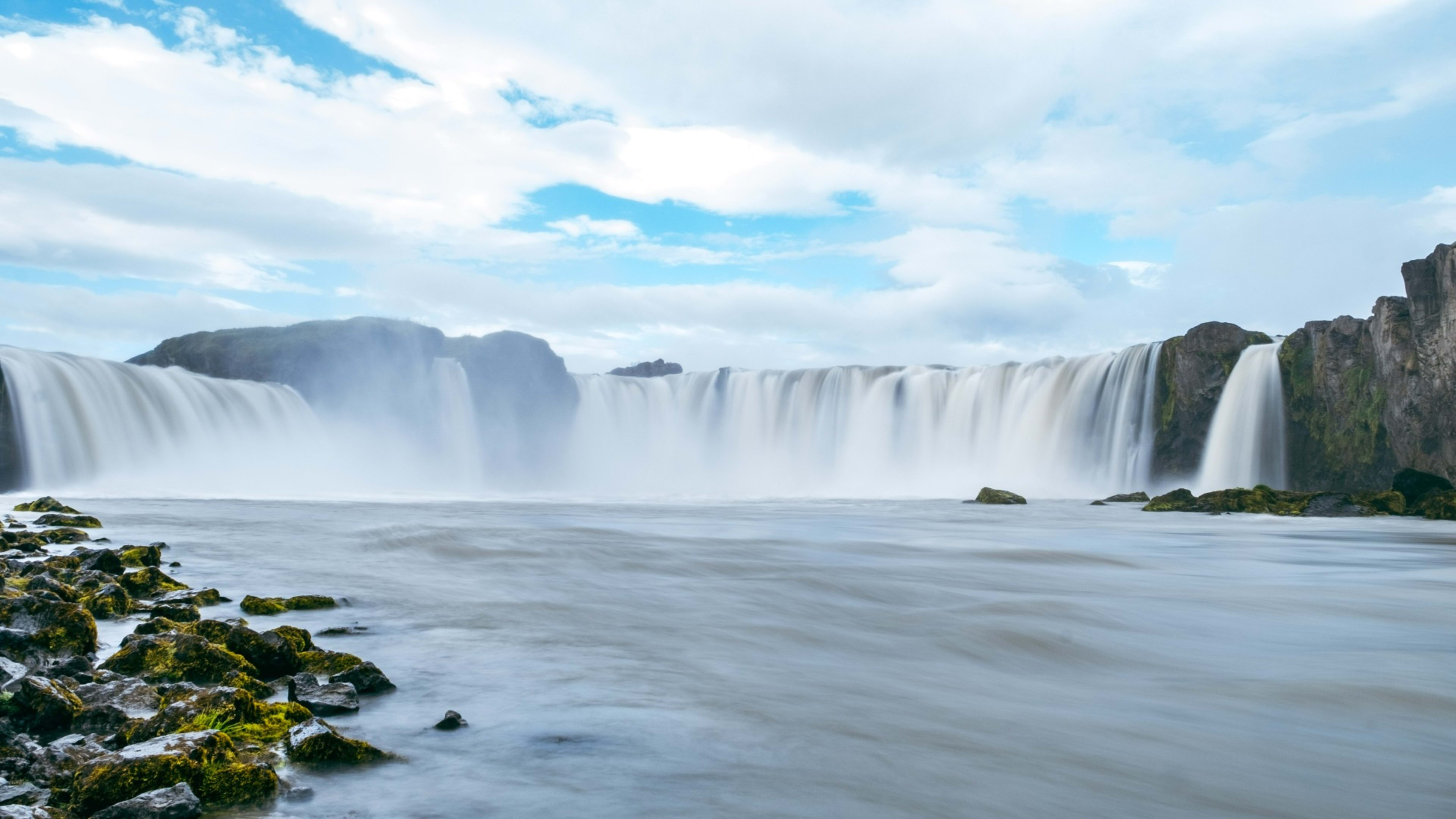
After a good night’s sleep in Akureyri, today it’s time to explore some of the wonders of North Iceland. First up today is Goðafoss, one of the country’s most powerful waterfalls. Unusually for an Icelandic waterfall, it’s much wider than it is tall.
Next, you can head to the area around Lake Mývatn. The lake itself is renowned for its natural beauty and as a haven for birdlife. But the area around Mývatn is also home to some of the most unusual geological features in the country
Among these are the Dimmuborgir Rock Formations, remnants of ancient volcanic eruptions. Here you’ll see hollow lava tubes and stacks of basalt that look like they solidified only yesterday.
- Travel Guide: Iceland’s nature & landscape.
A stone’s throw away from here is Hverfjall, which from the side of the road looks like a pretty standard mountain. Climb it though and you’ll see that it is in fact a huge collapsed volcanic crater!
Other cool things to see and do in the Lake Mývatn area include:
- Grjótagjá cave – Explore the cave with its naturally heated water
- Hverir hot springs – See liquid mud bubble away and steam rise from the ground
- Mývatn Nature Baths – Bathe in the Mývatn Nature Baths geothermal pool
- Skútustaðagígar – Visit the pseudo-craters formed by the Krafla volcanic system
You could also take a detour to Húsavík. This charming fishing village is the whale watching capital of Iceland. If seeing these gentle giants is on your bucket list, then this is the place to come.
Day 4: Eastfjords
Today you’ll carry on around the Ring Road toward the Eastfjords. This region of Iceland is sometimes skipped. But with plenty to explore here, there’s no reason you should pass it by.
The town of Egilsstaðir is a great place to stop for lunch, but the true gem here is the Hallormsstaðaskógur forest just outside the town. This is the largest in Iceland and it hugs the banks of the Lagarfljót river. Rumor has it that Iceland’s answer to the Loch Ness monster lives here!

If you have more time to explore, you could take the slow route around the Eastfjords and check out the region’s charming towns and villages. The village of Seyðisfjörður is full of traditional Icelandic buildings painted in bright, quirky colors. In the summer, it’s home to the Lunga arts festival, so it has a surprisingly cosmopolitan feel for such a small town.
Other villages in the area include:
- Eskifjörður – Check out the maritime museum and refuel at a cozy café
- Fáskrúðsfjörður – Explore this sleepy village that wears its French legacy on its sleeve
- Stöðvarfjörður – Visit the famous Petra’s Stone Collection
- Djúpivogur – Have a spot of lunch and marvel at the village’s collection of giant stone eggs
Tonight you’ll reach the town of Höfn í Hornarfirði, where you can grab dinner and get some rest before tomorrow’s adventures.
Day 5: Jökulsárlón glacier lagoon & south coast
This morning you don’t have far to go to see your first amazing sight. Jökulsárlón glacier lagoon is just under 1 hour’s drive from Höfn. The lagoon is filled with baby icebergs that have broken off the Vatnajökull glacier, which is the largest in Iceland.
The lagoon is worth visiting early in the morning when light conditions are best for photography and visitor numbers are lower.
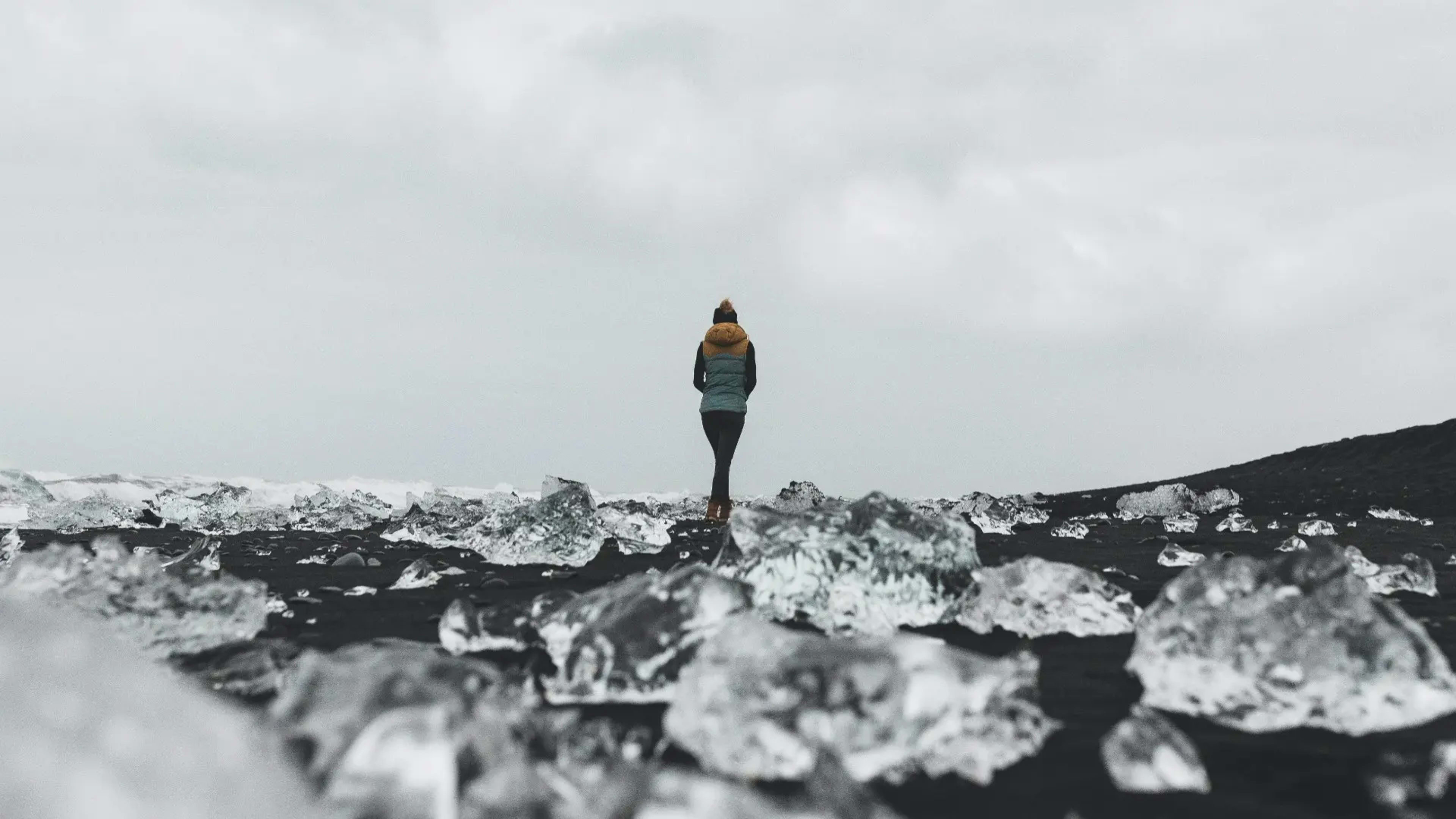
The contrast of ice against the dark volcanic sand is one of the most photographed scenes in Iceland.
Once you’ve had your fill of icebergs, you can rejoin the Ring Road. Follow it west and check out the rest of what Vatnajökull National Park has to offer, including:
- Svartifoss – This hidden waterfall flows over hexagonal basalt columns
- Skaftafellsjökull – a glacier outlet tongue accessible on a short walk from the visitor centre
- Dverghamrar – Unusual geometric rock formations
In wintertime, you can also visit natural ice caves that form underneath the Vatnajökull glacier. Lined with smooth blue ice, these are a sight that’s hard to let go of.
- Walk underneath a glacier for yourself on an ice cave tour or adventure tour of Iceland.
- Related: Your guide to ice caves and lava caves in Iceland.
Day 6: Golden Circle
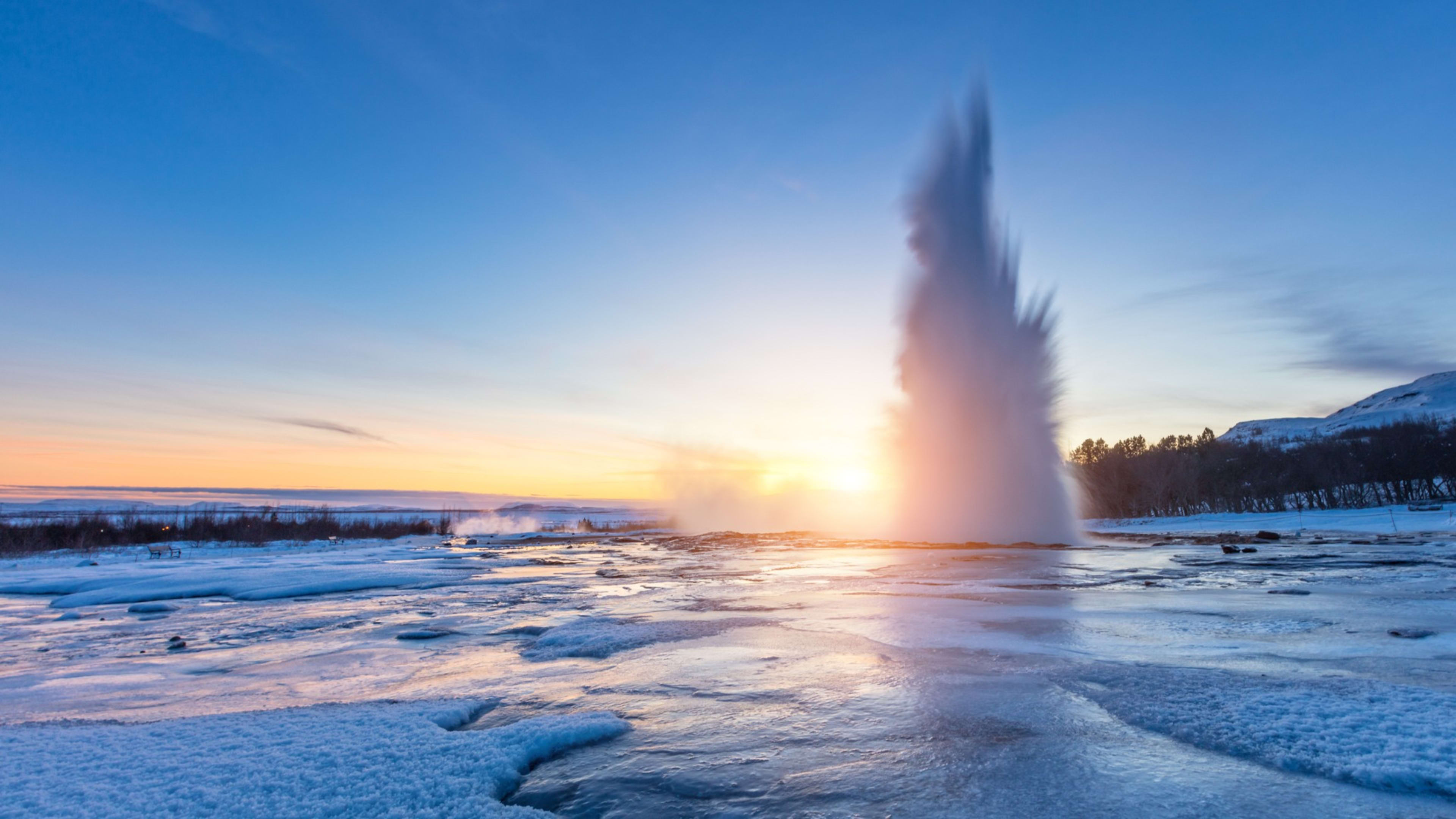
After checking out the best of South Iceland’s nature, today you’ll follow the famous Golden Circle touring route. This features 3 unmissable sights:
- Gullfoss – A multi-tiered waterfall that is one of Iceland’s most beautiful
- Geysir – The geothermal area that’s home to the active Strokkur geyser
- Þingvellir National Park – Once the gathering place for Iceland’s ancient parliament
Now it’s time to head back to Reykjavík to enjoy your last night in Iceland. Why not head down to the trendy Grandi fishpacking district for some local food? Or you could sip a cocktail at a bar off Laugavegur, the main street.
For a truly Icelandic experience on your final night, you could visit a local pool for a dip in a ‘hot pot’ (what the locals call a hot tub). Many are open until 10 p.m., so you can relax your muscles before your journey home.
- Check out some of the best restaurants in Reykjavík.
Day 7: Spa day or shopping in Reykjavík
Depending on the time of your flight, you could squeeze in a trip to the Blue Lagoon or Sky Lagoon if you haven’t already. Or simply spend the morning strolling the streets of Reykjavík and dropping into local boutiques to pick up a souvenir!
This is just a taste of what you could get up to on a 7-day Ring Road tour of Iceland. If you want to fit even more in, you could add extra days in Reykjavík at the start or end of your trip.
- Related: Sky Lagoon vs Blue Lagoon – Which One Should You Visit?
- For more inspiration, check out these Iceland Ring Road trips.
Option 2. South & West Iceland
By focusing on one or two specific regions, you can travel at a more laid-back pace and enjoy more time at each attraction. South and West Iceland cover the Golden Circle, the south coast, and the Snæfellsnes peninsula.
On this summer itinerary, you’ll have time to explore the Snæfellsnes peninsula. This is because it packs in so much. As well as everything listed above, you’ll discover rugged cliffs full of puffins, yellow and black sand beaches, and quiet fishing villages.
Keep reading to find out what you can do in South and West Iceland in a week.
Days 1–3: Reykjavík and south coast
Start your trip by wandering around Reykjavík, taking in the colourful painted houses and waterfront. And of course if you have time, enjoy a relaxing soak in the Sky Lagoon or Blue Lagoon.
After a restful night’s sleep, you’re ready for your first day of adventure. Hit the Ring Road and follow it south along the coast. Here the south coast has several well-known waterfalls within a short distance of each other. These include the impressive Skógafoss, and Seljalandsfoss, which you can walk behind.
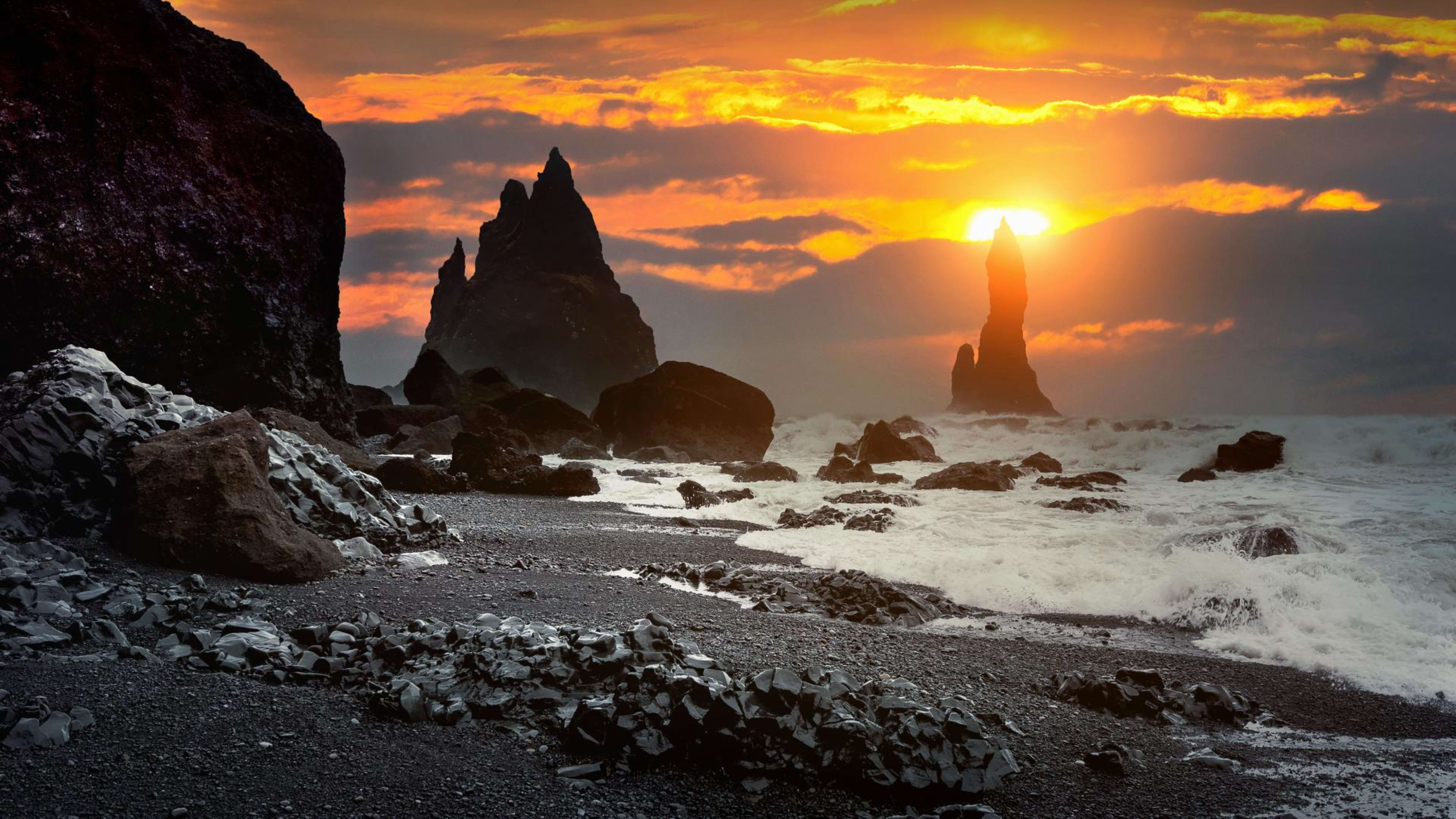
Next continue south toward Reynisfjara black sand beach. The black volcanic sand contrasts with the basalt columns and sea stacks offshore, but the beach is also surrounded by jagged cliffs and towering sea stacks just off the shore.
Tonight you’ll stay near the village of Vík with its iconic church and cool dining options. In the morning, rejoin the Ring Road and drive to Jökulsárlón glacier lagoon. Here you can see tiny icebergs breaking off the Vatnajökull glacier and floating out to sea!
Days 4–5: Golden Circle & West Iceland
Today it’s time to follow the Golden Circle trail. This popular route includes Geysir, a geothermal area home to hot springs and the Strokkur geyser. Strokkur erupts every six to ten minutes, shooting water between 20 and 40 metres into the air.
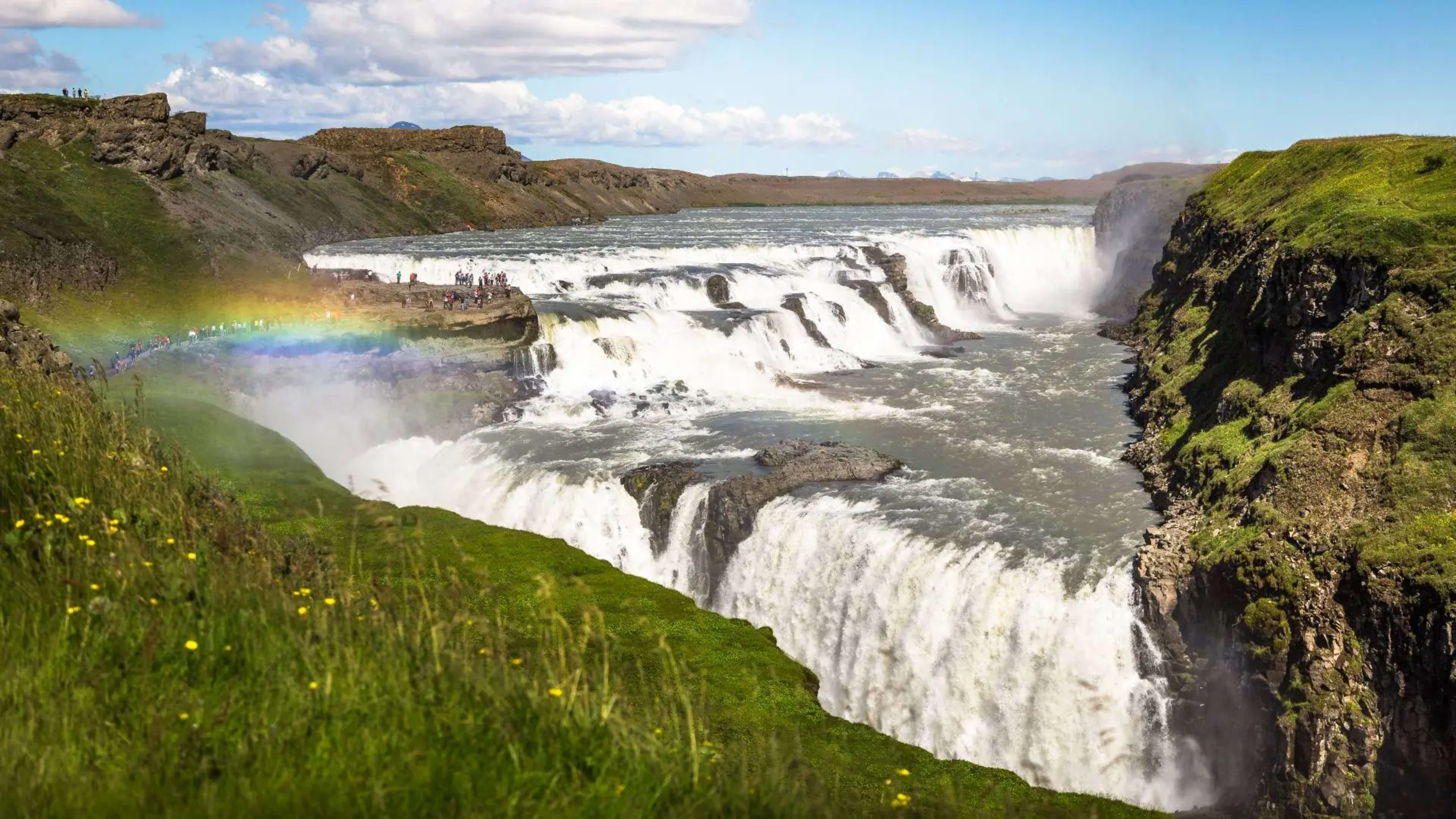
Next you’ll head to the Gullfoss waterfall. Its name means ‘Golden Falls’, hence the Golden Circle. Gullfoss is a two-tiered waterfall on the Hvítá river, one of the most visited in Iceland.
This evening you could add a visit to the Fontana spa to your plan. The health resort has geothermally heated water and looks out over the spectacular Laugarvatn lake.
The next day you’ll head to Þingvellir National Park. Þingvellir is a UNESCO World Heritage Site where the tectonic rift between the North American and Eurasian plates is visible, and where Iceland's original parliament, the Alþingi, met from 930 AD. You can explore the history of Þingvellir by following the many paths and trails around the area.
Spend the afternoon exploring West Iceland. Here you’ll find the Deildartunguhver hot spring, where steam rises from the ground and the water is hot enough to boil an egg. Finish your day’s sightseeing at the Barnafoss & Hraunfossar waterfalls, complete with their icy blue water and rock bridge.
Days 6–7: Snæfellsnes peninsula
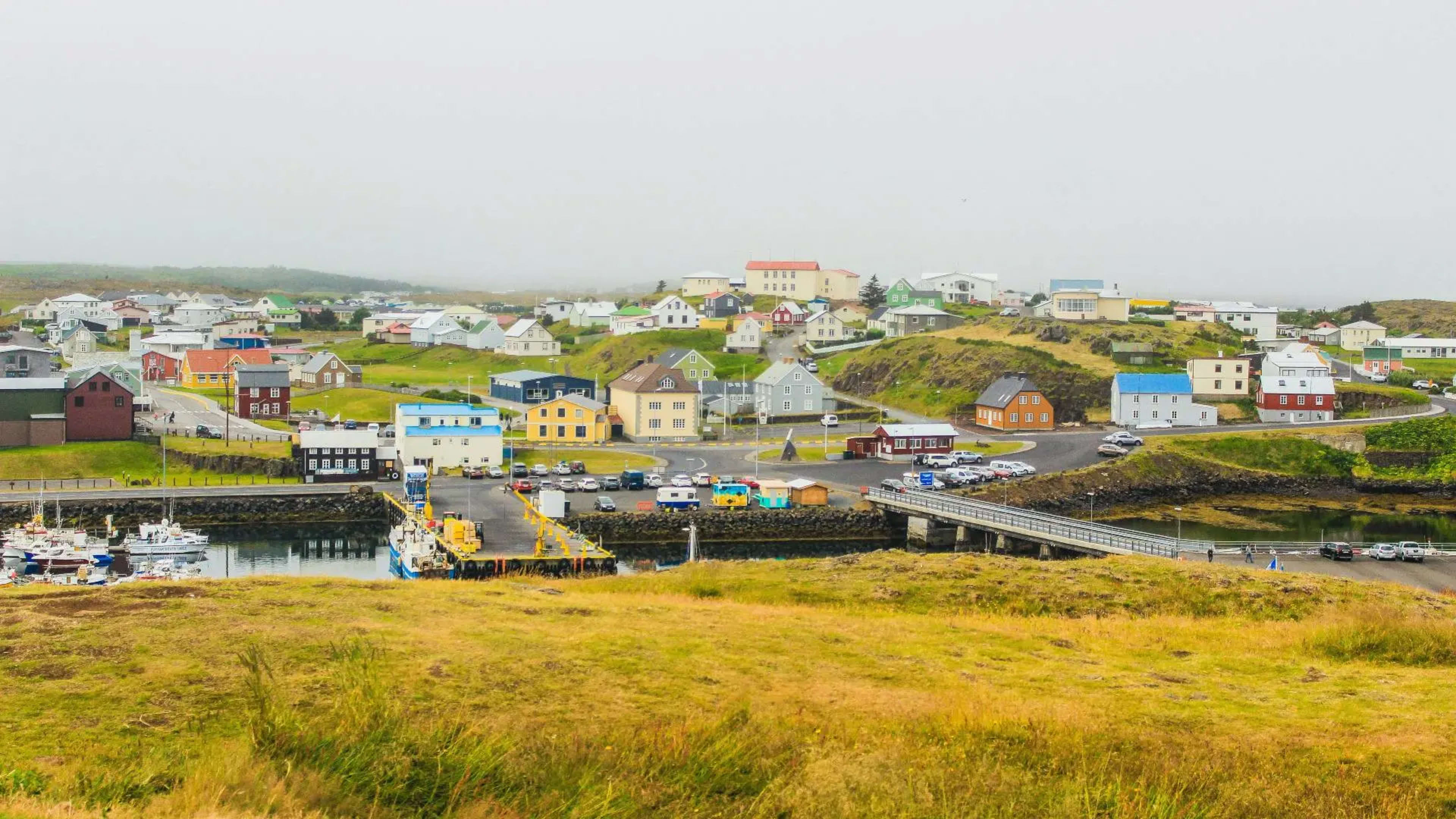
The Snæfellsnes peninsula has earned the nickname ‘Iceland in Miniature’ because it packs so much in. In this part of Iceland you can:
- Admire the handsome Snæfellsjökull Glacier
- Snap photos of rugged sea stacks at Arnarstapi
- Visit Kirkjufell mountain and Kirkjufellsfoss waterfall
- Eat fresh local seafood in the town of Stykkishólmur
- Pass through otherworldly, moss-covered lava fields
- Spot puffins and other seabirds along the coast
- Wander golden and black sand beaches
- Explore hidden lava caves and gorges
Don’t think you can fit it all in your Iceland 7-day itinerary? You might want to add an extra day to your trip. That way, you could spend more time in this unspoiled region.
On your final day, you’ll return to Reykjavík. Depending on your flight time, you might be able to squeeze in a souvenir shopping trip. Or soak up culture at a gallery or museum.
- Related: 13 Awesome Things to Do in Iceland.
Option 3. Winter glacier adventure
Winter changes the character of Iceland's landscapes considerably. Waterfalls freeze at the edges, snow covers the highlands, and the long nights create conditions for Northern Lights viewing. And as the night draws in, you’ll have plenty of chances to chase down the Northern Lights.
All of this makes winter a great time to visit Iceland. Here we’ve put together an example Iceland road trip for 7 days that you could do in wintertime.
- Explore these Iceland winter tours.
- Related: Tips for Iceland in winter – Weather and packing guide.
Days 1–3: South shore & Vatnajökull National Park
Arrive in Iceland and head straight to Reykjavík, where you’ll spend your first night. If you arrive earlier in the day, you might have time to check out the museums and galleries. And in the evening, you can have dinner or grab a drink at one of the city’s trendy local spots.

In the morning, you’ll start your road trip on south coast. Follow the Ring Road down to Seljalandsfoss, probably the most famous waterfall in Iceland, after Gullfoss. This is the one you can walk behind!
A short drive down the road is Skógafoss, its more powerful bigger brother. In winter they’re both likely to be frosted with icicles.
Tonight you’ll bed down in the countryside before your next day’s adventure. Head eastwards to Vatnajökull National Park, where you’ll find Svartifoss waterfall, surrounded by hexagonal columns of basalt.
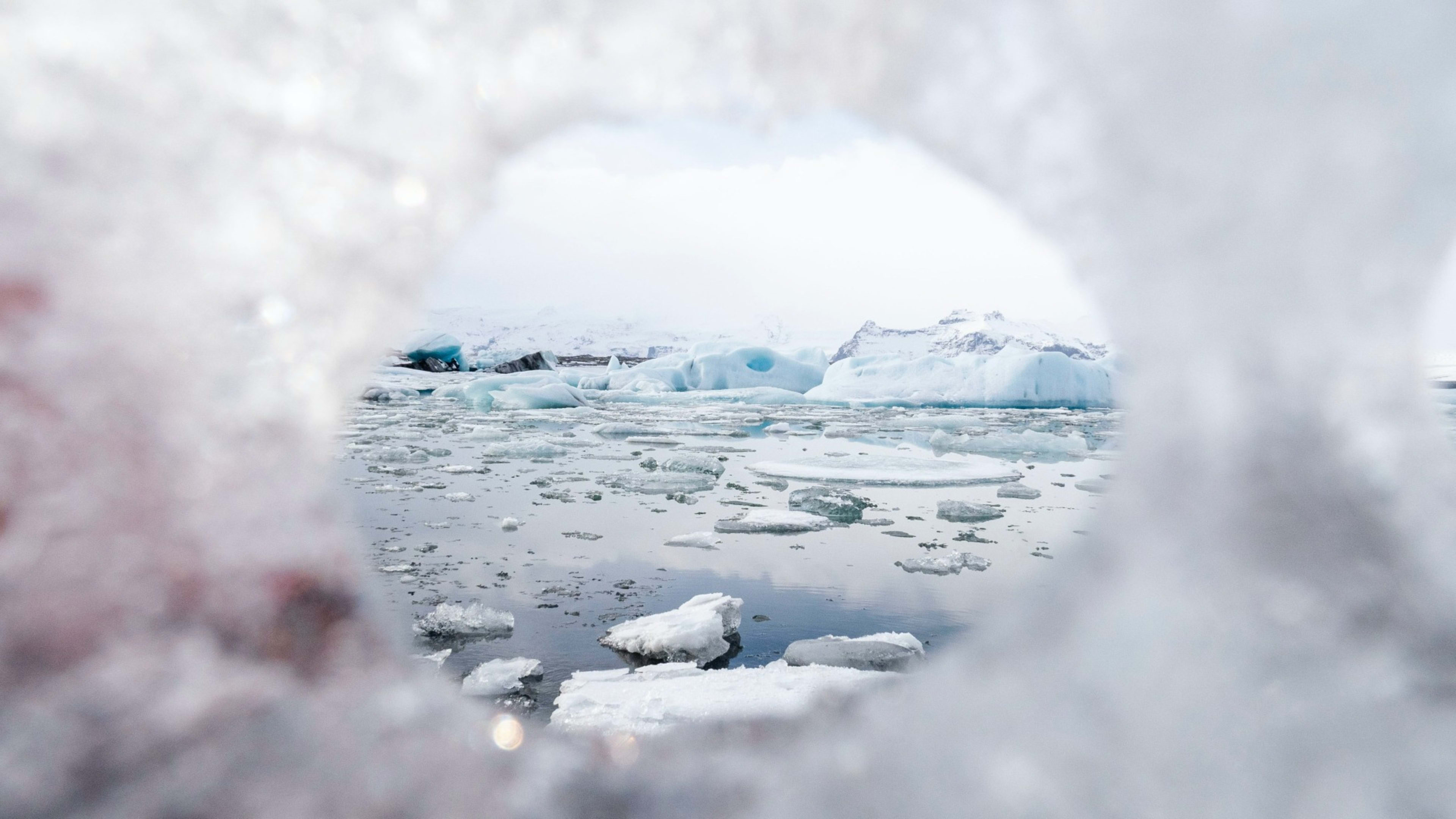
The Vatnajökull Glacier feeds the waterfall. This is what also gives rise to the white and blue icebergs of the Jökulsárlón Glacier Lagoon. This magical place has an almost surreal energy. Pause to watch the icebergs drift out to sea, and you’ll see what we mean.
Days 4–5: Golden Circle & Snæfellsnes peninsula
Today a new chapter of your trip begins. You’ll head back west toward the Golden Circle to see the Geysir geothermal area and Gullfoss waterfall. In the afternoon, you can check out Þingvellir National Park where Iceland’s Viking-age parliament met.
- Travel Guide: Iceland’s people & culture.
The next morning, it’s time to check out the Snæfellsnes peninsula. This compact slice of Iceland has its own glacier, black sand beaches, lava caves, and several waterfalls. Oh, and waterfalls by the bucketload!
Days 6–7: West Iceland & Reykjanes peninsula
Spend your final couple of days exploring West Iceland. This part of the country is home to the Deildartunguhver hot springs, where you can see water boil in the ground.

A short drive away are the Barnafoss & Hraunfossar waterfalls. Hraunfossar is a collection of hundreds of small streams that form a network of waterfalls. Barnafoss is more energetic, as it cuts through a narrow strip of rock. And you can even see a lava bridge over the falls that has its own legend attached to it.
Alternatively, you could head to the Reykjanes peninsula in southwest Iceland. This is home to the Blue Lagoon spa, a must-do experience for anyone visiting Iceland.
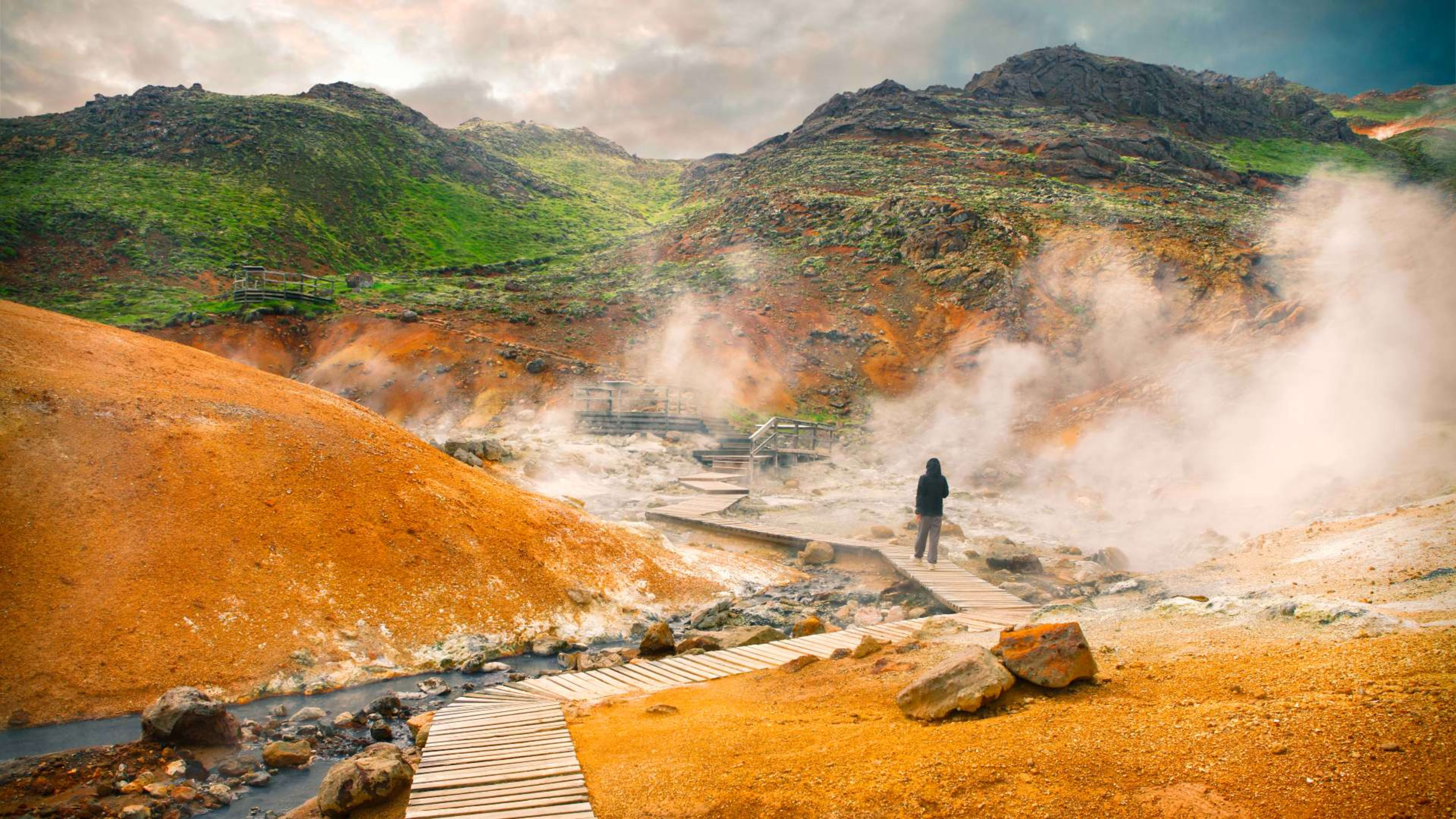
There are also natural attractions here, including the Krýsuvík geothermal area with its hot springs and steam vents.
You can also check out the newest sight in the area, which is the Fagradalsfjall lava field. This was created when the volcano of the same name erupted in March 2021. Even though the lava is no longer flowing, you can see it here in its crisp, solidified form.
- Related: How long do you need in Iceland?
- Good to know: Parking in Iceland
- If you're visiting from the US, our guide to Iceland trips from the US covers flights, passport requirements, and driving rules before you go.
FAQs about a 7-day Iceland itinerary
Common questions about planning a 7-day trip to Iceland.
Seven days is enough to cover the main highlights of Iceland, including the Golden Circle, the South Coast, Reykjavík, and either the Ring Road or the Snæfellsnes peninsula. For a full Ring Road circuit at a comfortable pace, ten days is more realistic, but seven days works well in summer when daylight hours are long.
Yes, but it requires an average of around four to five hours of driving per day with limited time at each stop. Summer daylight hours make it manageable, but ten days gives you a more comfortable pace. In winter, shorter daylight hours make the full Ring Road in seven days more challenging.
The South and West Iceland itinerary is the most practical for first-time visitors. It covers Reykjavík, the Golden Circle, the south coast waterfalls and black sand beaches, Jökulsárlón glacier lagoon, and the Snæfellsnes peninsula. Driving distances are shorter than the Ring Road circuit and the main attractions are concentrated in a manageable area.
A self-drive tour gives you more flexibility to set your own pace and spend more time at places you enjoy. A guided group tour handles all the driving and logistics and suits those who prefer not to drive in Iceland. Both options are available as 7-day packages from Iceland Tours, with accommodation, transport, and breakfast included.
Summer, from June to August, gives the longest days and access to all routes including highland roads. Winter, from November to March, offers Northern Lights viewing and ice cave access but shorter daylight hours. Spring and autumn are quieter with lower prices and most main attractions still accessible.
Package prices vary depending on accommodation level, travel style, and time of year. A self-drive package covering accommodation, rental car, and daily breakfast typically starts from around 1,500 euros per person for a 7-day trip. Guided group tours start at a similar level. A 5% deposit secures your booking with the balance due closer to departure.