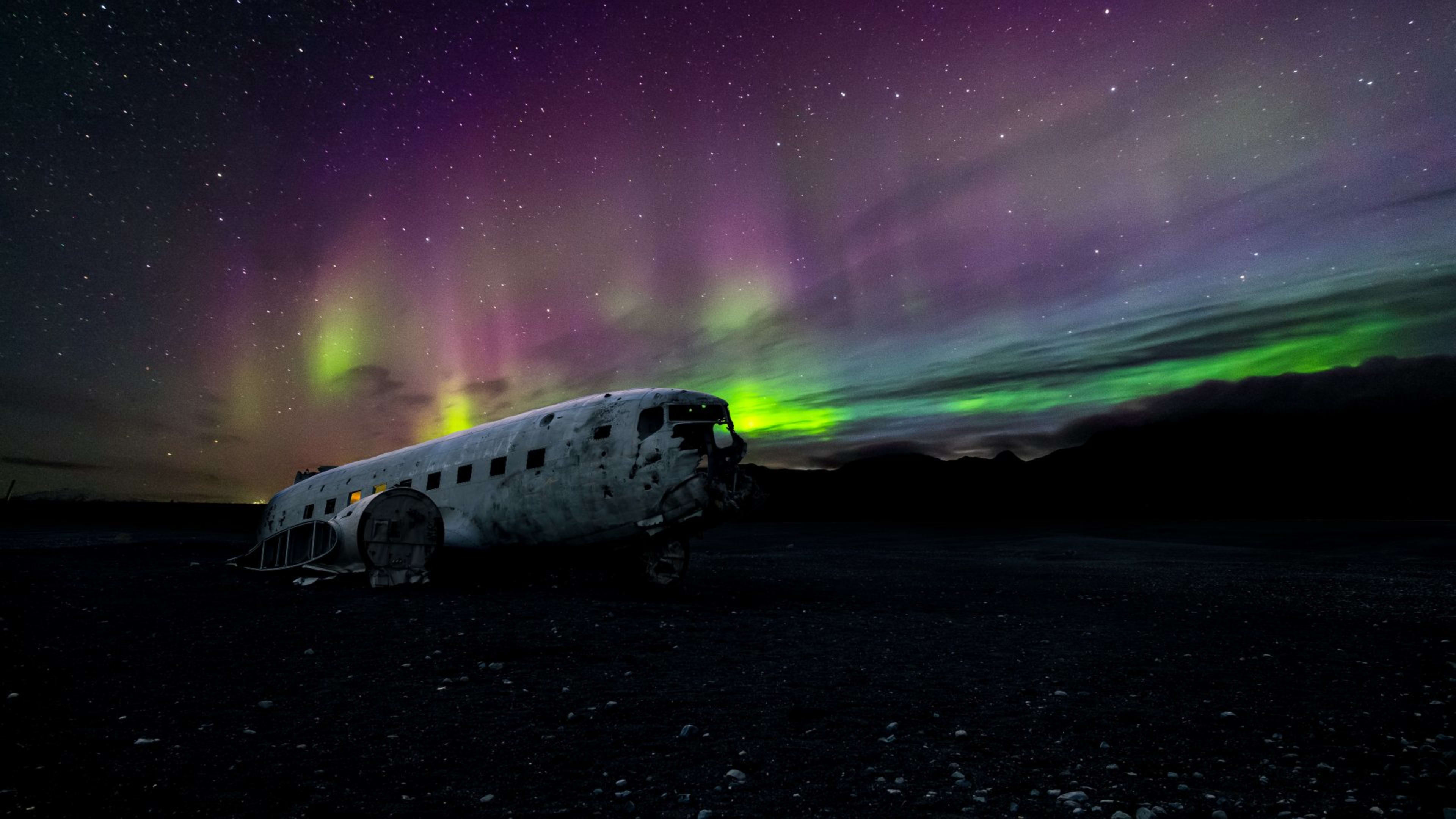
October is the turning point between autumn and winter in Iceland. Days are still long enough for proper sightseeing, the nights are dark enough for the Northern Lights, and most of the country stays open before the deeper winter sets in. Our local team put this guide together to help you decide where to go and what to plan around.
Below you will find quick facts on the weather, honest guidance on aurora chances, the regions worth your time in October, and a packing list for the conditions you can expect.
- Browse winter vacation packages to start planning your October trip.

Should I visit Iceland in October?
October is a strong choice if you want a taste of winter without the deepest cold or heaviest snow. You still get reasonable daylight for sightseeing, road and weather conditions are more manageable than in midwinter, and the Northern Lights season has properly begun.
It is also a quieter, lower-cost month than summer. The peak-season crowds have gone, prices at hotels and on tours tend to ease, and the landscape shifts into autumn colours before the first lasting snow. Whale watching and hot spring bathing are still on, while winter activities like ice caving and glacier hiking open up as the month goes on.
A few reasons October works well:
• Quieter than the summer travel season
• Enough daylight for sightseeing, with dark enough nights for the aurora
• The start of the winter activity season, including ice caves and glacier hikes
• Autumn colours and the first dustings of snow on the mountains
• Lower prices than the peak summer months

Best things to do in Iceland in October
October lets you combine autumn sightseeing with the first winter activities of the season. Whether you prefer relaxed exploring or more active days out, there is a wide range to choose from.
Things worth building your trip around:
• Walk along black sand beaches on the south coast
• Catch a festival or cultural event in Reykjavik
• Bathe in a countryside hot spring or geothermal lagoon
• Hunt for the Northern Lights on a clear night
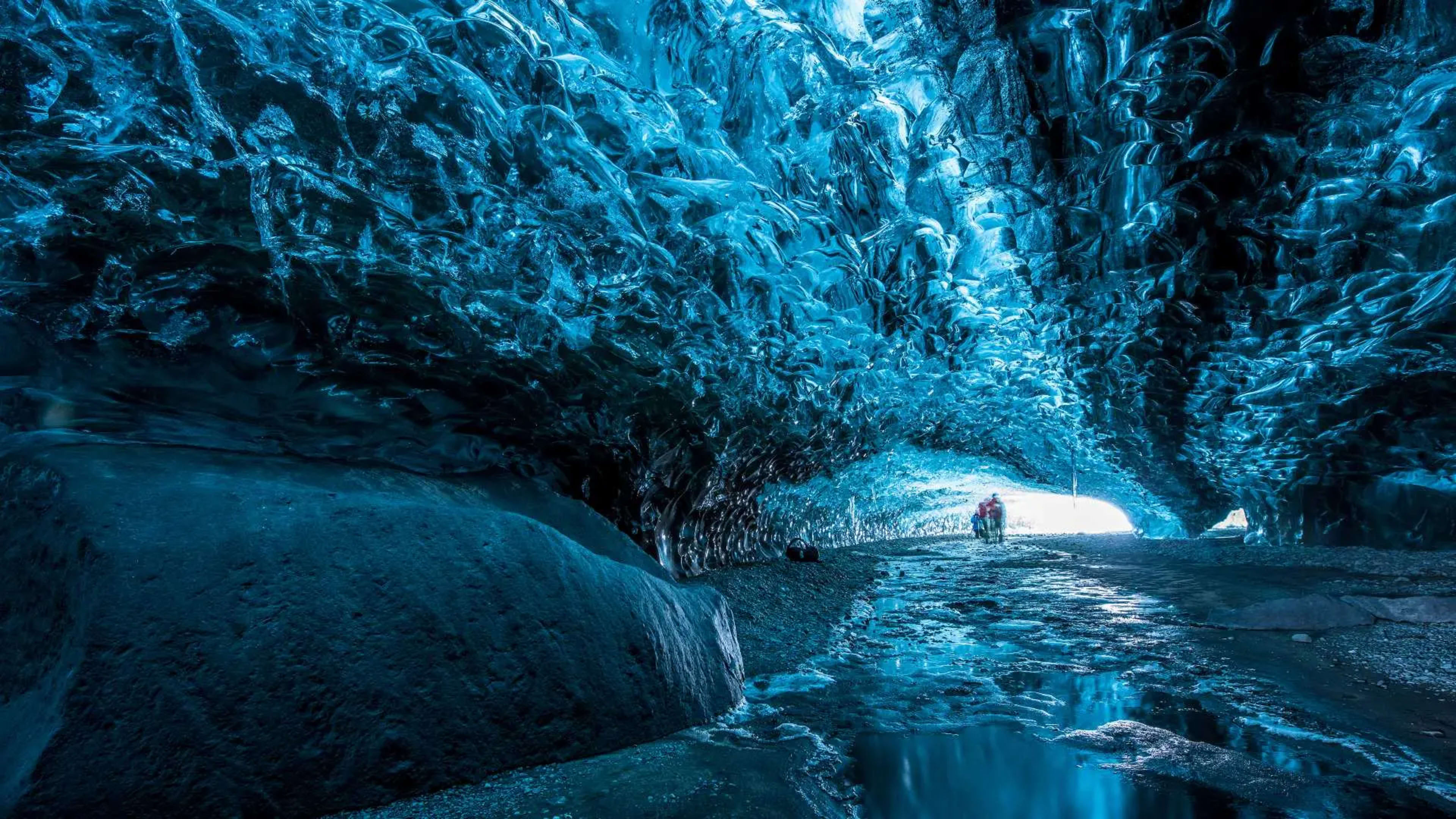
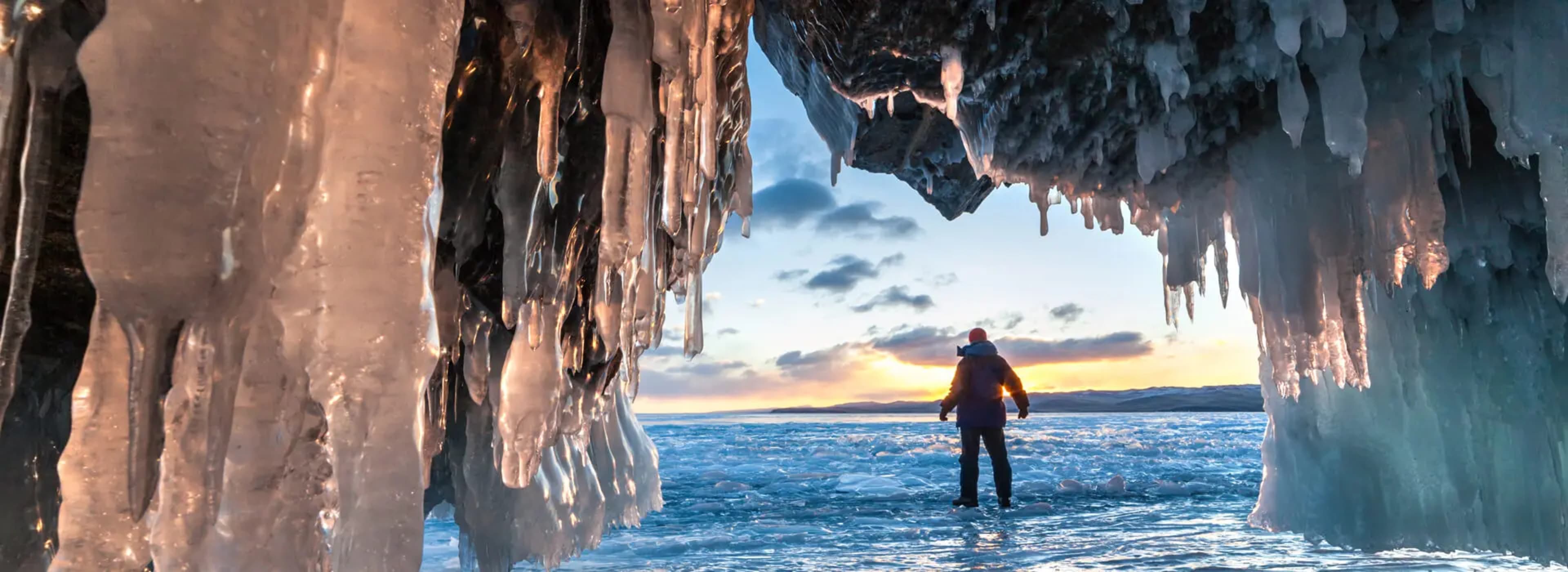
• Join an ice cave tour as the season opens
• Take a whale watching tour while the season runs
• Drive the Ring Road, which our tours follow clockwise
• Visit the national parks of the south and west
• Go glacier hiking on one of the south coast ice caps
Events in Iceland in October
There are fewer cultural events than in summer, but October still has a couple of fixtures worth planning around.
Reykjavik International Film Festival (RIFF). RIFF runs from late September into mid-October and draws filmmakers from around the world. If you enjoy independent cinema, it is worth checking the programme for screenings during your stay.
The lighting of the Imagine Peace Tower. Created by Yoko Ono as a memorial to John Lennon, the tower on Videy island near Reykjavik is lit each year on his birthday, 9 October, sending a tall column of light into the sky.
Where to visit in Iceland in October
Most of the country is still accessible in October, so you can choose between regions rather than being limited to one. Below are the areas that reward an October visit, working outward from Reykjavik.
1. Reykjavík
Location: Southwestern coast, near Keflavík International Airport.
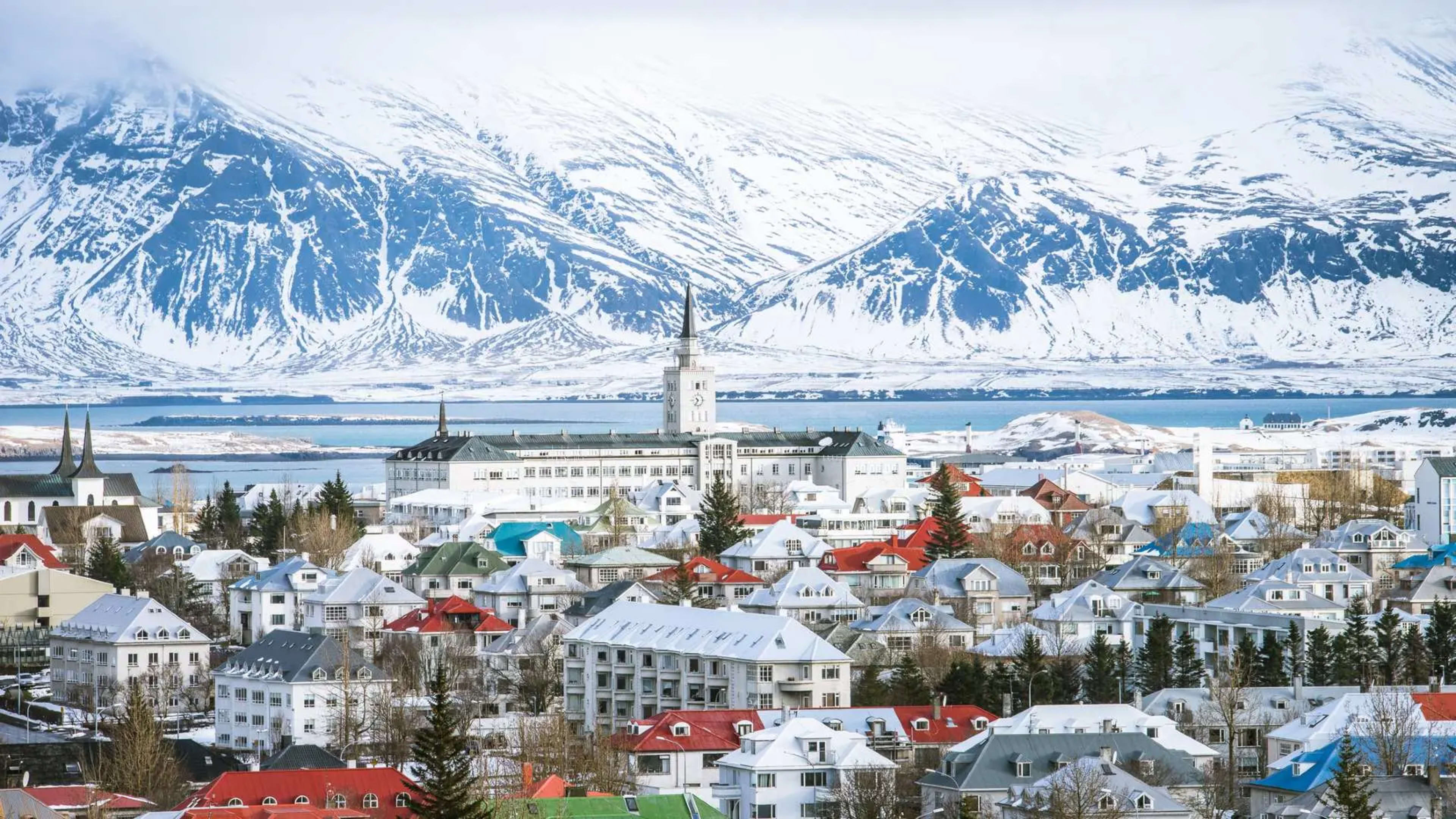
Reykjavik is the starting point for most trips and works well as a short city break in its own right. You can visit museums, swim in the geothermal pools alongside locals, eat well, and catch the autumn festival season. It is also the easiest base for day tours into the countryside if you would rather not move hotels.
Do not miss: the food halls, the Perlan exhibition, and the view over the city and Mount Esja from the harbour.
- Check out multi-day tours from Reykjavík.
- Blog: Best museums in Reykjavík.
2. Reykjanes peninsula
Location: Southwest of Iceland, around Keflavik Airport.
This is where you land, and it is worth more than a quick drive-through. The peninsula is a geothermal landscape of lava fields and active volcanic systems around Fagradalsfjall, and it is home to the Blue Lagoon. Because it sits between the airport and Reykjavik, it suits a shorter trip or the first and last days of a longer one.
Volcanic activity on the peninsula changes from season to season, so access to eruption sites is not guaranteed. Check current conditions before planning a hike toward any active area.
Do not miss: the Blue Lagoon, the lava fields, and the small fishing villages along the coast.
- Discover the best things to see & do near Reykjavík.
3. Snæfellsnes peninsula
Location: West Iceland, northwest of Reykjavik.
Snaefellsnes packs a lot into a compact area within driving distance of the capital: lava fields, waterfalls, sea cliffs, mountains, and the glacier-capped Snaefellsjokull National Park at its tip. It is a good option in October when you want variety without long drives into more remote regions.
Do not miss: Snaefellsjokull National Park and the much-photographed Kirkjufell mountain.
- Browse these Iceland self-drive tours to explore further out of the city.

4. Golden Circle
Location: Southwest, inland from Reykjavik.
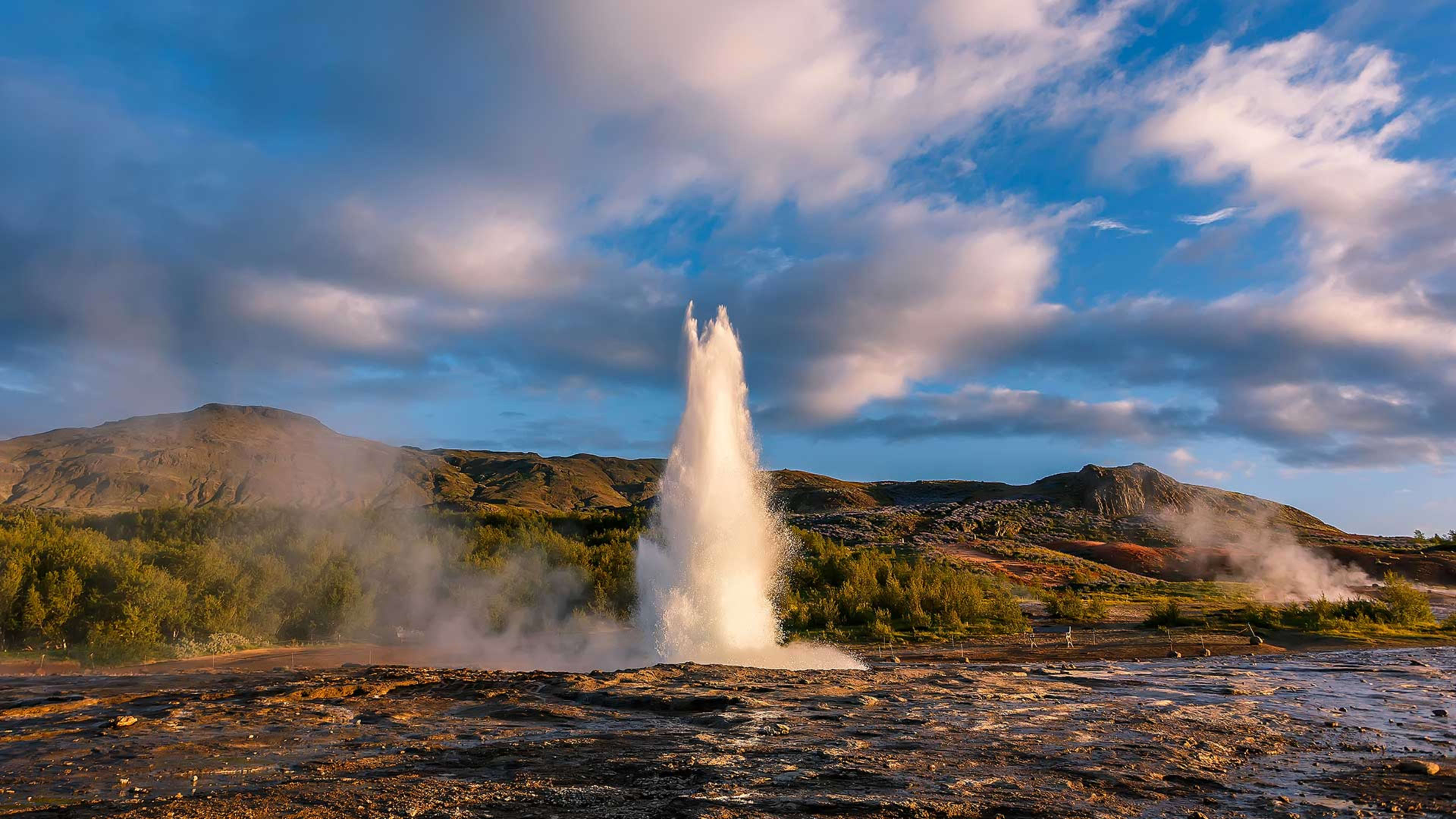
The Golden Circle is the most accessible sightseeing route in the country and stays open through October. Its three main stops are the Geysir geothermal area in Haukadalur, where Strokkur erupts every six to ten minutes sending water 20 to 40 metres up, the tiered Gullfoss waterfall, and Thingvellir National Park, a UNESCO World Heritage Site and the first stop on the route.
Do not miss: lunch at the Fridheimar greenhouse, where tomatoes are grown using geothermal heat.
- See the delights of the Golden Circle on one of these guided group tours.
- Blog: Your complete guide to the Golden Circle route.
5. South coast of Iceland
Location: Running east from Reykjavik along the southern edge of the country.
The south coast strings together many of Iceland's well-known sights along one route, which makes it efficient in October when daylight is limited. Heading east you pass waterfalls, black sand beaches, and small villages before reaching the glacier country of the southeast, with its lagoons and ice-strewn shores.
Note that Dyrholaey, the headland near Vik, closes each year from 15 May to 23 June for the nesting season, so it is fully open during an October visit.
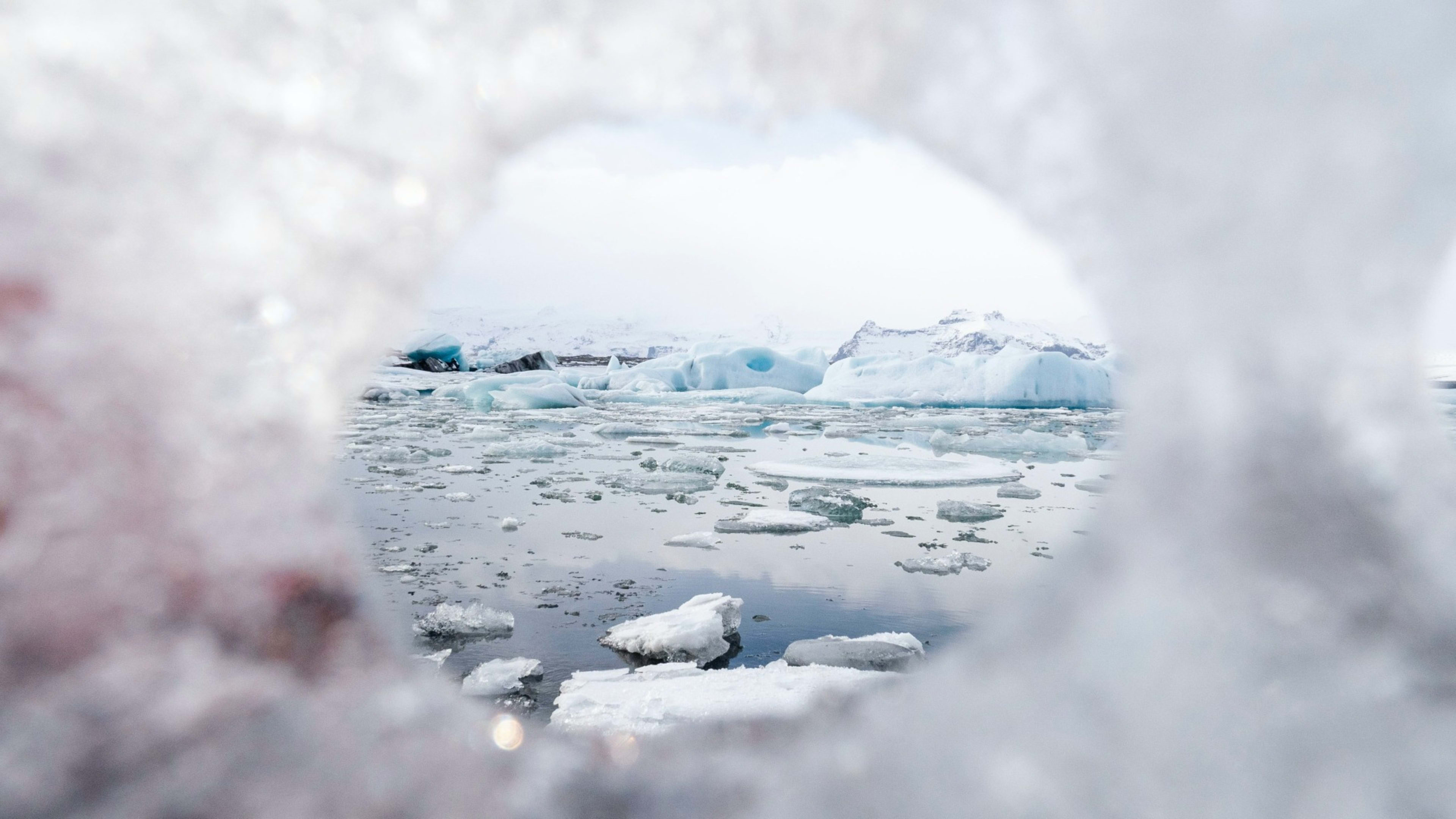
Do not miss: the Seljalandsfoss and Skogafoss waterfalls, Reynisfjara black sand beach, and the Jokulsarlon glacier lagoon with the neighbouring Diamond Beach.
6. Diamond Circle
Location: North Iceland, branching off the Ring Road toward the north coast.
The Diamond Circle in the north suits travellers who want sweeping landscapes, geothermal areas, and coastal towns. It runs from Akureyri, the largest town in the north, up to Husavik, then across to the Asbyrgi canyon and the Lake Myvatn area. October is late in the season for the north, so check road and weather conditions before committing to the drive.
Do not miss: Dettifoss, the second most powerful waterfall in Europe at 44 metres high, and a whale watching trip from Husavik.
- Browse these winter self-drive itineraries of Iceland.
- Blog: Driving Iceland’s Ring Road – ultimate guide.
7. Westfjords
Location: The large peninsula in northwest Iceland.
October is the last comfortable month to visit the Westfjords before winter limits access. This is the region for travellers who want quiet roads, deep fjords, tall sea cliffs, and very few other visitors. Roads here are more exposed than elsewhere, so build in extra time and keep an eye on conditions.
Do not miss: Isafjordur, the main town of the region, the Dynjandi waterfall with its 100-metre main drop, and the hot tubs at Drangsnes.

What is the weather like in Iceland in October?
October marks the beginning of winter, so expect changeable conditions and falling temperatures. Averages run to highs of around 7 degrees C (45 F) and lows of around 3 degrees C (37 F). It is one of the wetter, windier months, and the wind can make it feel colder than the thermometer suggests, so waterproof and windproof layers matter.
Does it snow in Iceland in October?
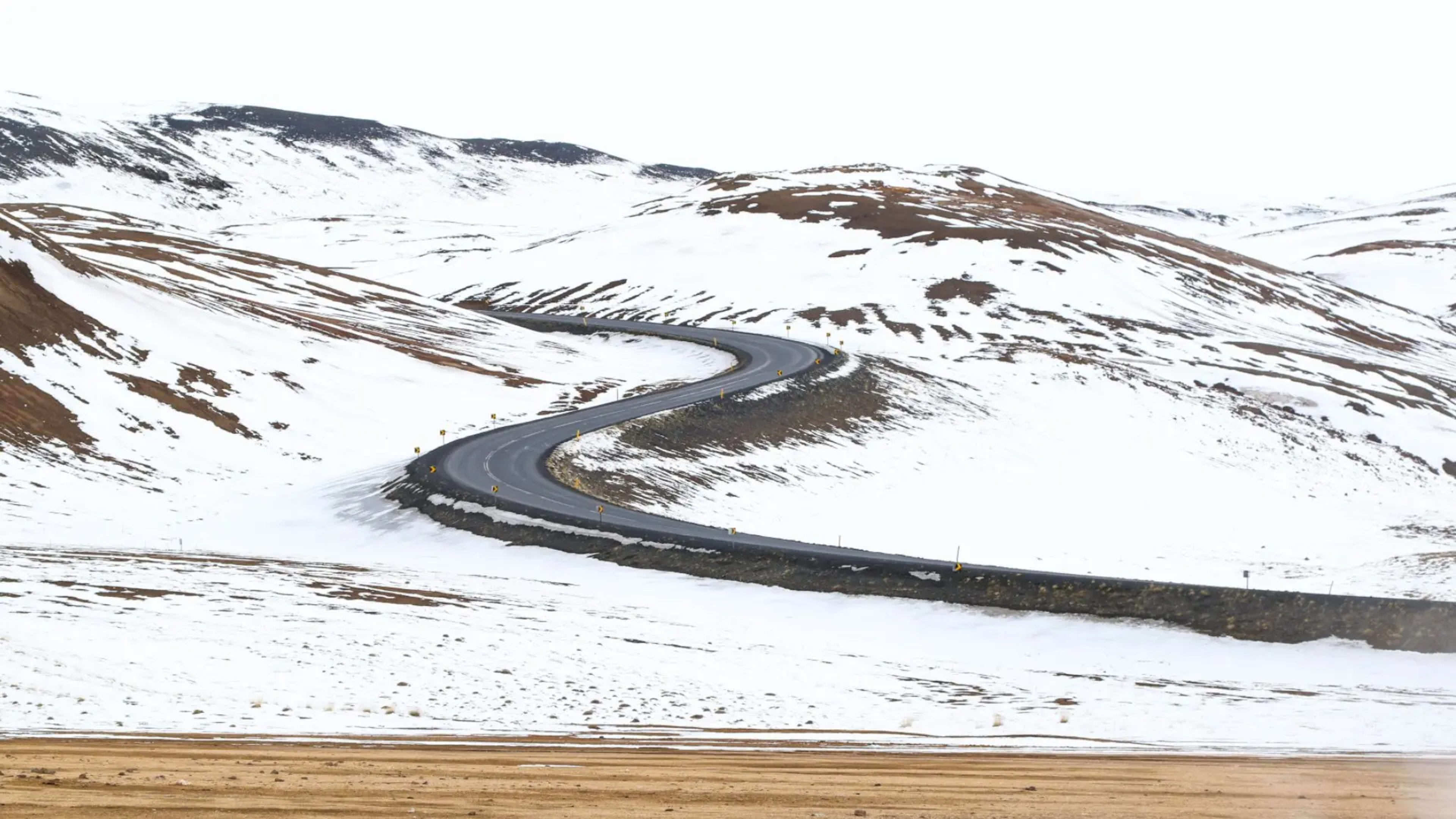
First snowfall in September or October is normal, but it usually does not settle at lower elevations early in the season. You are more likely to see snow building on the mountaintops than on the roads in Reykjavik and along the coast, though conditions vary year to year and inland.
How many hours of daylight are there in Iceland in October?
Daylight shortens noticeably through the month, from roughly 11 hours at the start of October to around 8 hours by the end. Early in the month the sun rises near 7:30 a.m. and sets around 6:45 p.m.; by late October it is closer to 9 a.m. to 5 p.m. That still leaves enough daylight to sightsee during the day and head out for the Northern Lights after dark.

Can I see the Northern Lights in Iceland in October?
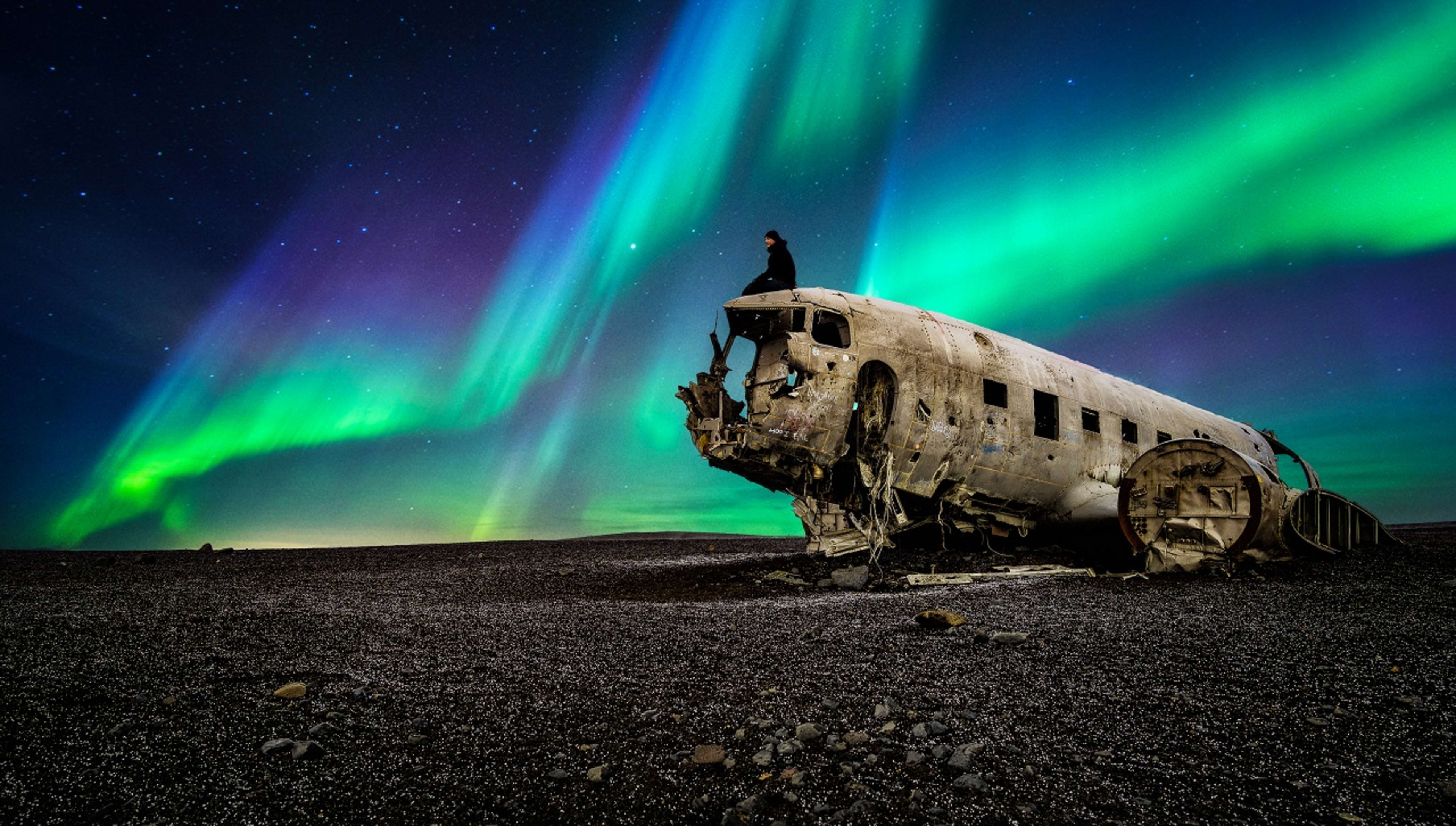
October is one of the earlier months of the aurora season, and the lengthening nights improve your chances compared with late summer. Seeing them is never guaranteed: the Northern Lights depend on solar activity and, just as importantly, clear skies, and October can be cloudy and wet. A reliable approach is to give yourself several nights, get away from town lights, and check the aurora forecast from the Icelandic Met Office.
What to wear and pack for Iceland in October
October calls for cool, wet, and windy conditions, so pack layers you can adjust through the day. A practical list:
• Fleece or lightweight wool sweaters
• Insulated and waterproof jacket
• Waterproof trousers
• Warm gloves, scarf, and hat
• Sturdy walking or hiking boots with good socks
• Thermal base layers
• Swimwear and a towel for hot springs and lagoons
Planning your trip to Iceland in October
Our advice is to choose the one thing you most want to do, whether that is the Northern Lights, glacier walking, or a city break, and build the trip around it. With Iceland Tours you pick a travel style, whether a multi-day tour from Reykjavik, a self-drive package, or a privately guided trip, then choose a specific itinerary by length and add optional activities to fill out your days.
You can start most trips on whatever date suits you, hold your booking with a 5% deposit on self-drive packages, and rely on our Reykjavik-based team for 24/7 support once you are on the road. Book online and we handle the rest.
FAQs about visiting Iceland in October
A few quick answers to the questions travellers ask most about an October trip to Iceland.
Yes, if you want early winter conditions without the deepest cold. You get enough daylight for sightseeing, dark nights for the Northern Lights, smaller crowds, and lower prices than in summer. Most of the country is still accessible.
October is one of the earlier aurora months, and the longer nights help. Sightings are never guaranteed, since they depend on solar activity and clear skies. Plan several nights, get away from town lights, and check the Met Office aurora forecast.
It is the start of winter, so expect changeable, wet, and windy weather. Highs average around 7 degrees C (45 F) and lows around 3 degrees C (37 F). Wind can make it feel colder, so bring waterproof and windproof layers.
Daylight drops from about 11 hours at the start of the month to around 8 hours by the end. That leaves time to sightsee during the day and look for the Northern Lights after dark.
Some early snow is normal, but it usually does not settle at lower elevations early in the season. You are more likely to see it on the mountaintops than on coastal roads, though conditions vary year to year.
Most regions are still accessible, including Reykjavik, the Reykjanes and Snaefellsnes peninsulas, the Golden Circle, and the south coast. October is the last comfortable month for the Westfjords and late in the season for the north, so check road conditions before longer drives.