


Heimaey and the Town of Vestmannaeyjabær
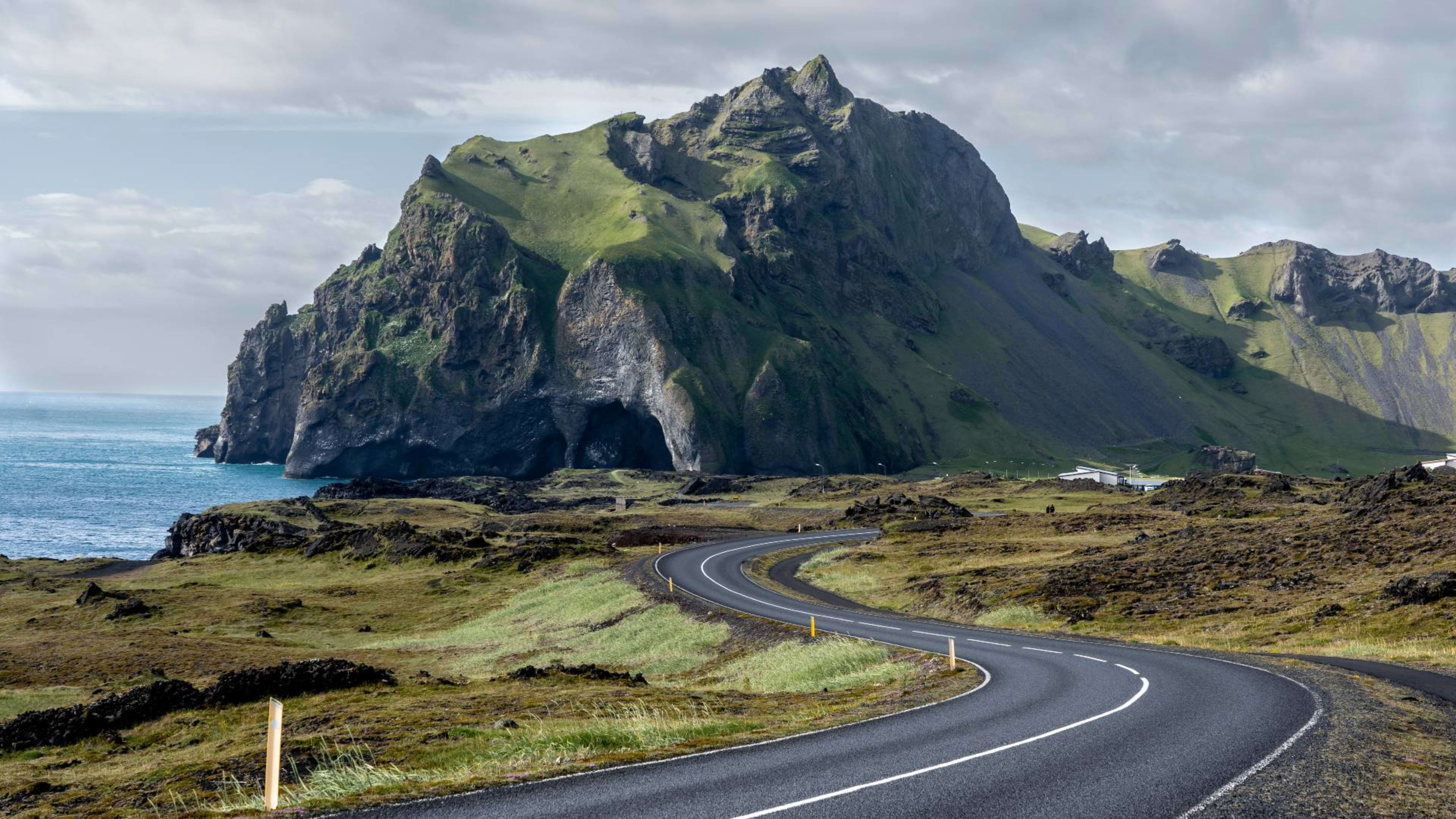
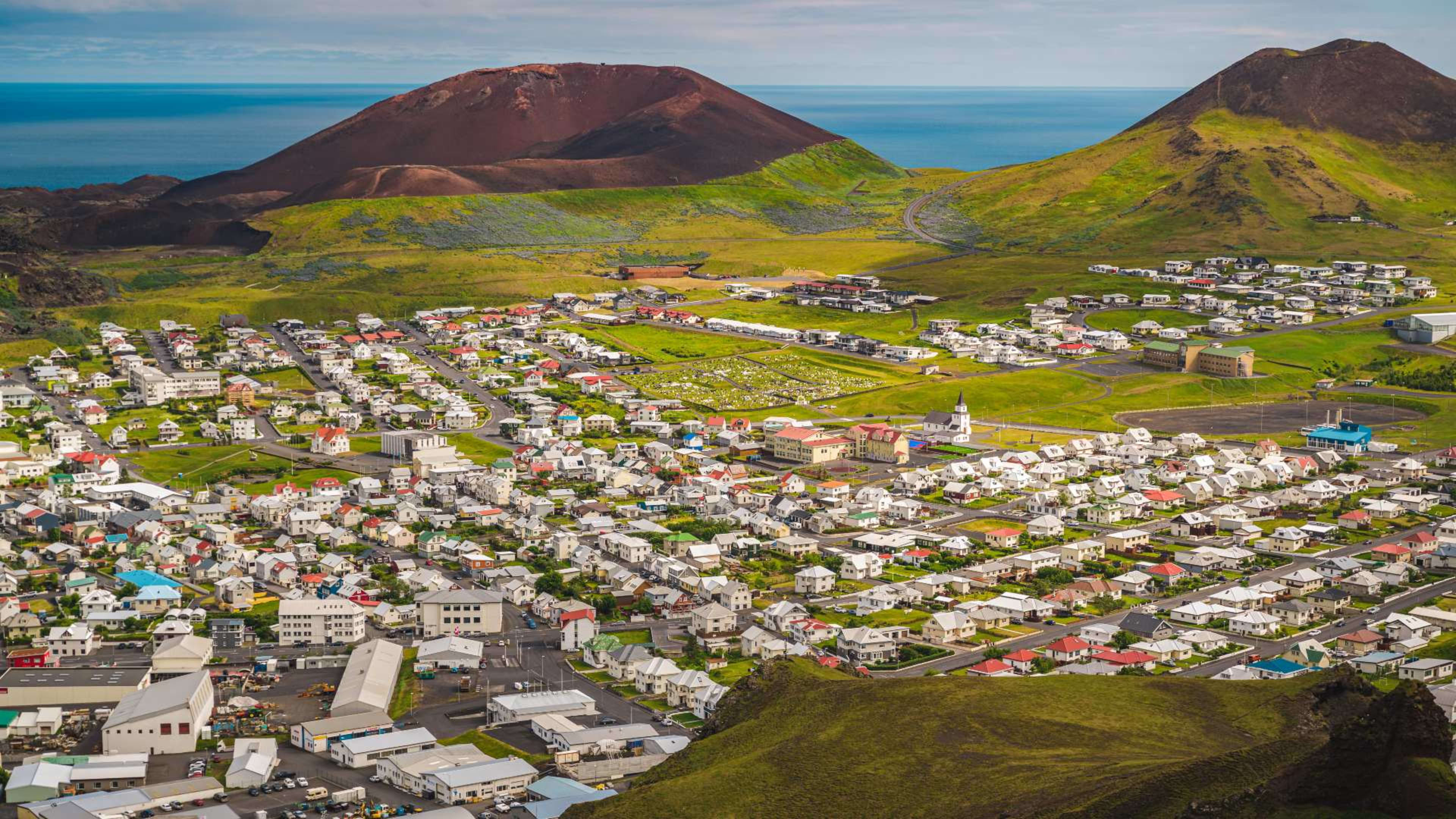
Heimaey, meaning home island, is the largest island in the group and the only one with permanent residents. The town of Vestmannaeyjabær sits on the northern end of the island, sheltered by the volcanic peaks of Eldfell and Helgafell. It is a working fishing community with a compact town centre, a harbour, restaurants, a museum, and accommodation. The cliffs surrounding much of the island rise steeply from the sea and are accessible by walking trails from the town.
The 1973 Eruption
On 23 January 1973, a fissure approximately 1.5 kilometres long opened on the eastern edge of Vestmannaeyjabær, with little warning. Lava fountains reached heights of around 200 metres. The island's 5,300 residents were evacuated to the mainland by boat within hours, with most of the fishing fleet happening to be in harbour due to weather conditions the previous day.
Over the following months, lava flows advanced toward the harbour, threatening to close the entrance entirely and effectively end the island's fishing industry. In response, residents and workers pumped seawater onto the advancing lava front continuously, cooling and slowing it. The effort succeeded in stopping the lava short of the harbour mouth, and the solidified lava actually improved the harbour's natural protection. Around 400 homes were buried or destroyed. The new volcanic peak created by the eruption, Eldfell, added roughly 200 metres of elevation to that part of the island.
The Eldheimar museum, built around an excavated house that was buried during the eruption, tells the story of the event through exhibits, recovered objects, and personal accounts from residents who were there.
Eldfell Volcano
Eldfell can be hiked from the town in around two to three hours return. The trail is moderately demanding and leads to the crater rim, from which there are views over the whole island, the harbour, the surrounding sea, and on clear days the south coast of mainland Iceland. The ground on the upper slopes remains geothermally warm in places, a remnant of the 1973 activity.
Puffins and Wildlife
The Westman Islands host the largest Atlantic puffin colony in the world. Around four to five million birds breed on the islands during the summer months, nesting in burrows along the clifftops and grassy slopes. The main viewing areas on Heimaey are Heimaklettur, the large cliff at the harbour entrance; Ofanleitishamar on the east coast, around 25 minutes on foot from the town centre; and Stórhöfði at the southern tip of the island, which offers the most concentrated viewing.
Puffins are present from mid-May to August. Boat tours departing from the harbour bring visitors close to the cliffs where the birds nest and allow views of the colonies from the water. In August, young puffins leaving the nest for the first time sometimes become disoriented by town lights. Locals traditionally collect and release them, a practice that has become a community tradition involving both residents and visitors.
The islands also support large colonies of guillemots, razorbills, fulmars, and gannets. A beluga whale sanctuary operates on the island, where rescued belugas are kept in a sea enclosure.
Surtsey
Surtsey, the southernmost island in the group, emerged from the sea in a volcanic eruption that began on 14 November 1963 and continued for nearly four years. It reached a height of 174 metres above sea level before erosion began reducing its size. The island is a UNESCO World Heritage Site and access is restricted to scientists studying how life colonises new land. It is visible from boat tours departing Heimaey on clear days but cannot be visited.
Getting to the Westman Islands
The main ferry connection runs from Landeyjahöfn harbour on the south coast to Heimaey. The crossing takes 35 minutes and runs multiple times daily year-round. Landeyjahöfn is approximately two hours by car from Reykjavík. The ferry is operated by Herjólfur and can carry cars, though for a day trip a car is not necessary as the town is walkable and bikes and e-scooters are available for hire on the island. When weather prevents docking at Landeyjahöfn, the ferry may dock at Þórlákshöfn instead, with a sailing time of around two hours.
Domestic flights connect Reykjavík Domestic Airport with Heimaey in around 25 minutes, with departures twice weekly. Flights are weather-dependent.
When to Visit
Summer, from May to August, is the best time for puffin watching and outdoor activities. The Þjóðhátíð festival in early August is one of Iceland's largest annual events and draws visitors from across the country. Accommodation books up well in advance around the festival. Outside of summer the islands are quieter. The museum, harbour, and town are accessible year-round, and winter visits can include the possibility of Northern Lights viewing from the island.