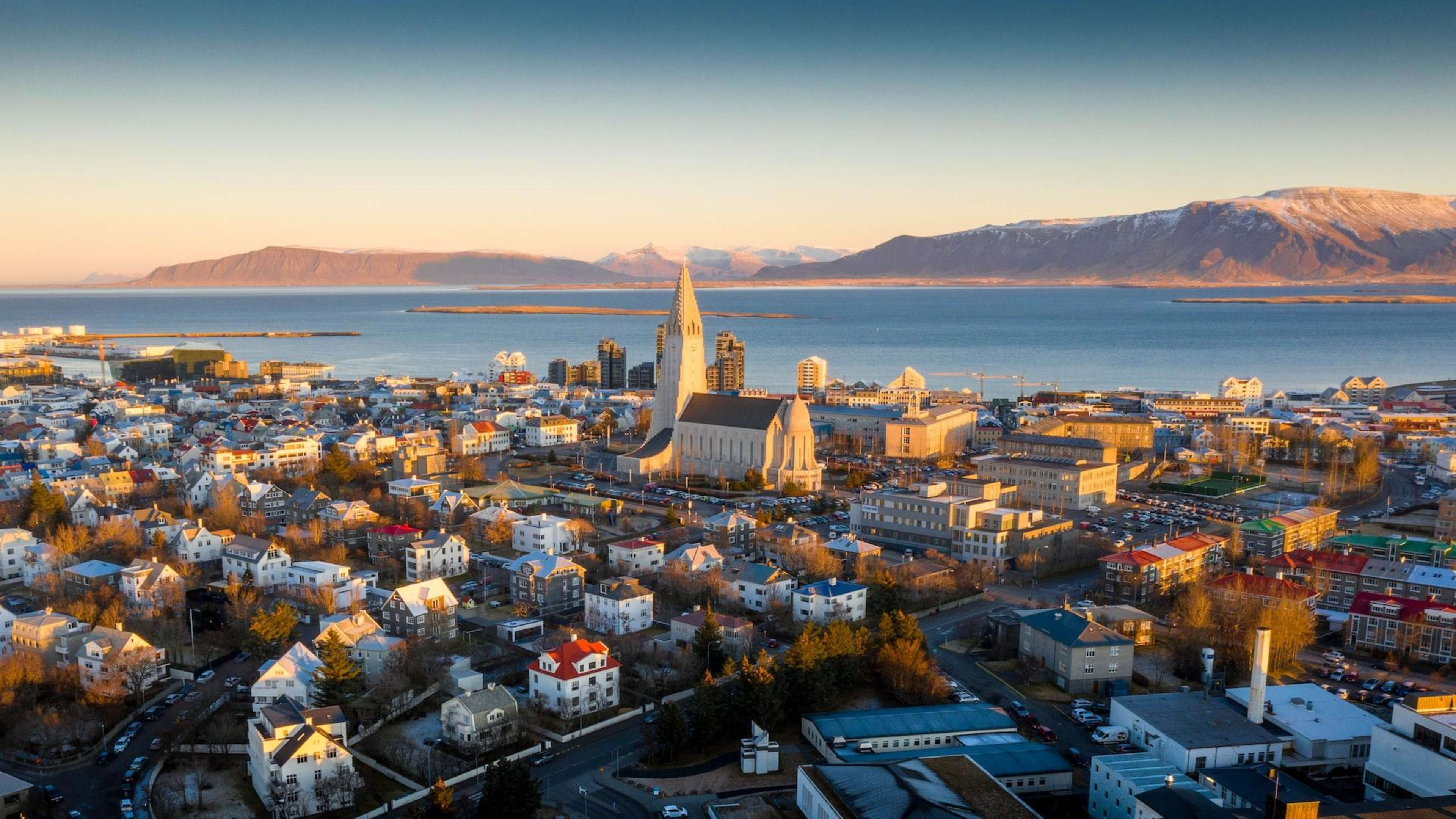
Getting to know Reykjavík
Reykjavík is the world's northernmost capital, home to around 130,000 people and built along a stretch of coastline facing the North Atlantic. Downtown, known in Icelandic as Miðborg or simply as "101" after its postcode, is the oldest and most compact part of the city. Most of what visitors want to see sits within comfortable walking distance of each other, which makes the city centre an easy place to spend a day or three before heading out into the rest of Iceland.
Most Iceland Tours packages start and end in Reykjavík, so you will likely spend at least one or two nights here at the beginning or end of your trip. It is worth giving the city a proper look rather than treating it purely as a gateway.
What to see in downtown Reykjavík
Hallgrímskirkja
The church at the top of Skólavörðustígur is the most recognisable building in Iceland. Designed by architect Guðjón Samúelsson and completed in 1986 after more than 40 years of construction, its stepped concrete facade was modelled on the basalt columns found across the Icelandic landscape. The tower stands 74 metres tall, and a lift takes visitors to an observation deck near the top with views across the rooftops to the mountains and sea. Entry to the church is free; there is a small charge for the tower.
Harpa Concert Hall
Opened in 2011 on the edge of the Old Harbour, Harpa is both a working concert venue and one of the more striking pieces of architecture in northern Europe. The glass facade, designed in collaboration with artist Olafur Eliasson, shifts colour through the day as the light changes. It is the home of the Iceland Symphony Orchestra and the Icelandic Opera. Guided tours of the building run daily.
The Old Harbour
A short walk west of the city centre, the Old Harbour is where fishing boats, whale watching vessels, and puffin tour boats share the same docks. The area has developed significantly over the past decade and now has a concentration of restaurants, coffee roasters, and the Reykjavík Maritime Museum. It is a good spot to spend an hour on foot, particularly in summer when the light on the water stays long into the evening.
Tjörnin
The small lake at the edge of the city centre, framed by the City Hall on one side and colourful residential streets on the other, is one of the quieter spots in downtown. Ducks, geese, and Arctic terns nest here through the summer months. The walking path around the pond is flat and easy, and the views back toward Hallgrímskirkja from the southern end are worth the detour.
Laugavegur and Skólavörðustígur
The two main shopping and dining streets meet at the foot of Hallgrímskirkja. Laugavegur runs east to west through the heart of downtown and is lined with independent clothing and design shops, bookstores, cafés, and restaurants. Skólavörðustígur leads uphill toward the church and has a higher concentration of Icelandic craft and design stores. Both streets are walkable in under 15 minutes end to end, though you will likely want longer.
Museums worth your time
The Settlement Exhibition on Aðalstræti is built directly over the remains of a Viking Age longhouse discovered during construction work in 2001. The exhibits are well designed and give a clear sense of what the earliest settlement of Reykjavík looked like. The National Museum of Iceland, a short walk south of the city centre, covers Icelandic history from the settlement period to the present day and is probably the most comprehensive introduction to the country available under one roof.
Perlan, situated on a wooded hill just outside downtown, houses a natural history museum with a full-scale replica ice cave, a Northern Lights planetarium show, and a 360-degree observation deck. It is a particularly good option if you are travelling with children or if bad weather has shortened outdoor plans.
Eating and drinking
Reykjavík has a food scene that punches well above the city's size. The best of it tends to be found in small independent restaurants rather than larger tourist-facing places. Fish and lamb feature heavily on menus, as does skyr in various forms. The Hlemmur Mathöll food hall at the eastern end of Laugavegur is a good option for an informal meal with several kitchens under one roof. For a more traditional Icelandic experience, a pylsa from the Bæjarins Beztu Pylsur hot dog stand near the harbour has been a local institution for decades.
The café culture in Reykjavík is genuine and unhurried. Most cafés double as workspace for locals during the day and are comfortable places to sit for longer than the coffee takes to drink.
Getting around the city
Downtown Reykjavík is small enough that most visitors do not need public transport to get between sights. The walk from the Old Harbour to Hallgrímskirkja takes around 15 minutes at a relaxed pace. Parking in the city centre uses a zoned pay system (P1 through P4), with rates decreasing the further from the main streets you park. The Parka app handles payment from your phone. A number of car parks are available just outside the core zone if you prefer off-street parking.
Keflavíkurflugvöllur, the international airport, is around 50 km southwest of the city centre and the drive typically takes 45 minutes.
Reykjavík as a base for day trips
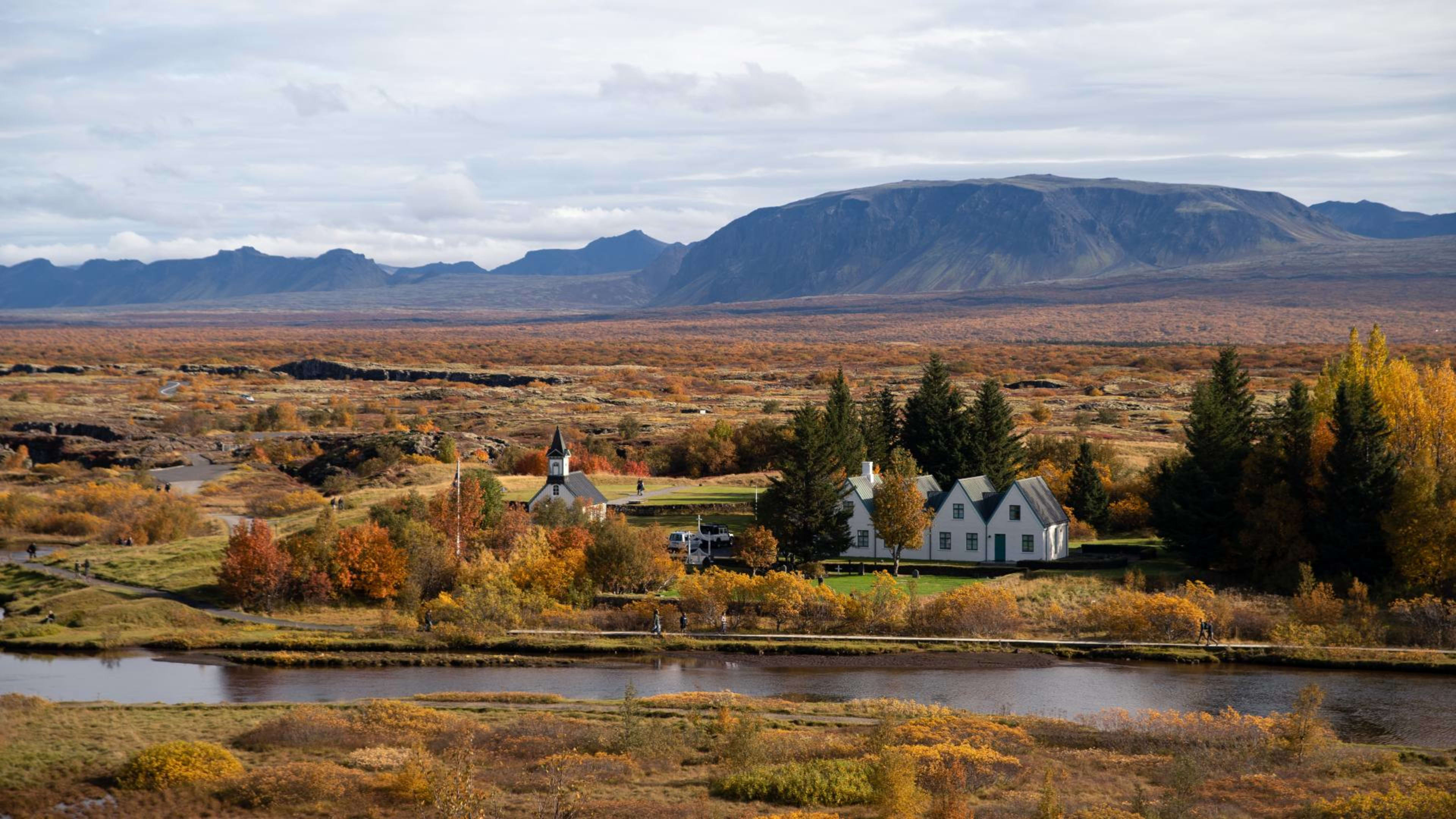
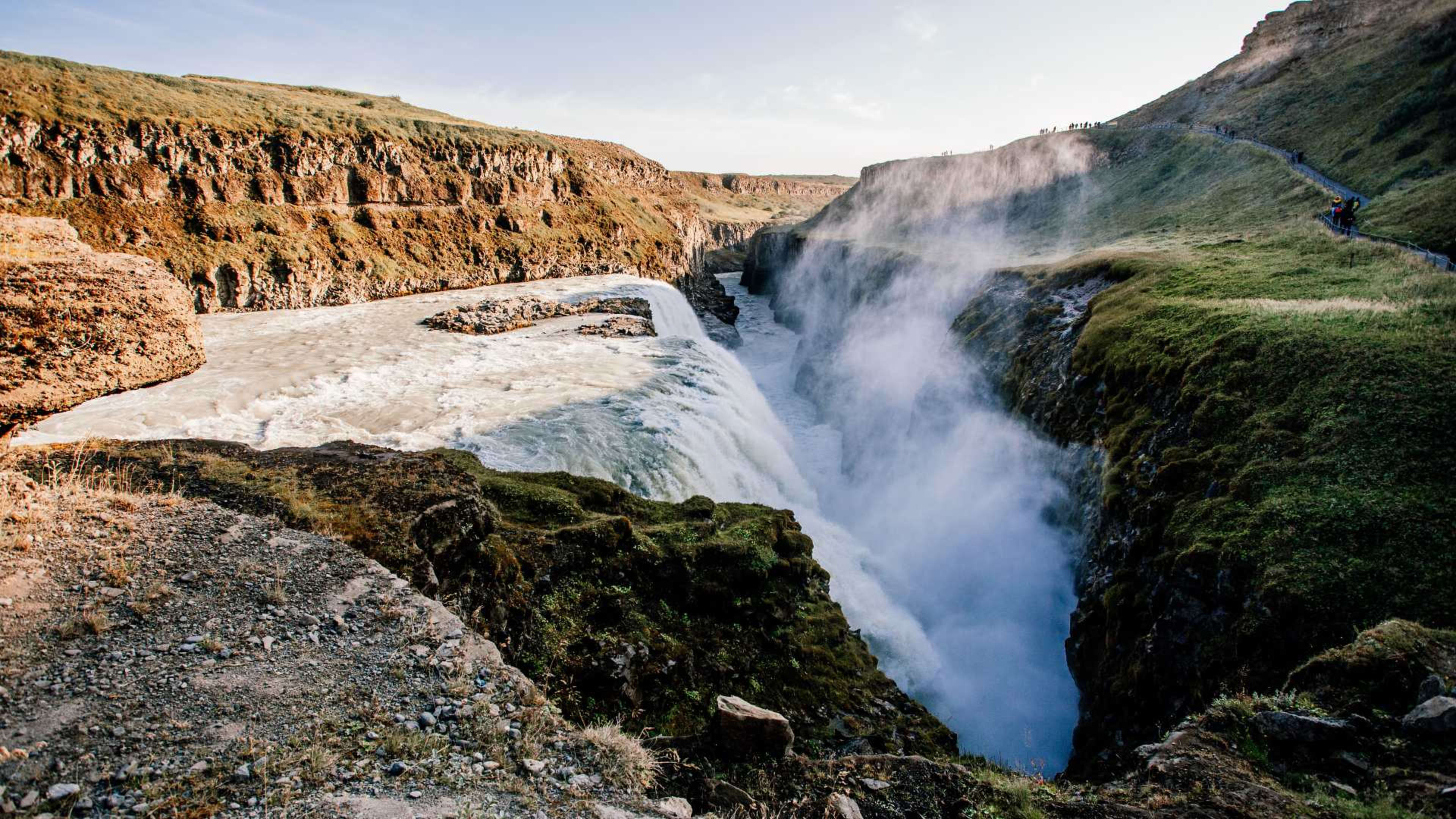
The city's location makes it a practical base for exploring the most visited parts of Iceland without needing to check in and out of different accommodation each night. The Golden Circle, which takes in Þingvellir National Park, the Geysir geothermal area, and Gullfoss waterfall, is a full day from Reykjavík and well within reach on a self-drive or guided tour. The South Coast, including Seljalandsfoss, Skógafoss, and the black sand beach at Reynisfjara near Vík, is another popular day route that most visitors can complete and return from comfortably.
If you are joining one of our multi-day tours from Reykjavík, the city will serve as your starting point. Our 6-day summer tour and 6-day winter Northern Lights tour both begin and end here, with guided day trips covering the Golden Circle and South Coast from your Reykjavík hotel base.
When to visit
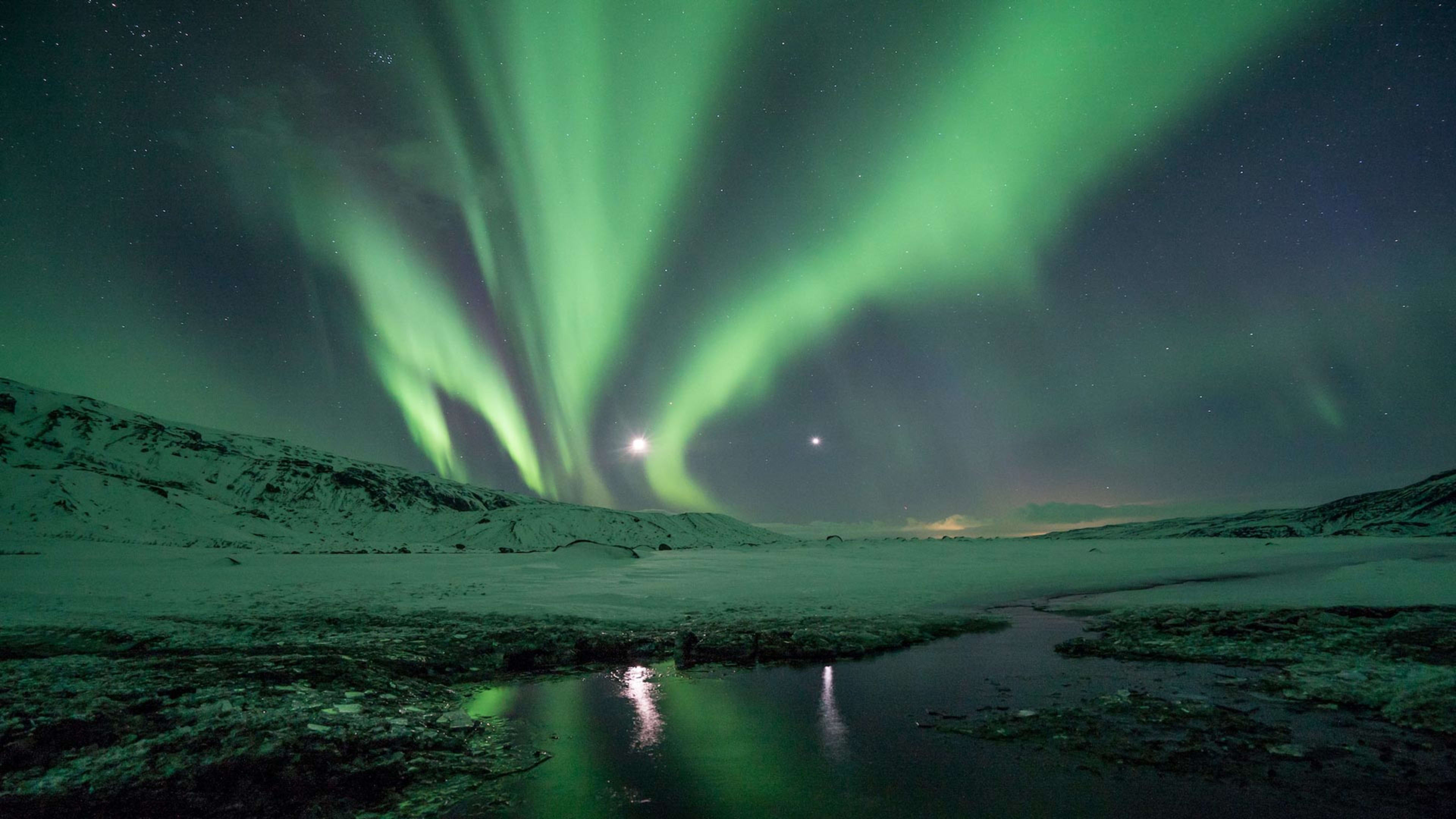
Reykjavík is a year-round city and there is no bad time to visit. Summer brings near-continuous daylight and a busy calendar of outdoor events, street performances, and festivals. Winter brings early darkness but also the best conditions for seeing the Northern Lights from the city outskirts, along with a quieter atmosphere and generally lower accommodation prices. The shoulder months of May and September tend to offer reasonable weather, fewer visitors than peak summer, and full access to most attractions.