

Immerse yourself in Iceland's pristine wilderness on this epic 2-week camping road trip adventure.
Immerse yourself in Iceland's pristine wilderness on this epic 14-day camping road trip adventure that takes you far beyond the typical tourist trail. If you want to genuinely get off the beaten track and explore Iceland's most remote corners while sleeping under the stars, this is the perfect trip. With comprehensive camping gear and a reliable rental car included, you'll have everything needed for this ambitious two-week adventure.
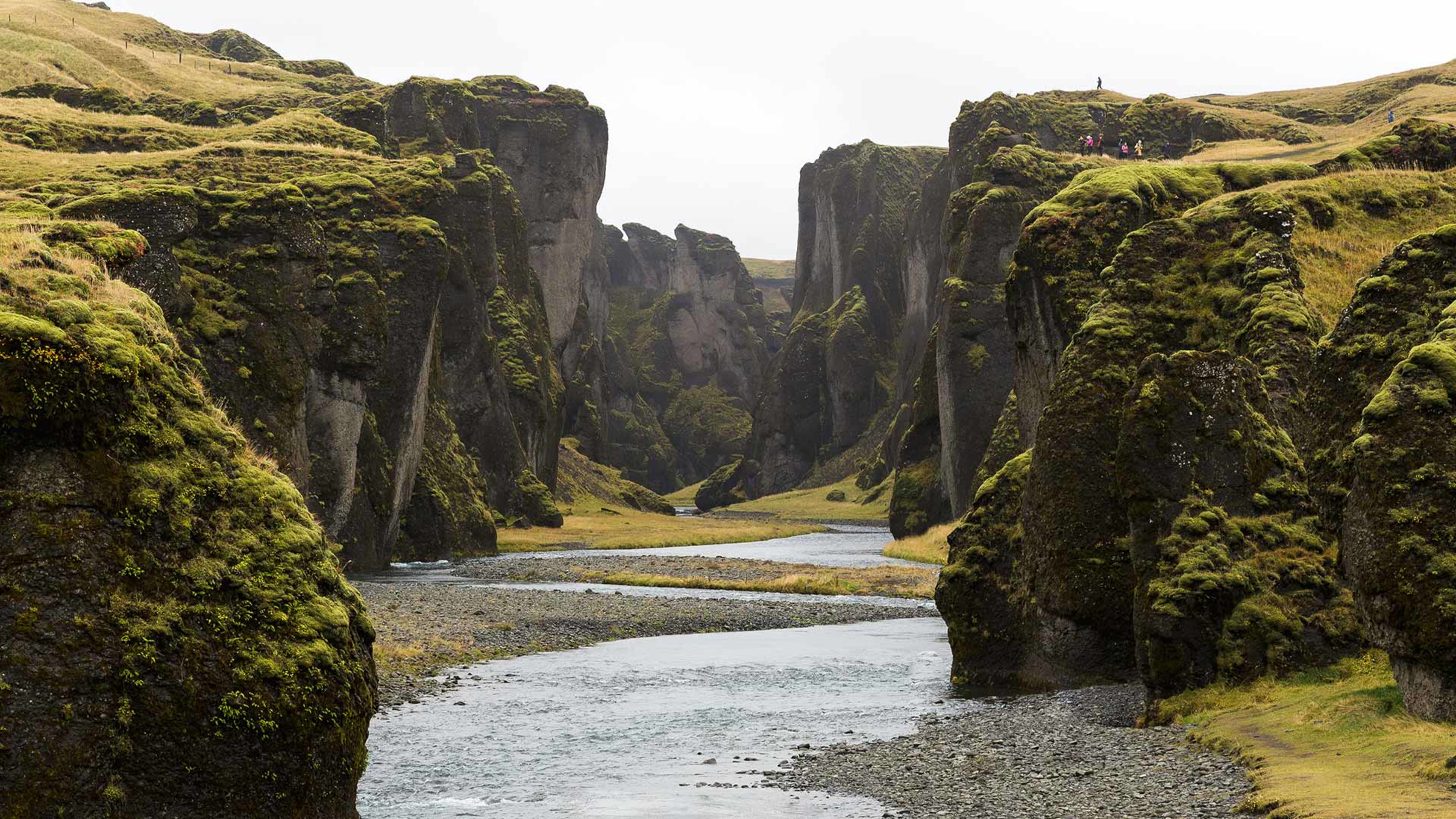
Discover hidden gems scattered throughout the Westfjords, North Iceland, and Snæfellsnes peninsula. Of course, you'll also check out the top spots on Iceland's much-loved Ring Road, experiencing the complete circuit while camping at beautiful sites around the country. Get ready for an unforgettable road trip delivering jaw-dropping views at every turn, from dramatic fjords and towering cliffs to glacial lagoons and volcanic landscapes.
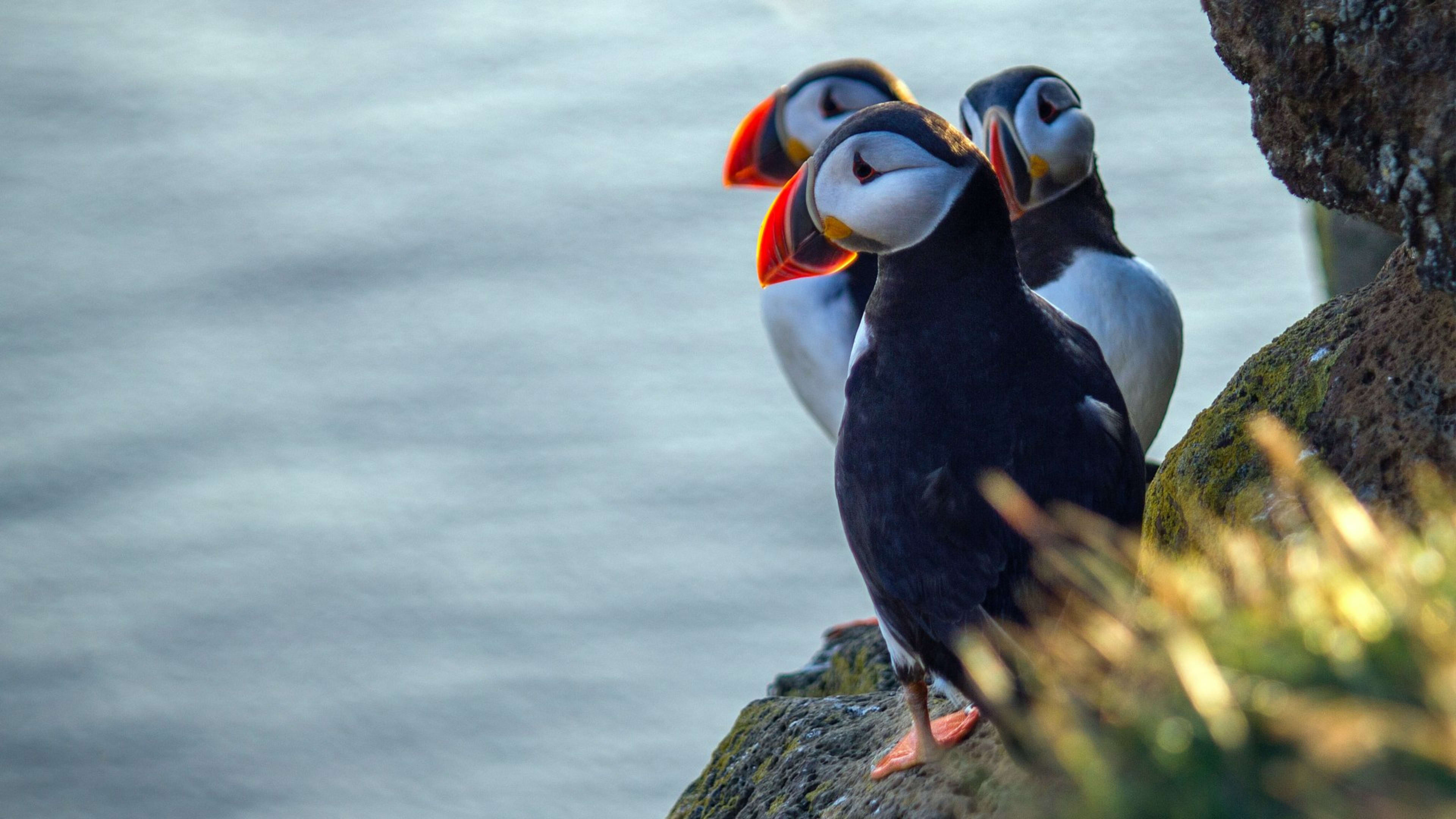
The Westfjords section offers genuinely remote camping experiences. Explore this wild region, home to puffins nesting on Europe's largest bird cliffs and Arctic foxes roaming freely. Take a scenic ferry across Breiðafjörður Bay, then pitch your tent in Iceland's most isolated areas, where campsites are small and intimate. Visit the magnificent Dynjandi waterfall and drive along winding coastal roads where you might not see another car for hours.
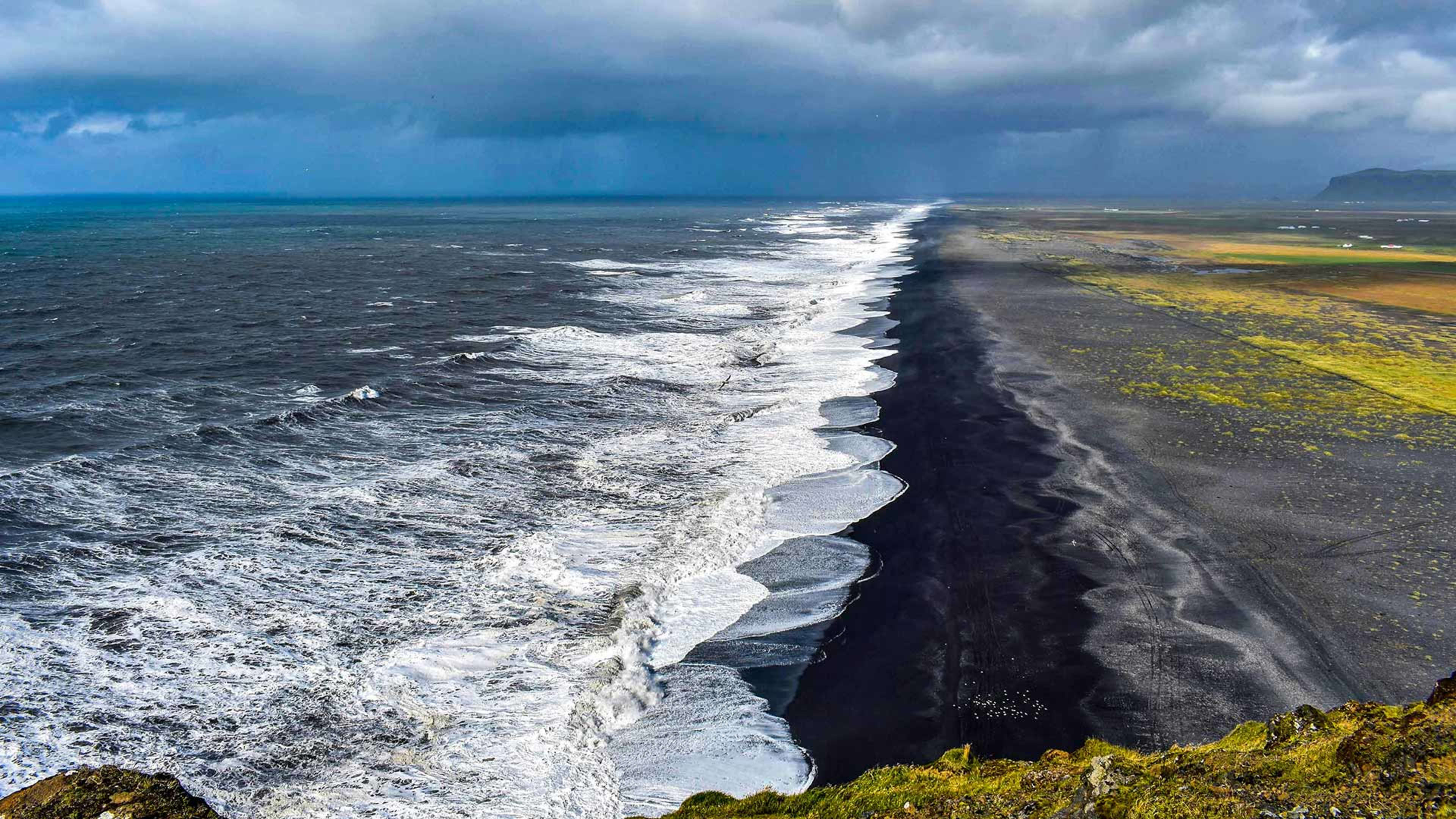
See geysers erupting with clockwork regularity, waterfalls ranging from delicate cascades to thundering torrents, hot springs bubbling with geothermal energy, and countless other natural wonders. Walk along black sand beaches on the stunning south coast, where camping near the ocean creates unforgettable evenings. Get up close to volcanoes and glaciers in national parks, hiking trails that lead to spectacular viewpoints. Dive into local culture and visit buzzing Reykjavík at both the beginning and end of your journey.
Your first night includes a hotel stay in Reykjavík with breakfast. You can collect your camping gear either on Day 1 upon arrival or on Day 2 after breakfast, then embark on twelve nights of camping across Iceland before returning to the capital, creating the ultimate outdoor adventure.
On this tour you will...
Get up close to volcanoes and glaciers in national parks
Explore the wild Westfjords, home to puffins and Arctic foxes
See geysers, waterfalls, hot springs, and more
Walk along black sand beaches on the stunning south coast
Pitch your tent at campsites in beautiful locations
Dive into the local culture and visit the buzzing capital, Reykjavík
Top attractions

Downtown Reykjavík
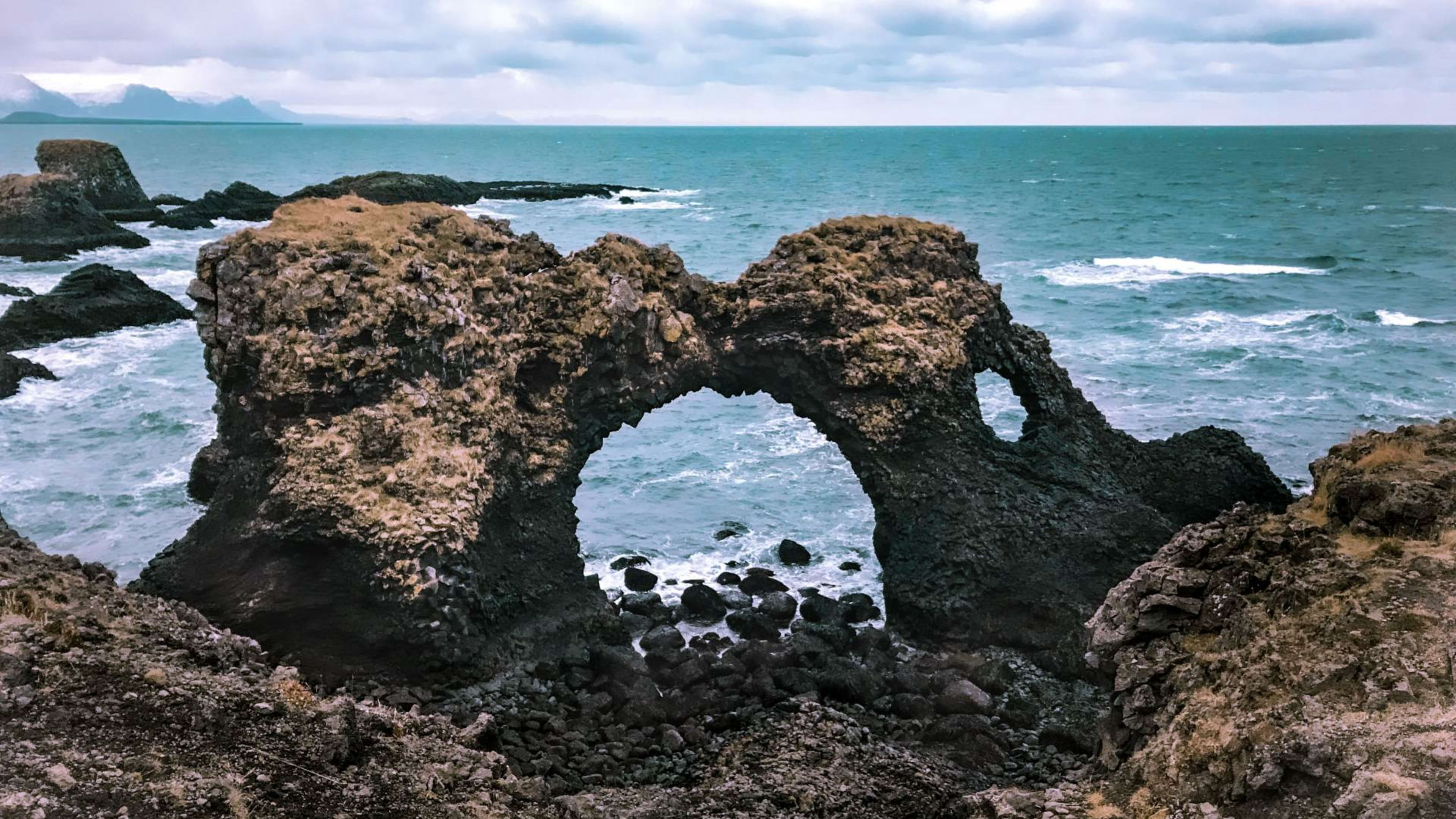
Arnarstapi

Djúpalónssandur
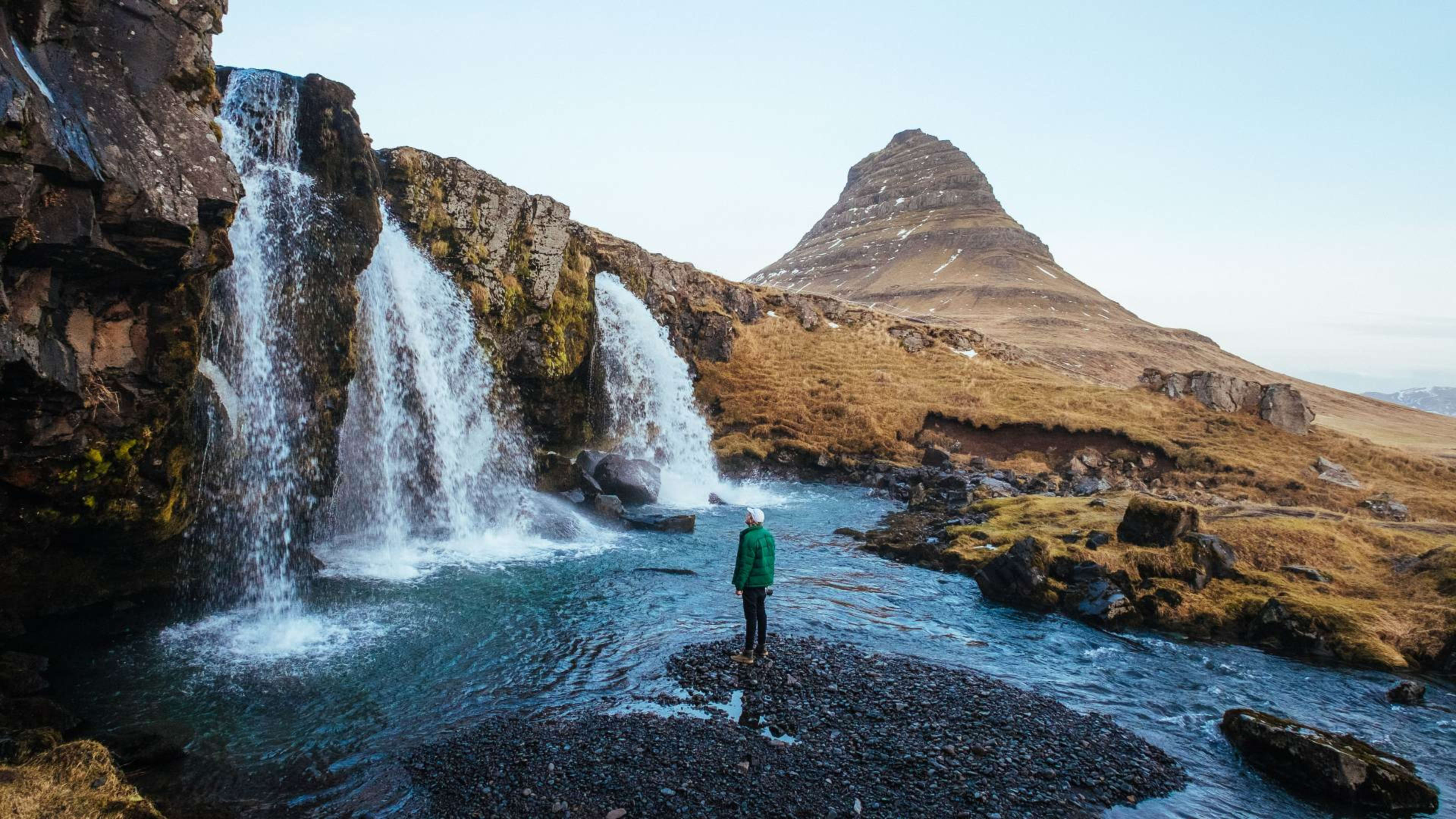
Kirkjufell
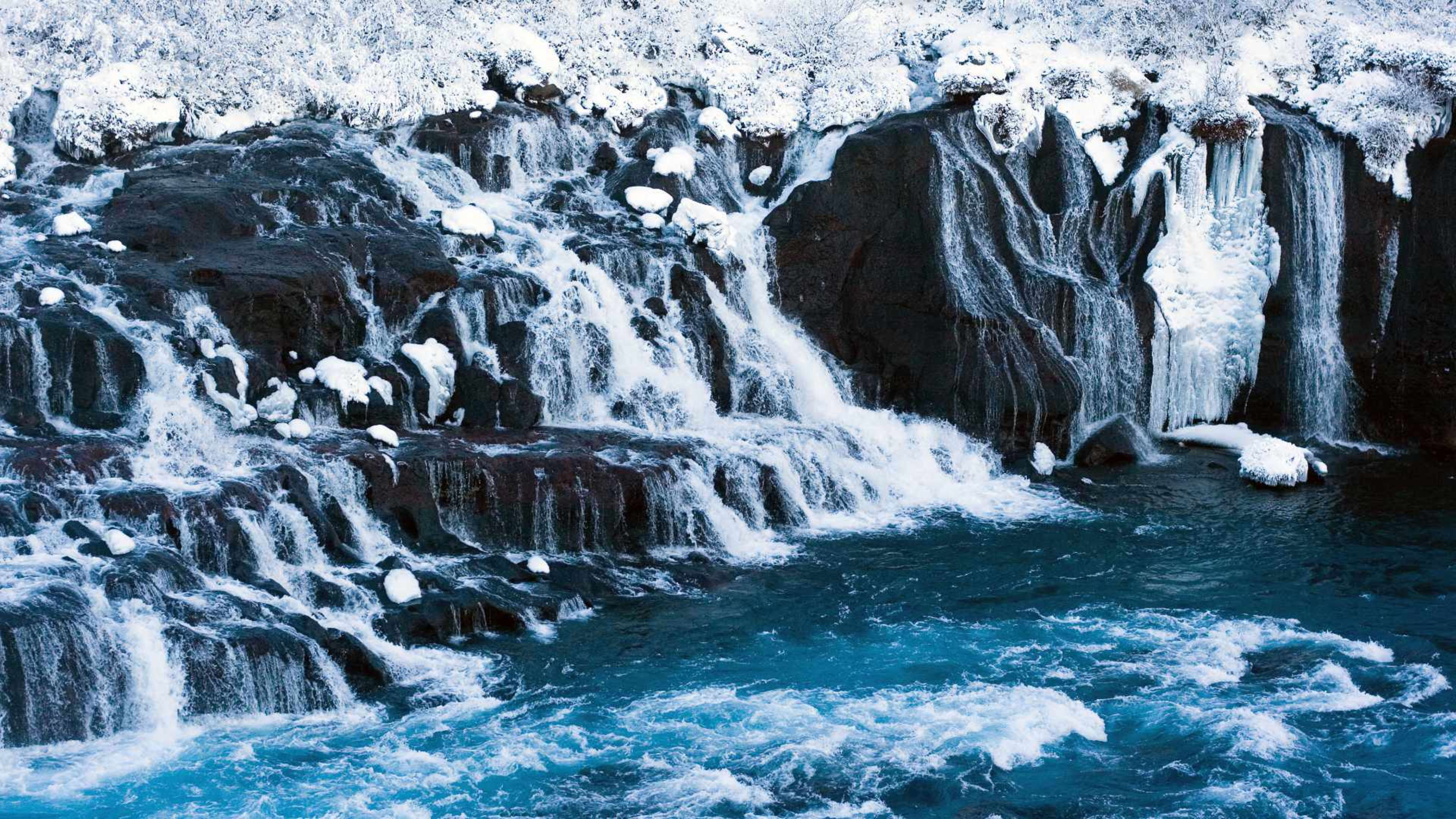
Hraunfossar and Barnafoss

Deildartunguhver

Breiðafjörður bay
Látrabjarg

Ísafjörður

Dynjandi
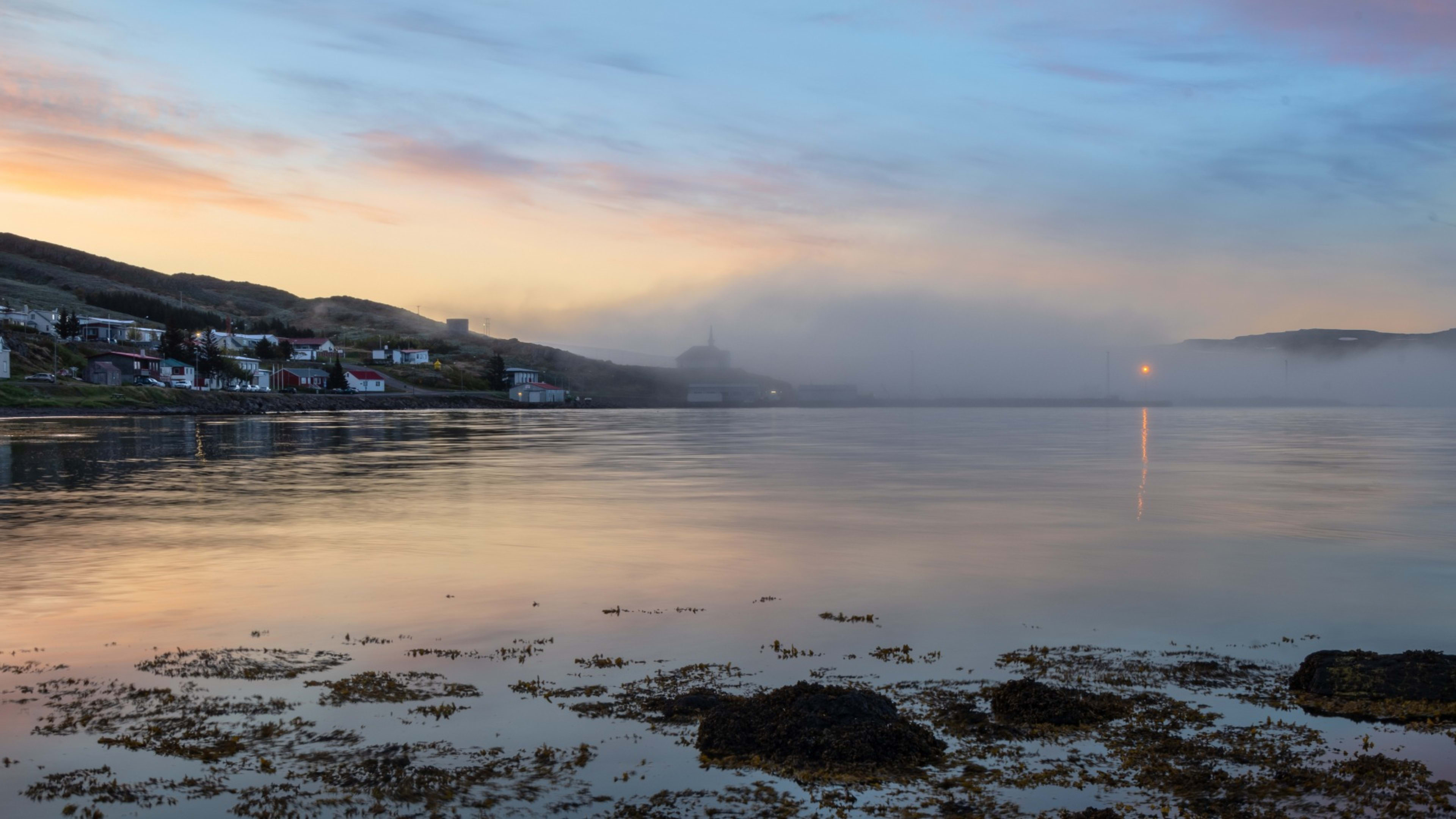
Hólmavík
Akureyri

Glaumbær turf farm
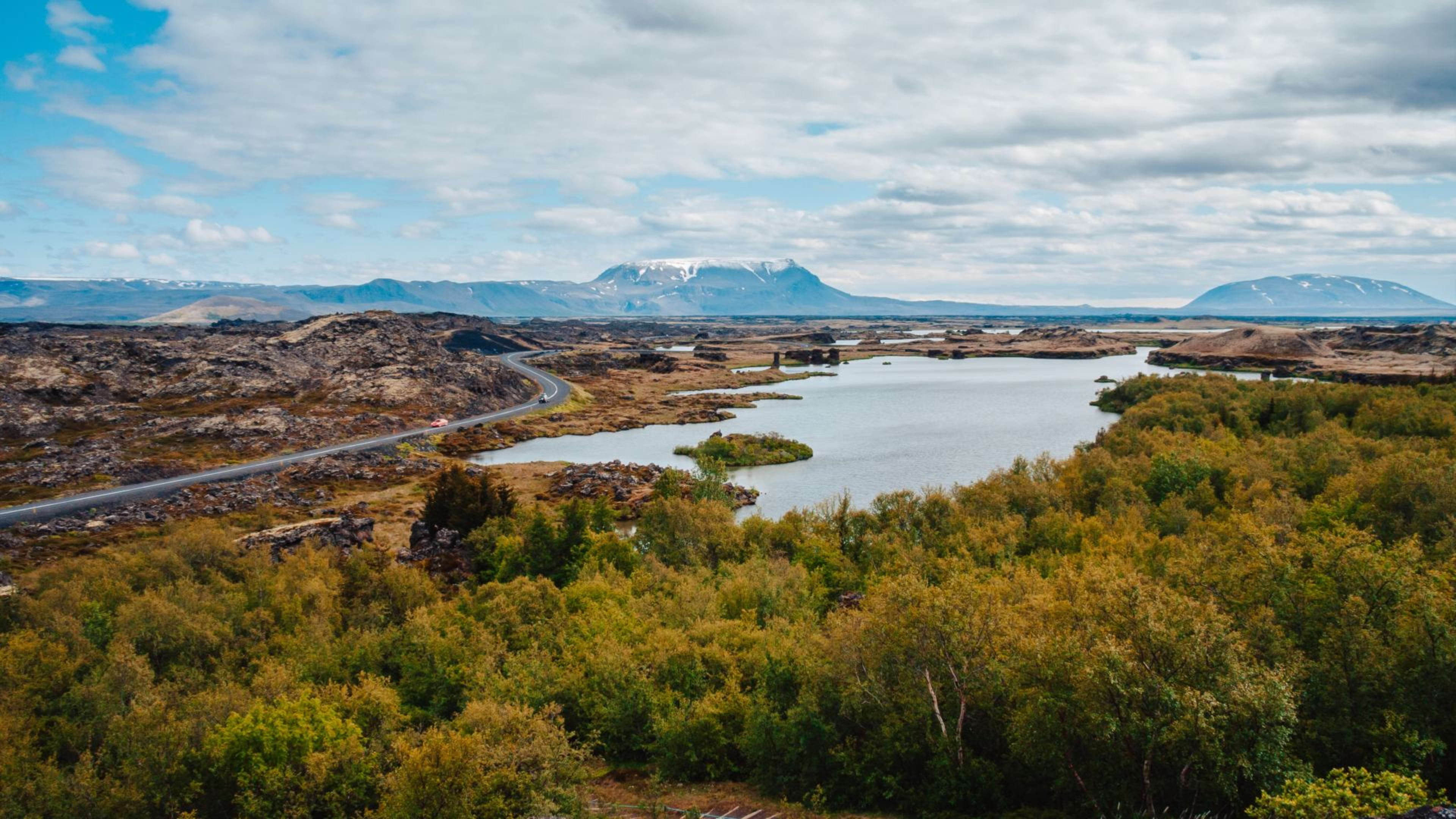
Lake Mývatn

Dimmuborgir
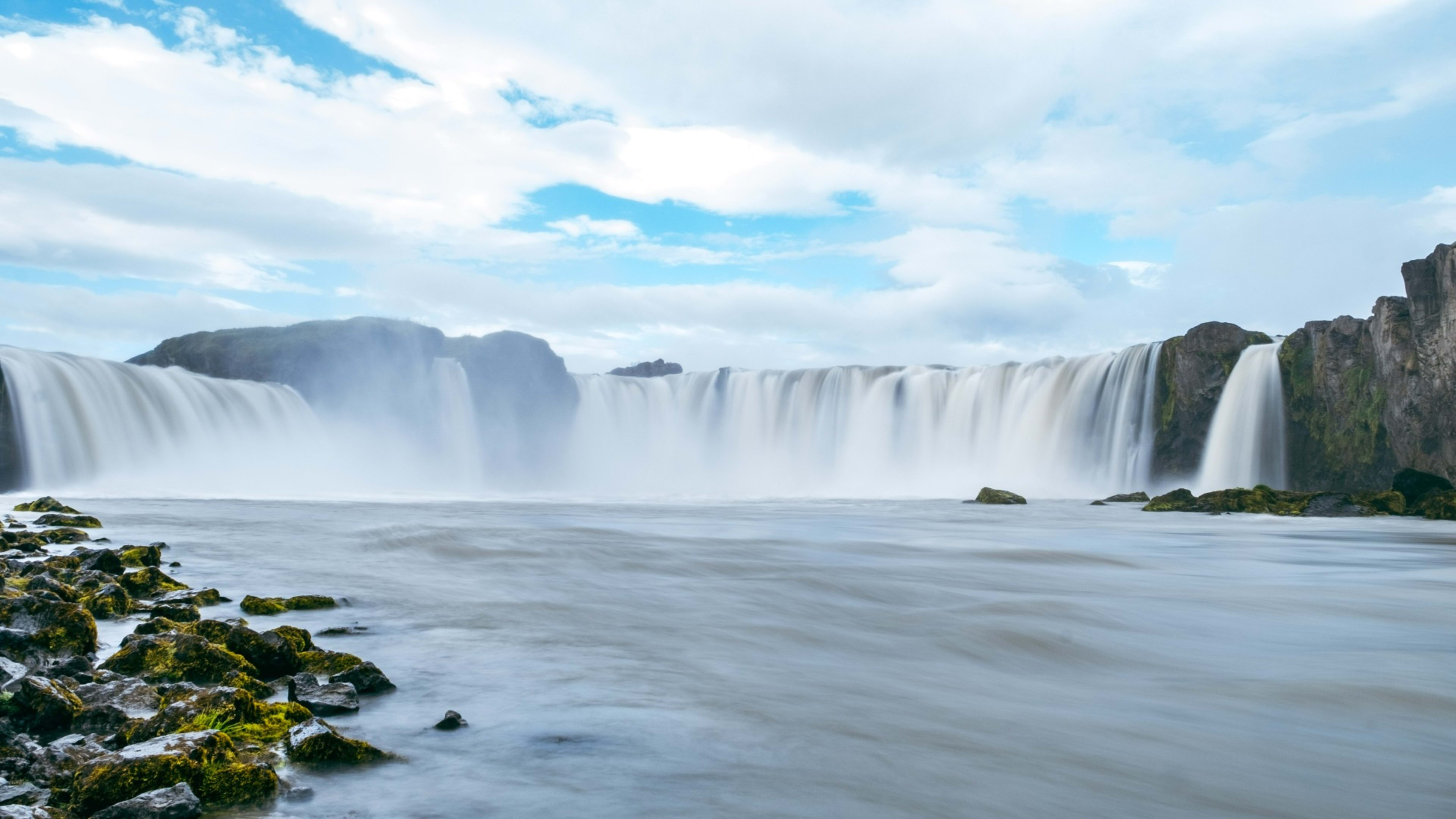
Goðafoss
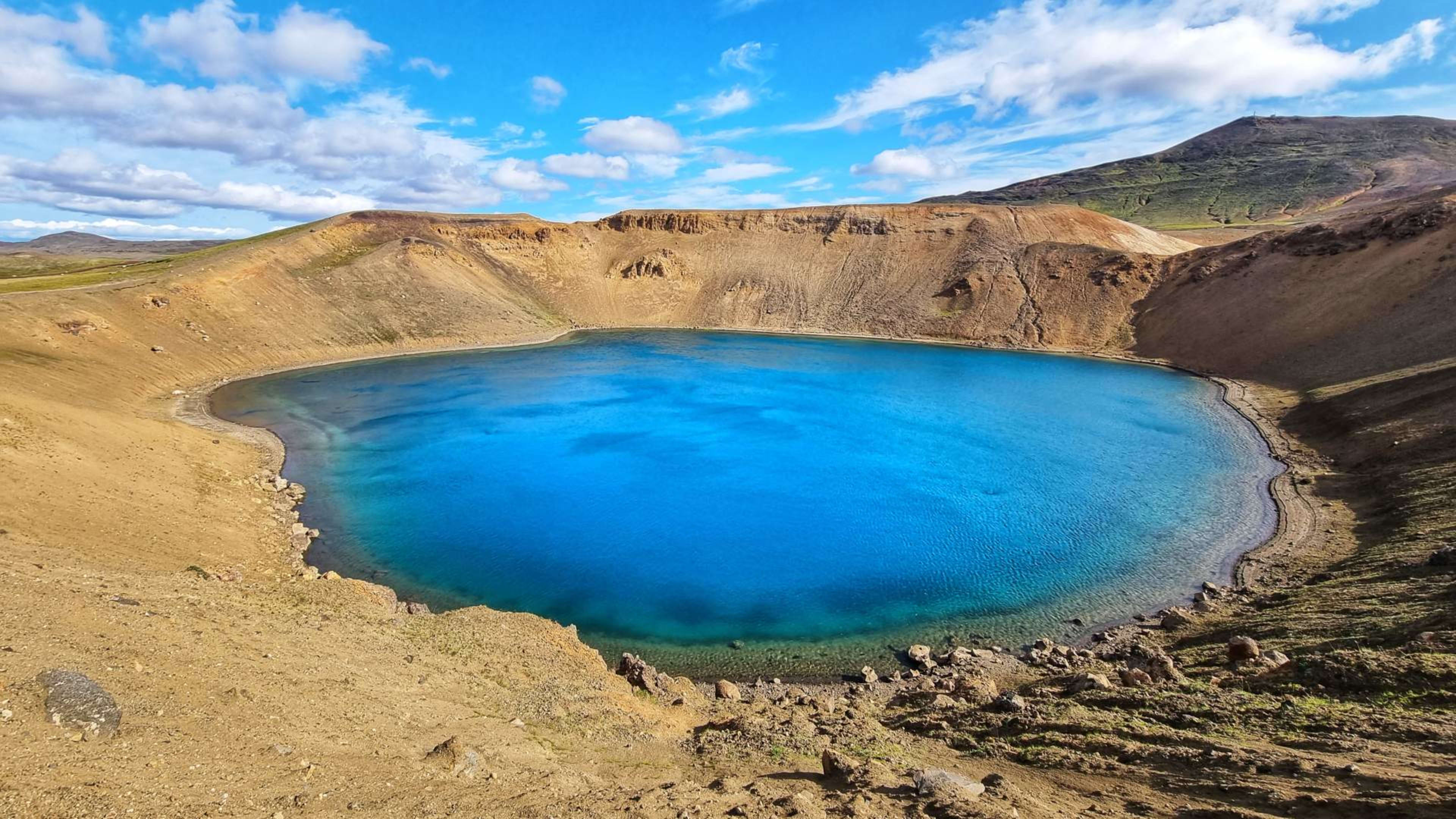
Krafla and Leirhnjúkur
Dettifoss

Ásbyrgi

Stuðlagil canyon

Egilsstaðir

Húsavík
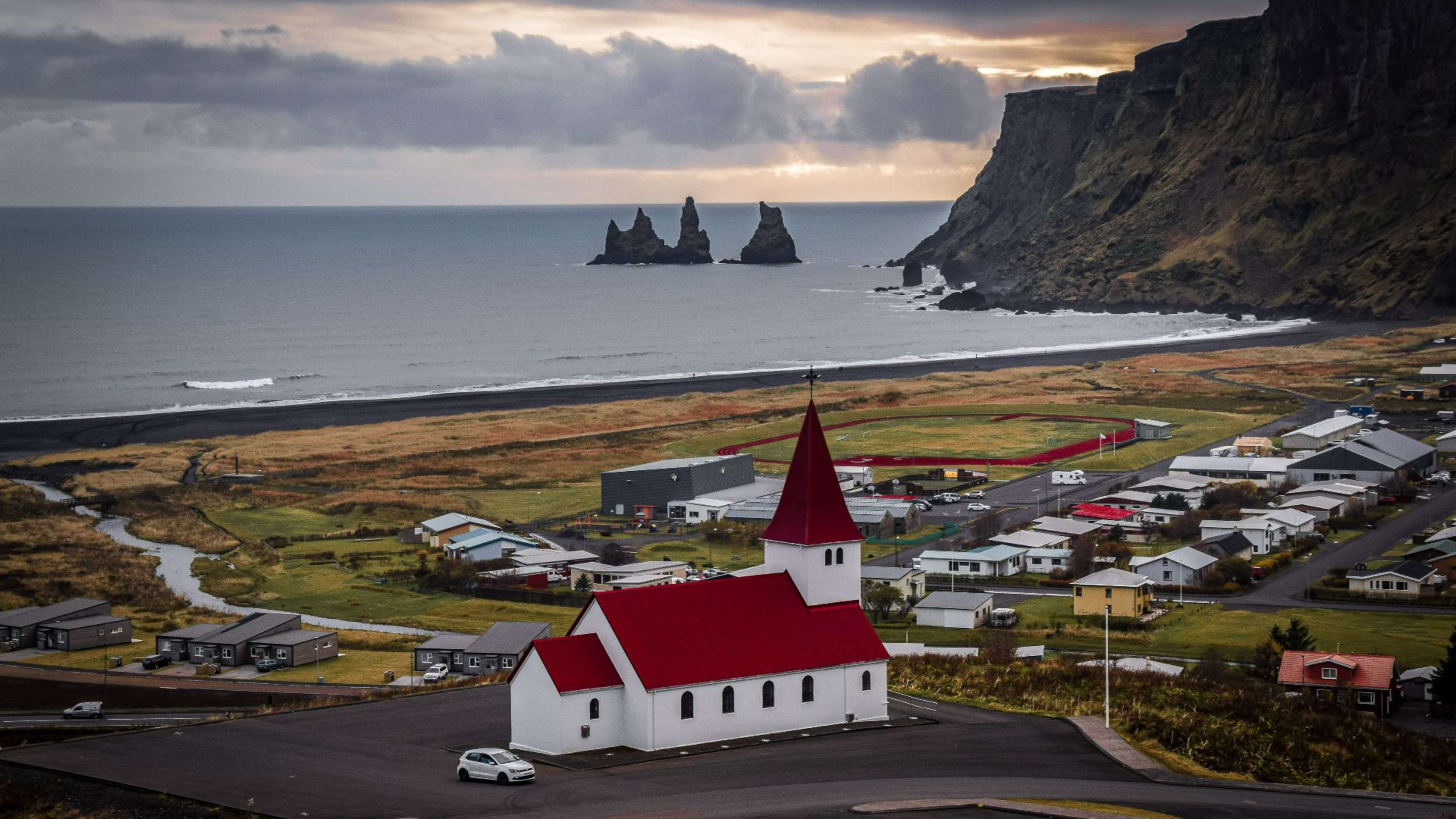
Vík í Mýrdal

Eldhraun lava field

Kirkjubæjarklaustur

Jökulsárlón Glacier Lagoon
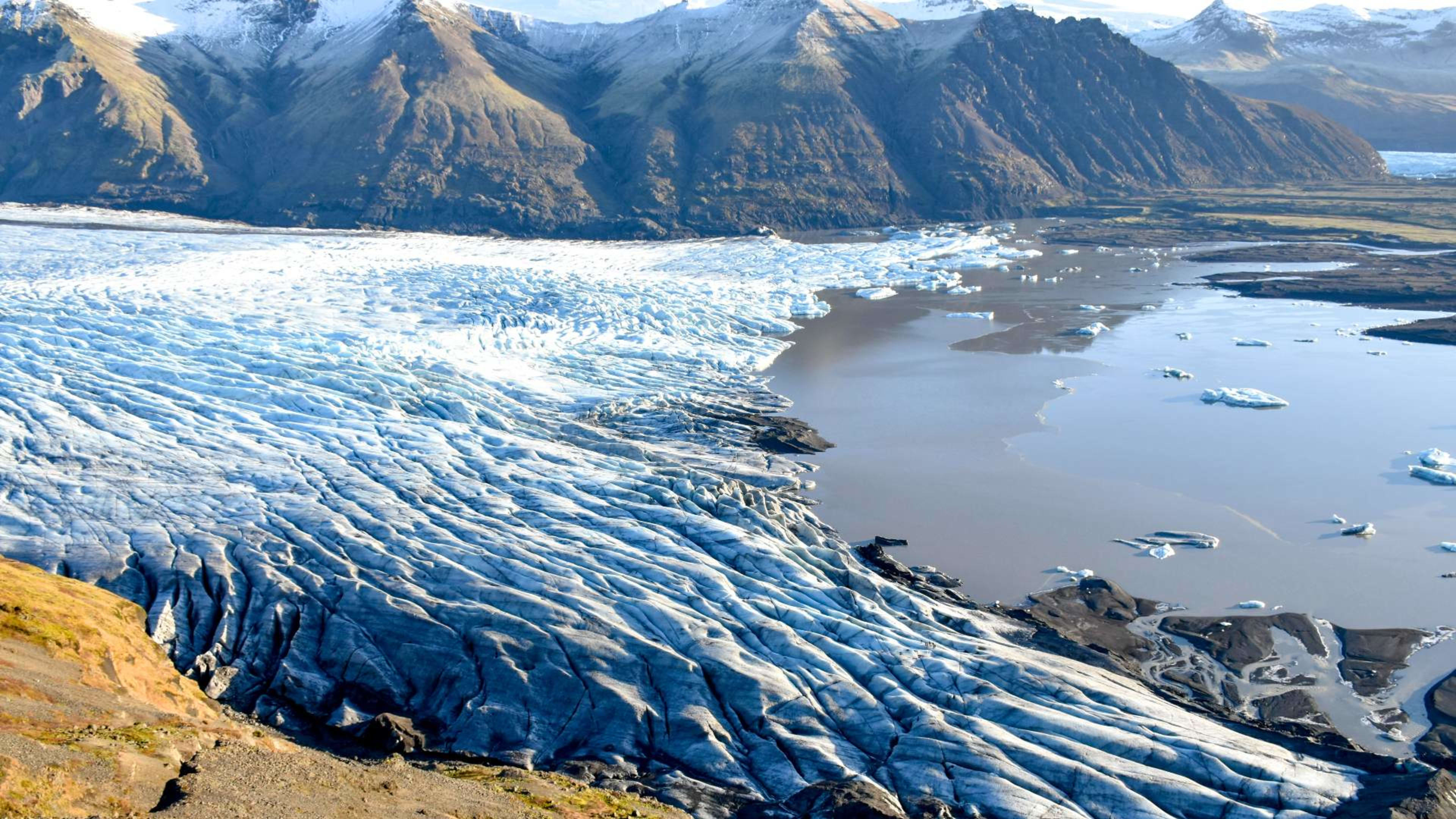
Vatnajökull Glacier & National Park

Skaftafell

Skógafoss
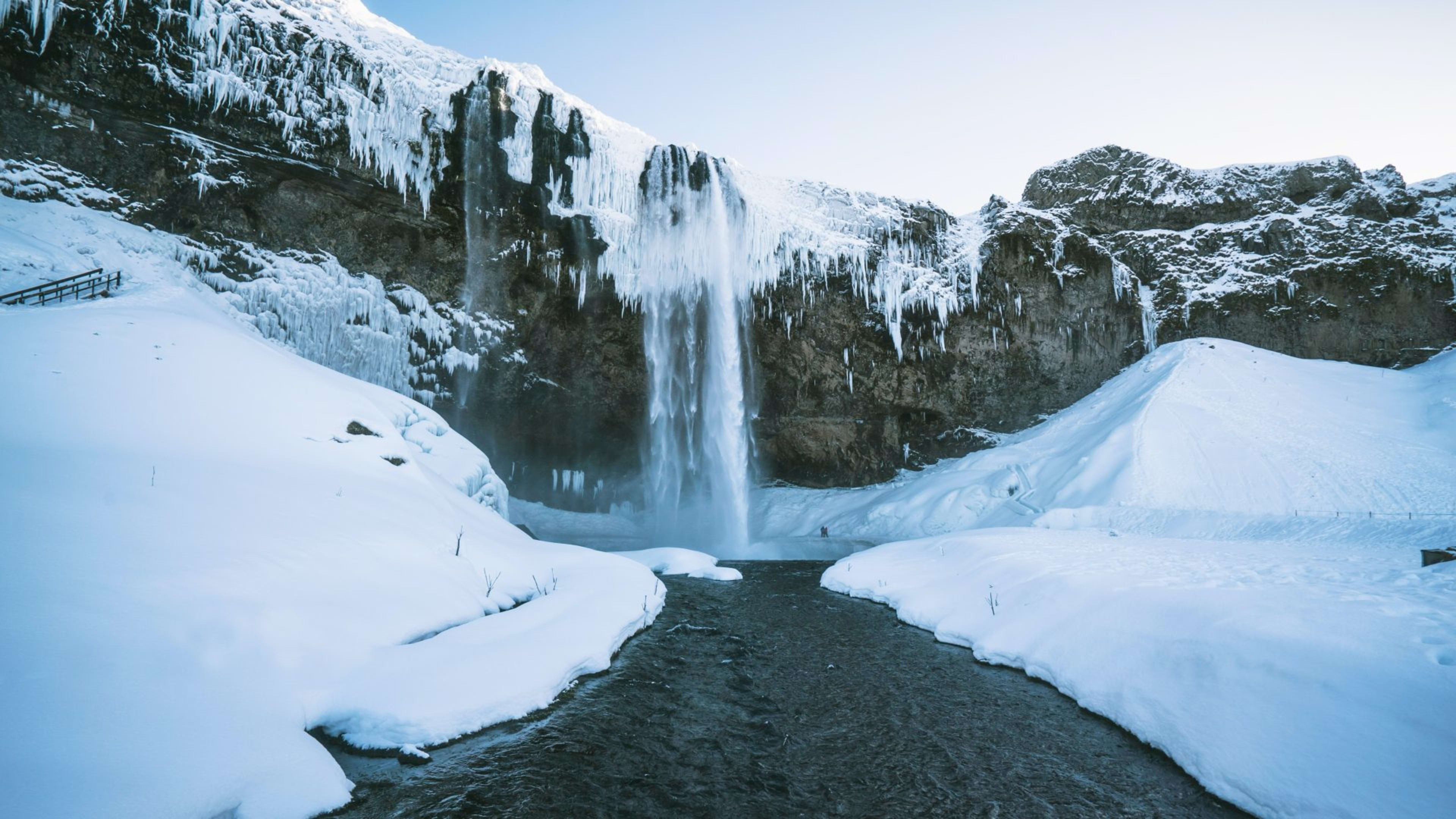
Seljalandsfoss
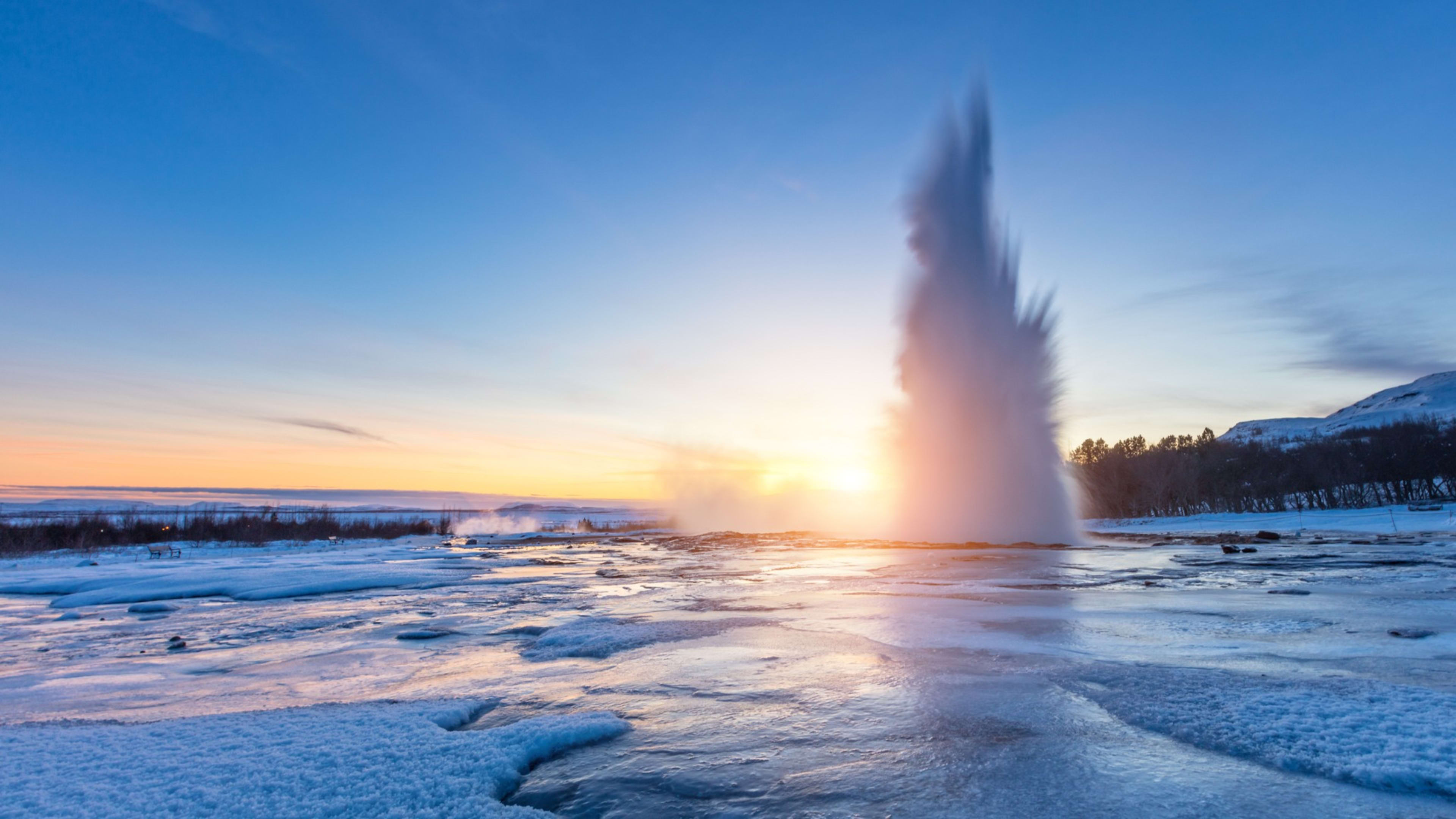
Geysir and Strokkur
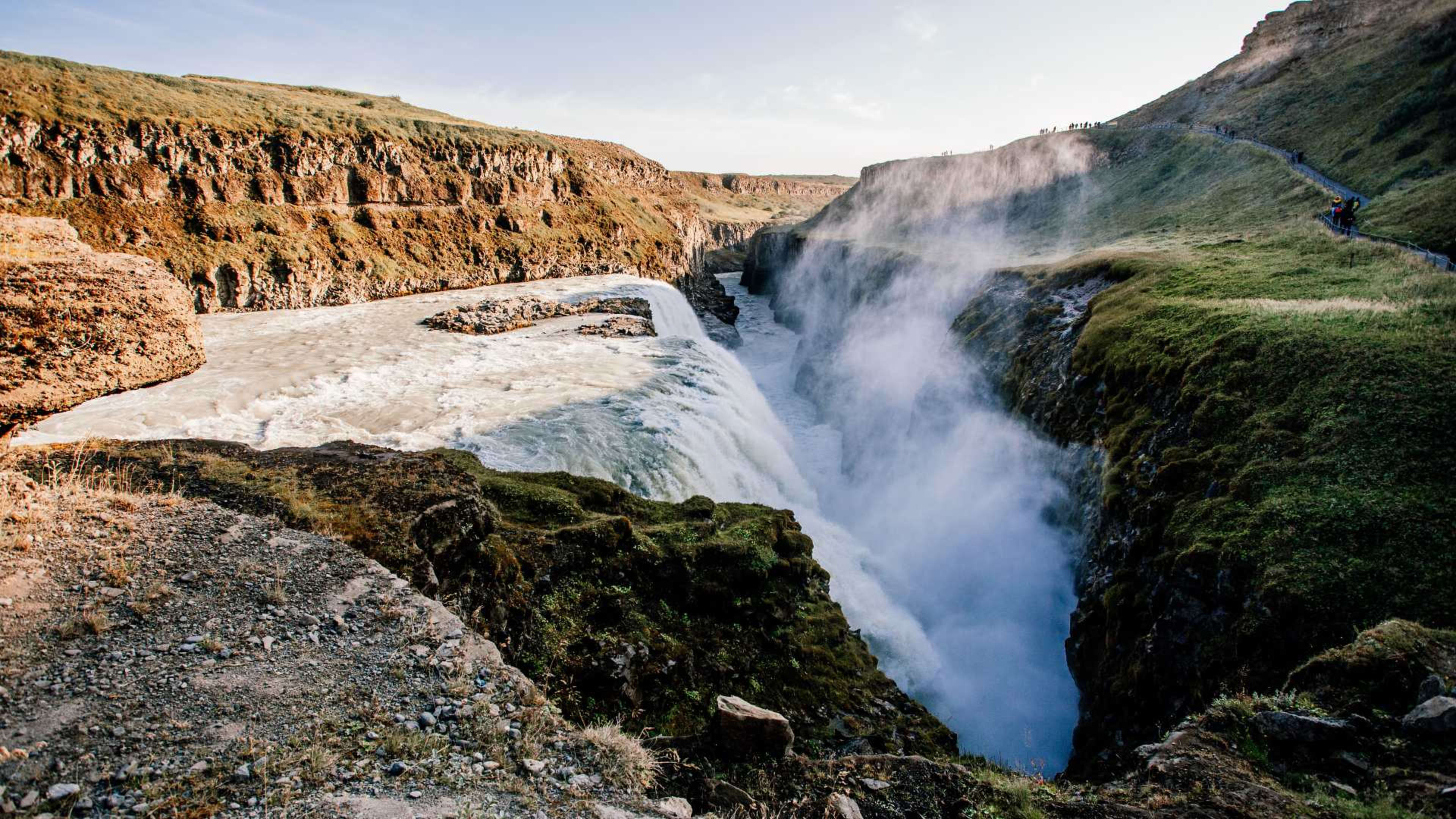
Gullfoss

Þingvellir National Park
Why book a camping trip with Iceland Tours?
All camping gear included
Hotel stay in Reykjavík on your first night
Start your tour on the date that suits you
24/7 emergency helpline in Iceland
Secure your booking with just a 5% deposit
New rental cars with 2 drivers as standard
Your 14-day self-drive camping itinerary
Arrival at Keflavík Airport signals the start of your two-week camping odyssey! Pick up your rental vehicle and drive to Reykjavík for your first night's stay in Iceland at a comfortable hotel. The drive to the capital gives you an initial preview of Icelandic landscape.
Check in, unpack, and venture out to explore the vibrant city. Browse shops, enjoy dinner at a restaurant, or wander the colorful streets. You can collect your camping gear today if you prefer, or pick it up tomorrow morning after breakfast. This hotel night provides a comfortable foundation before your camping adventure begins. Visit any landmarks or simply relax. Sleep well in your hotel bed tonight.
Highlights
Downtown Reykjavík
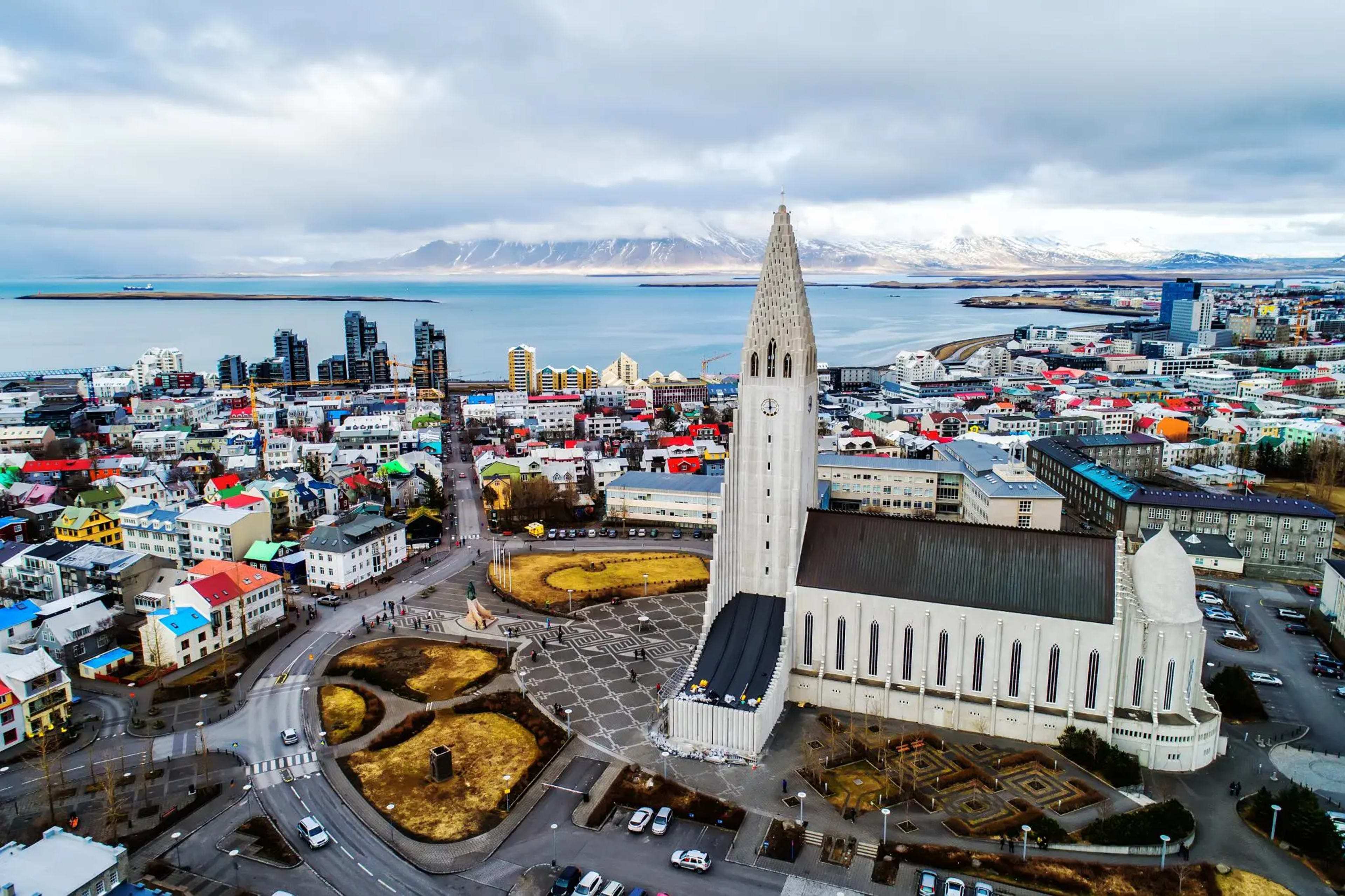
Hallgrimskirkja
Extra activities
 Extra
ExtraFlyOver Iceland
 Extra
ExtraSky Lagoon Saman Pass
 Extra
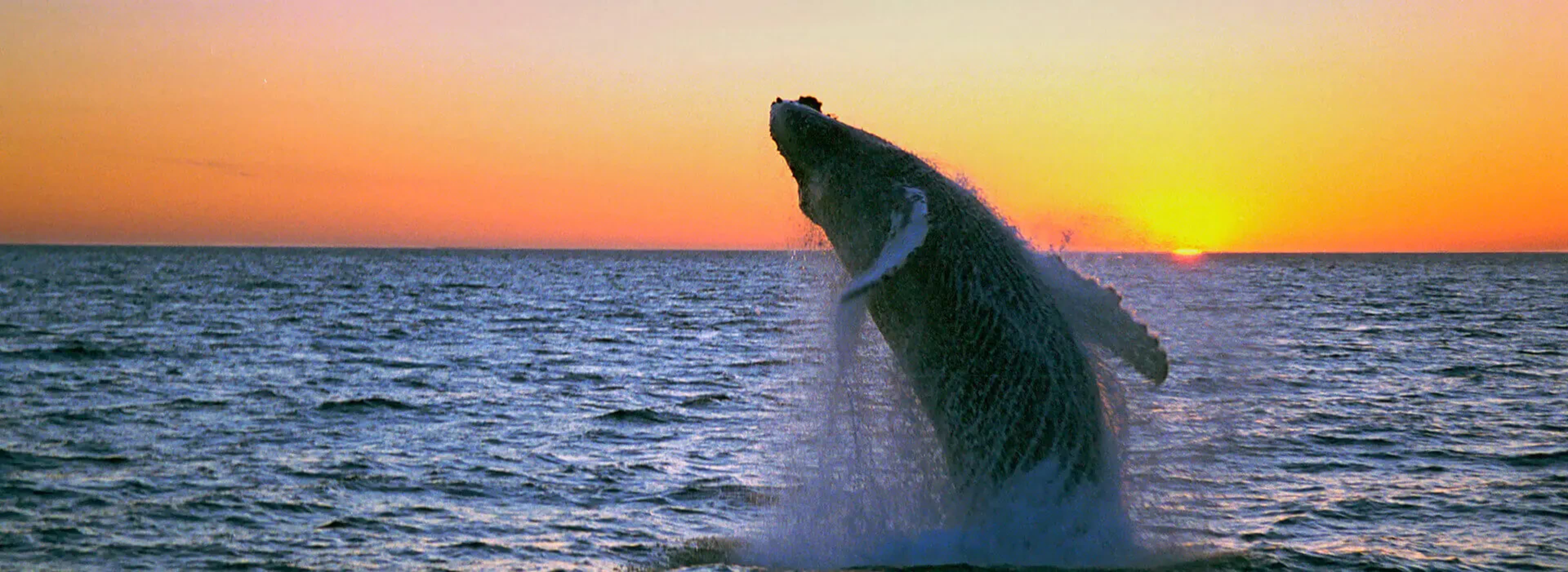
ExtraClassic Whale Watching from Reykjavík
 Extra
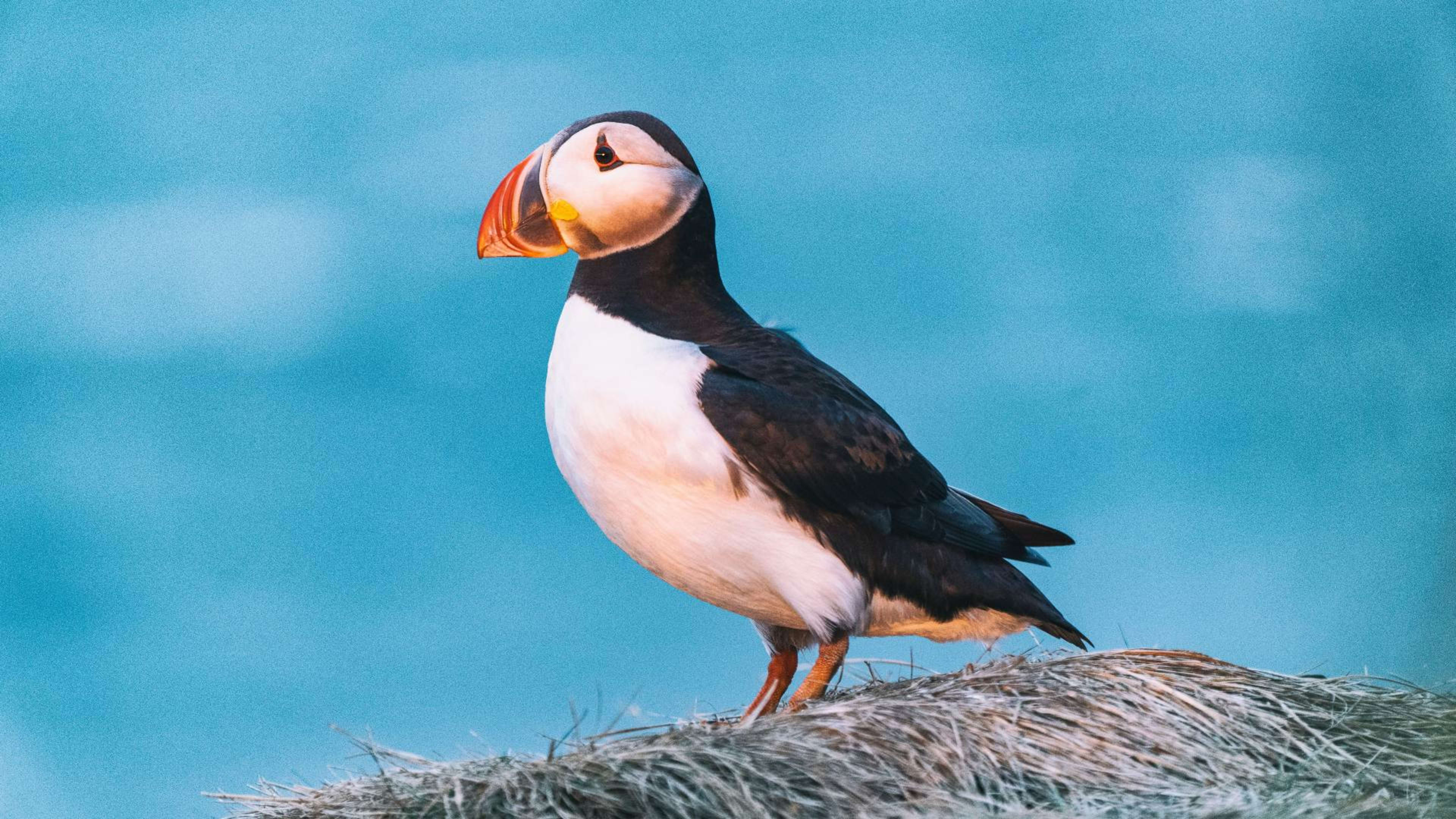
ExtraPuffin Watching
 Extra
ExtraThe Reykjavík Food Walk
 Extra
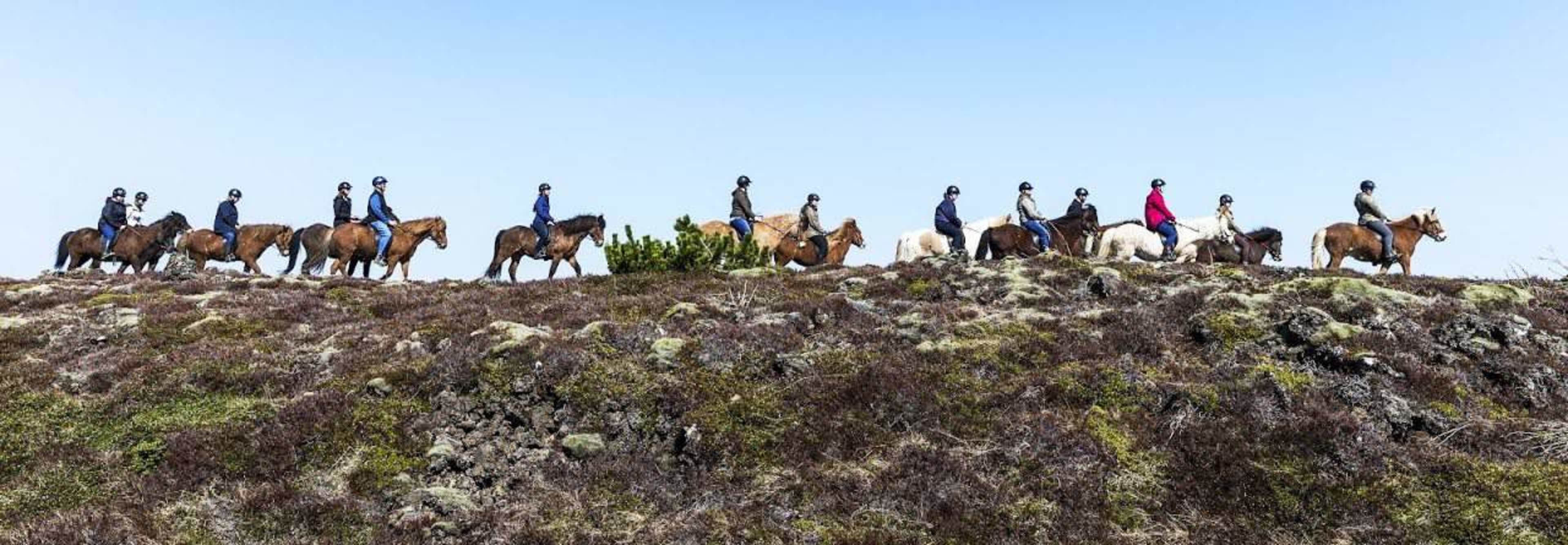
ExtraHorse Riding from Reykjavík
 Extra
ExtraInside the Volcano tour from Bláfjöll
Today you'll discover a culturally and historically rich area. If you didn't collect your camping equipment yesterday, pick it up in Reykjavík after breakfast at your hotel. Once you have your gear loaded, head toward Borgarfjörður. Visit splendid Hraunfossar waterfalls, where water flows from beneath lava fields into the river, creating beautiful cascades. Stop at Reykholt, where 13th-century author Snorri Sturluson lived, and visit Deildartunguhver, Iceland's largest hot spring measured by water production per second. Steam rises dramatically from this powerful geothermal source.
Continue to Snæfellsnes peninsula, visiting beautiful places scattered around this diverse region: Búðir with its iconic black church, Arnarstapi with dramatic coastal rock formations, and Hellnar, another charming village. Throughout the day, the mystical Snæfellsjökull glacier dominates views. Arrive at your campsite in the Snæfellsnes area. Pitch your tent for the first time on this adventure, set up your camping kitchen, and prepare dinner on your stove. The camping journey begins! Enjoy the long summer evening at your campsite.
From Stykkishólmur, take the Baldur car ferry across scenic Breiðafjörður Bay to the Westfjords. The approximately three-hour ferry crossing is itself an experience, sailing past countless islands dotting the waters. Watch for seals and seabirds. Today begins your visit to some of Iceland's most secluded places, where steep mountains and deep fjords predominate. After disembarking, explore the southern Westfjords. Visit Látrabjarg, a massive bird cliff where millions of seabirds nest during summer, including the world's largest Atlantic puffin colony. On your return route, stop at Hnjótur folk museum if time permits. The remote Westfjords offer uniquely intimate camping experiences.
Find your campsite in the Southern Westfjords area and pitch your tent in this isolated region. The sense of remoteness is profound. Cook dinner and enjoy the pristine wilderness surrounding you. Campsite neighbors are likely to be adventurous travelers like yourself.
Today you continue north along the Westfjords, one of Iceland's most remote and breathtaking regions. The landscape is absolutely spectacular as you cross mountains and heaths, driving along dramatic fjords backed by steep cliffs. Roads wind through valleys offering stunning views. Stop along the route at majestic Dynjandi waterfall, lying in Arnarfjörður fjord's northern arm. This cascade tumbles down the mountainside in multiple tiers, creating a bridal veil effect. Hike the path beside the falls.
Continue toward the north until reaching Flateyri village, then drive onward to your accommodation near Ísafjörður town. Pitch your tent at a campsite in the northern Westfjords. The town of Ísafjörður is the region's largest settlement, giving you options for restocking supplies or dining out. After days of remote camping, being near town facilities can be welcome. Prepare your meal and enjoy the dramatic fjord scenery surrounding your campsite.
From Ísafjörður, continue your Westfjords journey, driving along numerous small fjords branching off Ísafjarðardjúp. Pass Vigur Island along the way, known for puffin colonies and traditional eiderdown harvesting. After crossing Steingrímsfjarðarheiði heath, a mountain pass offering expansive views, reach the northwest region. The landscapes here are wild and windswept. Arrive in Hólmavík village, where you can visit an interesting museum dedicated to ancient Icelandic magic and witchcraft, documenting this region's supernatural folklore.
Continue along Hrútafjörður fjord until arriving at your campsite in the region. Pitch your tent in this remote northwestern area. The isolation and natural beauty create special camping atmosphere. Cook dinner and enjoy the peace of camping in one of Iceland's least-visited corners. The sense of adventure and exploration is strong here.
Continue your journey along Húnaflói bay and into the Skagafjörður region, known for horse breeding. Many beautiful Icelandic horses can be seen grazing in the valley's fields, creating quintessentially Icelandic scenes. Just before arriving at Varmahlíð village, consider stopping at Víðimýri church, a small traditional turf church that blends into the landscape. Then make your way just north of Varmahlíð to visit Glaumbær museum, one of Iceland's best-preserved turf farmhouses showing how Icelanders lived for centuries. Heading toward Eyjafjörður fjord, the road takes you through deep valleys characteristic of North Iceland before arriving in the Akureyri area for your overnight stay. Find your campsite and pitch your tent. Akureyri's proximity means good facilities and supply options. Prepare dinner and enjoy your campsite, perhaps meeting other travelers and sharing experiences from the Westfjords.
In the morning, you can spend time exploring Akureyri, Iceland's northern capital, before heading to the Lake Mývatn area. Browse shops for supplies, visit a cafe, or simply enjoy the town atmosphere. Lake Mývatn is undoubtedly one of Iceland's most renowned areas due to its volcanic activity and unique ecosystem. On the way to Mývatn, take the opportunity to see picturesque Goðafoss waterfall, cascading dramatically over its horseshoe drop.
At Mývatn, there are various exciting places to visit, such as Skútustaðir pseudo-craters and mysterious Dimmuborgir lava formations creating a dark labyrinth. Find your campsite in or near the Mývatn area and set up for two nights at this location. Pitch your tent and prepare for tomorrow's full day of exploration. The campsite near the lake offers a perfect base for thorough Mývatn discovery.
The whole day is dedicated to marveling at Lake Mývatn Nature Reserve. One main attraction is Námaskarð geothermal area, where you'll find bubbling mud pools and hissing steam vents creating an active volcanic landscape. Don't miss the Krafla area featuring Víti crater and Leirhnjúkur area. This leads you to a small geothermal field and then to a line of craters surrounded by chaotic black lava fields from relatively recent eruptions. The volcanic landscape is otherworldly.
Later, you can venture up to Hverfjall crater's rim for panoramic views over the region, or dip into the geothermal waters of Earth Lagoon (available as add-on) located east of the lake. Return to your campsite from last night. Cook dinner and enjoy a second evening at the same campsite, giving you the luxury of not having to pack up your tent. Relax and explore more of the area in the extended summer daylight.
Start your day by driving to charming Húsavík, a fishing village known as Iceland's whale-watching capital. Then drive along Tjörnes peninsula coastline, and if weather conditions are favorable, make a small stop at the extremity to enjoy vistas and spot seabirds on coastal cliffs. Your next stop is Ásbyrgi, a horseshoe-shaped gorge with impressive rock walls and abundant vegetation. This natural amphitheater is beautiful and peaceful. Heading south from Ásbyrgi, the road leads to mighty Dettifoss waterfall, where you'll feel earth tremble beneath the force of glacial water plunging with tremendous power.
The road continues across Möðrudalur highlands' lunar landscape until reaching Hérað's fertile valley where Egilsstaðir village lies. The contrast between barren highlands and green valley is striking. Arrive at your campsite near Egilsstaðir. Pitch your tent and settle in. The campsite here provides a good base for exploring East Iceland.
Now it's time to discover the scenic Eastfjords. Start toward Reyðarfjörður fjord, where a small World War II history museum is situated, documenting the Allied presence. In Stöðvarfjörður, there's Petra's stone collection, a remarkable private collection including most Icelandic minerals in a unique home setting. As you continue, consider stopping in Djúpivogur village, located in a charming fjord setting with peaceful atmosphere. Now continue along the fjords toward Southeast Iceland. At times, roads trace higher elevations on mountainsides, offering dramatic views. Each fjord presents its own character.
Finally, drive through Almannaskarð tunnel to arrive in the Höfn region, where you'll stay for the night. Pitch your tent at a campsite near Höfn. Being near this fishing town gives options for restocking or dining out. After days of remote Westfjords camping, town proximity can be appreciated.
After passing various outlet glaciers flowing from Vatnajökull, Europe's largest ice cap, arrive at Jökulsárlón glacial lagoon. This exceptional sight sits at the foot of Iceland's highest mountain, Hvannadalshnúkur. Walk along the lagoon banks observing icebergs, or take an optional 30-40 minute boat trip to admire fantastically shaped ice formations up close, floating among them. Cross to Diamond Beach where ice chunks wash ashore on black sand.
Visit Skaftafell, another area worthy of your attention. This oasis surrounded by glaciers and black sand plains offers many hiking possibilities perfect for camping adventurers. Later, continue driving to Vík or Kirkjubæjarklaustur for your overnight stay. Find your campsite and pitch your tent. The campsites in this area often have good facilities and beautiful locations. Cook dinner and rest after a day of glacial wonders.
Today you can start by exploring Reynisfjara black sand beach, famous for Reynisdrangar rock stacks rising from the ocean and impressive basalt columns. The powerful waves and dramatic scenery create an unforgettable coastal experience. Visit Dyrhólaey cape, Iceland's southernmost point. A small road takes you to the top of this 120-meter-high sea cliff where you often can see large numbers of puffins during summer.
Please note: Dyrhólaey is closed during nesting season from 15 May to 23 June, and from mid-August the puffins will have gone to sea! Continuing westbound, arrive at Skógar and pass Skógafoss waterfall, one of Iceland's highest. As you continue toward Hella, pass Seljalandsfoss, a waterfall behind which you can actually walk! Don't miss this unique opportunity. Find your campsite and set up your tent. After nearly two weeks of camping, you're now an expert at pitching tents and cooking outdoors!
Now it's time to experience some of Iceland's most interesting and famous areas. Drive through Flúðir village to reach the renowned Geysir geothermal area, where Strokkur hot spring reliably ejects its water column high into the air every 5 to 10 minutes, while numerous smaller springs boil and bubble nearby. Close by sits Gullfoss, the country's most famous waterfall, where massive volumes of water plunge into a deep canyon.
Continue toward Þingvellir, considered one of the geological wonders of the world. Here you can witness the effects of tectonic plate movements creating various cracks and fissures in the earth's crust. Walk through the rift valley where continents are pulling apart. This is also where Iceland's parliament was founded in the 10th century. After completing the Golden Circle, return your camping equipment in Reykjavík and check into your hotel for your final night. After twelve nights of camping, enjoy the comfort of a hotel room and perhaps celebrate your camping journey with dinner at a restaurant. Your included breakfast tomorrow provides a satisfying conclusion to your adventure.
Drive to Keflavík Airport for your flight home, or extend your stay by booking an extra night in Reykjavík, Iceland's vibrant capital! If departing today, depending on your flight time, you might have hours for final Reykjavík exploration before returning your rental car at the airport.
You'll leave carrying memories of sleeping under Iceland's midnight sun for nearly two weeks, cooking countless meals at campsites across the country, meeting adventurers from around the world, exploring the remote Westfjords by tent, and experiencing Iceland's nature more intimately than most visitors ever do. Your camping adventure around the Ring Road and beyond has truly shown you Iceland's wild heart.
What’s included?
Detailed itinerary
Camping gear for 12 nights (tent, sleeping bags, air mattress, stove, coolbox, cooking equipment)
Budget accommodation for 1 night with continental breakfast
Rental car of your choice for 13 days
2 authorized drivers as standard
Unlimited in-car Wi-Fi
Unlimited mileage
Collision damage waiver
Tickets for Baldur ferry to Westfjords
24/7 emergency helpline when you’re in Iceland
Carbon offsetting of your tour
VAT, taxes & service fees (ex. Road Tax)
Flights to Iceland
Campsite bookings & fees
Fuel & parking charges
Food & drink, unless otherwise stated
Attraction entrance fees, unless otherwise stated
Personal travel insurance
Iceland Road Tax
Stay in well-located hotels and guesthouses that are highly rated by visitors and handpicked by experts.
Budget accommodation for 1 night (room without private facilities) and Camping gear for the rest of the stay.
Our camping gear pack includes the following items:
- 1-4 person tent
- Sleeping bags
- Air mattress
- Camping stove
- Coolbox
- Cooking equipment
Good to know: Camping packages don’t include admission to campsites or fees for use of their facilities.
FAQs about our camping trips
On a camping trip around Iceland, you’ll have your own rental car and camping gear. Simply follow the detailed itinerary provided, adding in a few extra stops if you like.
You’ll spend the first night of your trip at a hotel in Reykjavík. The next morning you’ll enjoy an included breakfast before heading into the countryside for your camping adventure.
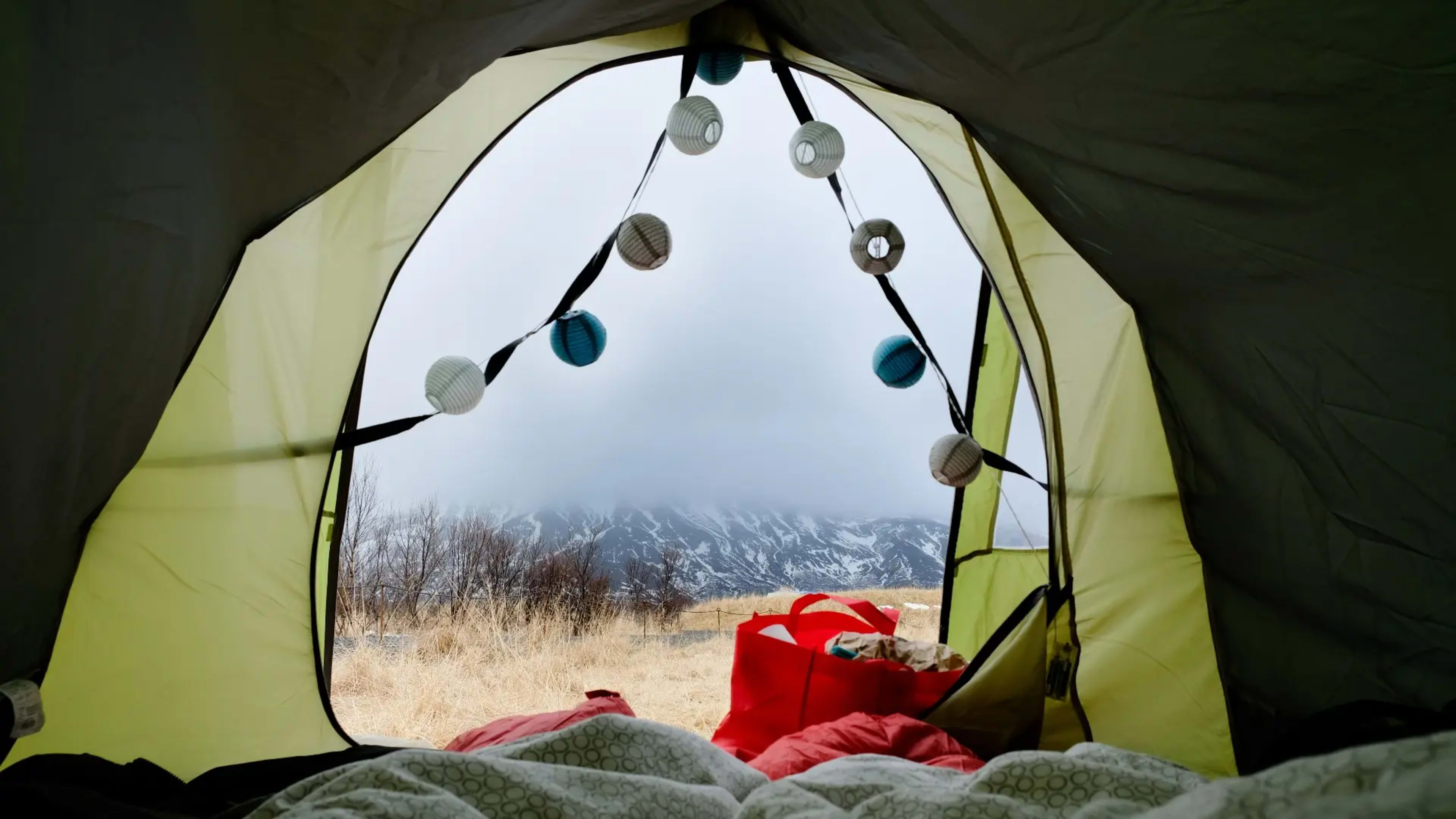
Each night, you’ll pitch your tent at a campsite and settle in for a sleep under the summer skies. Lots of campsites have facilities like toilets, showers, communal kitchens, and even Wi-Fi. Some even have extras like on-site hot tubs or laundry facilities.
Booking at least a few weeks before your travel date gives us enough time to confirm your preferred accommodation and finalize your itinerary. We are unable to accept bookings with less than one week’s notice.
For summer travel between June and August, booking several months ahead is strongly recommended. Accommodation in rural areas fills up quickly during peak season, and popular activity add-ons like glacier walks and whale watching can sell out well in advance. Booking early also lets you lock in your preferred car type and accommodation tier before availability narrows.
You only need a 5% deposit to secure your trip, with the balance due closer to your departure date. This low-deposit model means you can confirm your plans early without a large upfront commitment. If your plans change, our cancellation policy offers up to a 95% refund up to five days before arrival, with the retained 5% converted into a long-valid travel credit you can use on a future booking. See our how to book with us page for full details.
Most international driving licenses are accepted in Iceland. You need to be at least 20 years old to rent a standard car, or 23 years old for larger vehicles like 4x4s and vans, and you must have held a valid license for at least one year. You will also need to present a credit card in the main renter’s name when collecting your vehicle.
An International Driving Permit is only required if your license is not in Latin script, for example if it is in Arabic or Chinese characters. If you are unsure whether your license qualifies, our team is happy to advise before you book.
Iceland drives on the right, with speed limits and distances in kilometers. Roundabouts are common, especially around towns, and in rural areas you may encounter single-lane bridges, gravel roads, and sheep on the road. Our detailed itinerary includes route guidance for each day, and the portable Wi-Fi device means you can use live navigation throughout the trip. For a full overview of what to expect behind the wheel, see our guide to driving in Iceland and our page on car rental in Iceland.
Absolutely! You can extend your stay in Iceland with extra days before or after your camping trip. Use these to fit in adventure activities like ice caving, or bus tours to attractions near the city.
If you want to customize the actual itinerary of your camping tour, this is possible for an additional fee.
Optional activities are available to add during the booking process, and you will be shown exactly what is on offer for each day of your trip at checkout. Popular additions include glacier walks, whale watching, ice cave tours, lava cave explorations, horseback riding, and geothermal spa visits.
Adding activities through Iceland Tours at the time of booking means everything is coordinated with your itinerary and accommodation in advance, rather than arranging things independently on arrival. This is particularly worth considering for activities that require guides or have limited availability, since spots can fill up during peak season.
If you would like more activities built directly into the itinerary rather than added as extras, our 10-Day Active Ring Road & Snæfellsnes Self-Drive is structured with more activity inclusions as standard. You can also read more about planning your trip on our Iceland travel guide.
Iceland drives on the right, with steering wheels on the left side of the car. Speed limits are posted in kilometers per hour. The rules of the road broadly follow European conventions, but there are a few things worth knowing before you set off.
Roundabouts are very common throughout Iceland, particularly in and around towns. Traffic already in the roundabout has right of way, and if you are in the inner lane of a multi-lane roundabout, you also have priority over vehicles in the outer lane. In rural areas, you may encounter one-lane bridges, blind hill crests, and gravel roads on some secondary routes.
During summer, sheep roam freely and often wander onto the road, so be prepared to slow down and give way when you encounter them. In East Iceland during winter, you may also encounter reindeer. Your trip comes with a portable Wi-Fi device for navigation, and our detailed itinerary notes specific things to watch for on each leg of the route.
If you are planning a winter trip, our local team monitors road and weather conditions and is reachable 24/7. For a comprehensive overview of driving conditions, road types, and seasonal considerations, see our guide to driving in Iceland.
One good thing to know is that some attractions in the Westfjords are only accessible via gravel roads. These are generally not a problem, but you should drive more slowly and look out for potholes.
You might find it easier to navigate the gravel roads in a larger car such as a jeep. That way you’ll be higher up off the road for a better view, and will have better suspension for a more comfortable ride.
- See what kind of rental cars are available in Iceland.
- Get the lowdown on driving with our ultimate guide to renting a car in Iceland.
Once you have paid your deposit, we begin finalizing your accommodation, rental car, and any booked activities. As soon as confirmation is received from all partners, we will email you to let you know your travel documents are ready to access in our booking portal.
We aim to have everything confirmed within a few weeks of receiving your booking. During busy periods this may take a little longer, but you will always receive your complete documents before your departure date. Your documents include your full day-by-day itinerary, accommodation details, rental car pickup information, and contact details for our 24/7 in-Iceland helpline.
If you have questions about your booking at any point before your trip, you can reach our Reykjavík-based team through the contact page. Iceland Tours has been organizing Iceland trips for over 40 years, and our local team is available to help with any questions about your itinerary or preparations.
Your rental car can be collected from the arrivals hall at Keflavík International Airport. Your travel documents will confirm the name of the car rental company and advise you to proceed to their service desk in the arrivals hall. Have your driver’s license and credit card in the main renter’s name ready when you arrive.
Rental car desks at Keflavík operate at different hours depending on the provider. If your flight arrives outside standard desk hours, the rental company will typically have made arrangements given your expected arrival time. Your travel documents will include a contact number if you need assistance on arrival.
Your car comes with unlimited mileage, collision damage waiver, and authorization for a second driver as standard, along with the portable Wi-Fi device included with every trip. If you are planning to spend extra days in Reykjavík before your self-drive begins, you also have the option to collect your car from the city rather than the airport. See question 9 for details.
Yes. If you prefer to pick up your rental car in Reykjavík rather than at Keflíavík Airport, simply let us know in the special requests field during checkout and we will arrange it for you.
This is a practical option if you are arriving early and want to spend time in the city before your self-drive itinerary begins. Reykjavík has a lot worth exploring, from the iconic Hallgrímskirkja church and the waterfront Harpa concert hall to the city’s well-regarded restaurant scene. Our downtown Reykjavík and Reykjavík attraction pages are a useful starting point for planning those extra days.
If you request different pick-up and drop-off locations, for example collecting in the city and returning at the airport or vice versa, a one-way fee of around ISK 7,900 (approximately EUR 60) applies. This is paid directly to the rental company when you collect the car.
To give you freedom to be spontaneous and ability to choose your favorite spots, bookings at campsites are not included with our camping packages. You’ll get info on the best campsites in each area in your travel documents.
If you want to get inspired, check out this guide to camping in Iceland which is packed with recommendations.
Most campsites don’t require advance bookings. Fees are reasonable and comparable to other countries.
Good to know: Although it is possible to wild camp in Iceland, you need the landowner’s permission and camping isn’t allowed in protected natural areas. With that in mind, we strongly recommend using designated campsites.
Although Iceland is located near the Arctic Circle, it’s not too cold to camp in a tent there in the summertime. Winter temperatures and weather conditions mean it’s not a year-round activity though.
The warmest months are June and July, which see temperatures of around 12–15°C (54–59°F). It can be chillier at nighttime, but with a sleeping bag and warm clothes, you’ll stay nice and toasty.
There are no dangerous wild animals, like bears or wolves, to worry about. That said, you should be aware of natural hazards that you might not have experienced before. These include high winds, hot springs, and strong tides.
The safest way to sleep in a tent in Iceland is to stay on designated campsites, and there are plenty of these around the country.
Many campsites in Iceland have toilet and shower facilities, especially the larger ones. In more remote regions or on smaller campsites, there may be no facilities, or toilets only.
There’s no way to get closer to nature than by setting up your tent under the open sky. Travel to Iceland on a camping trip and you could:
- Take a road trip around the entire Ring Road (Route 1)
- See the Strokkur geyser erupt on the Golden Circle route
- Hop between jaw-dropping waterfalls on the south coast
- Witness the forces of nature at work at Jökulsárlón glacier lagoon
- Relax and unwind in hot springs and geothermal spas
- Discover ‘Iceland in Miniature’ on the Snæfellsnes peninsula
- Be charmed by the magic of Lake Mývatn in North Iceland
- Walk along black sand beaches, like the famous Reynisfjara
- Learn all about Viking history at Þingvellir National Park
- Explore Iceland's breathtaking scenery on foot on a day hike
If you’re after even more inspiration, check out this blog on Iceland’s summer must-sees and must-dos.
When you book a camping package with Iceland Tours, there’s no need to bring your own tent, sleeping bags, mattress, or cooking equipment.
To make sure you stay comfortable throughout your trip, here’s a packing list you can follow when you're planning your Iceland trip:
- Warm thermal layers
- Wooly hat and gloves
- Sturdy, waterproof hiking boots
- Extra socks
- Flashlight
- Battery pack to charge your phone
- Washbag
- Sun lotion and midge repellent
- Sunglasses
- Sleeping mask (if you’re sensitive to light)
- Swimming gear, including towel
Carbon offsetting is already included as standard with every Iceland Tours package. We have partnered with an environmental fund in Iceland to cover the carbon footprint of the tour itself, so there is nothing extra you need to do or pay.
Iceland Tours is Travelife-certified, meaning our operations are independently assessed against sustainability standards covering environmental, social, and supply chain criteria. This certification reflects a commitment to responsible travel that goes beyond carbon offsetting, including how we select local accommodation and activity partners.
Carbon offsetting for international flights to and from Iceland is not included in the tour package, but your airline may offer offset options at the time of booking, or you can arrange this through a local or national environmental fund. For more on how we approach sustainable travel, see our sustainability policy and our article on responsible and sustainable travel in Iceland.
This is the most comprehensive Iceland camping tour available, covering both the full Ring Road and the remote Westfjords over two weeks. The shorter 7, 8, and 10-day tours stick to the Ring Road circuit, but this 14-day itinerary takes you into regions most visitors never see. You will spend several days exploring the Westfjords, including a ferry crossing of Breiðafjörður Bay, visits to Europe's largest bird cliffs at Látrabjarg, the spectacular Dynjandi waterfall, and small fishing villages that feel completely untouched. If you have two weeks in Iceland and want to go well beyond the typical tourist route, this is the trip that does it.
Your package includes a rental car for 13 days with unlimited mileage, two authorized drivers, in-car Wi-Fi, and a collision damage waiver. You get a complete camping gear kit for 12 nights, covering a tent, sleeping bags, air mattress, camping stove, coolbox, and cooking equipment. There is a hotel stay in Reykjavík on your first night with continental breakfast included. Tickets for the Baldur ferry to the Westfjords are also part of the package. On top of that, you receive a detailed itinerary, carbon offsetting for the tour, and access to a 24/7 emergency helpline. Campsite fees, fuel, food, and attraction entrance fees are not included.
It depends on what kind of experience you want. A shorter Iceland itinerary of 7 or 8 days covers the Ring Road highlights efficiently, and most travelers are very happy with that. But if you have two weeks in Iceland, you unlock regions that shorter trips simply cannot reach. The Westfjords alone are worth the extra time. They are genuinely remote, with dramatic fjords, towering cliffs, and a sense of isolation you will not find anywhere else in the country. A 14-day Iceland itinerary also means a much more relaxed pace on the Ring Road portion, with shorter daily drives and more time to explore each area thoroughly.
The Westfjords are one of Iceland's most remote and least visited regions, and they are a major highlight of this tour. You will take the Baldur car ferry across Breiðafjörður Bay to reach them, which is an experience in itself. Once there, you will visit Látrabjarg, a massive bird cliff where you can see puffins up close during summer. You will drive along winding roads tracing dramatic fjords backed by steep cliffs, visit the magnificent Dynjandi waterfall cascading in tiers down a mountainside, and explore the town of Ísafjörður. You will also pass through Hólmavík, home to an intriguing museum about Icelandic magic and witchcraft. The Westfjords require a few days of dedicated exploration, which is why they are only included in this longer tour.
Your first night is at a hotel in Reykjavík, and then you camp for 12 consecutive nights at sites around the country. On your final night (Day 13), you return to Reykjavík and camp there before your departure. The camping gear provided covers everything you need for all 12 nights, including a 2-3 person tent (with a second tent provided for groups of four), sleeping bags, an air mattress, a camping stove, coolbox, and cooking equipment. Campsite bookings are not included, which gives you the flexibility to choose your own spots each night. Your travel documents include recommendations for the best campsites in each area.
You do not strictly need a 4-wheel drive, but it is worth considering. Some attractions in the Westfjords are accessible only via gravel roads, which are generally manageable but can have potholes and rough patches. A larger vehicle like a jeep gives you better suspension for a more comfortable ride on these roads, plus a higher vantage point for the scenery. You choose your rental car during the booking process, so you can select a vehicle that suits your comfort level. For the Ring Road portion of the trip, a standard car is perfectly fine.
One of the biggest advantages of spending two weeks in Iceland is how manageable the driving becomes. Most days on this tour involve between 65 and 300 kilometers of driving, and several days are well under 200 kilometers. Day 5 from Ísafjörður to the Hrútafjörður area is the longest at about 360 kilometers, but even that is broken up with plenty of interesting stops. Compare that to the 7-day tour where some days push 400+ kilometers, and you can see why the 14-day format feels so much more relaxed. You will spend less time behind the wheel and more time actually experiencing the places you visit.
Twelve nights of camping is a significant commitment if you have never done it before, but the tour is set up to make it as easy as possible. All gear is provided, the itinerary tells you where to go each day, and the 24/7 emergency helpline is there if you need help. Your first night at a hotel in Reykjavík eases you in before camping begins on Day 2. That said, if the idea of nearly two weeks in a tent feels daunting, one of the shorter camping tours (7, 8, or 10 days) might be a better starting point. You could also consider the 14-day self-drive with hotel accommodation instead.
This tour is available during the summer season from June 1 through August 31. These are the only months where tent camping in Iceland is practical, and they coincide with the best weather and longest daylight hours. June and July offer the midnight sun experience, meaning it barely gets dark at all. August is also excellent, with slightly cooler evenings and the possibility of Northern Lights appearing toward the end of the month. For a two-week trip covering the Westfjords, June or July is ideal because the gravel roads in remote areas are typically in their best condition.
Campsites in the Westfjords tend to be smaller, quieter, and more basic than what you will find along the main Ring Road. Some have only limited facilities like toilets, while others near larger towns like Ísafjörður are better equipped with showers and cooking areas. The trade-off is the setting. Westfjords camping feels genuinely remote, and you are likely to have far fewer neighbors than at the busier Ring Road sites near Vík or Akureyri. For many travelers, the intimacy and wildness of Westfjords camping is the best part of the entire trip. Your travel documents will guide you to the best options in each area.
Yes, tickets for the Baldur car ferry are included in your package. The ferry runs from Stykkishólmur on the Snæfellsnes peninsula across Breiðafjörður Bay to the Westfjords. The crossing takes approximately three hours and is a scenic experience in itself, sailing past islands and watching for seals and seabirds. You drive your rental car onto the ferry, so there is no need to arrange separate transport on the other side. The ferry schedule varies by season, and your travel documents will include the relevant details for your dates.
Yes, you can extend the trip with additional days and add optional activities during the checkout process. Popular add-ons include whale watching in Húsavík, a boat trip at Jökulsárlón glacier lagoon, a soak at the Earth Lagoon near Mývatn, and various Reykjavík experiences like the Sky Lagoon. If you want to adjust the actual routing of the itinerary, that is also possible for an additional fee. With 14 days, there is already a lot built in, but the flexibility to add extras means you can tailor the trip to your specific interests.
The route and attractions are essentially the same. The difference is where you sleep and how much you spend. The camping version is significantly more affordable and gives you a much closer connection to the landscape. Waking up in a tent beside a fjord or glacier is a fundamentally different experience than stepping out of a hotel room. The hotel-based version offers more comfort, a proper bed every night, and less setup and takedown each day. If you enjoy the outdoors and want to stretch your budget further over two weeks in Iceland, the camping option is hard to beat. If comfort is a priority, the hotel version might suit you better.
All essential camping gear is provided, so focus on clothing and personal items. Pack warm thermal layers, a high-quality waterproof jacket, sturdy hiking boots, plenty of extra socks, a woolly hat and gloves, sunglasses, sun lotion, midge repellent, a battery pack for your phone, swimming gear for hot springs and pools, and a sleeping mask for the midnight sun. For a 14-day trip, you may also want to bring a small quick-dry towel, a headlamp, and a reusable water bottle. Many campsites have laundry facilities, so you do not need to pack two weeks' worth of clothing. Plan for layers, because Iceland weather shifts quickly and the Westfjords can be particularly windy.
The Ring Road section covers all of Iceland's most famous attractions. You will explore the Lake Mývatn volcanic area, visit Dettifoss (Europe's most powerful waterfall), drive through the scenic Eastfjords, see Jökulsárlón glacier lagoon and Diamond Beach, hike in Vatnajökull National Park at Skaftafell, walk along the black sand beaches of the south coast, visit the waterfalls Skógafoss and Seljalandsfoss, and complete the Golden Circle with Þingvellir, Gullfoss, and the Geysir geothermal area. You will also visit the Snæfellsnes peninsula on your way to the Westfjords. With 14 days, you have time to enjoy all of these without rushing through any of them.