Booking last-minute trips to Iceland is less risky than most people expect. A good package takes care of the planning for you, so instead of spending weeks researching logistics, you spend that time getting excited about the trip.
The key is knowing what to look for before you confirm your booking. This guide walks you through the key considerations so you can book with confidence and travel without surprises.
What Are the Advantages of Booking a Last-Minute Trip to Iceland?
Most people assume booking late puts them at a disadvantage. In many cases, it gives you an edge that early planners simply do not have.
You Know Exactly What the Weather Looks Like
When booking a few weeks before departure, you can get a clearer picture of seasonal conditions than someone who planned months in advance. While Iceland's weather remains unpredictable, you will have a better sense of daylight hours, road conditions, and recent weather patterns before you travel. That means better conditions for seeing the Northern Lights, drier conditions for hiking along the ring road, and better visibility at places like the Snæfellsnes Peninsula.
Shoulder Season Means Fewer Crowds and Lower Prices
Last-minute travelers often have the flexibility to travel outside peak vacation periods, making shoulder season an attractive option. Spring (April to May) and autumn (September to October) sit between the busy summer rush and the deep winter season.
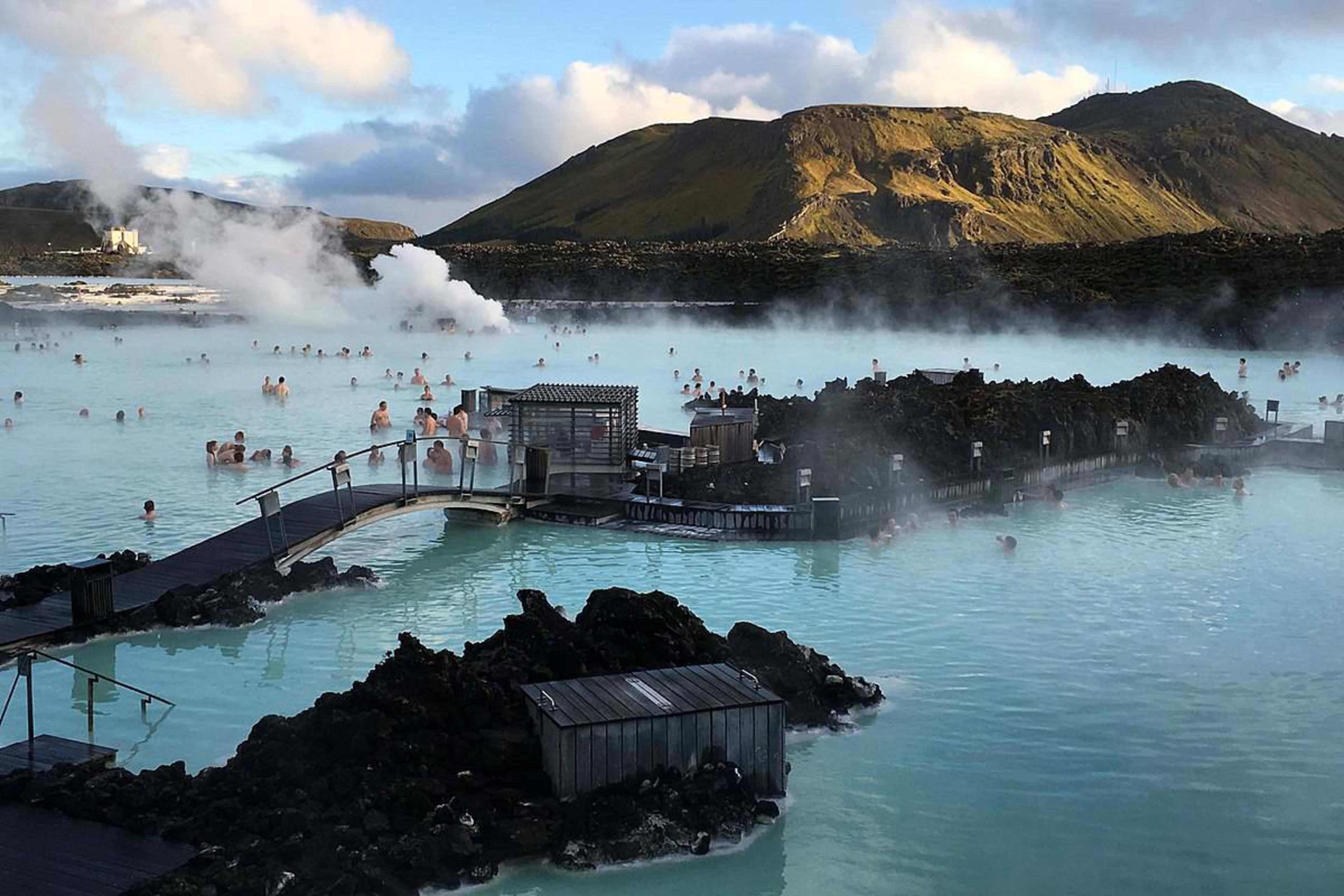
During these months, accommodation and tour prices are often lower, and popular attractions such as the Golden Circle and the Blue Lagoon are typically less crowded. For travelers booking on short notice, shoulder season can offer better value without sacrificing access to Iceland's major sights.
More Tour Availability Than You Might Expect
Last-minute does not mean limited. Tour operators in Iceland typically carry rolling availability across different travel styles. These include self-drive tours, Ring Road itineraries, guided group trips, and multi-day tours. Departure dates within the next 30 days are common, and many packages offer flexible start dates.
What Should You Look for When Booking a Last-Minute Iceland Tour?
Not every last-minute deal is structured the same way. Here is what to check before you commit.
1. Confirm What Is Actually Included
A package price that looks low can climb quickly if key items are not included. Before booking, check whether the following are covered:
- Accommodation in Iceland for every night of the trip
- Daily breakfast or meal plan
- Ground transport or rental car
- Pre-planned daily itineraries
- Access to guided activities or optional add-ons
A good package covers the majority of these; check the inclusions list carefully before you commit.
2. Understand the Booking and Payment Terms
Payment rules for short-notice bookings often differ from those for standard reservations. Some operators require full payment at the time of booking rather than a small deposit, which is common for departures within 30 days. Some operators require at least one week's notice, while others can accommodate bookings only a few days before departure, depending on availability.
3. Check Cancellation and Refund Policies
Before you pay in full, read the cancellation policy carefully. Look for flexibility in case your plans shift. Some operators offer partial refunds or travel credits if you need to cancel, which matters more on a short-notice trip where you have had less time to prepare for every scenario.
4. Match the Tour Type to Your Travel Style
Iceland offers very different experiences depending on how you travel. A self-drive tour gives you freedom to stop wherever you want along the Ring Road or through a geothermal area at your own pace. Guided group tours in Iceland handle navigation and commentary so you can focus on taking it all in.
A private guided tour works well for couples or small groups who want a more tailored Icelandic adventure. Knowing which format suits you before you browse saves time and helps you spot the right package quickly.
How Does the Season Affect a Last-Minute Trip to Iceland?
Iceland's natural features change significantly throughout the year, and the timing of last-minute trips can shape the entire experience. What you can see and do depends heavily on when you go.
Northern Lights Are Visible From September to March
If the northern lights are your main reason for visiting, a last-minute booking between September and March gives you the best odds. Aurora activity requires dark skies, which Iceland does not have during the summer months of June and July.
Booking in autumn or winter means you are already in the right season. Clear nights and low light pollution outside Reykjavík make rural locations along the ring road some of the best spots to watch.
Summer Gives You Midnight Sun and Open Highland Roads
A last-minute summer trip between June and August means long daylight hours, sometimes up to 24 hours near the solstice. Roads like the F-roads that access Iceland's highlands open around late June and close again in September.
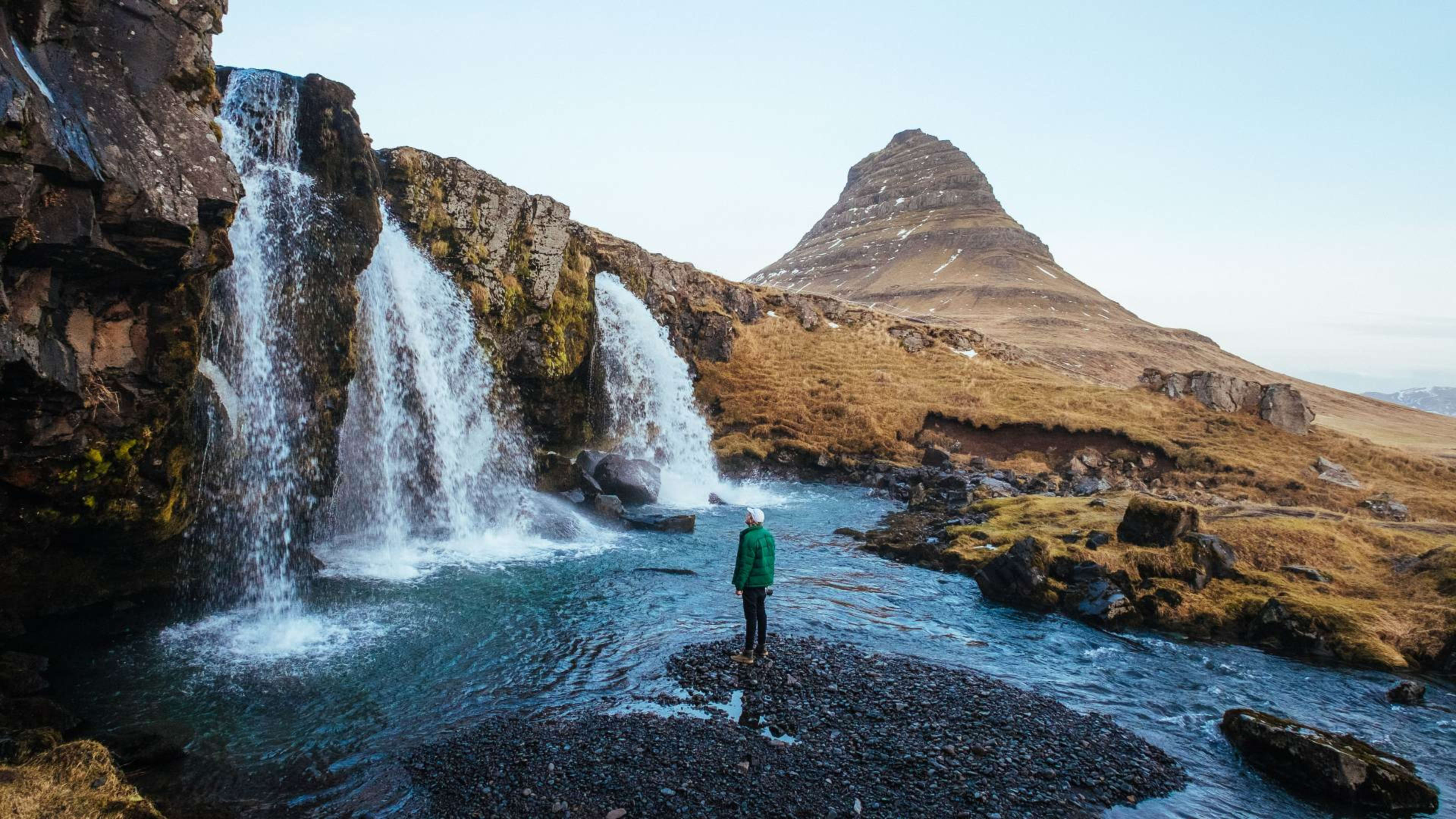
If you want to explore geothermal areas in the highlands or reach more remote national park zones, a summer last-minute booking opens those doors. The Snæfellsnes Peninsula is particularly striking in summer, with the glacier visible from a long distance on clear days.
Spring and Autumn Offer a Balanced Mix
Shoulder season travelers often get the best of both worlds. In spring, snow still covers the mountains while the lower areas are green. In autumn, the days shorten quickly and the northern lights return. Both seasons offer solid weather windows, accessible main roads, and a genuine taste of Icelandic nature and culture without the peak-season crowds.
What Should You Prepare Before Traveling to Iceland?
Once you have confirmed your tour, a few practical steps will help the trip go smoothly. Sorting these before you fly saves time and avoids surprises on the ground.
Pack for Changing Conditions
Iceland's weather can shift from sun to sleet within a few hours, even in summer. Layering is the standard approach. Bring a waterproof outer layer, warm mid-layers, and sturdy footwear with ankle support. If your itinerary includes glacier hikes or lava field walks, check whether gear is provided or if you need to bring specific items.
Do You Need a Visa to Visit Iceland?
Whether you need a visa to visit Iceland depends on your nationality. Iceland is part of the Schengen Area, and travelers from countries such as the United States, the United Kingdom, Canada, Australia, and EU member states can usually visit for up to 90 days without a visa. If you hold a passport from another country, check the latest Iceland visa requirements before booking your trip. This is especially important for last-minute travel, as visa processing times can vary and may affect your departure plans.
Add Optional Experiences at Checkout
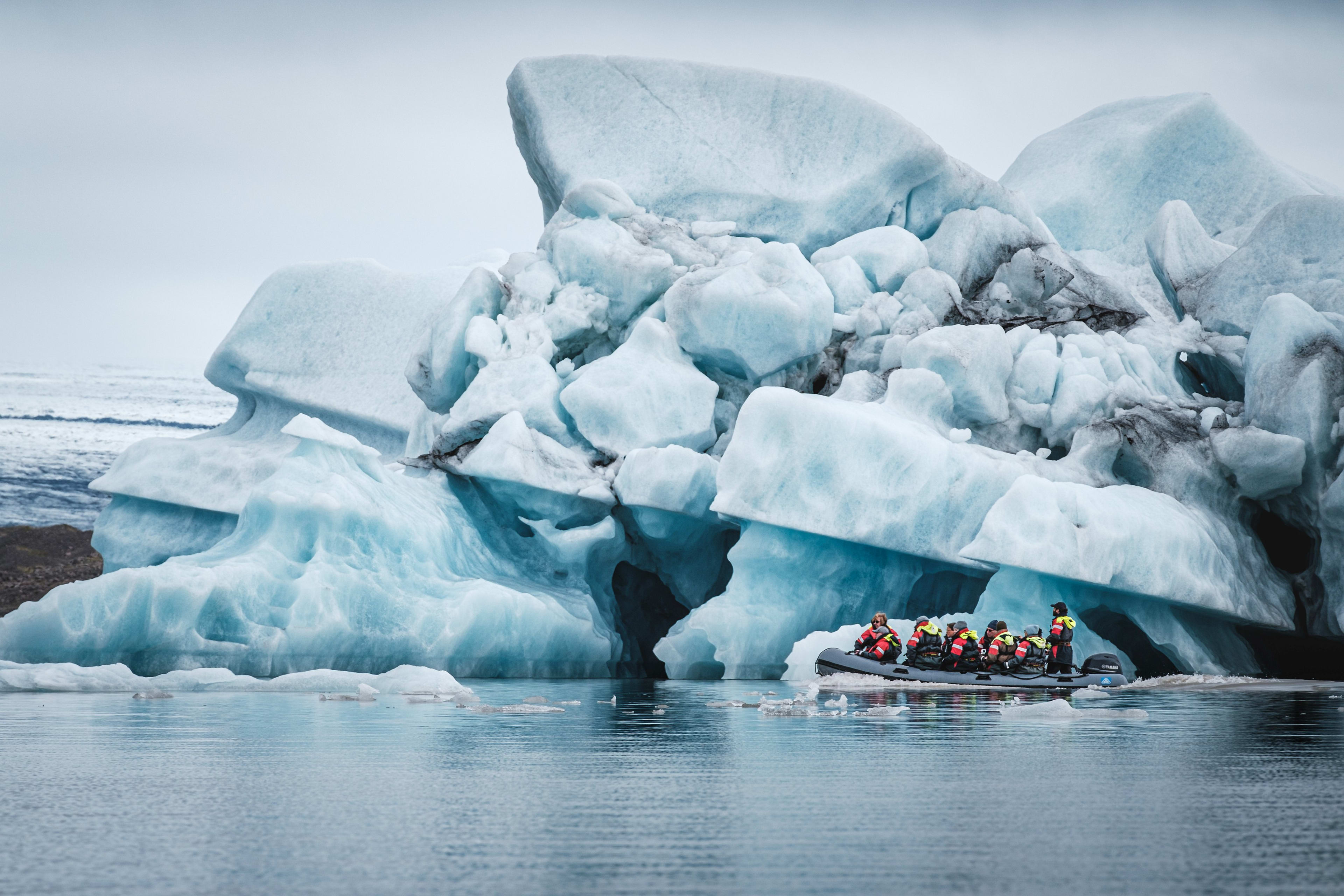
Many Iceland vacation packages let you add extras when you book. Common options include Blue Lagoon visits, glacier hikes, whale watching, and extra nights in Reykjavík. On a last-minute trip, adding these at checkout is often simpler than booking them separately once you arrive.
Check Arrival Logistics Before You Book
Keflavík International Airport is about 50 km (31 miles) from Reykjavík, roughly a 45-minute drive. Most structured packages include airport transfer or a rental car pickup on arrival, so check your booking confirmation before you fly to know exactly what is arranged.
Before booking, check what is scheduled for your first day in Iceland, especially if you are arriving on an overnight flight from North America or Europe. Most tours start with a Reykjavík check-in and a free afternoon to rest, walk the city, or try your first Icelandic meal in the best restaurants in Iceland.
The old harbor, Hallgrímskirkja church, and Laugavegur street are all within easy walking distance of most central hotels. If your flight lands early enough, some packages fold a Golden Circle stop into day one, so it is worth checking your itinerary in advance.
Book a Last-Minute Iceland Trip With a Local Team Behind It
Last-minute trips to Iceland work best when the planning is already done for you. A well-structured package from a local operator means your accommodation, transport, and daily itinerary are sorted before you land. All you need to do is pack for the weather and show up ready for Iceland exploration.
Iceland Tours keeps a regularly updated list of available last-minute packages. Options range from self-drive ring road trips to guided group tours and northern lights itineraries in Iceland. Browse last-minute Iceland packages and find a departure that fits your schedule.
FAQs about last minute trips to Iceland
January and February are typically the cheapest months, with lower demand driving down accommodation and tour prices across the board.
Look for operators based in Iceland that list real departure dates within the next 30 days and include accommodation, transport, and a daily itinerary in the package price.
The Snæfellsnes Peninsula, the Westfjords, and the highlands around Landmannalaugar all see far fewer visitors than the south coast and Golden Circle.
Yes. Booking two to four weeks out still gives you access to the ring road, national park zones, geothermal areas, and northern lights tours, depending on the season.
Spring and autumn offer lower prices, thinner crowds, and distinct scenery, with autumn also marking the return of northern lights visibility.
Travel insurance is strongly recommended, especially for last-minute bookings. Look for a policy that covers cancellations, medical expenses, and adventure activities.