Traveling Iceland in a small group strikes a practical balance between guided structure and personal experience. You get a local expert handling the logistics and a vehicle that fits your group size. This also means flexibility to make unplanned stops at lava fields and waterfalls without rushing 40 people through.
Small group tours in Iceland typically cap at 16 people, which keeps the pace manageable and the experience personal. This guide covers what to know before you book, including the best time to visit Iceland and what to expect at popular stops like the Golden Circle, Gullfoss Waterfall, and Thingvellir National Park.
Small Group Sizes in Iceland: What the Numbers Mean
Not all "small group" tours are the same, and group sizes vary by operator and tour type. Hiking day tours typically take 14 to 16 people, glacier day tours take 8 to 15, and rafting tours take up to 12. Multi-day guided group tours generally cap at 16 people per minibus, which keeps stops relaxed and logistics manageable.
Smaller groups also reach spots that large tour buses cannot. Narrow roads, tight parking areas, and lesser-known viewpoints become part of the itinerary when you travel by minibus instead of a coach. For couples and small traveling parties, this often makes the biggest difference in how the trip feels.
How to Book Small Group Tours in Iceland Early
Your small-group tour in Iceland runs more smoothly when you sort out the logistics before booking. The tips below cover timing, pickup, seasonal availability, and insurance.
1. Book early
For summer travel, book at least six to eight weeks ahead, as peak season fills fast. For shoulder months like May or September, three to four weeks out is usually enough. Northern lights tours in Iceland between October and March fill up fast, especially on weekends in January and February.
Check cancellation policies before you pay, since many operators allow free cancellation up to 24 or 48 hours before departure. If your dates are not fixed yet, book a group tour in Iceland with flexible travel options that allow free rebooking.
2. Confirm your pickup details
Hotel pickups typically start 30 to 45 minutes before the official departure time. Some accommodations in Iceland require guests to walk to a nearby bus stop rather than offering door-to-door service. Be ready 10 minutes before your pickup window, since driving distances between sites are long and the schedule is tight.
3. Match the tour to your travel dates
Booking a tour that does not run on your travel dates is an easy mistake to avoid. Ice caves in Vatnajökull are accessible from mid-October through March, when the ice is stable enough to enter safely. Route F35 typically opens between late May and early July, depending on snow conditions, and closes in September. Always confirm your chosen tours run on your exact dates before paying.
4. Get travel insurance
The weather in Iceland can disrupt flights, road access, and tour departures with little notice. Take out travel insurance that covers trip cancellations, delays, and emergency medical costs. If you plan to join glacier hikes or snowmobile tours, check that your policy also covers adventure activities.
Top Stops on Small Group Tours in Iceland
Most small group itineraries center on Iceland's most recognizable landmarks. Knowing what to expect at each one helps you plan time and energy well.
The Golden Circle
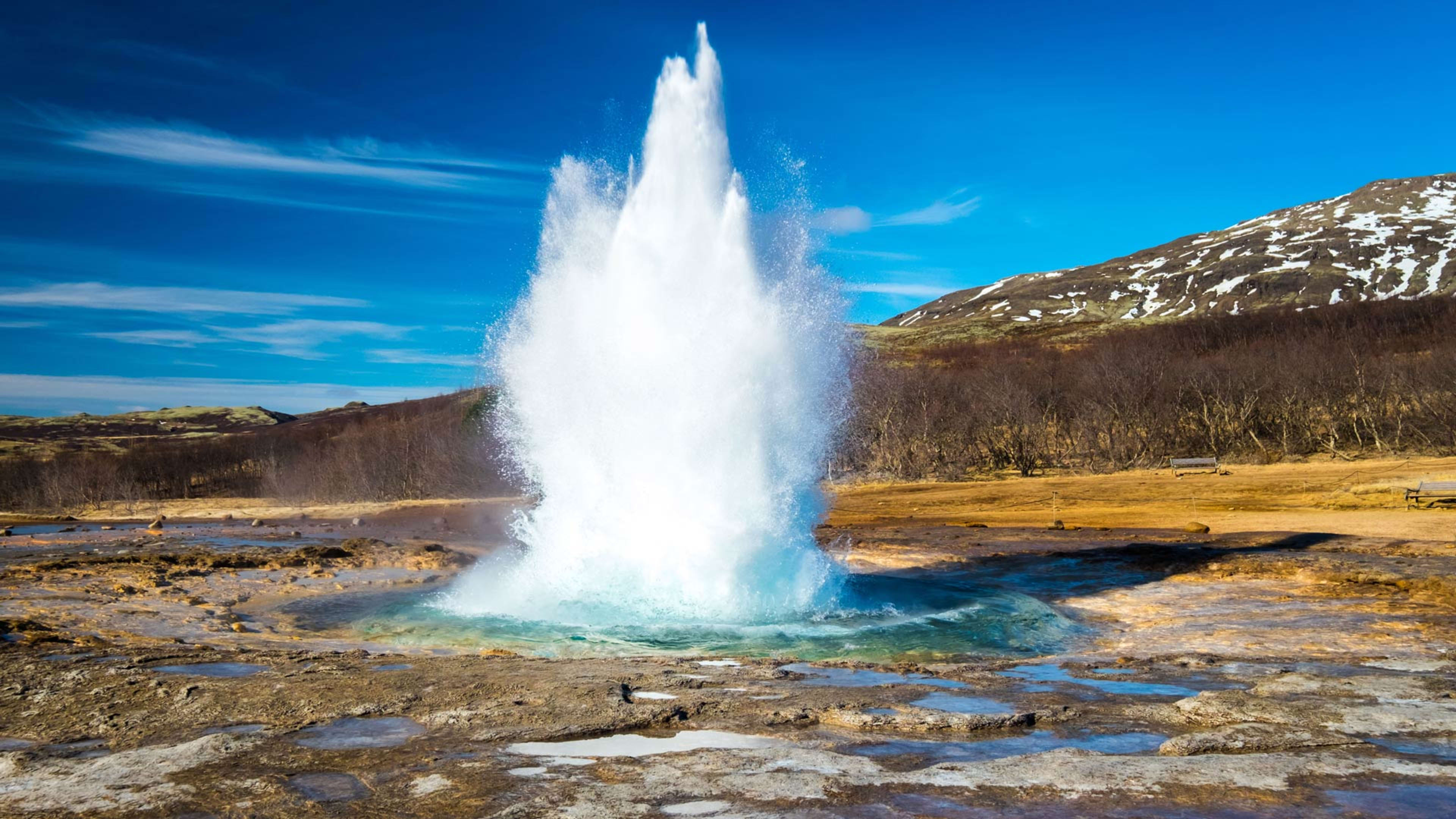
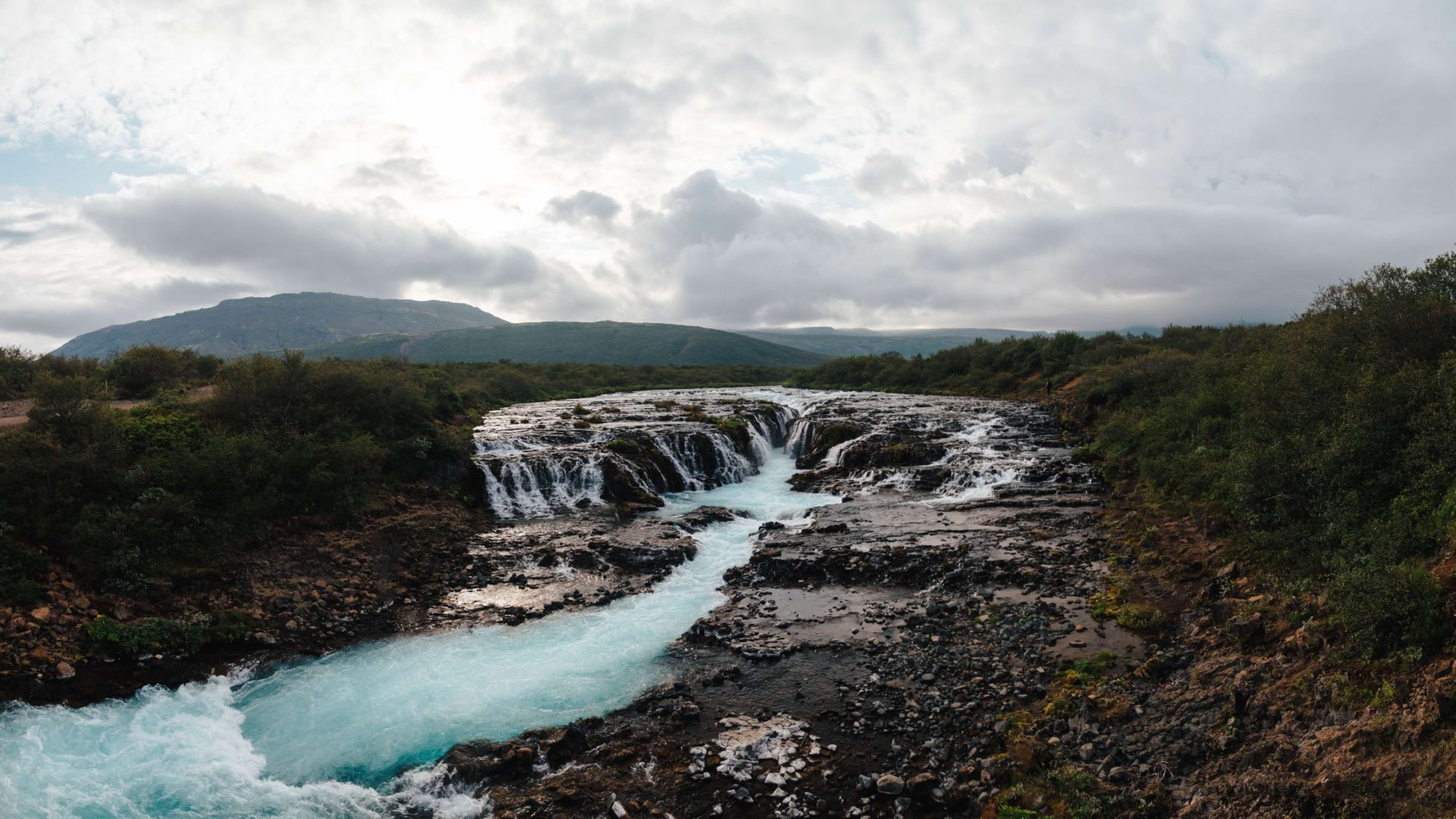
The Golden Circle is the most common day tour route in Iceland, covering three main stops. Thingvellir National Park is a UNESCO World Heritage Site where two tectonic plates meet above ground. Strokkur geyser erupts every five to ten minutes, reaching 15 to 20 meters (49 to 66 feet). Gullfoss waterfall drops 32 meters (105 feet) into the Hvítá River canyon.
The Blue Lagoon
The Blue Lagoon is a geothermal spa on the Reykjanes Peninsula, 49 km (30 miles) from Reykjavík. Water temperatures in the lagoon average between 99°F and 102°F (37°C to 39°C) year-round. Check whether your tour covers entry fees or lists it as an optional add-on.
Whale watching from Reykjavík or Húsavík
Both Reykjavík and Húsavík run whale-watching boat tours, each providing a different experience. Reykjavík departures leave from the Old Harbor and combine easily with city stops. Húsavík, on Iceland's north coast, is known for exceptional humpback, minke whale, and blue whale sightings during summer.
Choose the Right Time to Visit Iceland
Iceland offers something different in every season, and the right timing depends on what your group most wants to see. No single month is best for every traveler, but knowing what each season brings helps you decide.
Summer: Late May through August
Summer is the most accessible season for small group tours in Iceland. All main roads are open, including highland F-roads, which are closed for most of the year. Average temperatures range from 50°F to 59°F (10°C to 15°C), with occasional warmer days reaching 68°F (20°C). This is also the best season for whale watching, with peak humpback and minke whale sightings from June through August.
Winter: September through March
Winter brings shorter days and colder temperatures, but it is the prime season for northern lights tours. The Northern Lights are visible from late August through early April. Winter offers the darkest skies and the best chance of a clear display. Ice cave tours are typically open from mid-October through March, when glaciers are stable enough to enter safely.
Shoulder seasons: April and September
April and September are two of the most well-rounded months to visit Iceland. Crowds are smaller than in peak summer, prices are lower, and you still have reasonable access to major attractions. September brings autumn colors to Thingvellir and Mývatn. April marks the start of whale watching season. Both months offer a good mix of activities without the full summer crowds.
How to Pack and Prepare for Weather on Iceland Group Tours
Conditions on an Iceland group tour can shift from calm to windy and wet within the same hour. Packing for that range keeps you comfortable throughout the day.
What to wear on an Iceland group tour
A waterproof outer layer is non-negotiable on any outdoor tour. Pack thermal base layers, a mid-layer fleece, and a wind-resistant, waterproof jacket and trousers. Waterproof hiking boots with ankle support are necessary for lava field walks and glacier trails. For a full breakdown by season, the Iceland summer packing list covers what to bring for changing conditions.
Easy-to-forget items
- Sunglasses and sunscreen: UV exposure is strong near glaciers and snow
- A reusable water bottle: tap water is safe and free at most stops
- Spare dry socks and a power bank for long tour days
Facilities and connectivity on remote routes
Remote routes have limited restroom stops, so packing snacks helps between sites. Iceland is largely cashless, and international cards work at most stops. Before a multi-day tour, download an offline map, as mobile signal can be weak in the Highlands and remote fjord areas. If you plan to rent a car and explore beyond your tour stops, our guide to driving safely on Icelandic gravel roads covers everything you need before you head off the main route.
Plan Your Small Group Tour with Confidence
Iceland requires more logistical planning than most destinations, but you do not have to figure it all out alone. Small group tours handle the transport, guiding, and site access for you. Booking early, matching your season, and packing right are the three decisions that shape every day of your trip. Browse Iceland Tours' small group packages to find an itinerary that fits your travel style and dates.
FAQ's about Small Group Tours
Look for operators with groups capped at 12 to 16 people, Iceland-based guides with local expertise, and a clear cancellation policy. Local operators tend to have stronger on-the-ground knowledge than international booking platforms.
Stay on marked paths near cliffs, geothermal areas, and lava fields, and check road and weather conditions before driving to remote areas. Sneaker waves on the South Coast's black sand beaches can be dangerous without warning.
Seven days cover the Golden Circle, the South Coast, and one or two-day tours, while ten days allow for a full Ring Road circuit or a Highlands extension.
Some multi-day small group tours include the Blue Lagoon as a scheduled stop, but most day tours do not. The Blue Lagoon requires advance booking, and the Comfort Package starts at ISK 11,990 (roughly USD 96), with prices rising for Premium and Signature tiers.
Small group tours handle navigation, road conditions, and gear logistics, while self-drive offers more timing flexibility. Many travelers combine both, using group tours for specific activities and a rental car between regions.