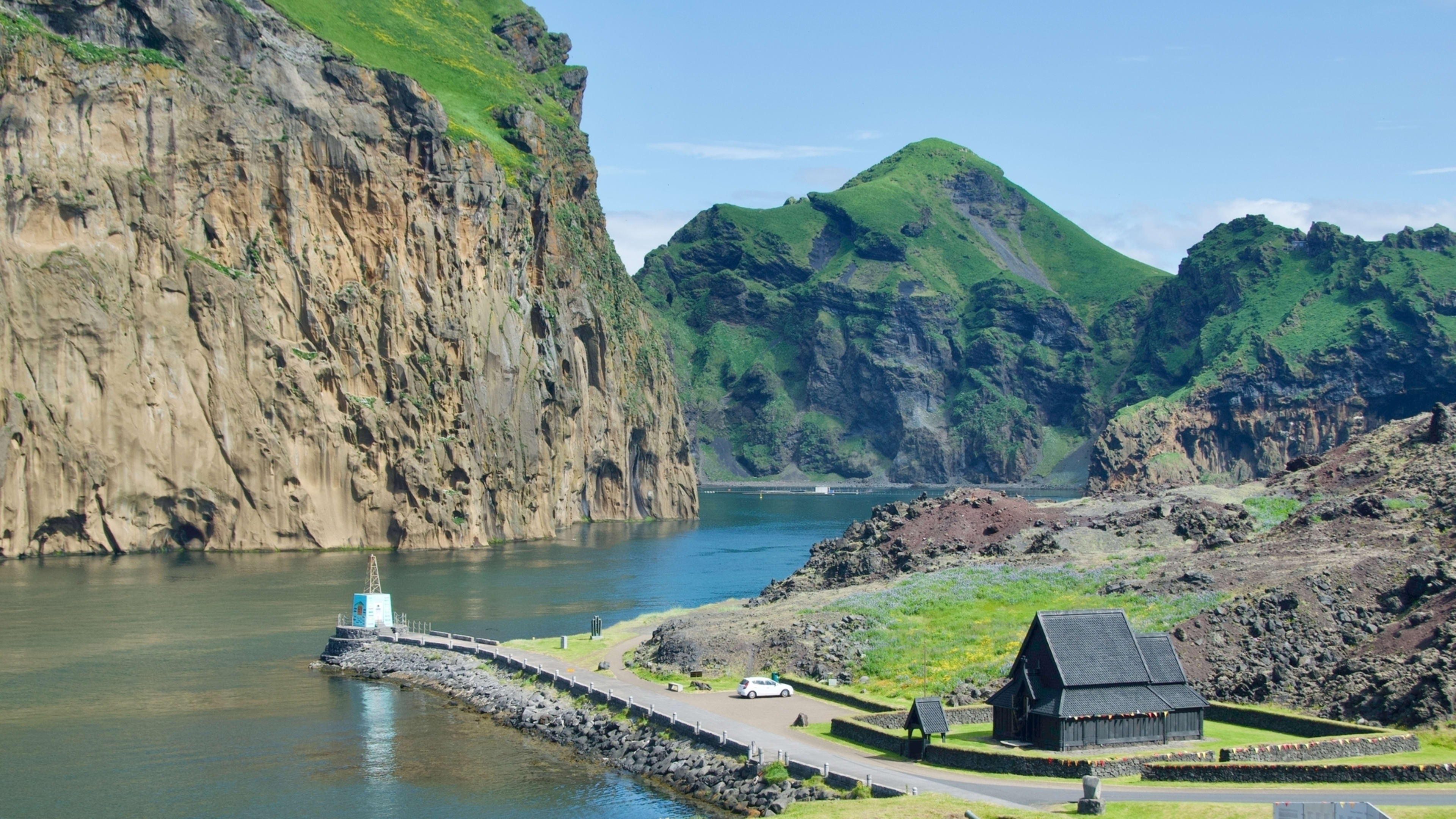
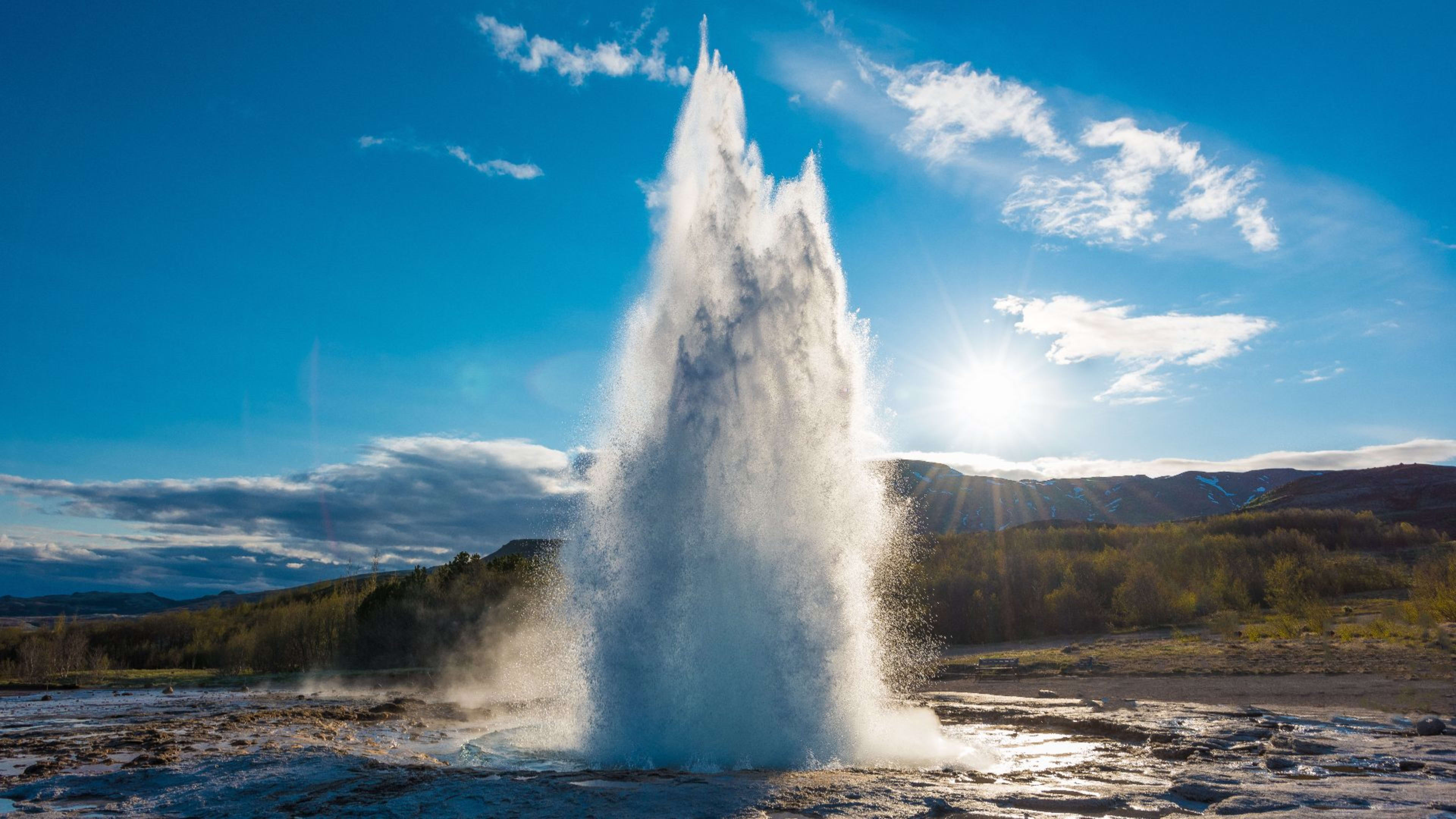
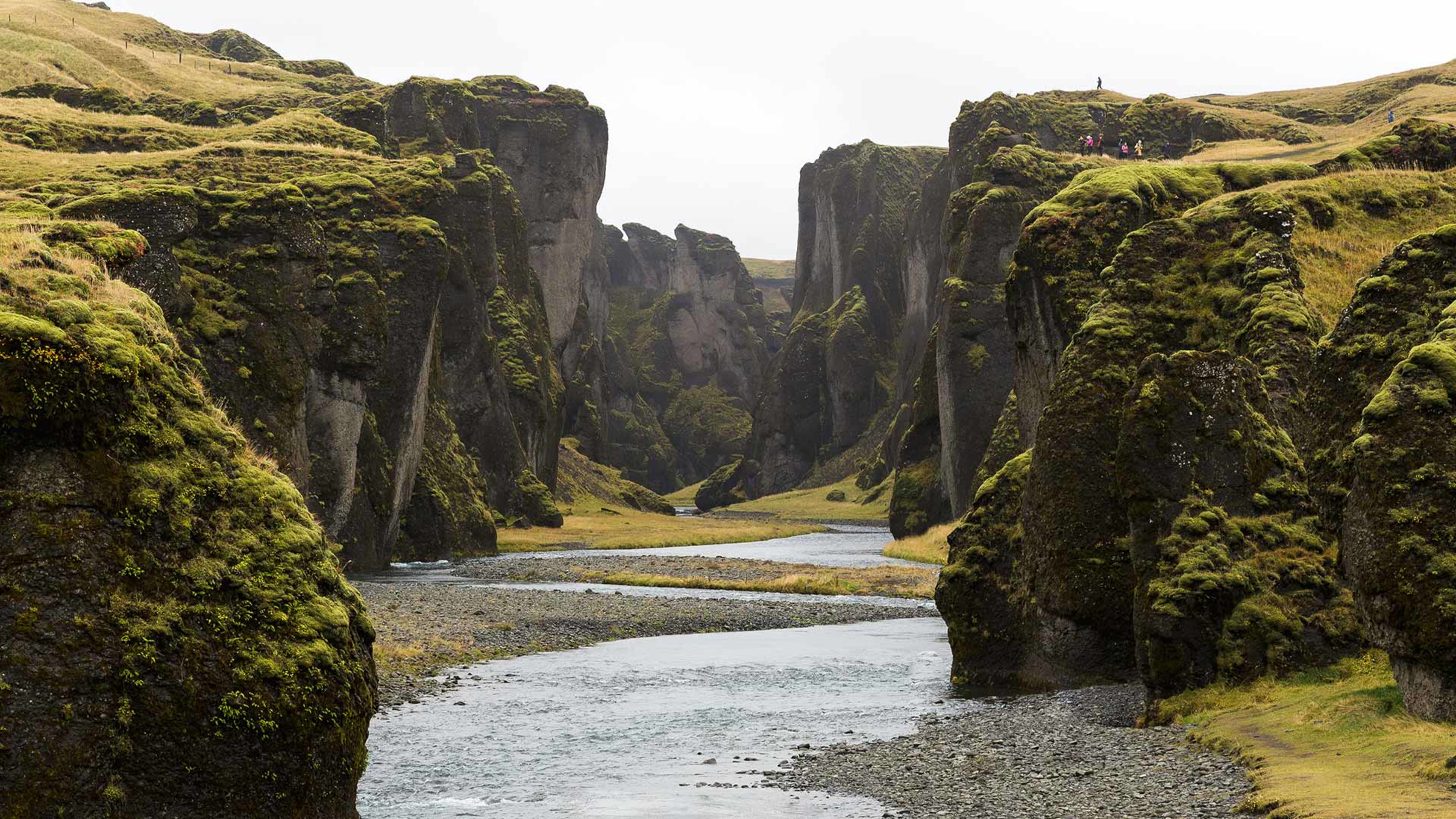
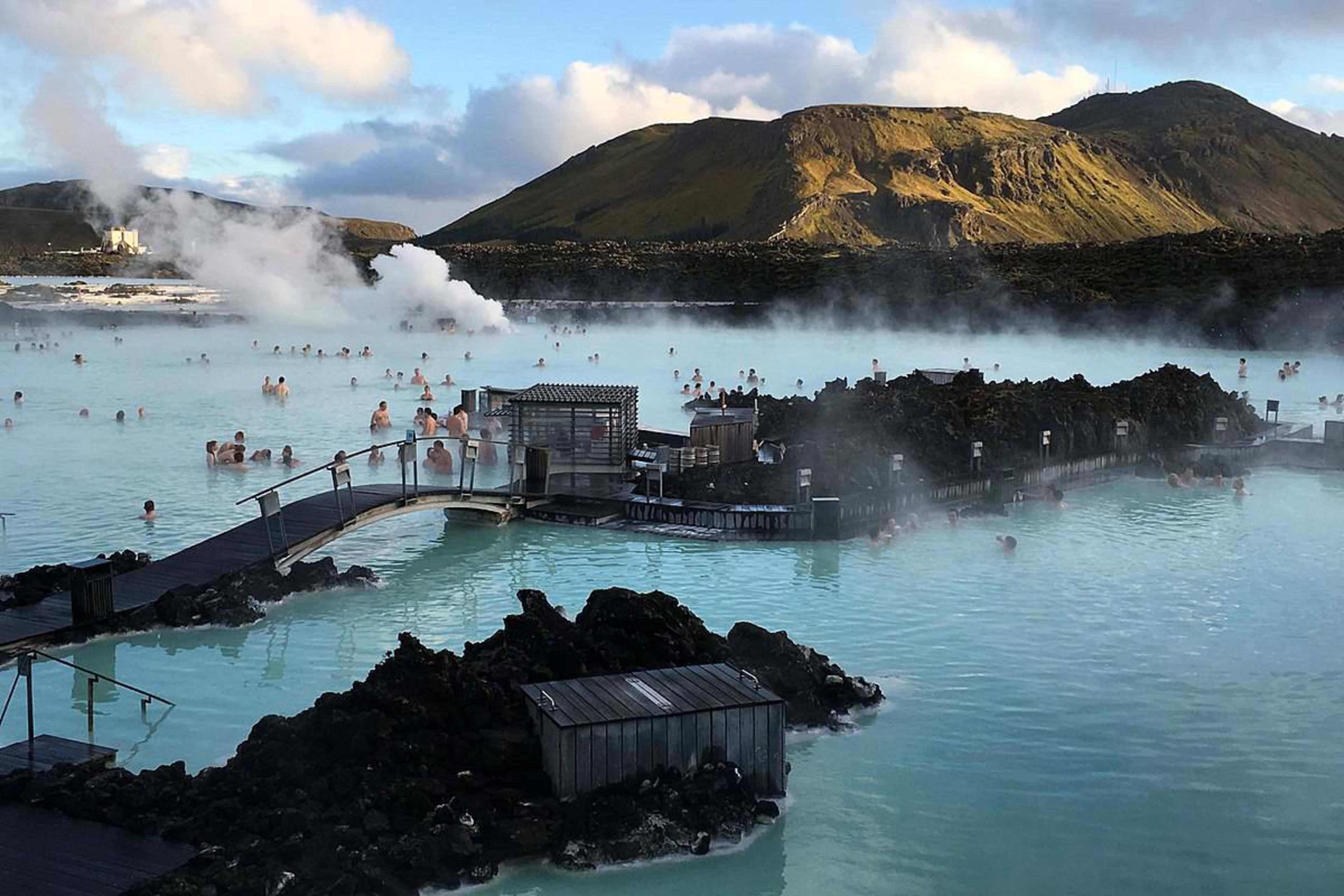
Driving in Iceland lets you reach waterfalls, lava fields, and hot springs that tour buses skip. But once you leave the Ring Road, the roads change fast. Gravel surfaces, river crossings, and sudden weather shifts are all part of the experience.
Driving on Icelandic gravel roads can be very different from highway driving back home. To stay safe, you need the right vehicle, the right insurance, and a clear understanding of the rules before you arrive.
What You Need to Know About Driving Gravel Roads in Iceland
Gravel roads are far more common in Iceland than most visitors expect. While the Ring Road is fully paved, roughly one-third of the country's road network is unpaved. Once you venture off the main route, gravel is almost guaranteed, including roads leading to Landmannalaugar and Dettifoss. Knowing which roads are gravel before you rent a car in Iceland helps you choose the right vehicle and avoid surprise detours.
What Is the Difference Between Regular Gravel Roads and F-Roads?
F-roads are highland mountain roads marked with an "F" prefix and sit above 400 to 500 meters (1,300 to 1,640 feet) in elevation. Many F-roads require drivers to ford rivers with no bridge, and all are only open seasonally.
Most open between mid-June and early July and close between late September and mid-October, though snowfall can shift those dates. Always check opening dates at umferdin.is before finalizing your itinerary.
What Are the Speed Limits on Icelandic Gravel Roads?
Speed limits in Iceland are strictly enforced. The maximum speed on gravel roads is 80 km/h (50 mph), but treat that as a ceiling, not a target. Here is a quick breakdown by road type:
- Gravel roads: 80 km/h (50 mph) maximum
- Paved rural roads and the Ring Road: 90 km/h (56 mph) maximum
- Urban areas: 50 km/h (31 mph)
- Residential streets: 30 km/h (19 mph)
Speed cameras operate throughout the country. Fines start at around 10,000 to 30,000 ISK (roughly $70 to $210 USD) for driving 10 to 20 km/h over the limit and can exceed 150,000 ISK (roughly $1,090 USD) for serious violations.
Choosing the Right Rental Car for Icelandic Gravel Roads Driving
Your choice of vehicle is the most important decision when renting a car in Iceland. A 2WD car suits the Ring Road and short, maintained gravel detours. A 4x4 vehicle is required for F-roads and any extended highland driving. Higher ground clearance also reduces the risk of underbody damage, which rental insurance rarely covers.
Gravel Protection Insurance: Why It Matters
Standard rental car insurance does not cover windshield chips or paint damage from loose stones. Gravel protection is highly recommended for any unpaved route. Note that these damage types are excluded from all policies regardless of add-ons:
- Underbody damage
- River crossing damage
- Damage from driving on roads that your vehicle is not permitted on
What Road Safety Rules Do Drivers Need to Follow in Iceland?
Iceland's road rules differ from what many visitors are used to at home. Breaking them can lead to fines, voided insurance, or worse.
Why Off-Roading Is Illegal in Iceland
Driving off marked roads is illegal throughout Iceland. The law protects fragile moss and lava landscapes that can take centuries to recover. Fines typically start at around 350,000 ISK (roughly $2,900 USD) and can exceed 1,000,000 ISK ($8,000 USD or more) depending on damage caused. If you cannot pass an obstacle without leaving the marked track, turn back.
One-Lane Bridges and Right of Way
Whoever reaches a single-lane bridge first has the right of way. If you arrive second, pull right and wait. Never cross simultaneously. Watch for posted speed reductions on approach.
Watch for Wildlife on the Road
Iceland's roads bring you close to animals, and the risks are real. Here is what to watch for:
- Sheep roam freely from late May through October and may bolt without warning. Hitting one requires you to report the incident and compensate the farmer.
- Reindeer are found exclusively in East Iceland along the Ring Road between Egilsstaðir and the Eastfjords. Herds can be large and cross roads suddenly.
- Arctic foxes can be found near highland trails and hot springs. They are small but can cause a startled driver to swerve.
- Icelandic horses graze near unfenced road edges in rural areas. Always slow down and give them space.
Driving Icelandic Gravel Roads in Different Seasons
Iceland's gravel roads behave very differently depending on the time of year. The season you visit directly shapes which roads you can access and how safely you can drive them.
Summer: The Best Window for Gravel Road Driving
This is the best time for gravel road driving. F-roads open from mid-June, and most highland routes are accessible through August. Days are long, visibility is excellent, and road surfaces are at their driest. Even in summer, river crossings on F-roads require caution and some experience.
Spring and Autumn: Plan With Flexibility
Conditions are unpredictable. Roads that appear dry can turn muddy quickly after rain. Some highland routes close early in September and do not reopen until the following summer. Always check current conditions before heading into rural areas.
Winter: The Most Demanding Season
Most secondary gravel roads and all F-roads are closed. Even primary gravel roads can become icy or snow-packed without warning. Anyone driving in Iceland during winter needs a 4x4 with winter tires. This is not optional.
What Do First-Time Drivers Need to Know Before Driving in Iceland?
A few rules catch first-timers off guard, regardless of where they are from. Here is what to keep in mind before you drive:
- Headlights on at all times: Required by law on all road types, day and night.
- No right-turn-on-red: Stop and wait for a green signal unless a sign explicitly permits otherwise.
- Fill up often: Gas stations are sparse in the highlands. Keep the tank above half on remote stretches.
- Do not rely solely on navigation apps: Cross-check Google Maps with the Vegagerdin road map at vegasja.vegagerdin.is to confirm which roads are paved.
Consider a Guided Tour If You Would Rather Not Drive
A guided small group tour in Iceland removes the hardest variables. Your guide handles navigation, monitors road conditions, and decides when to turn back. You focus on the landscape, the hot springs, and the wildlife.
If you want highland access without managing F-road logistics, the Iceland highlands itinerary options offer access to some of the country's most remote terrain with experienced local drivers.
FAQs about driving gravel roads in Iceland
Slow down well before the surface changes, since gravel offers less grip than asphalt. Give yourself extra stopping distance and ease off the accelerator rather than braking sharply.
Assess the depth before entering. If the water reaches above your tires, turn back. Use low gear, maintain a steady speed, and never stop or change gears mid-crossing.
Stay with the vehicle and call your rental company's emergency number, listed in your rental agreement. If you are in immediate danger, call 112 or use the 112 Iceland app.
Check umferdin.is for real-time road status and cross-reference with vedur.is for weather forecasts, especially before driving any highland or gravel route.
Windshield chips and paint damage are covered if you purchased gravel protection insurance. Without it, you pay out of pocket. Underbody and river crossing damage are almost never covered, regardless of your policy.
No. Many gravel roads are regular secondary roads, while F-roads are marked mountain roads that require a 4x4 vehicle.