

About Lake Mývatn
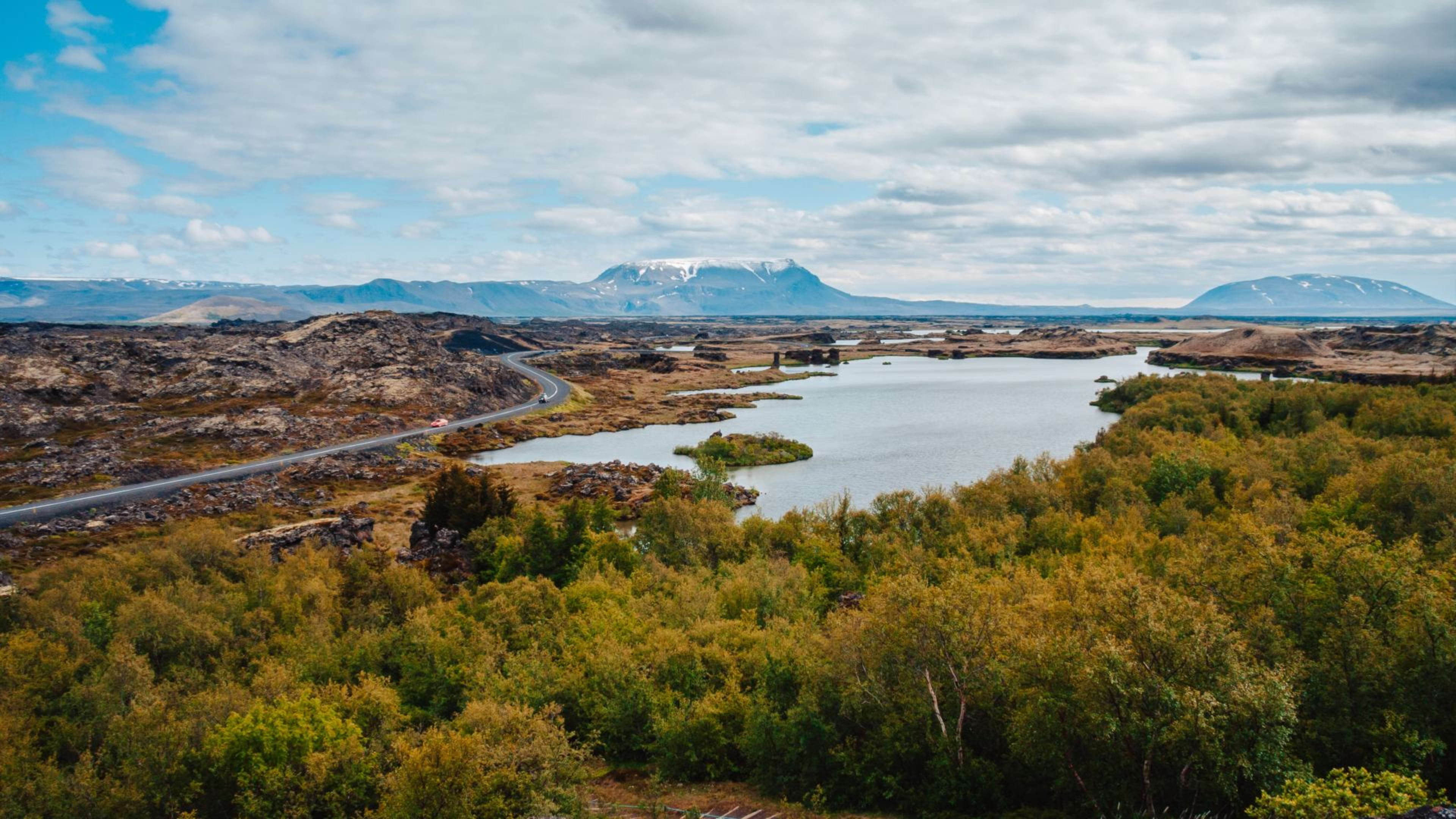
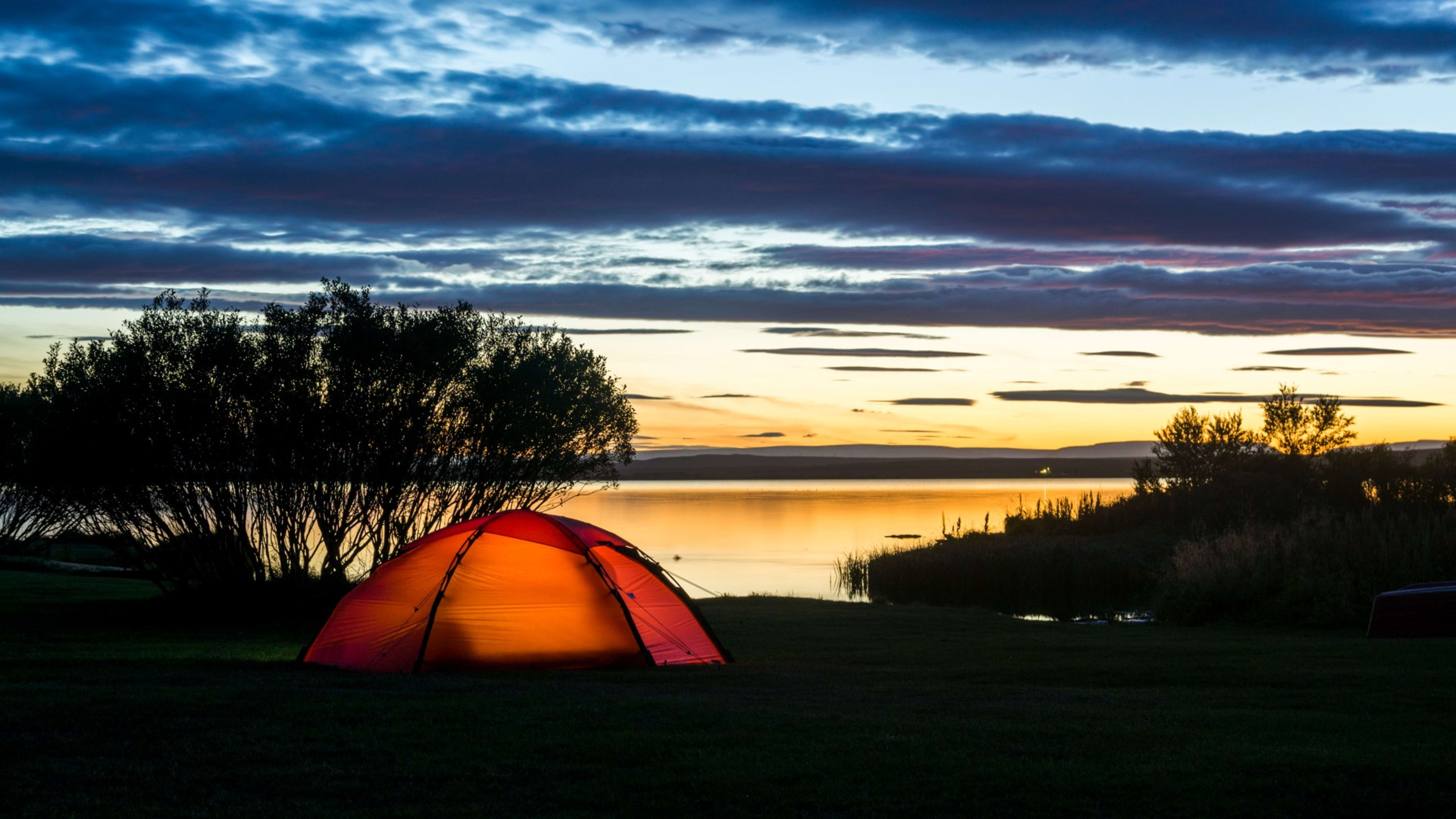
Lake Mývatn is a shallow lake in northeast Iceland, about an hour east of Akureyri on the Ring Road. The name means "Midge Lake," referring to the non-biting midges that swarm here in summer and form the base of the food chain for the area's exceptional birdlife. The lake formed a few thousand years ago when lava flows dammed the Laxá river, and it sits within the active Krafla volcanic system on the Mid-Atlantic Ridge.
The area around the lake is compact and varied -- volcanic craters, lava formations, geothermal fields, and a geothermal bathing facility all within 30 minutes of each other. It is one of the most geologically active and accessible parts of Iceland, and a central stop on the Diamond Circle route in north Iceland.
What to see
Dimmuborgir
Dimmuborgir -- "Dark Castles" -- is a field of lava formations on the eastern shore of the lake, created around 2,300 years ago when a lava lake partially drained, leaving behind towers, pillars, and cave-like structures. Marked trails through the area take around 45 minutes. The site became widely known after appearing in Game of Thrones as the wildling camp beyond the Wall, but the formations are worth visiting regardless.
Námaskarð
A few minutes east of the lake on Route 1, Námaskarð is a high-temperature geothermal field with bubbling mud pools, steam vents, and sulphur deposits that colour the ground yellow and orange. The smell of sulphur is noticeable but the landscape is one of the most visually striking in Iceland. Stay on the marked paths and boardwalks -- the ground is unstable and extremely hot in places.
Hverfjall crater
Hverfjall is a near-circular tephra crater rising 463 metres above sea level, formed in a large explosive eruption around 2,500 years ago. The hike to the rim takes about 30 minutes and the views over the lake and surrounding volcanic landscape are extensive. On clear days Vatnajökull glacier is visible to the south.
Krafla
North of the lake, Krafla is an active volcanic system that last erupted in the 1980s. The Leirhnjúkur lava field here is still warm underfoot in places, and steam rises from vents across the landscape. The contrast between the older cooled lava and the newer black flows from the most recent eruptions is striking.
Earth Lagoon Mývatn
The Earth Lagoon Mývatn is a geothermal bathing facility on the northern shore of the lake, with mineral-rich blue water maintained between 36 and 40°C. It is considerably less busy than the Blue Lagoon and benefits from a setting surrounded by volcanic landscape. It is open year-round and is particularly popular in winter when Northern Lights viewing is possible from the pools.
Birdlife
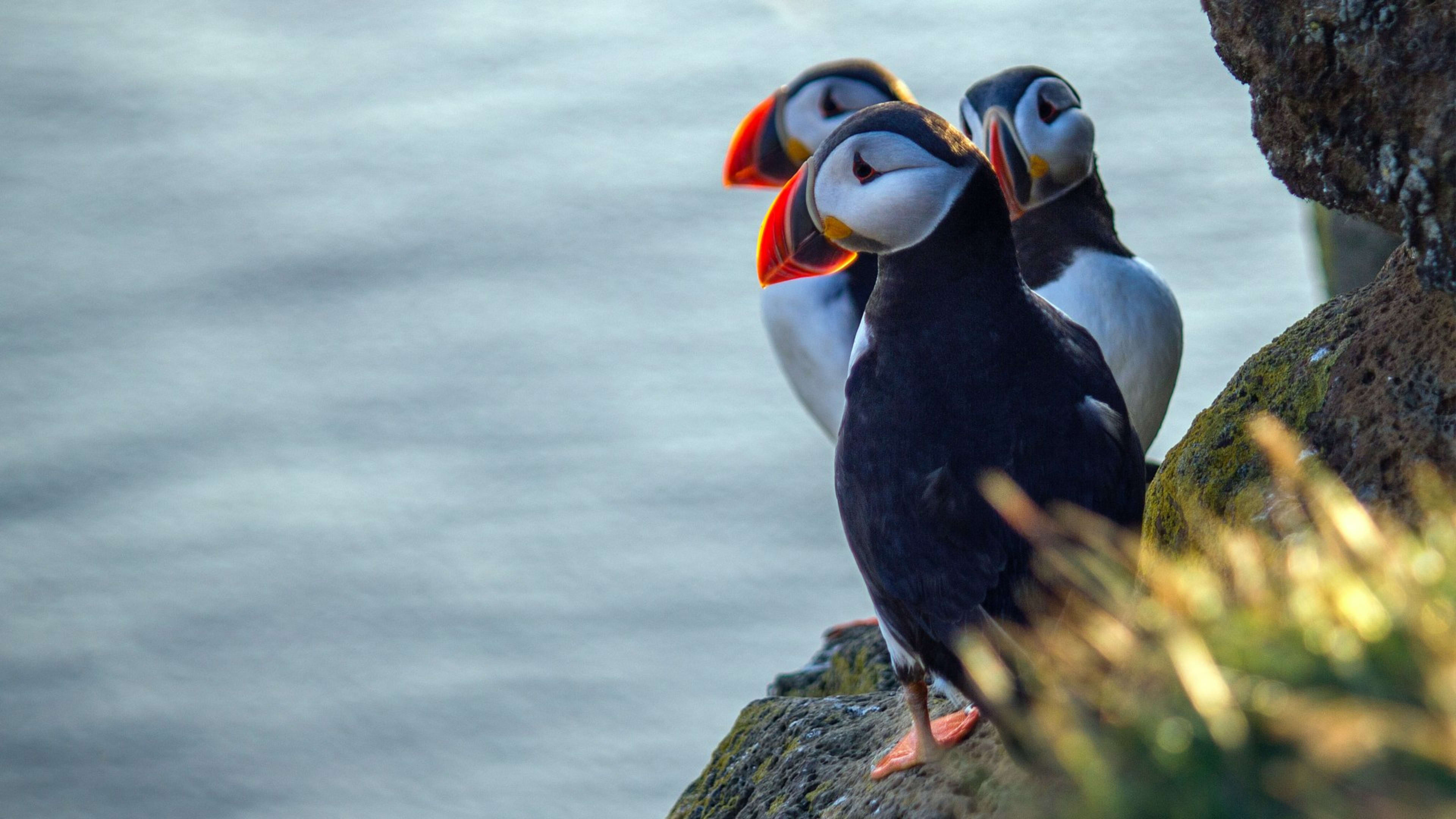
Lake Mývatn supports 13 species of ducks -- more variety than anywhere else in Iceland -- along with Arctic terns, red-necked phalaropes, and gyrfalcons. The peak season for birdwatching is May to July. The Sigurgeir Bird Museum in Reykjahlíð covers the local species in detail.
Getting there
Reykjahlíð, the main village on the lake's northern shore, has a supermarket, petrol station, restaurants, and accommodation. The petrol station is worth noting -- the next fuel stop heading east is 175 km away in Egilsstaðir. Lake Mývatn is about six hours from Reykjavík by car and one hour east of Akureyri on the Ring Road. It is a standard stop on Ring Road self-drive tours.