The Blue Lagoon in Iceland
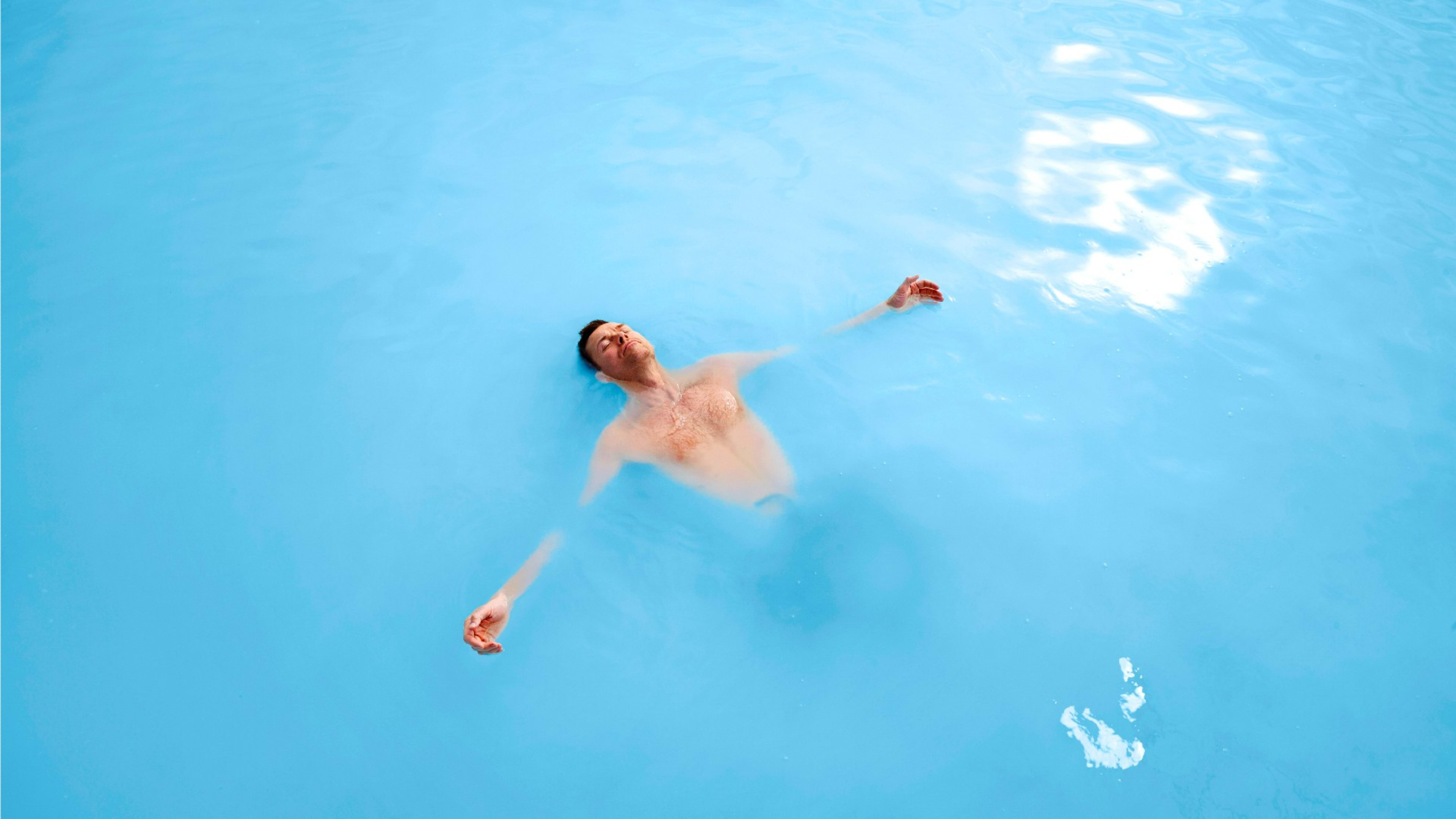
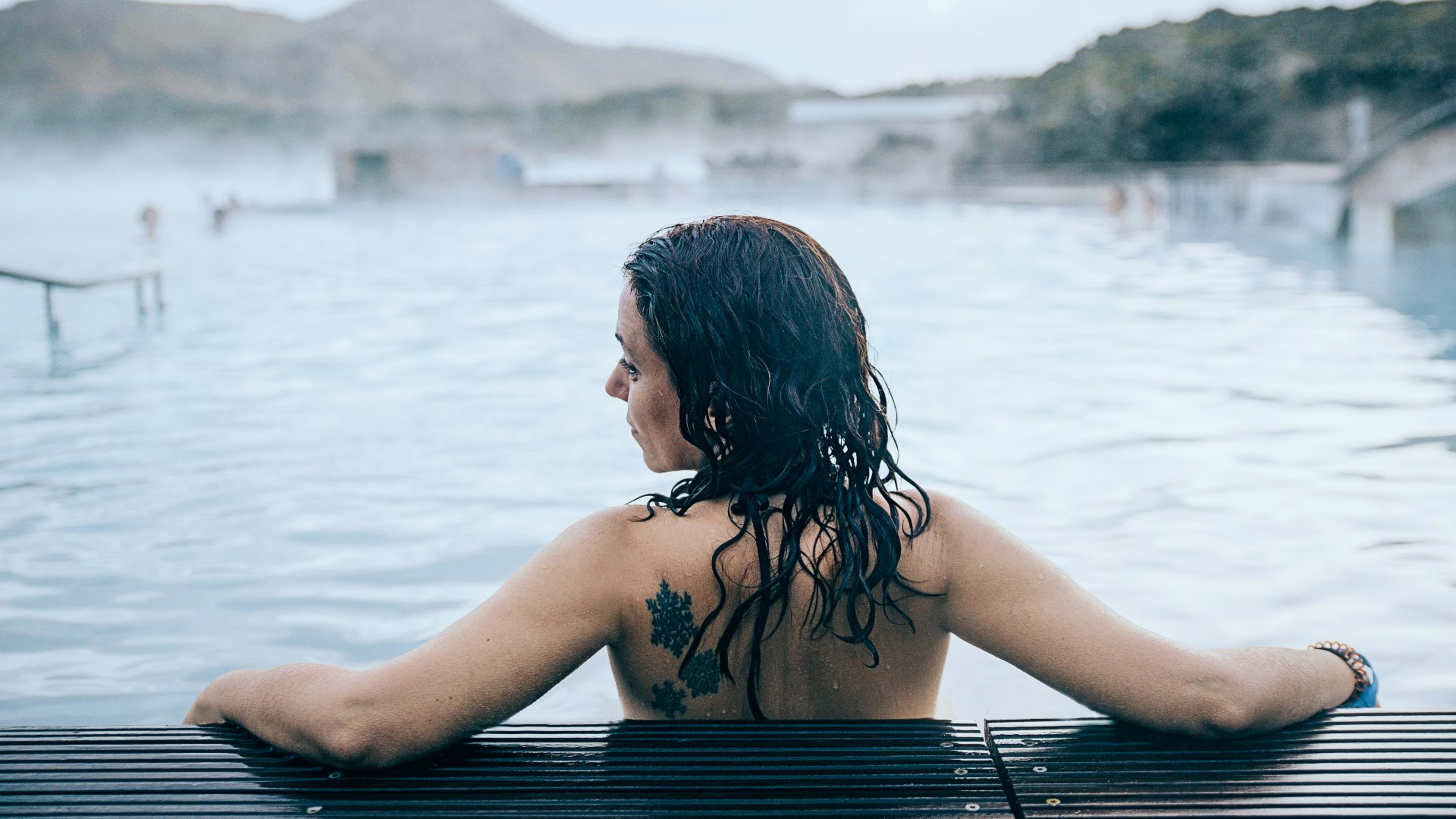
Set in the black lava fields of the Reykjanesnes peninsula, the Blue Lagoon is one of Iceland's most visited destinations and one of the most distinctive geothermal spas in the world. The water is a striking shade of milky blue, the air smells faintly of sulphur, and the surrounding landscape looks nothing like anywhere else on earth. It lives up to the reputation.
The lagoon sits about 20 minutes from Keflavíkurflugvöllur and 45 minutes from Reykjavík, which makes it a natural fit as either a first or last stop on an Iceland trip. Many visitors come directly from the airport, bags still in hand.
What Makes the Water Blue
The Blue Lagoon's colour comes from the high concentration of silica in the water. Silica is a white mineral that reflects blue light and absorbs other wavelengths, giving the water its characteristic milky hue. The lagoon also contains algae and a range of minerals, all naturally occurring byproducts of the geothermal process that heats the water.
The water itself comes from the nearby Svartsengi geothermal power plant. Seawater is drawn deep underground, heated by volcanic activity, and used to generate electricity. The mineral-rich runoff is then channelled into the lagoon, where it maintains a temperature of around 38 to 40°C year-round. The water renews completely every 40 hours.
The silica has well-documented benefits for certain skin conditions, including psoriasis, and the lagoon has been the subject of dermatological research since the 1980s, when a local man with psoriasis noticed significant improvement after bathing in the water regularly.
Choosing Your Experience
The Blue Lagoon offers four ticket tiers, each building on the last.
The Comfort package is the entry-level option and includes lagoon access, a silica mud mask, a towel, and one drink of your choice. It covers everything most visitors need for a great visit.
The Premium package adds an algae mask, a bathrobe and slippers, access to a private lounge area, and a glass of sparkling wine. It suits those who want a slightly more relaxed and unhurried experience.
The Signature package includes everything in Premium, plus a set of Blue Lagoon skincare products to take home. It is worth considering if you plan to buy the skincare products anyway, as the combined value is typically higher than the price difference.
The Retreat Spa is a separate luxury experience built into the volcanic rock, with exclusive lagoon access, private spaces, and spa treatments. It is reserved for guests aged 12 and over and requires its own booking.
All tickets must be booked in advance. Entry slots open every 30 minutes and popular times, particularly in summer and around sunrise and sunset in winter, sell out weeks ahead.
Dining at the Blue Lagoon
The lagoon has three dining options on site. Lava Restaurant is the flagship fine dining option, offering Nordic cuisine with floor-to-ceiling views over the water. The menu emphasises Icelandic seafood, lamb, and seasonal ingredients, and the setting is striking. Booking a table in advance is recommended.
Moss Restaurant is the Michelin-starred option and is reserved for guests aged 12 and over. It offers a more intimate tasting menu experience and requires a reservation well in advance. Blue Café handles lighter fare and grab-and-go options for those who want something quick between soaks.
When to Visit
The Blue Lagoon is open year-round and worthwhile in any season, though the experience changes depending on when you go.
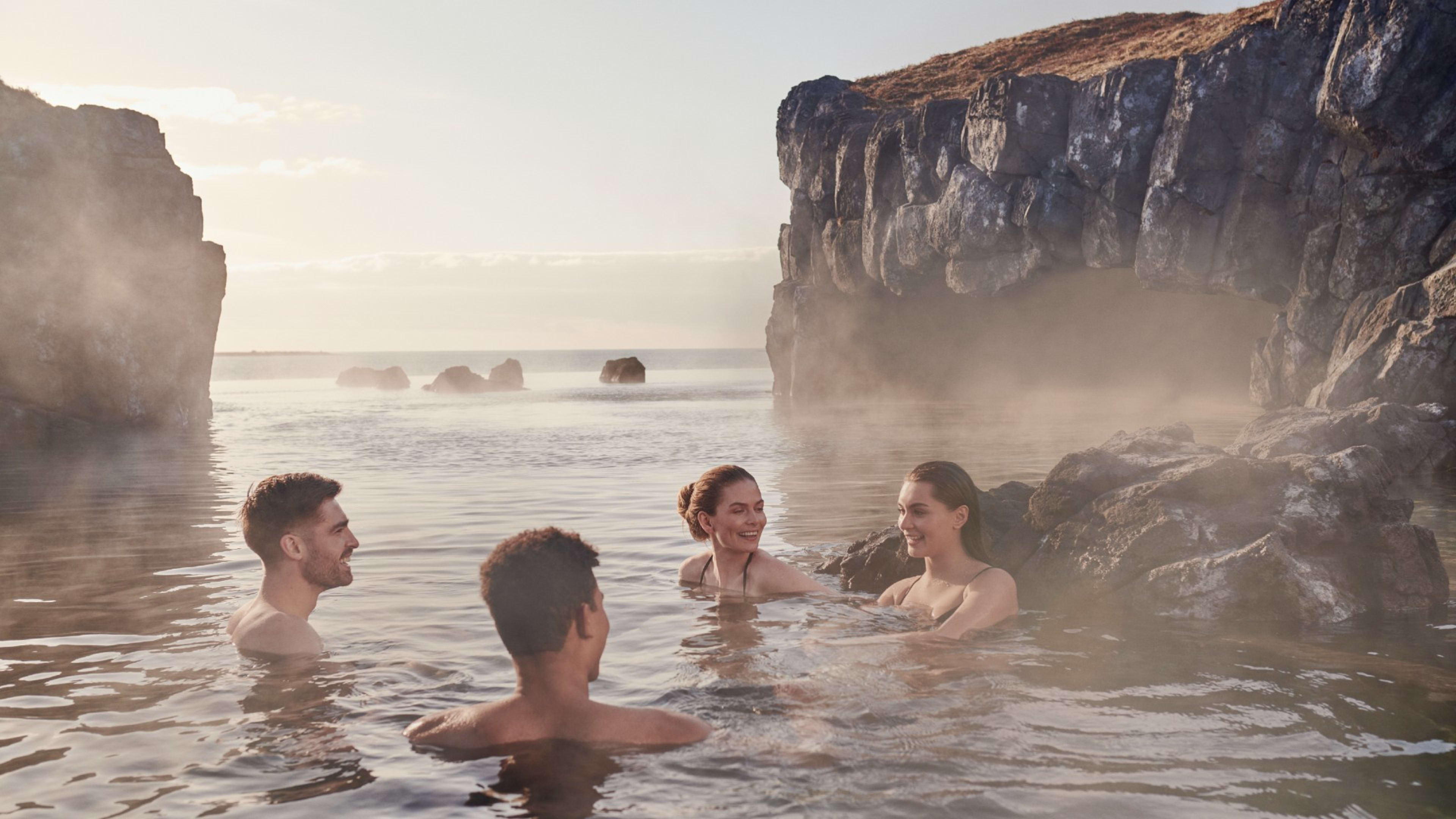
In summer, you can soak under the midnight sun, with the sky staying light well past midnight from late May through July. The lagoon looks particularly striking in the long evening light, with steam rising against a pale sky.
In winter, there is a chance of seeing the Northern Lights from the water between September and March, depending on solar activity and cloud cover. Floating in warm water while the aurora moves overhead is one of those experiences that is genuinely hard to describe. The contrast between the warm water, cold air, and snow-dusted lava fields is also something you cannot get in summer.
Practical Tips for Visiting
Plan to spend at least two hours at the lagoon, and more if you are dining on site. Large bags and rolling luggage cannot be stored inside, so if you are coming straight from the airport it is worth checking your bags at the terminal first.
The high mineral content of the water can affect hair, so using the complimentary conditioner provided in the changing rooms before you enter is a good idea. Swimwear is required and available to rent if needed. The lagoon is accessible for most visitors, with shallow areas throughout and a maximum depth of around 1.4 metres (4.7 feet).
If you are pregnant or have a heart condition, it is worth checking with your doctor before bathing in high-temperature geothermal water.
Adding the Blue Lagoon to Your Iceland Trip
The Blue Lagoon works well as a standalone day trip from Reykjavík, but it also integrates easily into a longer itinerary. Several Iceland Tours packages include a Blue Lagoon visit, including the Geysirs, Waterfalls and Blue Lagoon Summer Getaway and the Reykjavík Winter Vacation: Blue Lagoon and Northern Lights. It can also be added to any self-drive tour as a first or last day activity.
Browse our full range of Blue Lagoon tours to find an itinerary that includes the Blue Lagoon.