


Fjords, Secluded Villages & Nature Trails Road Trip in Iceland
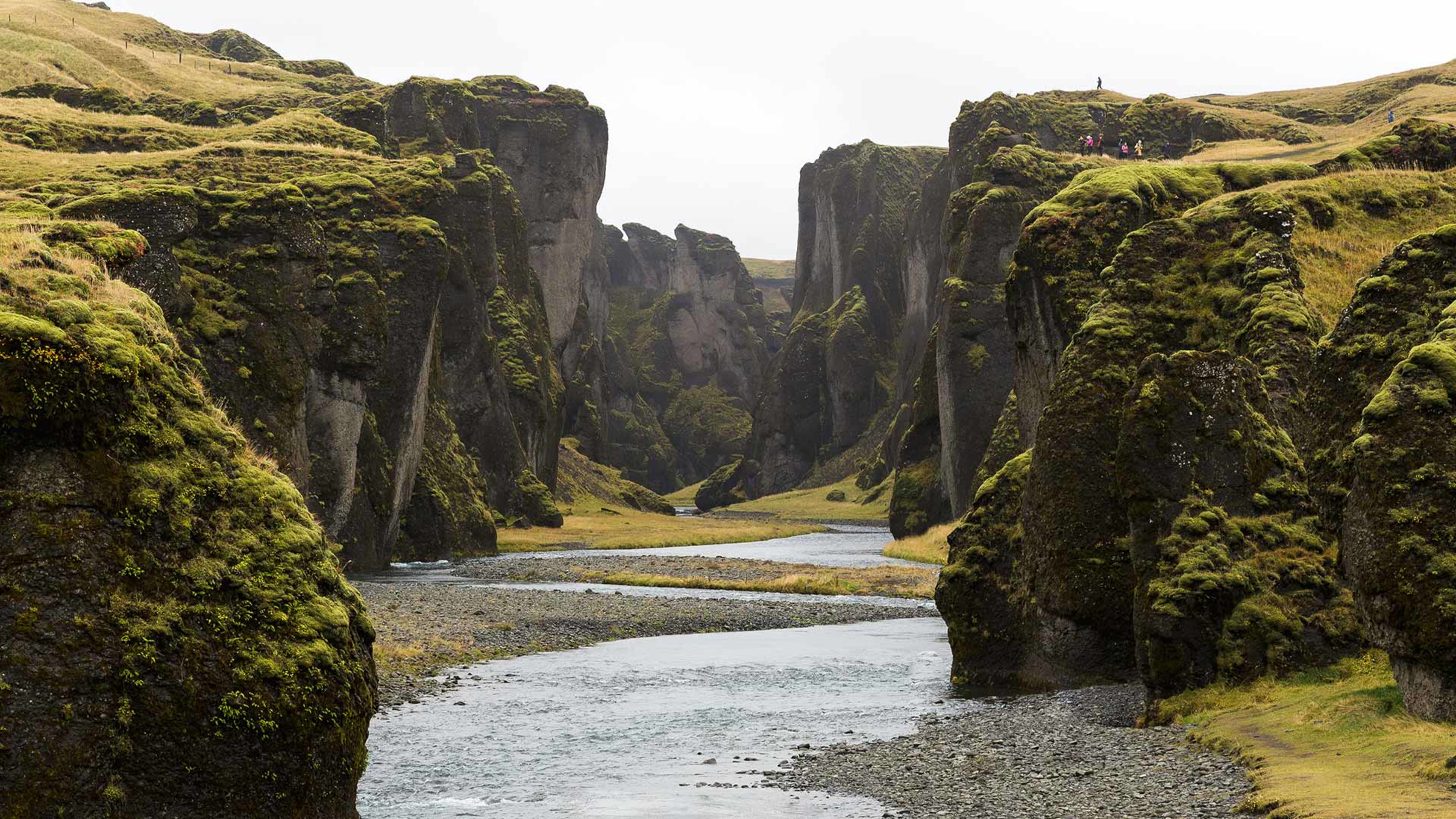
The Westfjords are the part of Iceland that most visitors never reach. The roads take longer, the fjords run deeper, and the settlements are further apart. This 11-day self-drive is built around giving the region the time it needs, with four nights in the Westfjords, a scenic ferry crossing from Snæfellsnes on the Baldur ferry, and stops at Látrabjarg, Dynjandi, Rauðisandur, and the remote Krossneslaug geothermal pool on the Strandir coast.
The route also takes in Snæfellsnes, the Vatnsnes Peninsula, and the Golden Circle before finishing in Reykjavík. All accommodation is pre-booked, the rental car comes with unlimited mileage and in-car Wi-Fi, and the Baldur ferry tickets are included. A Reykjavík-based team is on a 24/7 helpline throughout.
On this tour you will...
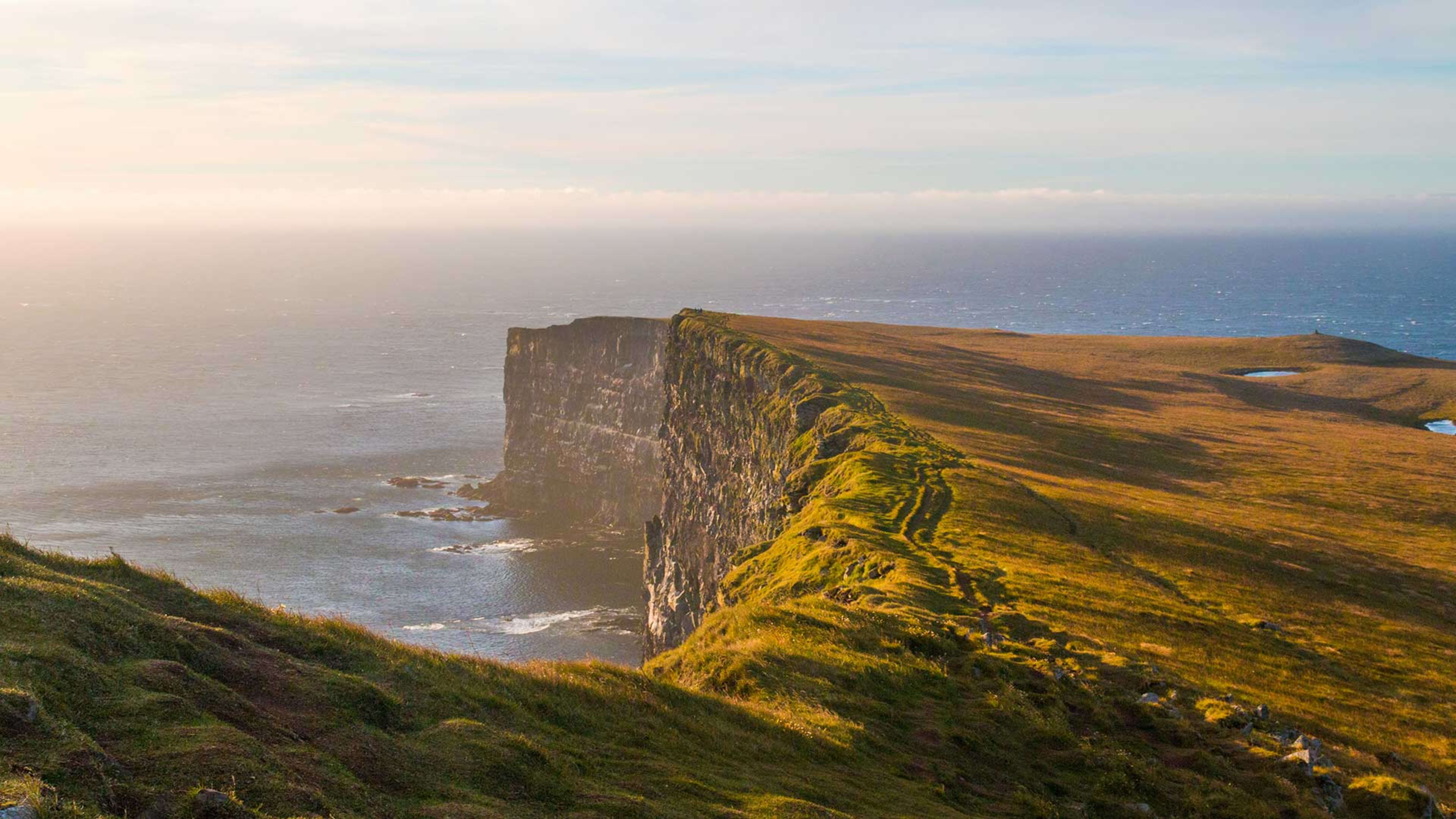
See puffins nesting at the Látrabjarg sea cliffs
Spot whales and Arctic foxes roaming free
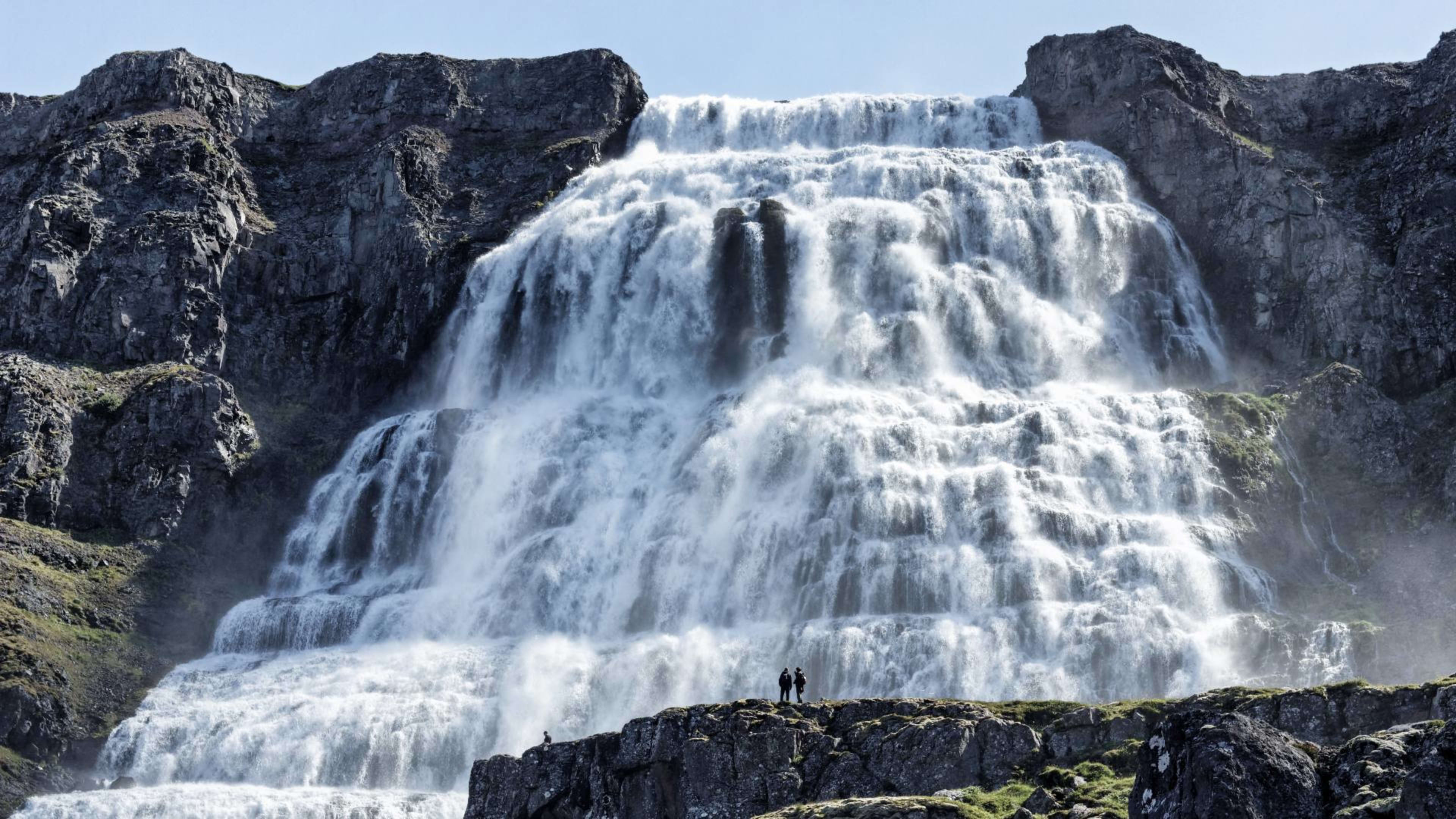
Admire beautiful multi-tiered waterfalls
Explore the diverse scenery of the Snæfellsnes peninsula
Cross the magnificent Breiðafjörður bay by ferry
Weave in and out of fjords, each with its own character
Top attractions

Dynjandi

Ísafjörður
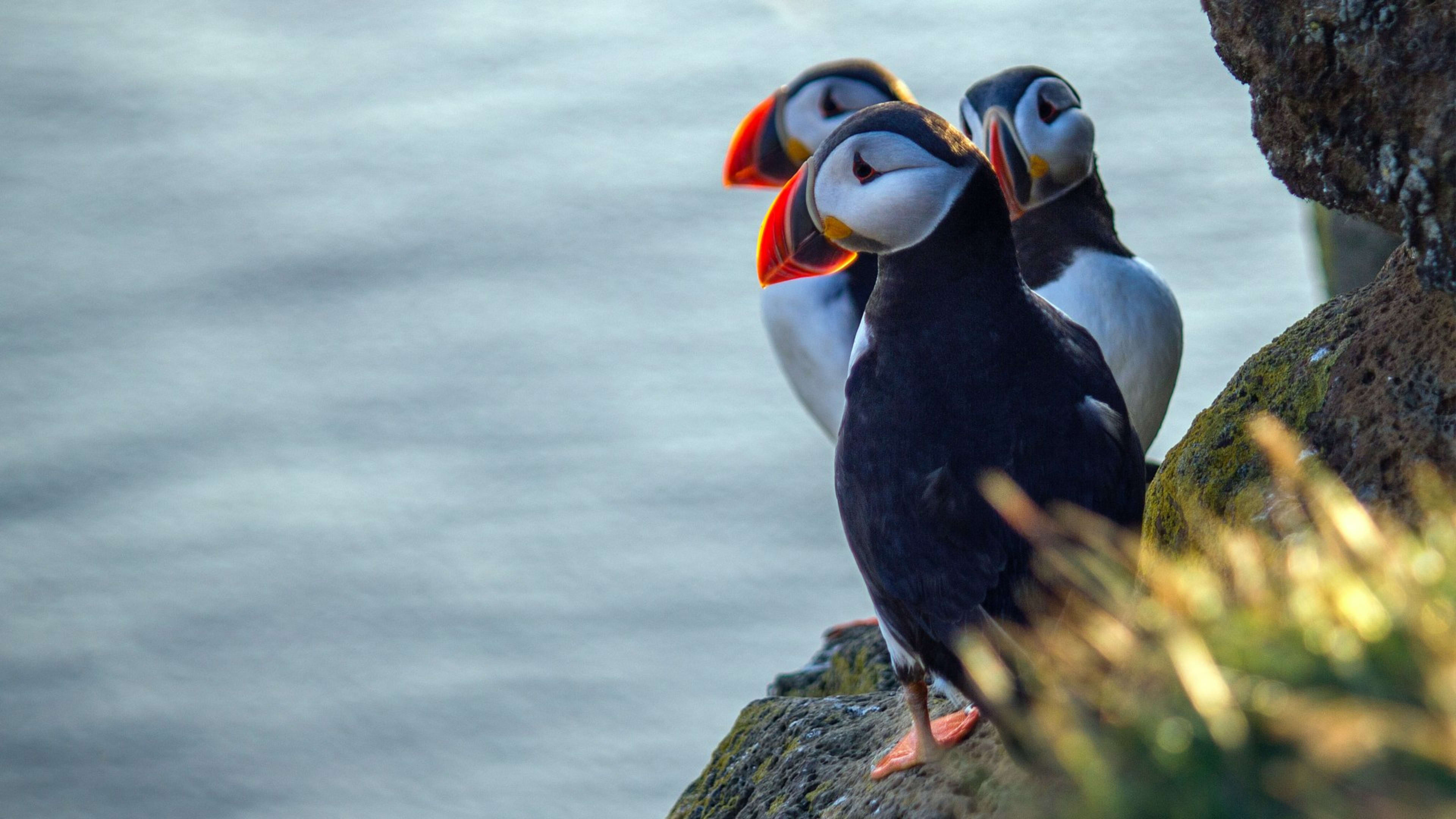
Látrabjarg
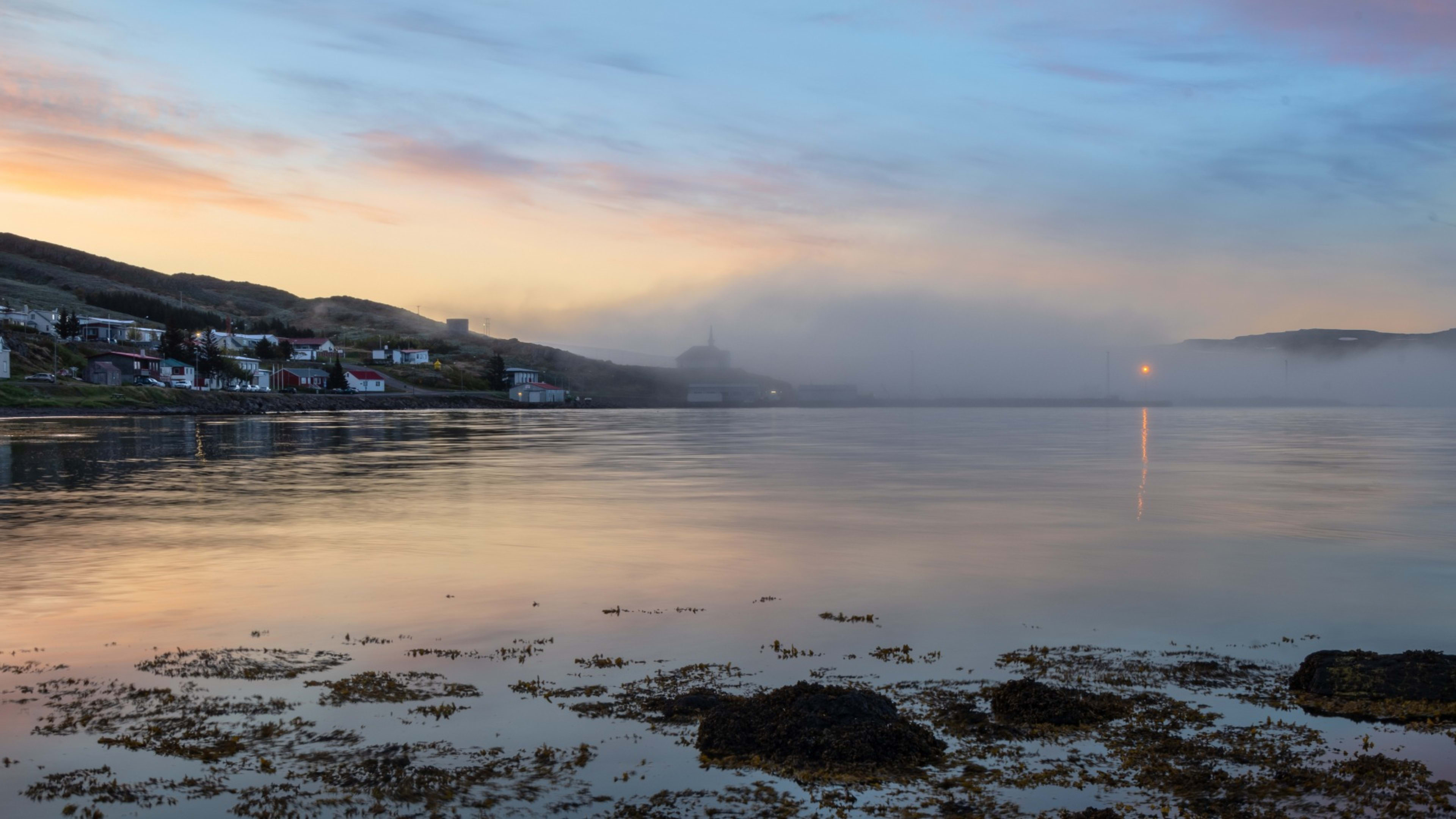
Hólmavík
Rauðisandur

Bolungarvík

Breiðafjörður bay

Djúpalónssandur
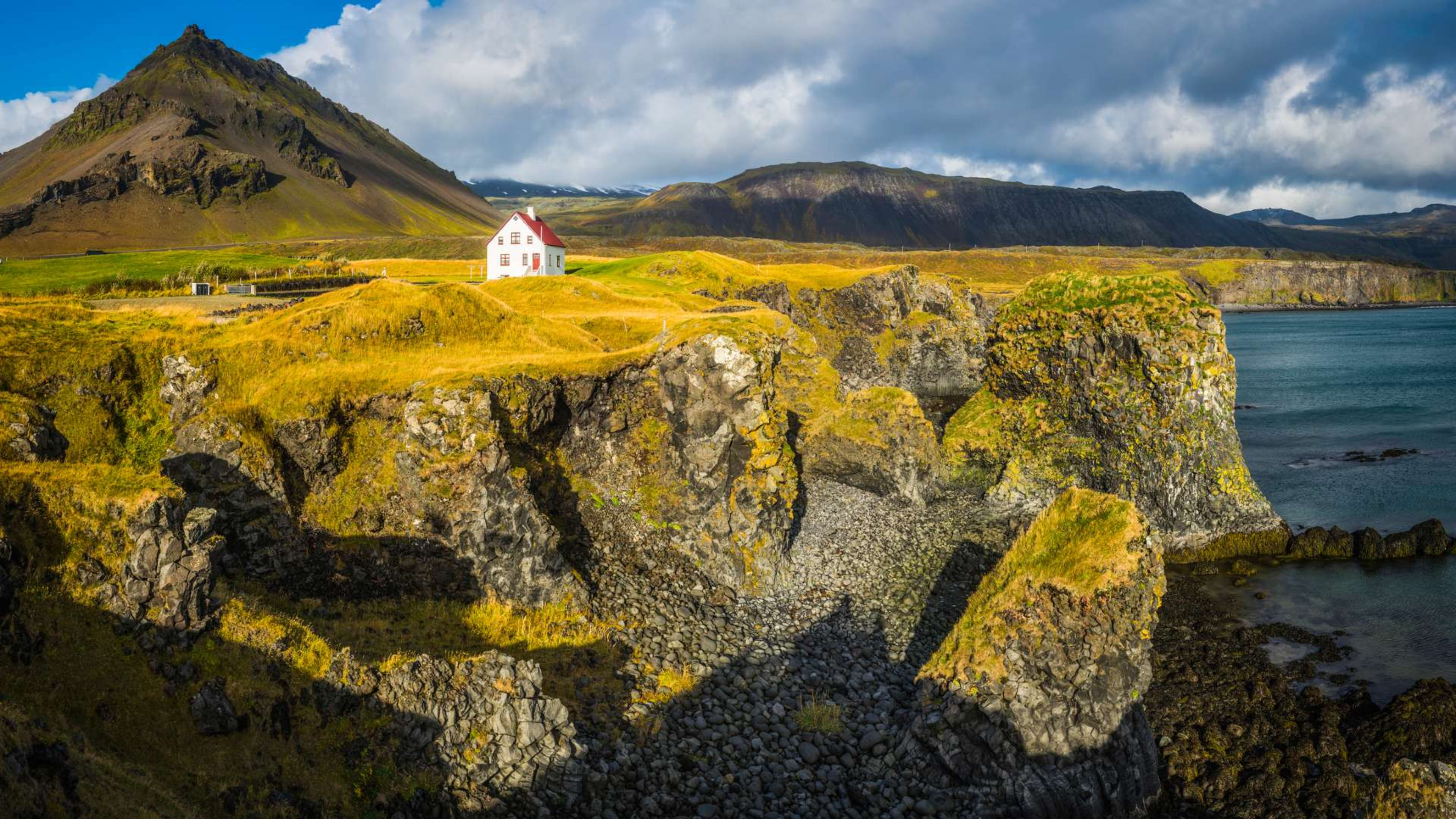
Arnarstapi

Þingvellir National Park
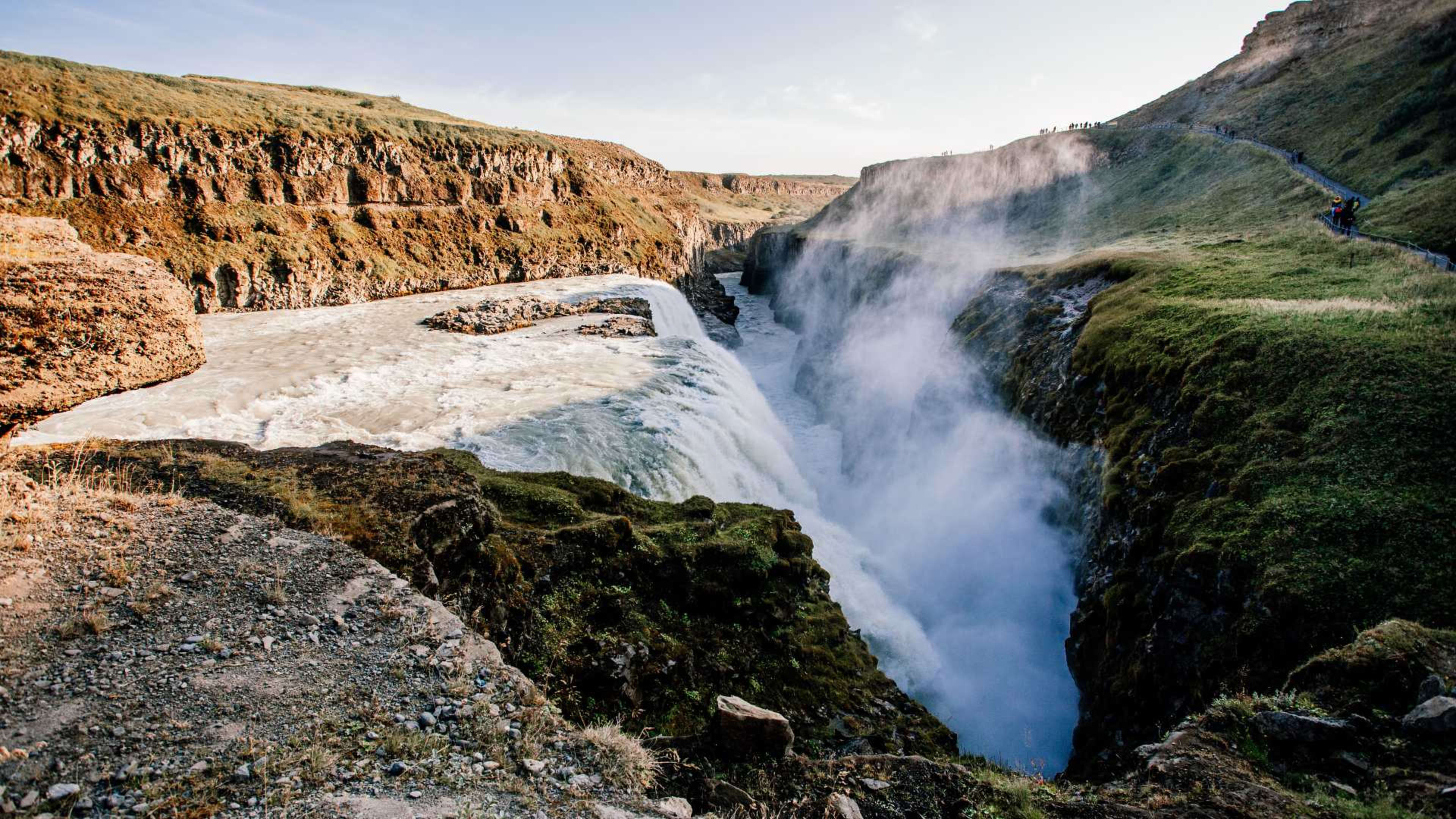
Gullfoss
Geysir and Strokkur

Deildartunguhver
Hraunfossar and Barnafoss

Downtown Reykjavík
Why book a self-drive trip with Iceland Tours?
Start your tour on the date that suits you
24/7 emergency helpline in Iceland
Secure your booking with just a 5% deposit
New rental cars with 2 drivers as standard
Handpicked local accommodation options
Best Price Guarantee
Your 11-day self-drive itinerary
Your Iceland trip starts at Keflavík Airport. After collecting your rental car from the arrivals hall, the drive to Reykjavík takes around 50 minutes through the lava fields of the Reykjanes Peninsula.
Tomorrow you head northwest toward Snæfellsnes and the ferry crossing into the Westfjords, so tonight is worth using well. The city centre, Hallgrímskirkja, and the waterfront are all within easy walking distance of most accommodation in the centre. The harbour area around the Old Harbour is a good spot for dinner, with several restaurants serving fresh fish from the boats that dock there.
Highlights
Downtown Reykjavík
Extra activities
 Extra
ExtraFlyOver Iceland
 Extra
ExtraSky Lagoon Saman Pass
 Extra
ExtraPuffin Watching
 Extra
ExtraLava Show Reykjavík
 Extra
ExtraClassic Whale Watching from Reykjavík
 Extra
ExtraThe Reykjavík Food Walk
 Extra
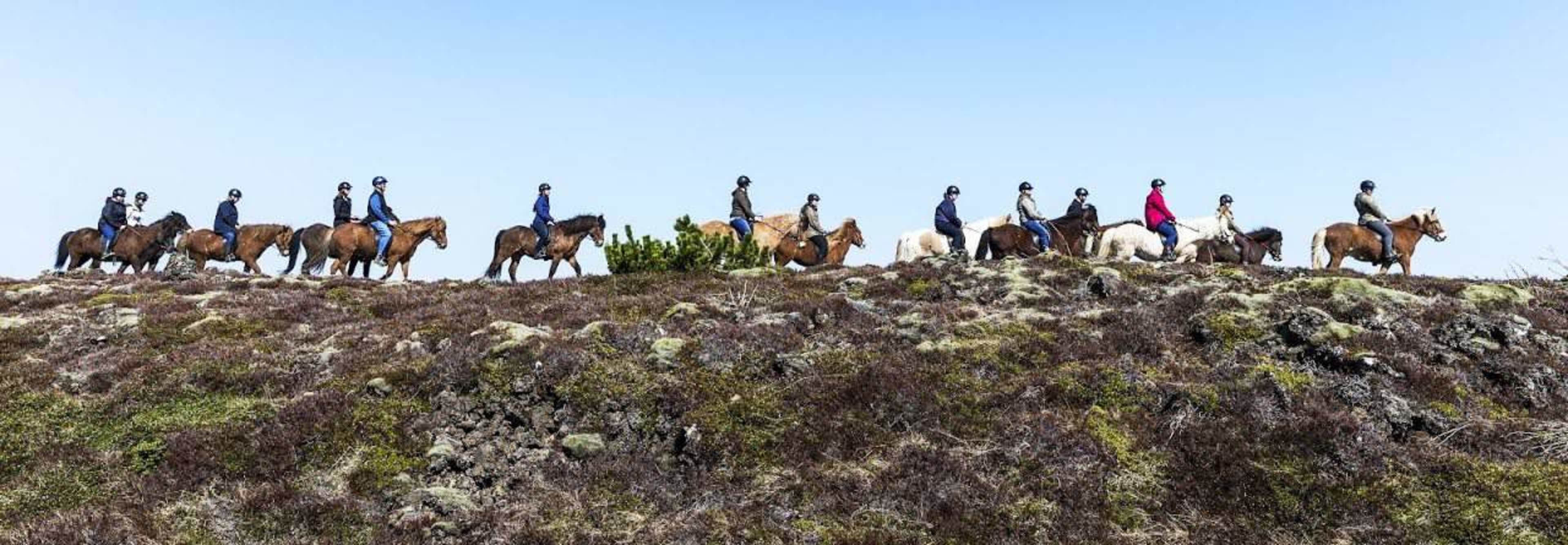
ExtraHorse Riding from Reykjavík
 Extra
ExtraInside the Volcano tour from Bláfjöll
Head northwest from Reykjavík onto the Snæfellsnes Peninsula. The landscape shifts quickly from farmland to lava fields and sea cliffs as you work your way along the southern shore and around the tip.
The Gerðuberg basalt columns are an easy roadside stop worth making. Arnarstapi has a coastal path toward Hellnar with sea arch formations and nesting birds along the cliffs. The black pebble beach at Djúpalónssandur has the rusted remains of a British trawler among the rocks and a set of old lifting stones used to test the fitness of prospective fishermen. The small black church at Búðir sits alone in a lava field with mountain and ocean behind it.
Continue to Stykkishólmur, the main town on the northern shore of the peninsula, where the Baldur ferry departs tomorrow morning. The harbour is attractive and there are good options for dinner in town. Snæfellsjökull glacier sits at the western tip of the peninsula throughout the day, the glacier-capped stratovolcano that inspired Jules Verne's Journey to the Center of the Earth. Spend the night in or near Stykkishólmur.
Board the Baldur ferry in Stykkishólmur for the crossing to the southern Westfjords. The journey takes around three hours and sails through Breiðafjörður Bay, past the hundreds of small islands that fill the water between the Snæfellsnes Peninsula and the Westfjords coast. Seals are often visible on rocky outcrops and seabirds are common throughout. Your rental car travels with you on the ferry.
The Westfjords feel different from the rest of Iceland as soon as you disembark. This is Iceland's oldest geological region, shaped by glaciers rather than volcanic activity, and the difference shows in the rounded mountains and the depth of the fjords. The roads are narrower and the driving slower, which is part of the point. Rauðisandur is one of the first stops, a beach whose sand is reddish and golden rather than black, formed from crushed shells rather than volcanic rock. The colour contrast with the surrounding landscape is striking. Explore more of the southern Westfjords before settling into your accommodation for the night.
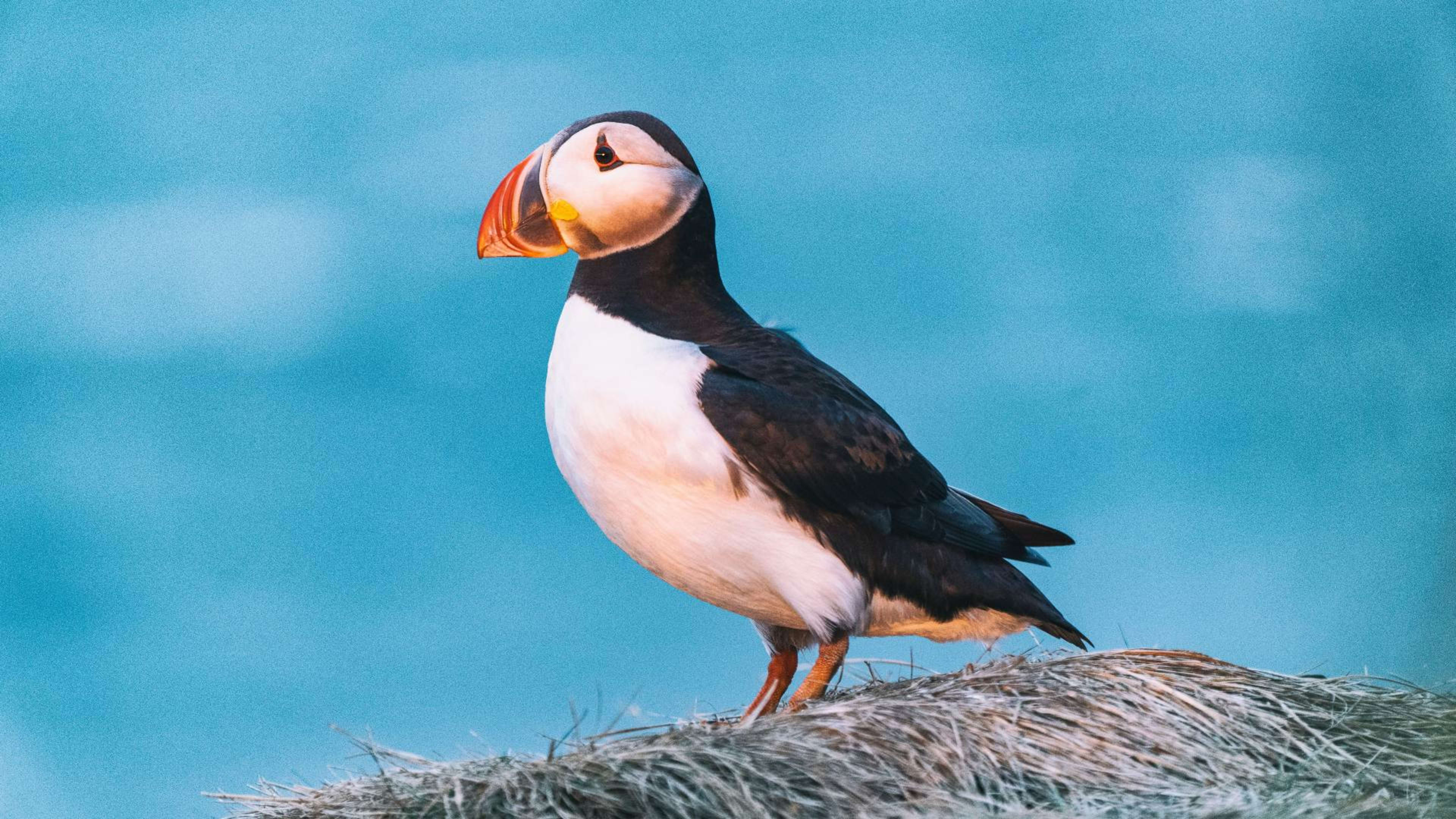
Drive to Látrabjarg, the westernmost point of Iceland and one of Europe's largest seabird cliffs. The cliffs run for 14 kilometres and rise to 441 metres above the Atlantic. Razorbills, guillemots, and fulmars nest here in large numbers during summer, but puffins are what most visitors come for. They nest on the grassy upper sections of the cliff and are notably unafraid of people, which makes close observation straightforward. The cliff edges are unstable in places, so stay on the marked paths.
On the way back from Látrabjarg, stop at Rauðisandur if you did not visit it yesterday, or spend more time there if you did. The beach is long and the light changes considerably through the day. The drive back through the southern Westfjords gives you more time with the fjord scenery before your second night in the area.
Drive north through the Westfjords toward Dynjandi. The roads wind along fjord edges and over mountain passes, and the pace is slower than on the Ring Road. The scenery is consistently engaging, with steep fjord walls dropping to the water and open heathland on the passes between them.
Dynjandi is the main stop of the day. The main drop falls 100 metres and fans out from 30 metres wide at the top to 60 metres at the base, giving it a shape unlike most other waterfalls in Iceland. Six smaller cascades run down the same hillside below it, and a path climbs alongside all of them. The name means thunderous in Icelandic.
Continue toward Ísafjörður, the largest town in the Westfjords and the regional hub. There are good restaurants and a well-stocked supermarket here if you want to stock up before the more remote stretches ahead. Spend the night near Ísafjörður.
Drive east from Ísafjörður along the fjords of Ísafjarðardjúp, the large fjord system that cuts deep into the Westfjords peninsula. The road follows the shoreline closely and the views across to the mountains on the far side are open and uninterrupted. Vigur Island sits in the fjord and is visible from this stretch, known for its eiderdown harvesting tradition.
The small settlement of Drangsnes has a set of seaside hot pots on the shoreline where you can soak with views across the water if you want to stop. Continue to Hólmavík, a small village on the Strandir coast. The Museum of Sorcery and Witchcraft here covers Iceland's history of magic trials in the seventeenth century, including the only woman executed for witchcraft in Iceland and the tradition of magical staves. It is a niche subject but the museum handles it well. Spend the night in the Hólmavík area.
Drive north along the Strandir coast toward Krossneslaug, a geothermal pool at the end of the road on the eastern shore of the Westfjords. The pool sits at the edge of the ocean with mountains behind it and open water in front. There is no facility block or infrastructure beyond the pool itself. It is one of the more isolated geothermal bathing spots in Iceland and worth the drive.
On the way back south, stop at Djúpavík. The village was a herring processing centre in the early twentieth century and is now largely abandoned, though a small hotel operates in the old factory building. The rusted remains of the processing plant are still standing and give a clear picture of the scale of the herring industry that once supported communities throughout the Westfjords before the stocks collapsed. Return to your accommodation in the Hólmavík area for a second night.
Leave the Westfjords behind and drive southeast toward the Vatnsnes Peninsula in Húnaflói bay. The peninsula has one of Iceland's largest seal populations and the animals are commonly seen resting on rocks along the shore throughout the day. Several pull-off points along the coastal road give good sightlines without disturbing them.
Hvítserkur, a 15-metre basalt sea stack near the northern tip of the peninsula, rises from the water and is accessible from a short path down to the beach. Borgarvirki, a natural volcanic plug that was used as a fortified refuge in the medieval period, is a short walk from the road and gives a wide view over the surrounding farmland and coast from the top. Continue to your accommodation in the Hvammstangi or Hrútafjörður area for the night.
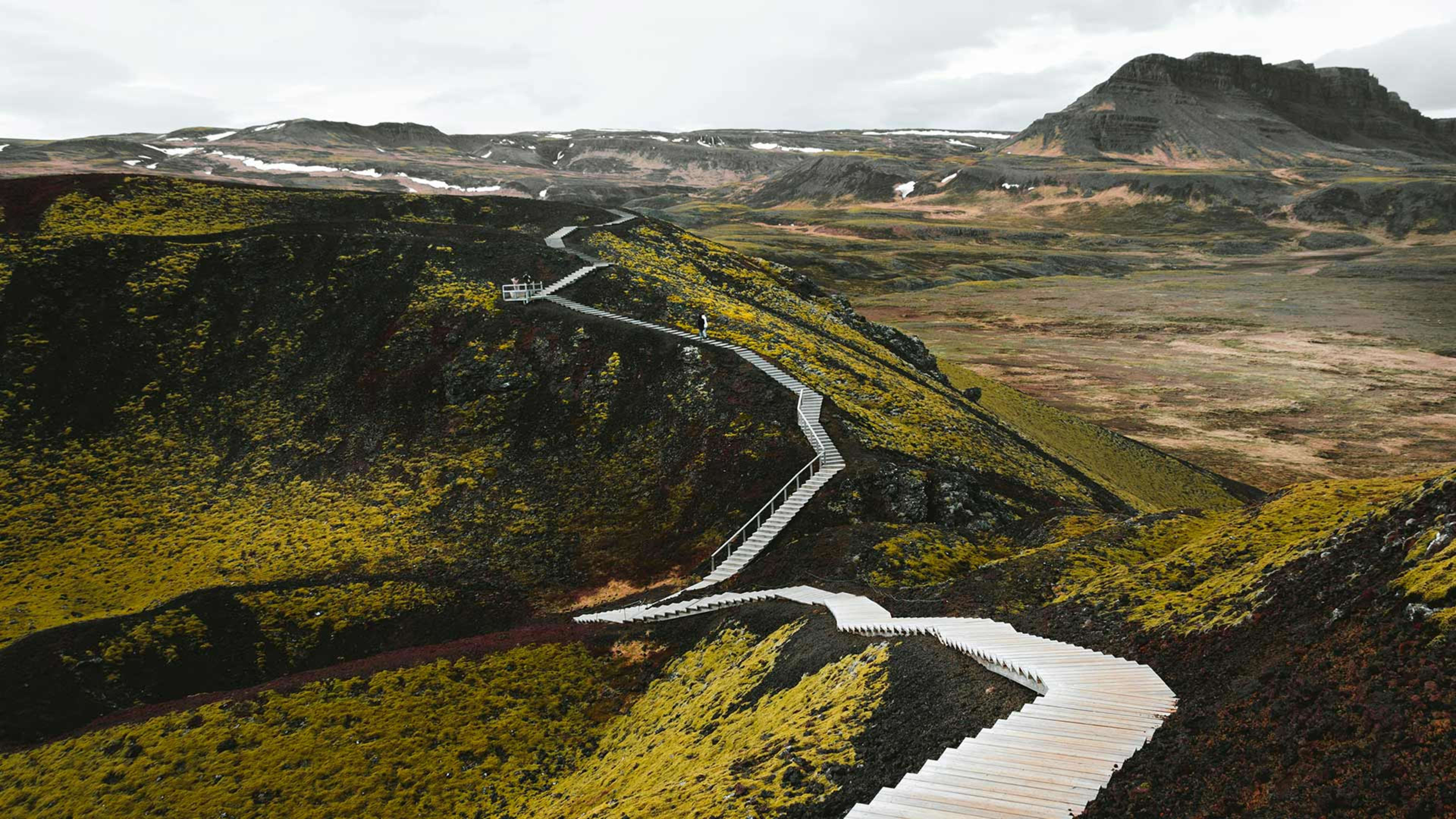
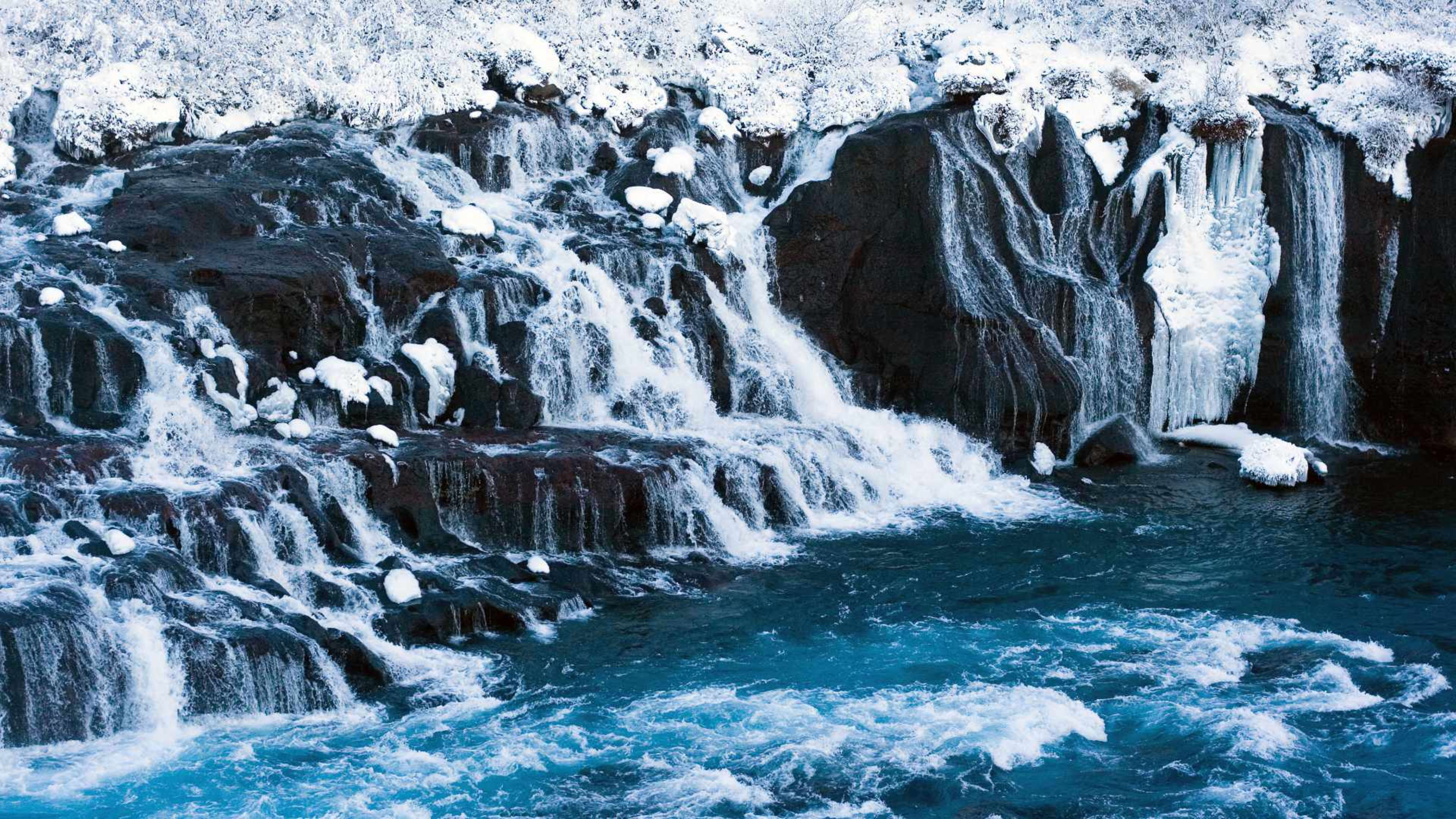
Drive south through the Borgarfjörður region, stopping at Grábrók crater on the way. The walk to the rim is short and the view over the surrounding lava fields and farmland is worth it. Deildartunguhver, Europe's highest-flow geothermal spring, produces 180 litres of boiling water per second and sits just off the main road. Hraunfossar filters through a lava field directly into the river below rather than falling from a cliff, and Barnafoss rushes through a narrow gorge a short walk away.
Continue south to Þingvellir National Park, a UNESCO World Heritage Site where the North American and Eurasian tectonic plates meet and Iceland's parliament, the Alþing, was established in 930 AD. The Almannagjá rift runs through the park and the Silfra fissure, where the plates diverge underwater, is one of the few places in the world where you can snorkel or dive between two tectonic plates. Spend the night near Þingvellir or in the Laugarvatn area.
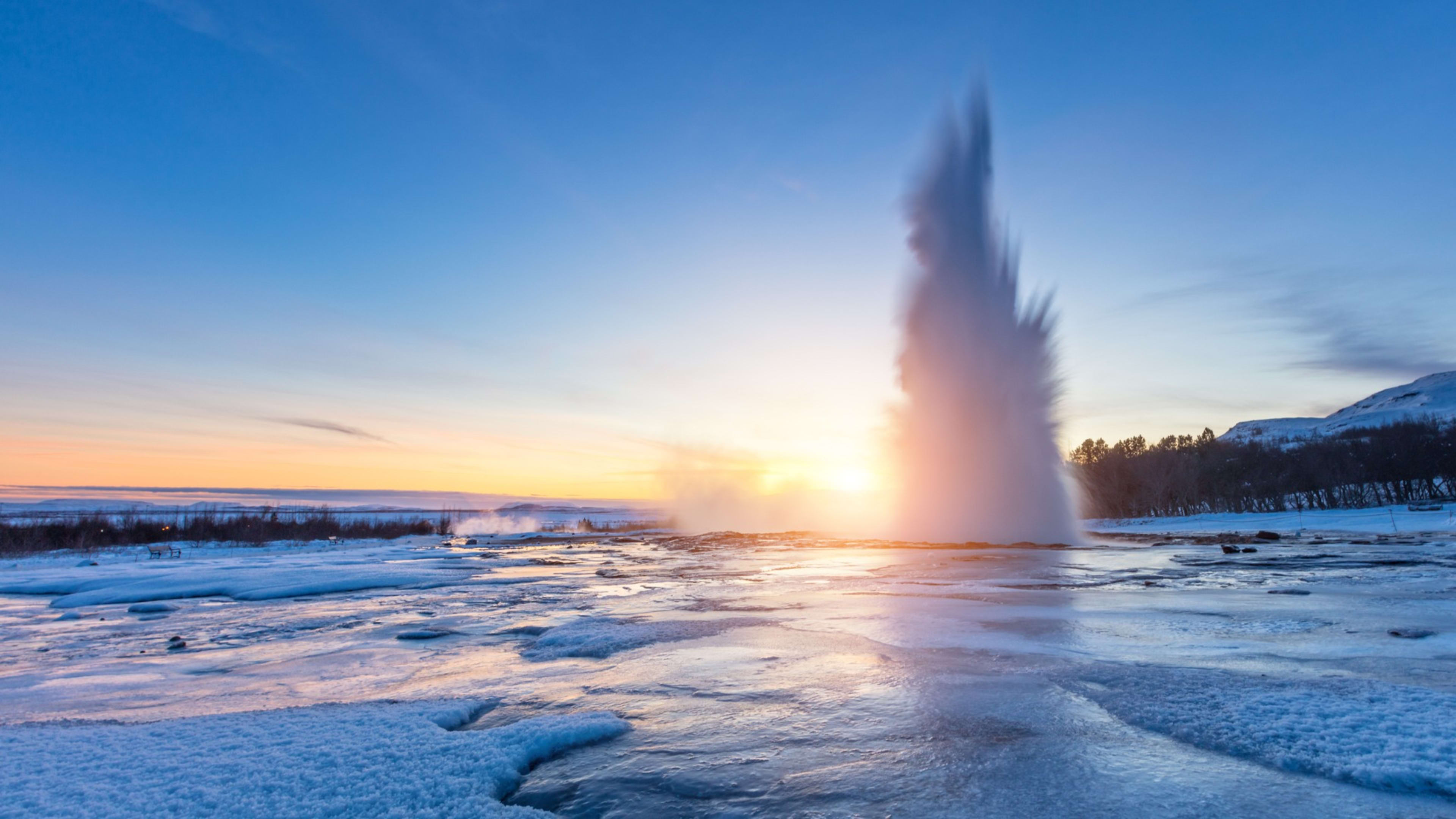
Drive to the Geysir geothermal area in the Haukadalur valley. Strokkur erupts every 6 to 10 minutes, sending water 20 to 40 metres into the air. The Great Geysir, which gave its name to all geysers, has been dormant since 2003.
Continue to Gullfoss, where the Hvítá river drops in two stages into a canyon running at a right angle to the falls. The volume of water and the spray it generates make it one of the more physically impressive waterfalls in Iceland. Return to Reykjavík for your final night. If you have energy left, the city's restaurant scene along Laugavegur is worth exploring before departure tomorrow.
Depending on your flight time, you may have a few hours in Reykjavík before heading to the airport. The drive to Keflavík Airport takes around 50 minutes from the city centre. Return your rental car at the airport or, if you arranged city pickup, follow the drop-off instructions in your travel documents.
What’s included?
Detailed itinerary
Comfort or Quality accommodation every night
Continental breakfast every day
Rental car of your choice for 10 days
2 authorized drivers as standard
Unlimited mileage
Unlimited in-car Wi-Fi
Collision damage waiver
Tickets for Baldur ferry to Westfjords
24/7 emergency helpline when you’re in Iceland
Carbon offsetting of your tour
VAT, taxes & service fees (ex. Road Tax)
Flights to Iceland
Fuel & parking charges
Food & drink, unless otherwise stated
Attraction entrance fees, unless otherwise stated
Personal travel insurance
Iceland Road Tax
Customer reviews
Read what real customers had to say about Westfjords & Golden Circle Iceland Self-Drive Tour - 11 Days.
FAQs about our self-drive trips
On a self-drive trip with Iceland Tours, everything is pre-arranged before you arrive. Your rental car, accommodation, and any booked activities are confirmed in advance, so when you land at Keflíavík Airport you can collect your keys and get on the road without any logistics left to sort out. All you need to manage is your own time each day.
Every trip comes with a detailed day-by-day itinerary created by our Reykjavík-based travel team, giving you a clear route, suggested stops, and things to do and see at each stage. You can follow it closely or adapt it as you go. The important thing is staying within reasonable distance of your accommodation each night, which is already booked for you throughout the trip.
Every car also comes with a portable Wi-Fi device (Mi-Fi), so navigation and staying connected are both covered from day one. If anything comes up during your trip, a 24/7 emergency helpline staffed by our local Reykjavík team is available throughout your journey. You can explore our full range of Iceland self-drive tours to find the right length and route for your trip, or read more about how car rental in Iceland works before you book.
Booking at least a few weeks before your travel date gives us enough time to confirm your preferred accommodation and finalize your itinerary. We are unable to accept bookings with less than one week’s notice.
For summer travel between June and August, booking several months ahead is strongly recommended. Accommodation in rural areas fills up quickly during peak season, and popular activity add-ons like glacier walks and whale watching can sell out well in advance. Booking early also lets you lock in your preferred car type and accommodation tier before availability narrows.
You only need a 5% deposit to secure your trip, with the balance due closer to your departure date. This low-deposit model means you can confirm your plans early without a large upfront commitment. If your plans change, our cancellation policy offers up to a 95% refund up to five days before arrival, with the retained 5% converted into a long-valid travel credit you can use on a future booking. See our how to book with us page for full details.
Most international driving licenses are accepted in Iceland. You need to be at least 20 years old to rent a standard car, or 23 years old for larger vehicles like 4x4s and vans, and you must have held a valid license for at least one year. You will also need to present a credit card in the main renter’s name when collecting your vehicle.
An International Driving Permit is only required if your license is not in Latin script, for example if it is in Arabic or Chinese characters. If you are unsure whether your license qualifies, our team is happy to advise before you book.
Iceland drives on the right, with speed limits and distances in kilometers. Roundabouts are common, especially around towns, and in rural areas you may encounter single-lane bridges, gravel roads, and sheep on the road. Our detailed itinerary includes route guidance for each day, and the portable Wi-Fi device means you can use live navigation throughout the trip. For a full overview of what to expect behind the wheel, see our guide to driving in Iceland and our page on car rental in Iceland.
Yes. Every self-drive trip can be extended with additional nights in Reykjavík or elsewhere along the route. If you have a particular interest or a region you want to spend more time in, we recommend getting in touch with our travel team before you book. This way we can advise on what’s possible, flag any additional costs, and make sure your preferences are built into the booking from the start. This means a smoother process and no amendment fees down the line.
The itinerary itself provides a well-tested route and daily plan, but the self-drive format gives you genuine flexibility to adjust your pace, linger at stops you enjoy, or take side routes as conditions allow. The structure handles the logistics so the day-to-day decisions remain yours.
If you are looking at a range of itinerary lengths or want to compare what is covered across different trips, you can browse the full Iceland self-drive tour collection or get in touch with our Reykjavík-based team through the contact page to talk through your options.
Optional activities are available to add during the booking process, and you will be shown exactly what is on offer for each day of your trip at checkout. Popular additions include glacier walks, whale watching, ice cave tours, lava cave explorations, horseback riding, and geothermal spa visits.
Adding activities through Iceland Tours at the time of booking means everything is coordinated with your itinerary and accommodation in advance, rather than arranging things independently on arrival. This is particularly worth considering for activities that require guides or have limited availability, since spots can fill up during peak season.
If you would like more activities built directly into the itinerary rather than added as extras, our 10-Day Active Ring Road & Snæfellsnes Self-Drive is structured with more activity inclusions as standard. You can also read more about planning your trip on our Iceland travel guide.
Iceland drives on the right, with steering wheels on the left side of the car. Speed limits are posted in kilometers per hour. The rules of the road broadly follow European conventions, but there are a few things worth knowing before you set off.
Roundabouts are very common throughout Iceland, particularly in and around towns. Traffic already in the roundabout has right of way, and if you are in the inner lane of a multi-lane roundabout, you also have priority over vehicles in the outer lane. In rural areas, you may encounter one-lane bridges, blind hill crests, and gravel roads on some secondary routes.
During summer, sheep roam freely and often wander onto the road, so be prepared to slow down and give way when you encounter them. In East Iceland during winter, you may also encounter reindeer. Your trip comes with a portable Wi-Fi device for navigation, and our detailed itinerary notes specific things to watch for on each leg of the route.
If you are planning a winter trip, our local team monitors road and weather conditions and is reachable 24/7. For a comprehensive overview of driving conditions, road types, and seasonal considerations, see our guide to driving in Iceland.
One good thing to know is that some attractions in the Westfjords are only accessible via gravel roads. These are generally not a problem, but you should drive more slowly and look out for potholes.
You might find it easier to navigate the gravel roads in a larger car such as a jeep. That way you’ll be higher up off the road for a better view, and will have better suspension for a more comfortable ride.
- See what kind of rental cars are available in Iceland.
- Get the lowdown on driving with our ultimate guide to renting a car in Iceland.
Once you have paid your deposit, we begin finalizing your accommodation, rental car, and any booked activities. As soon as confirmation is received from all partners, we will email you to let you know your travel documents are ready to access in our booking portal.
We aim to have everything confirmed within a few weeks of receiving your booking. During busy periods this may take a little longer, but you will always receive your complete documents before your departure date. Your documents include your full day-by-day itinerary, accommodation details, rental car pickup information, and contact details for our 24/7 in-Iceland helpline.
If you have questions about your booking at any point before your trip, you can reach our Reykjavík-based team through the contact page. Iceland Tours has been organizing Iceland trips for over 40 years, and our local team is available to help with any questions about your itinerary or preparations.
Your rental car can be collected from the arrivals hall at Keflavík International Airport. Your travel documents will confirm the name of the car rental company and advise you to proceed to their service desk in the arrivals hall. Have your driver’s license and credit card in the main renter’s name ready when you arrive.
Rental car desks at Keflavík operate at different hours depending on the provider. If your flight arrives outside standard desk hours, the rental company will typically have made arrangements given your expected arrival time. Your travel documents will include a contact number if you need assistance on arrival.
Your car comes with unlimited mileage, collision damage waiver, and authorization for a second driver as standard, along with the portable Wi-Fi device included with every trip. If you are planning to spend extra days in Reykjavík before your self-drive begins, you also have the option to collect your car from the city rather than the airport. See question 9 for details.
Yes. If you prefer to pick up your rental car in Reykjavík rather than at Keflíavík Airport, simply let us know in the special requests field during checkout and we will arrange it for you.
This is a practical option if you are arriving early and want to spend time in the city before your self-drive itinerary begins. Reykjavík has a lot worth exploring, from the iconic Hallgrímskirkja church and the waterfront Harpa concert hall to the city’s well-regarded restaurant scene. Our downtown Reykjavík and Reykjavík attraction pages are a useful starting point for planning those extra days.
If you request different pick-up and drop-off locations, for example collecting in the city and returning at the airport or vice versa, a one-way fee of around ISK 7,900 (approximately EUR 60) applies. This is paid directly to the rental company when you collect the car.
Every Iceland Tours self-drive package includes the following as standard: a rental car of your choice with unlimited mileage, collision damage waiver, authorization for a second driver, and a portable Wi-Fi device. Accommodation at your chosen level is booked for every night of the trip, and continental breakfast is included daily.
You also receive a detailed day-by-day itinerary built by our local travel experts, along with access to a 24/7 emergency helpline staffed by our Reykjavík-based team throughout your trip. Carbon offsetting of your tour is included, and all VAT, taxes, and service fees are covered.
What is not included: international flights, fuel and parking, personal travel insurance, the Iceland Road Tax (a small charge collected at pickup), food and drink beyond breakfast, and attraction entrance fees unless otherwise stated on your specific tour page.
Iceland Tours has been organizing self-drive trips in Iceland for over 40 years and is Travelife-certified for sustainable operations. When you book a package with us rather than piecing together a trip independently, every element of the logistics is handled in advance by people who know the country well, so you can focus on the trip itself.
See our accommodation page and car rental page for more detail on what is available at each level, and visit our why book with us page for a full overview of what sets Iceland Tours apart.
When you book a self-drive package with Iceland Tours, you choose from three accommodation levels: Budget, Comfort, or Quality. All three include continental breakfast every day.
Budget accommodation is guesthouses and country hotels with shared bathrooms, a practical and affordable choice that still puts you in well-located, locally run properties.
Comfort moves to a selection of hotels, guesthouses, and country and farmhotels with private bathrooms, offering a comfortable step up in quality and facilities.
Quality represents the best available accommodation in each area from our selection. This typically means four-star hotels or superior rooms at three-star properties, though in more remote parts of Iceland, where the options are naturally more limited, it means the highest-quality property available in that location. Breakfast is included at all levels.
All accommodations are handpicked by our team and pre-booked before your trip begins. In rural Iceland, accommodation options are more limited than in the cities, which is one of the reasons booking ahead matters. Securing your places early as part of a package means you are not left searching for availability in remote areas during peak season. For travelers who prefer something closer to nature, we also offer Iceland self-drive camping tours. Read more about all accommodation options on our accommodation in Iceland page.
Iceland’s weather can change quickly regardless of the time of year, so packing for multiple conditions is the right approach even in summer. The essentials are: waterproof walking boots, waterproof trousers, thermal underlayers, fleeces or warm sweaters, a waterproof rain jacket, a warm outer jacket, and a hat, scarf, and gloves. Sunglasses are useful year-round. Swimwear is worth packing since hot springs and geothermal pools appear throughout the country, and lip balm and moisturizer will be appreciated given the wind.
For practical self-drive needs, your car comes with a portable Wi-Fi device so a phone mount for navigation is useful. A portable power bank is handy for longer days out. If you are visiting in winter, ice scrapers are typically provided with the car, but dressing in proper thermal layers for time spent outside makes a real difference.
For a full seasonal packing guide covering everything from summer hiking to winter driving, see our Iceland packing list. The Iceland in winter guide and our Iceland winter weather and packing article are also useful if you are traveling in the colder months.
Carbon offsetting is already included as standard with every Iceland Tours package. We have partnered with an environmental fund in Iceland to cover the carbon footprint of the tour itself, so there is nothing extra you need to do or pay.
Iceland Tours is Travelife-certified, meaning our operations are independently assessed against sustainability standards covering environmental, social, and supply chain criteria. This certification reflects a commitment to responsible travel that goes beyond carbon offsetting, including how we select local accommodation and activity partners.
Carbon offsetting for international flights to and from Iceland is not included in the tour package, but your airline may offer offset options at the time of booking, or you can arrange this through a local or national environmental fund. For more on how we approach sustainable travel, see our sustainability policy and our article on responsible and sustainable travel in Iceland.
Not strictly, but a vehicle with good ground clearance is worth considering. The Westfjords roads are a mix of tarmac and gravel, and some of the more remote stretches, particularly on the way to Krossneslaug and Látrabjarg, involve rougher surfaces. A standard car can manage most of the route in summer conditions, but a larger vehicle handles the gravel and potholes more comfortably. When you book, our team can advise on the best car type for your travel dates and planned stops.
Tickets for the Baldur ferry from Stykkishólmur to the southern Westfjords are included in your package. The crossing takes around three hours and your rental car travels with you on the vehicle deck. The ferry runs across Breiðafjörður Bay and is the most practical way to access the Westfjords from the south, saving a long drive around the northern coast. Your travel documents will confirm the departure time and any check-in instructions for the ferry terminal.
Puffins are present at Látrabjarg from late April through August, with June and July being the peak nesting period when numbers are highest and the birds are most active around the cliff edges. This tour operates from May through September, so most departure dates fall within the puffin season. If seeing puffins is a priority, booking for June or July gives you the best chance. By late August the birds begin to leave, though they are still present in reduced numbers through most of the month.
Krossneslaug is a small geothermal pool on the Strandir coast at the end of a road that goes no further. It sits at the edge of the ocean with open water in front and mountains behind, with no nearby facilities. The drive from Hólmavík takes around an hour each way on a road that becomes progressively quieter as you head north. It is one of the more isolated bathing spots in Iceland and the combination of warm water and the surrounding landscape is unlike anything else on this itinerary. Swimwear and a towel are all you need.
The Westfjords roads are slower and more demanding than the Ring Road. Many of the roads follow the shoreline of individual fjords, which means the route into and out of each fjord adds significant distance compared to what looks like a short journey on a map. Gravel sections are common, particularly in the more remote areas, and some roads are single-lane. Daily driving distances in the Westfjords are shorter than on Ring Road days, but the time on the road is similar. The scenery throughout makes the pace feel appropriate rather than frustrating.
The 12-day Ring Road and Westfjords tour completes the full Ring Road circuit before entering the Westfjords by ferry. This 11-day tour does not include the Ring Road and spends more of its time in the Westfjords and on the western side of Iceland, including the Strandir coast and Krossneslaug, which the 12-day tour does not cover. If the Westfjords are the main reason you are coming to Iceland, this tour gives them more space. If you want the full Ring Road experience plus a Westfjords section, the 12-day tour is the better fit.
Arctic foxes are found throughout Iceland but are more commonly seen in the Westfjords than anywhere else in the country, partly because the region is less disturbed by human activity. The Melrakkasetur, Iceland's Arctic Fox Centre, is located in Súðavík near Ísafjörður and is worth a visit if you want to learn more about the species and its behaviour. Sightings in the wild are not guaranteed but are more likely in the Westfjords than on the Ring Road, particularly in more remote areas away from main roads.
Accommodation in the Westfjords is more limited than in other parts of Iceland, which is one of the reasons booking a package in advance matters here. Options include small guesthouses, country hotels, and farm stays, most of which are locally run and include breakfast. The standard is generally good, though the range is narrower than in Reykjavík or along the Ring Road. Your package includes Comfort or Quality accommodation throughout, pre-booked before your trip begins so availability is confirmed before you travel.