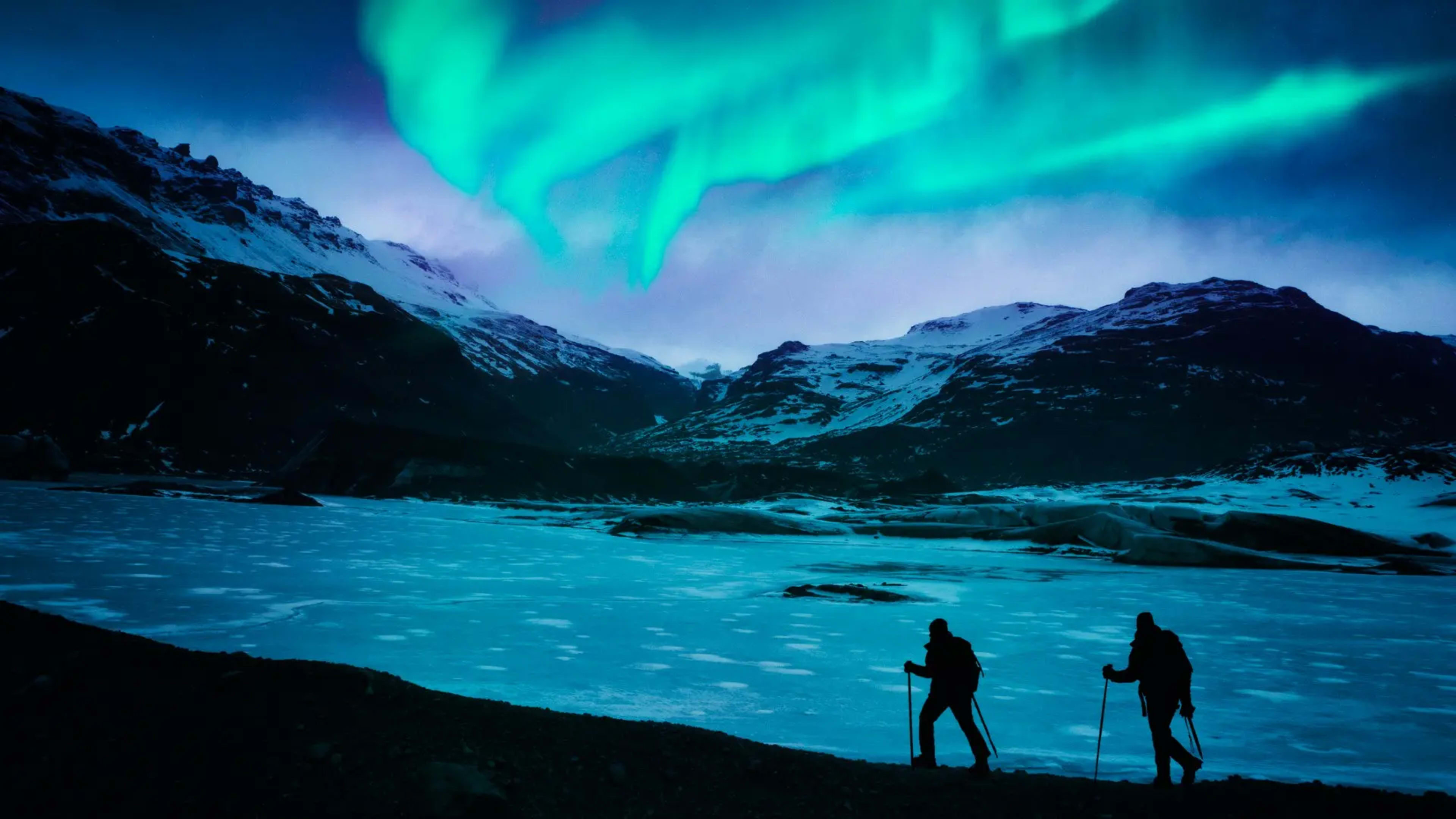

Winter is one of the most rewarding times to visit Iceland. The Northern Lights are visible on clear nights between October and March, ice caves inside Vatnajökull glacier open for guided tours, and the south coast waterfalls take on a completely different character under snow and ice.
Four days is enough time to cover the main highlights from Reykjavík, including the South Coast, the Golden Circle, and at least one attempt at seeing the Northern Lights. This guide covers a practical day-by-day itinerary and what to expect at each stop.
- Check out these Iceland winter vacation packages.

Winter also brings Iceland Airwaves and Sónar Reykjavík, two music festivals held annually in the capital that attract international acts. If your dates align with either festival, it is worth building your trip around them and treating the outdoor attractions as day trips between events.
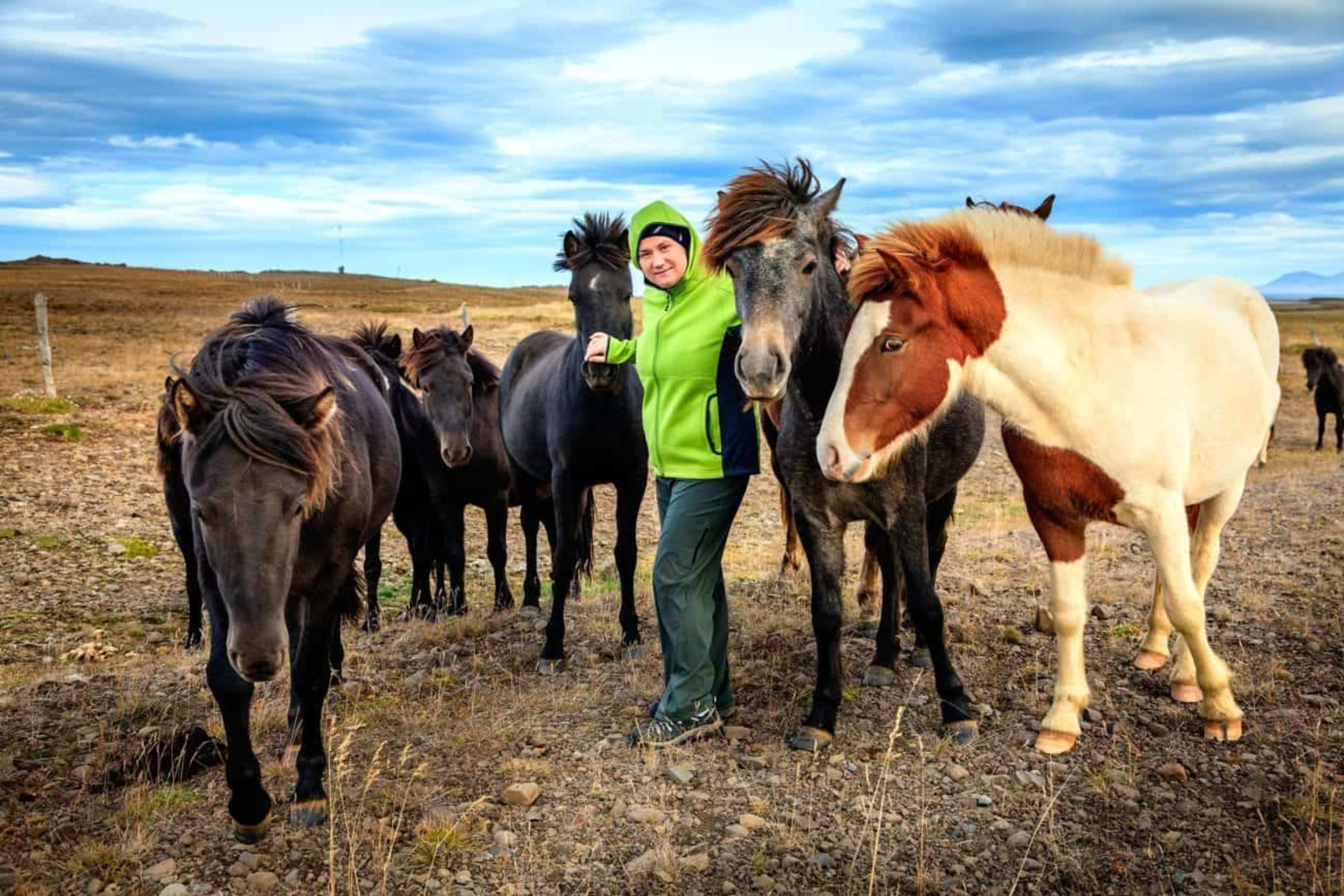
Icelandic horses grow a thick winter coat between October and April. If you are interested in horseback riding, winter tours operate year-round and the horses are well adapted to cold conditions. Their unique gait, the tölt, produces a smooth ride at any time of year.

Here's what four days in Iceland in winter could look like:
- See the Northern Lights on a clear night
- Visit the South Coast waterfalls
- Explore the Golden Circle
- Go inside a glacier ice cave
- Soak in a geothermal pool
- Stroll around downtown Reykjavík
- Visit Harpa Concert Hall
Day 1 - Blue Lagoon, Reykjavík, and a Northern Lights tour
On arrival at Keflavík Airport you can collect a pre-booked rental car, take the transfer shuttle to Reykjavík, or arrange a taxi. The shuttle is the most cost-effective option if you are not picking up a car on arrival.
Between the airport and Reykjavík, the Blue Lagoon is a practical first stop. It is around 20 minutes from the airport and the warm geothermal water is a reasonable way to recover from a long flight. Book in advance as timed entry slots fill up quickly, particularly in the peak winter season. If you miss it on arrival, the Blue Lagoon also works well as a stop on your departure day.

Book a Northern Lights tour for your first evening before you arrive. The more evenings you attempt it, the better your chances. Tours operate by super jeep, boat, and minibus depending on the operator. Most reputable tour companies offer a free repeat excursion if the aurora does not appear on the first attempt.
If your Northern Lights tour is cancelled due to cloud cover, Harpa Concert Hall in downtown Reykjavík is worth a visit in the evening. The glass facade is lit from inside and the light installation by artist Ólafur Elíasson creates a distinctive reflection across the harbour front. The English-language comedy show How to Become Icelandic in 60 Minutes runs at Harpa and offers an entertaining introduction to Icelandic culture and habits.

Day 2 - The South Coast
Check the weather forecast before setting out. If conditions are poor, consider moving the South Coast day and substituting a lava tunnel tour instead. Raufarhólshellir is one of the most accessible options and the cave environment is unaffected by surface weather.

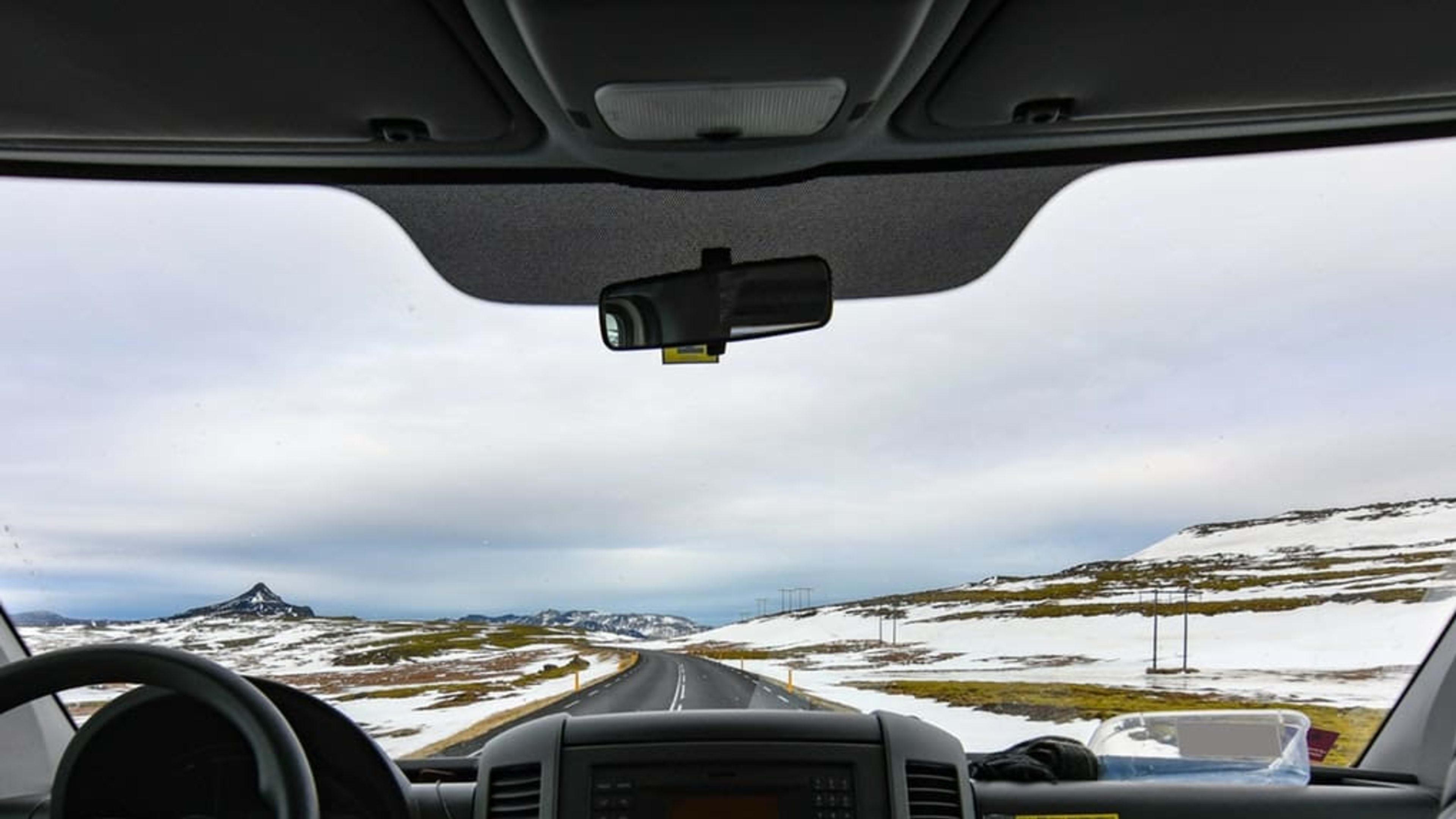
The South Coast is accessible by rental car or by joining a guided day tour from Reykjavík. Winter road conditions between November and March can be unpredictable. Ice and high winds are common, particularly on exposed stretches of Route 1. If you are not used to driving in these conditions, a guided bus tour is a practical alternative. The roads are regularly gritted and treated but a 4x4 provides additional security, particularly for stops that involve unpaved access roads.

The drive east from Reykjavík follows Route 1 through the Hellisheiði geothermal area, past the towns of Hveragerði, Selfoss, Hella, and Hvolsvöllur. Any of these towns works as a breakfast or coffee stop. Reykjavík has several good options for an early start including Kaffitár, Te og Kaffi, Grái Kötturinn on Hverfisgata, Reykjavík Roasters, and Brauð and co, which is known for its sourdough.
If the weather is particularly difficult, the Lava Centre at Hvolsvöllur is worth a stop. It covers the volcanic history and geology of Iceland with detailed exhibits on the country's eruption record.
The first major stop on the South Coast is Seljalandsfoss, around 1.5 hours from Reykjavík. The waterfall drops 60 metres and a path runs behind the falls, though this section is closed in winter when ice makes it unsafe. A short walk along the cliff face leads to Gljúfrabúi, a second waterfall tucked inside a narrow gorge that many visitors miss.
Skógafoss is around 30 minutes further east. The falls are 60 metres high and wide, and a staircase on the right side leads to viewpoints above. In winter the spray from the falls can freeze on surrounding rocks, creating ice formations along the cliff face.

Reynisfjara black sand beach is near the town of Vík. The beach is known for its basalt column formations and the Reynisdrangar sea stacks rising from the water offshore. The Atlantic swell here is powerful and unpredictable. Stay well back from the waterline and do not turn your back on the waves.
Sólheimajökull glacier is accessible from a car park off Route 1, a short walk from the glacier face. Guided glacier walks operate year-round and give you access onto the ice itself. The glacier can be viewed from the path without a guide, but crampons and a guide are required for walking on the ice.
Check Northern Lights tour availability for the evening if you did not see them on your first night.

Day 3 - The Golden Circle
If you have a late flight on day four, consider swapping days three and four and doing the Snæfellsnes peninsula on day three instead, with the Golden Circle as a half-day activity before departure on day four.
The Golden Circle route covers three main stops: Þingvellir National Park, the Geysir geothermal area, and Gullfoss waterfall.
Þingvellir is where Iceland's original parliament, the Alþingi, was established in 930 AD. It is a UNESCO World Heritage Site and the visible meeting point of the North American and Eurasian tectonic plates. The rift valley and its river gorges are walkable on marked trails. In winter the site is quieter than in summer and the landscape looks different under snow.
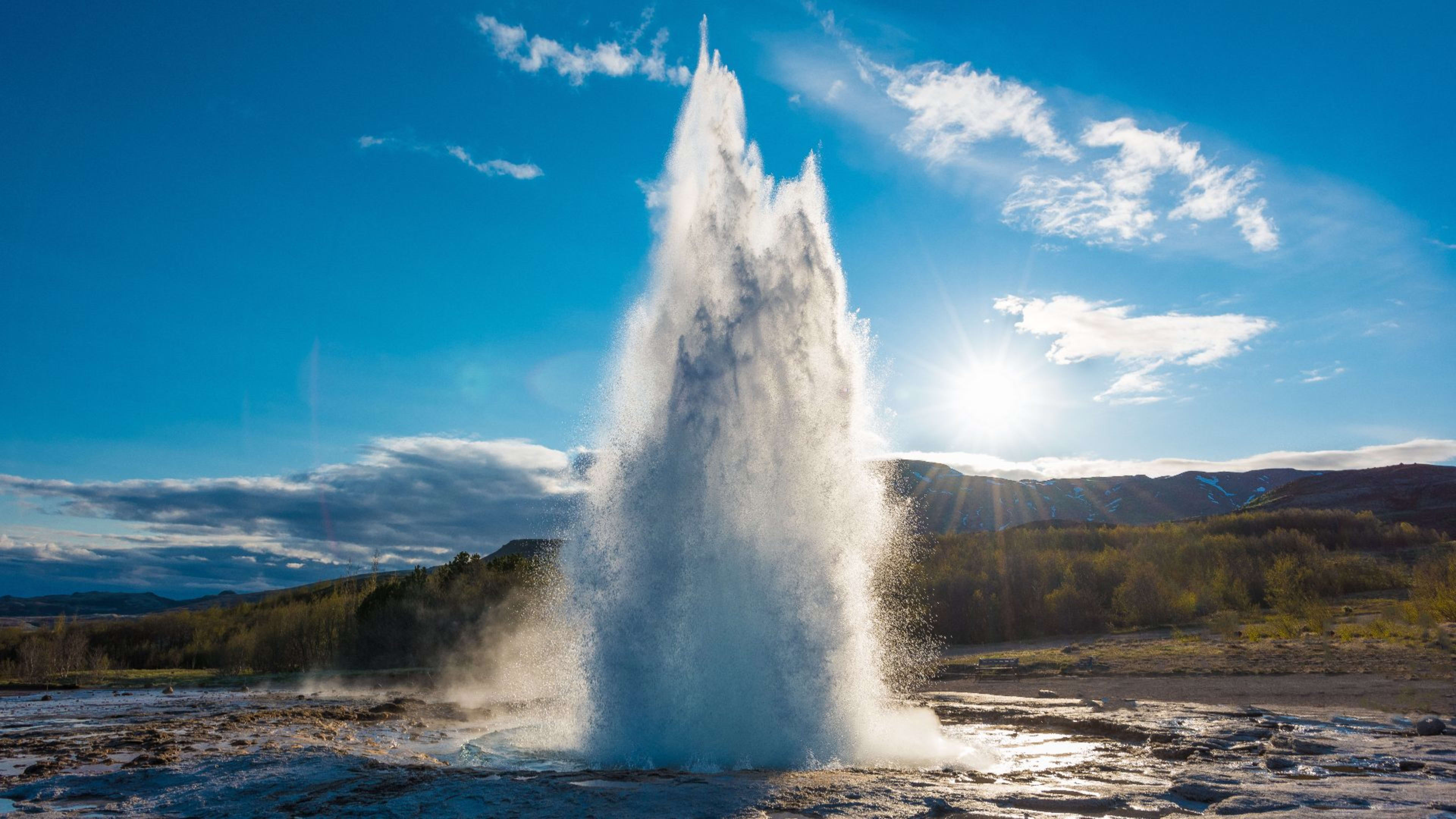
The Geysir geothermal area is named after the Great Geysir, which last erupted in 2003 and has been dormant since. Its neighbour Strokkur erupts reliably every four to ten minutes, shooting water 20 to 40 metres into the air. The surrounding hot spring field is free to walk around and the Geysir Centre has a café and facilities.

Gullfoss is a two-tiered waterfall on the Hvítá river that drops into a narrow canyon. In winter the spray freezes on the surrounding rocks and the gorge takes on a different scale than in summer. Three viewing platforms give different perspectives on the falls. The café at Gullfoss serves Icelandic lamb soup, which is a practical warm-up option in cold weather.
If you have a rental car, the Golden Circle is a half-day activity and leaves time for additional stops. The Secret Lagoon at Flúðir is a smaller, quieter geothermal pool compared to the Blue Lagoon. Friðheimar is a geothermal greenhouse and restaurant near Reykholt. Laugarvatn Fontana offers steam baths and geothermal bathing beside Lake Laugarvatn.
Guided Golden Circle tours also include options such as snowmobiling on Langjökull glacier, which adds a few hours to the day but is one of the more distinctive winter activities available on the route.
Day 4 - Departure or an extra day
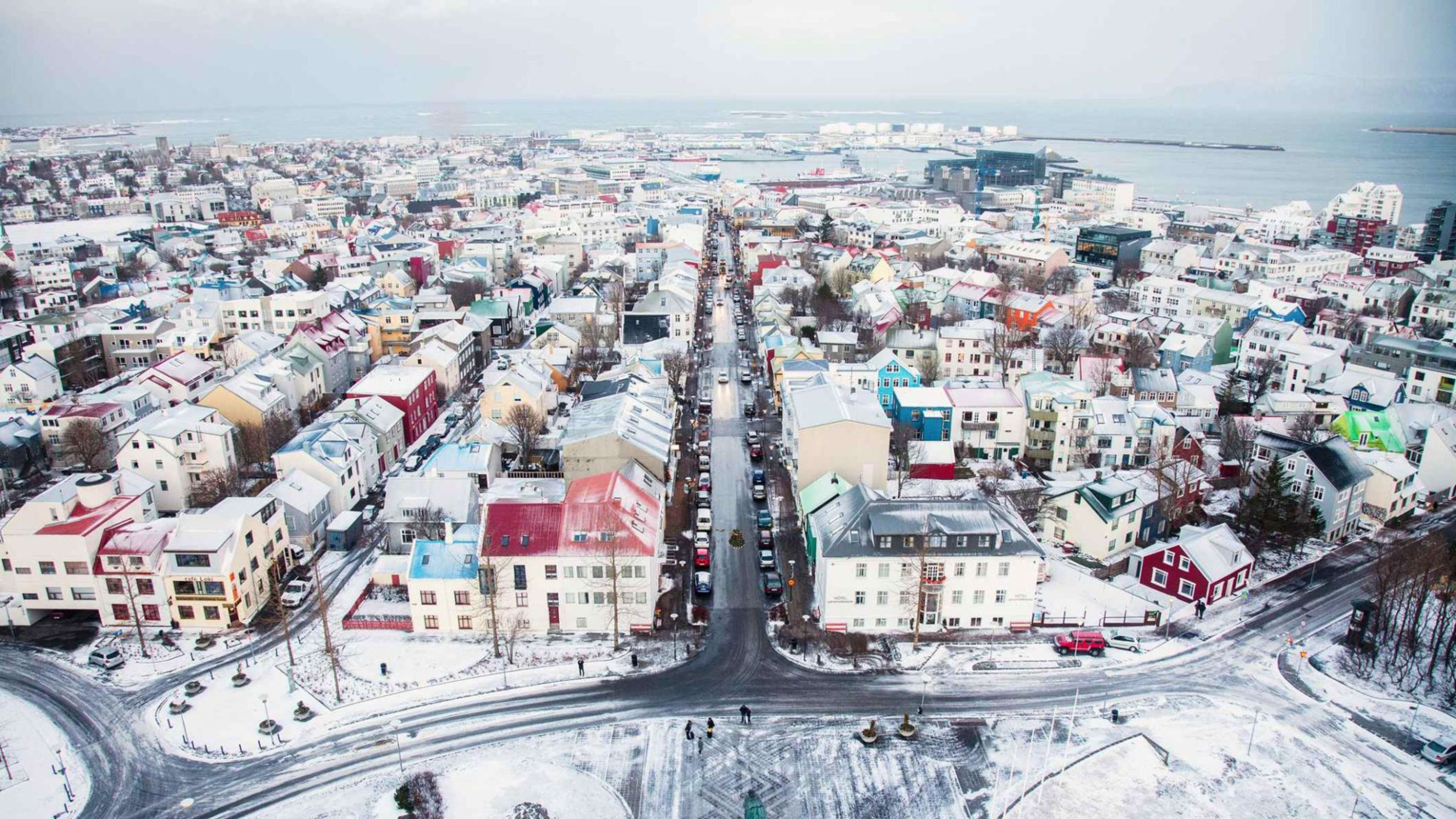
If your flight departs early, use the morning for a walk around downtown Reykjavík. The old harbour, Hallgrímskirkja church, and the area around Tjörnin pond are all within easy walking distance of the main hotels.
If your flight is in the evening or you have an extra day, horseback riding tours operate year-round in the Reykjavík area and take around two hours. A food walk in the city centre covers Reykjavík's food scene and is a practical option if the weather is poor.
A final Blue Lagoon visit on departure day is a logical option if you did not go on arrival. The airport is close by and the lagoon runs a luggage storage service, so you can go directly from the lagoon to check-in.
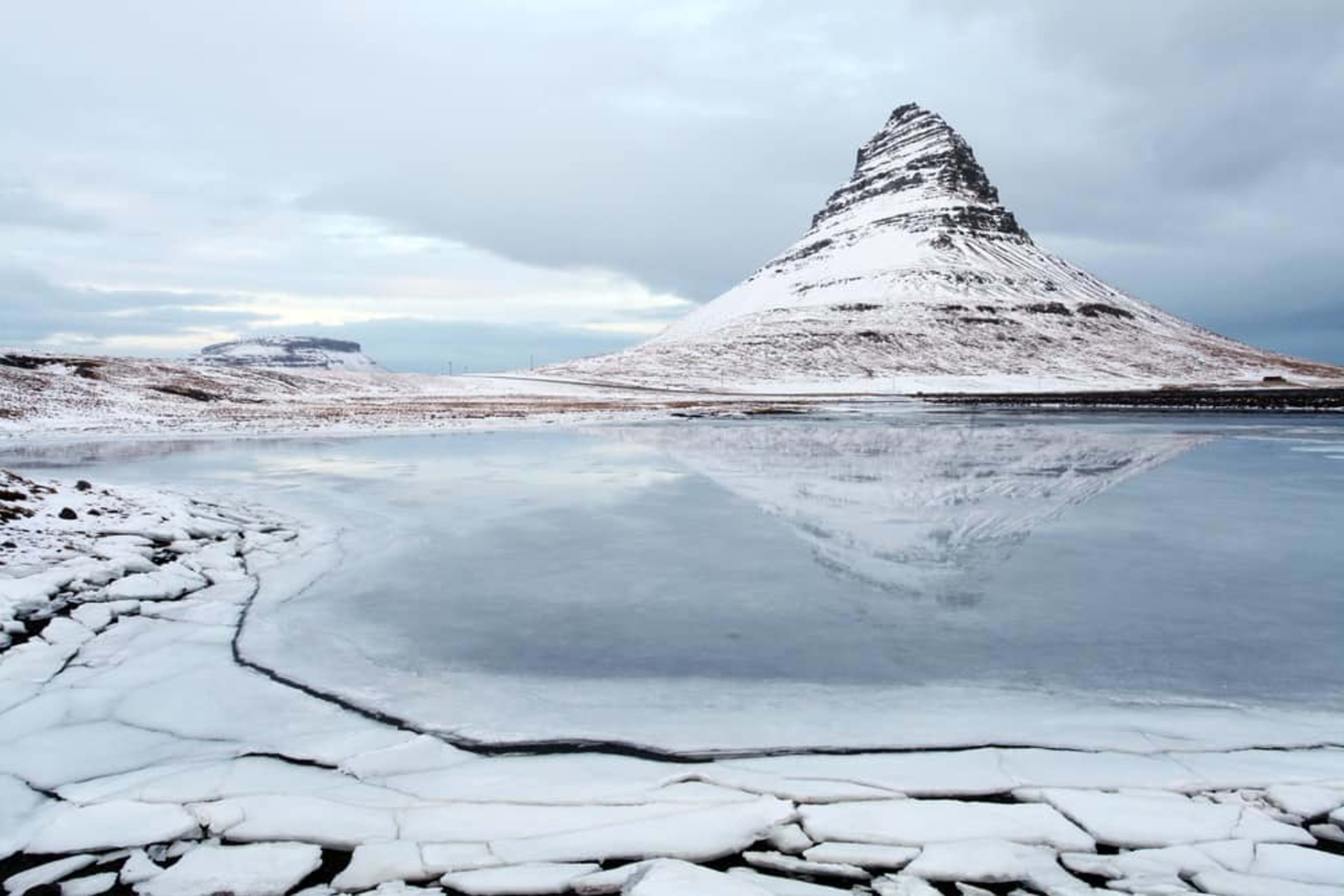
For those with a full extra day, the Snæfellsnes peninsula is around two hours from Reykjavík and worth the drive in winter. The Snæfellsjökull glacier is visible from the road on a clear day and the small fishing villages and lava fields on the western end of the peninsula look different in winter conditions to any other time of year.

FAQs about 4 days in Iceland in winter
These questions cover the most common planning queries for a four-day winter trip to Iceland.
Four days is enough time to cover the main highlights from Reykjavík, including the South Coast waterfalls, the Golden Circle, and at least one Northern Lights attempt. You will not cover the whole country in four days, but the southern and western regions are accessible within this timeframe. If you want to include North Iceland or the Westfjords, a longer trip is more practical.
A 4x4 is recommended for winter travel in Iceland, particularly between November and March when road conditions are more variable. A standard car is adequate for the main paved routes including the South Coast and Golden Circle in good conditions, but a 4x4 gives you more confidence on icy roads and is required for any unpaved or highland routes.
Winter temperatures in Reykjavík average around 0 to 2°C (32 to 36°F). It is cold but not extreme by northern European standards. Wind is the main factor to prepare for. Snow and ice are common on higher ground and in rural areas. Conditions can change quickly, particularly on the South Coast and in the highlands.
Four nights gives you a reasonable chance of seeing the Northern Lights if conditions cooperate. You need clear skies, sufficient darkness, and solar activity above a Kp level of around 3. The Icelandic Met Office publishes a three-day aurora forecast at en.vedur.is. Most tour operators offer a free repeat excursion if the lights do not appear on the first attempt.
Pack for cold, changeable conditions. Thermal underlayers, a waterproof outer jacket, warm hat, gloves, and scarf are essential. Sturdy waterproof boots with grip are worth prioritising over lighter footwear. A sleeping mask is useful given that hotel rooms may not be fully blacked out and there are occasional bright nights even in winter. Swimwear is worth packing for geothermal pool visits.
Iceland Tours offers several package options for a four-day winter trip, including self-drive tours with a rental car and pre-booked accommodation, multi-day tours from Reykjavík with guided day excursions, and privately guided options. All packages include accommodation, transport, and daily breakfast. A 5% deposit secures your dates.