Your Complete Guide to the seal-spotting beach at Ytri Tunga
If there’s one perfect place to go seal spotting in Iceland, it’s Ytri Tunga.
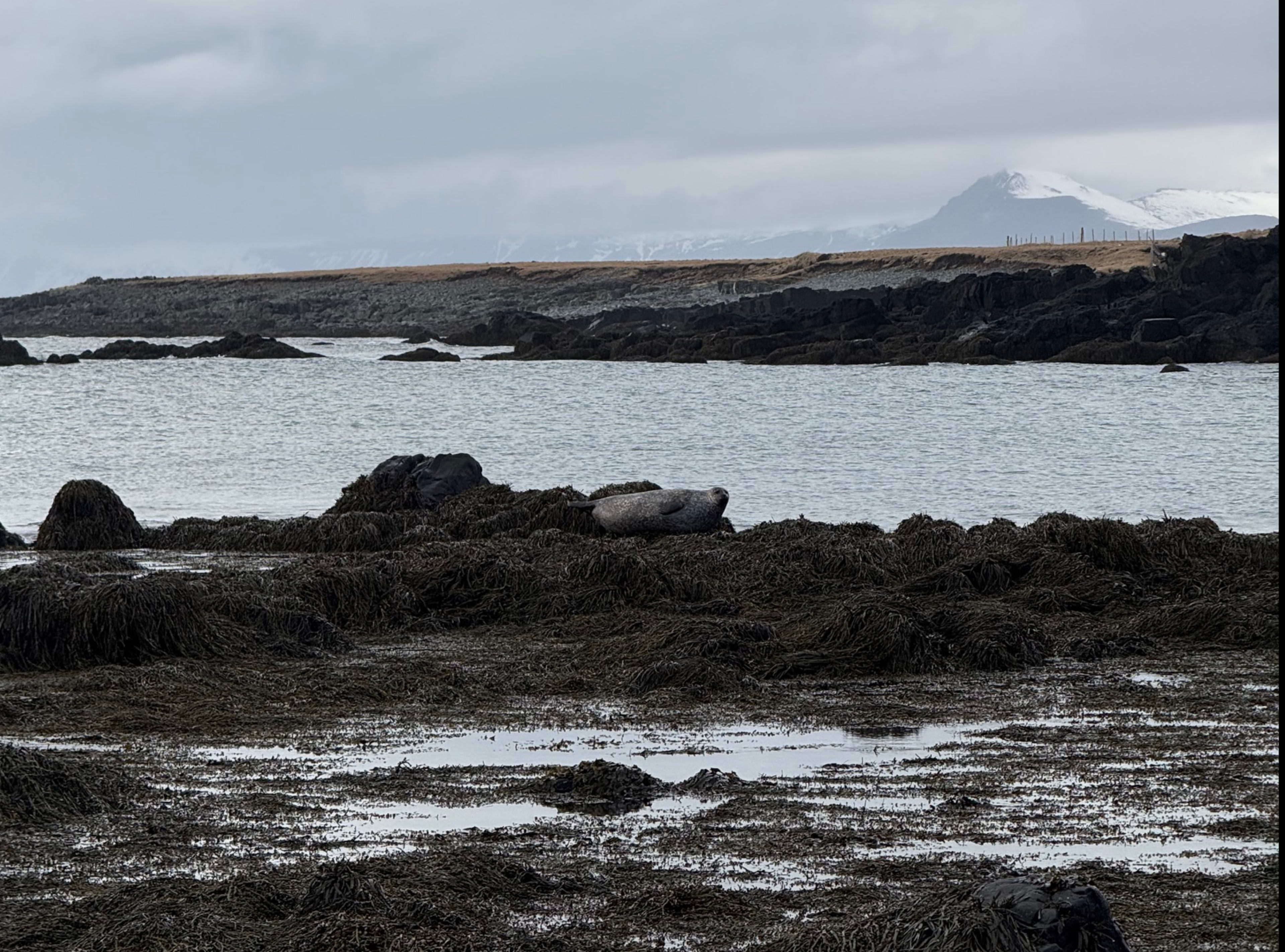
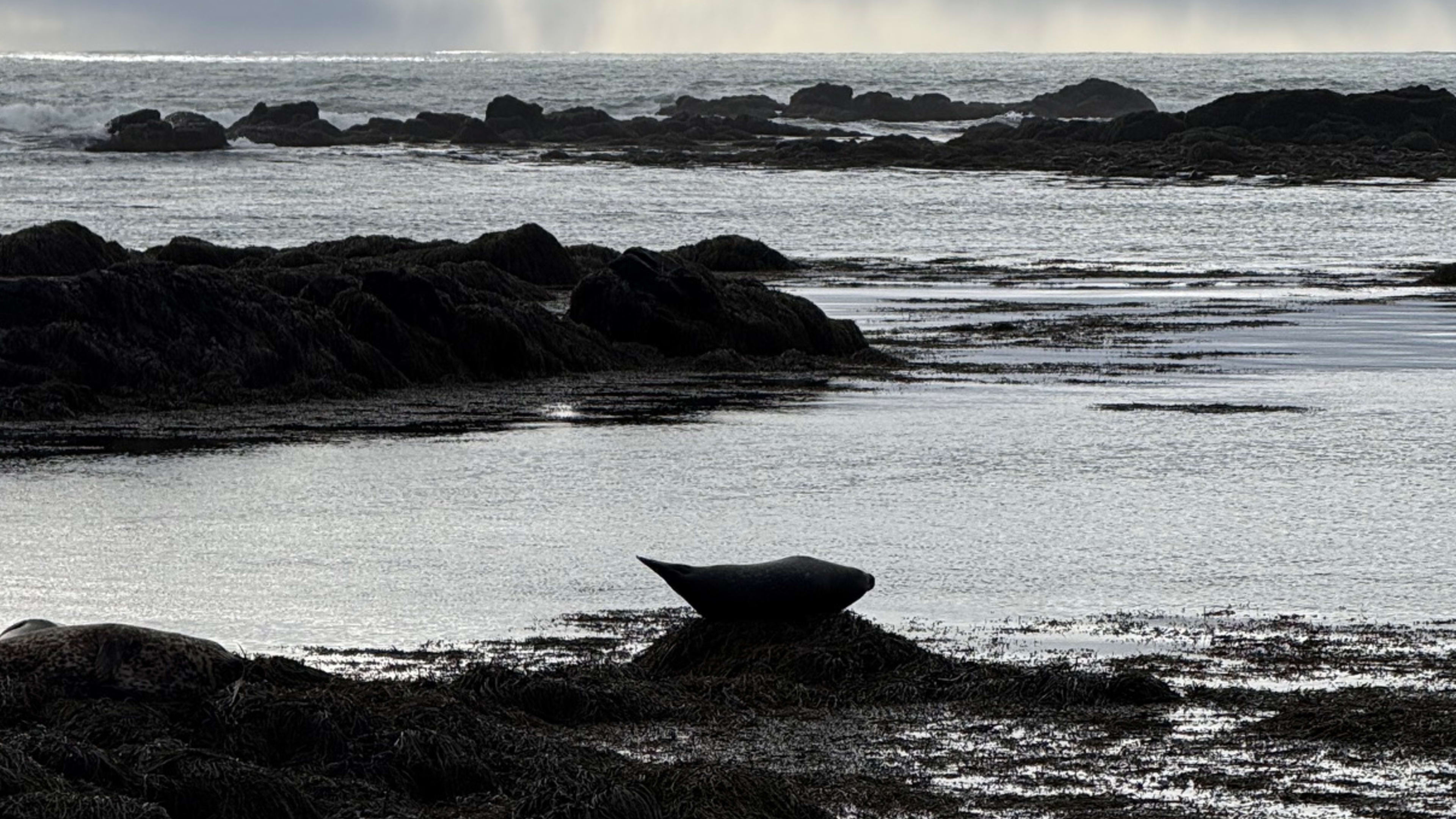
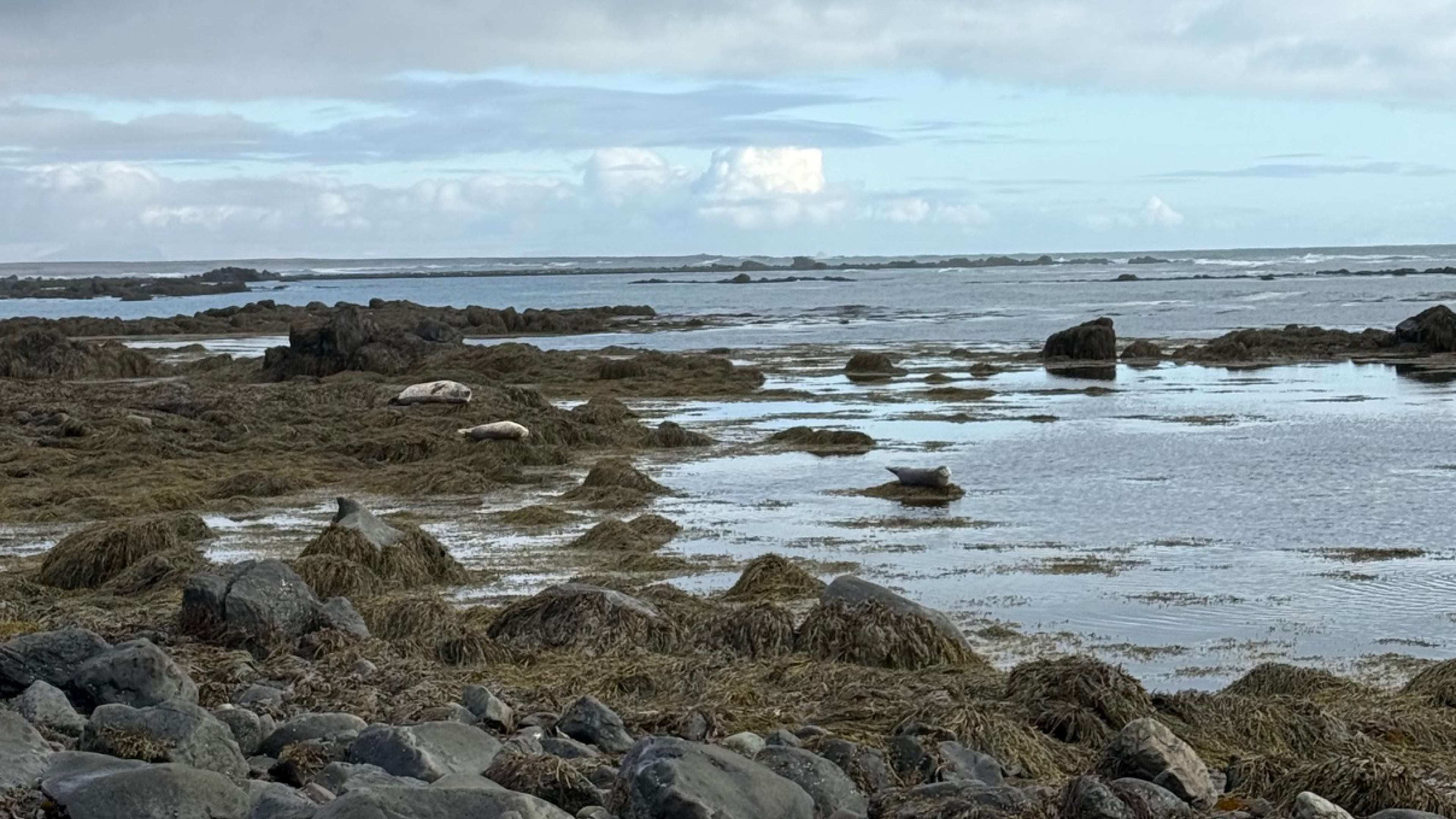
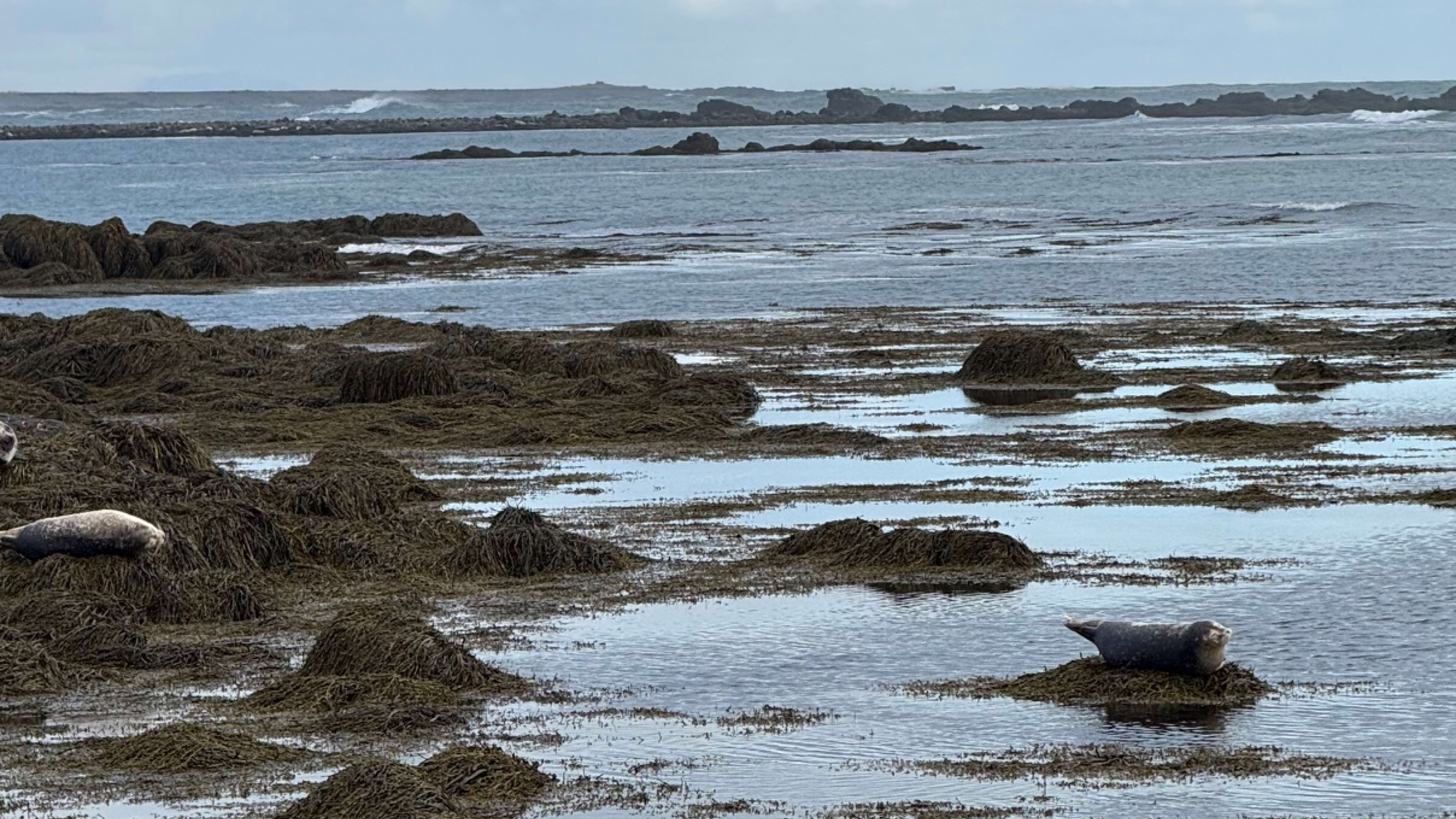
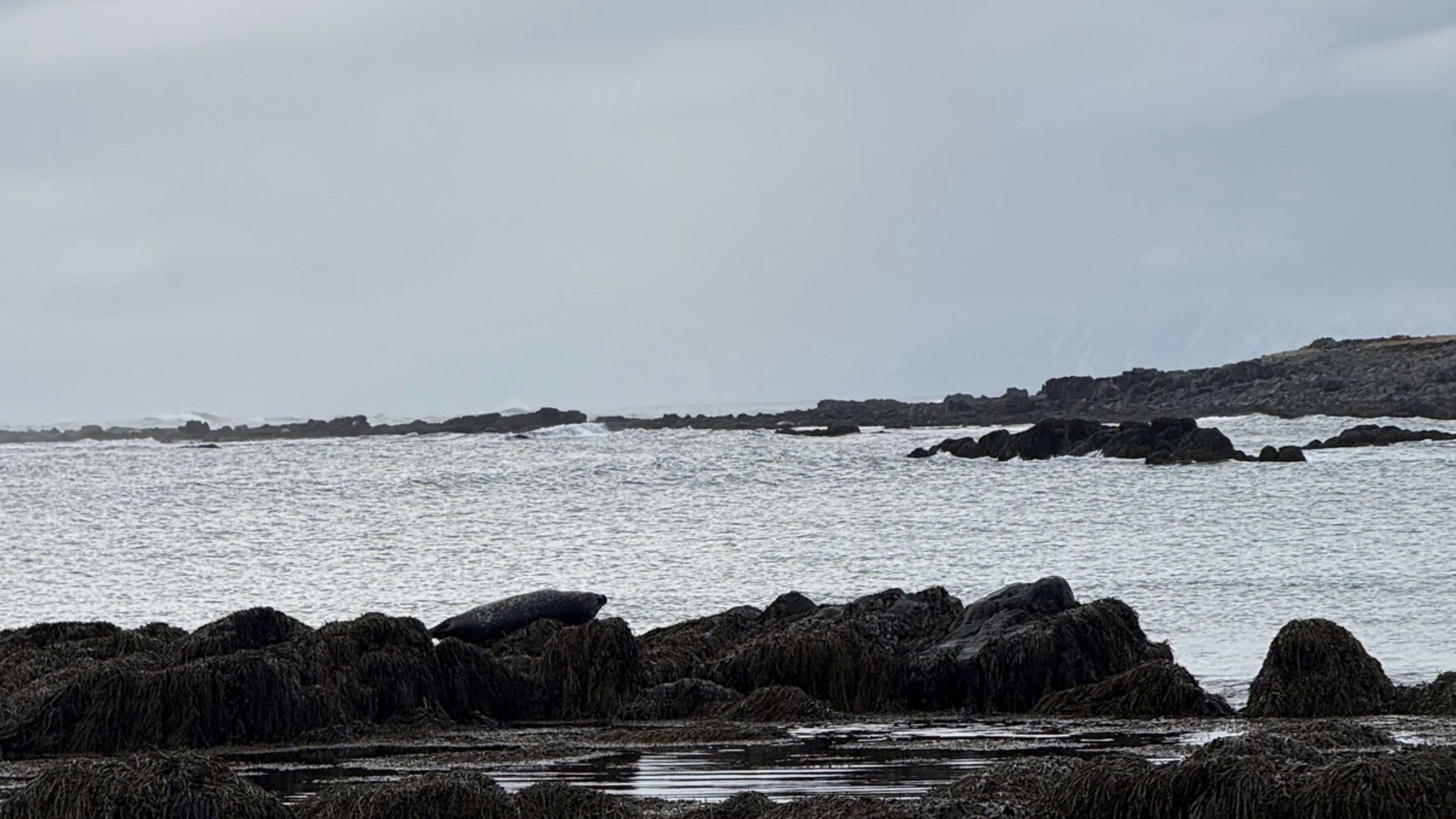
Easily reached in a day trip from Reykjavík, the beautiful beach at Ytri Tunga is home to a sizable year-round colony of Harbor and Gray seals.
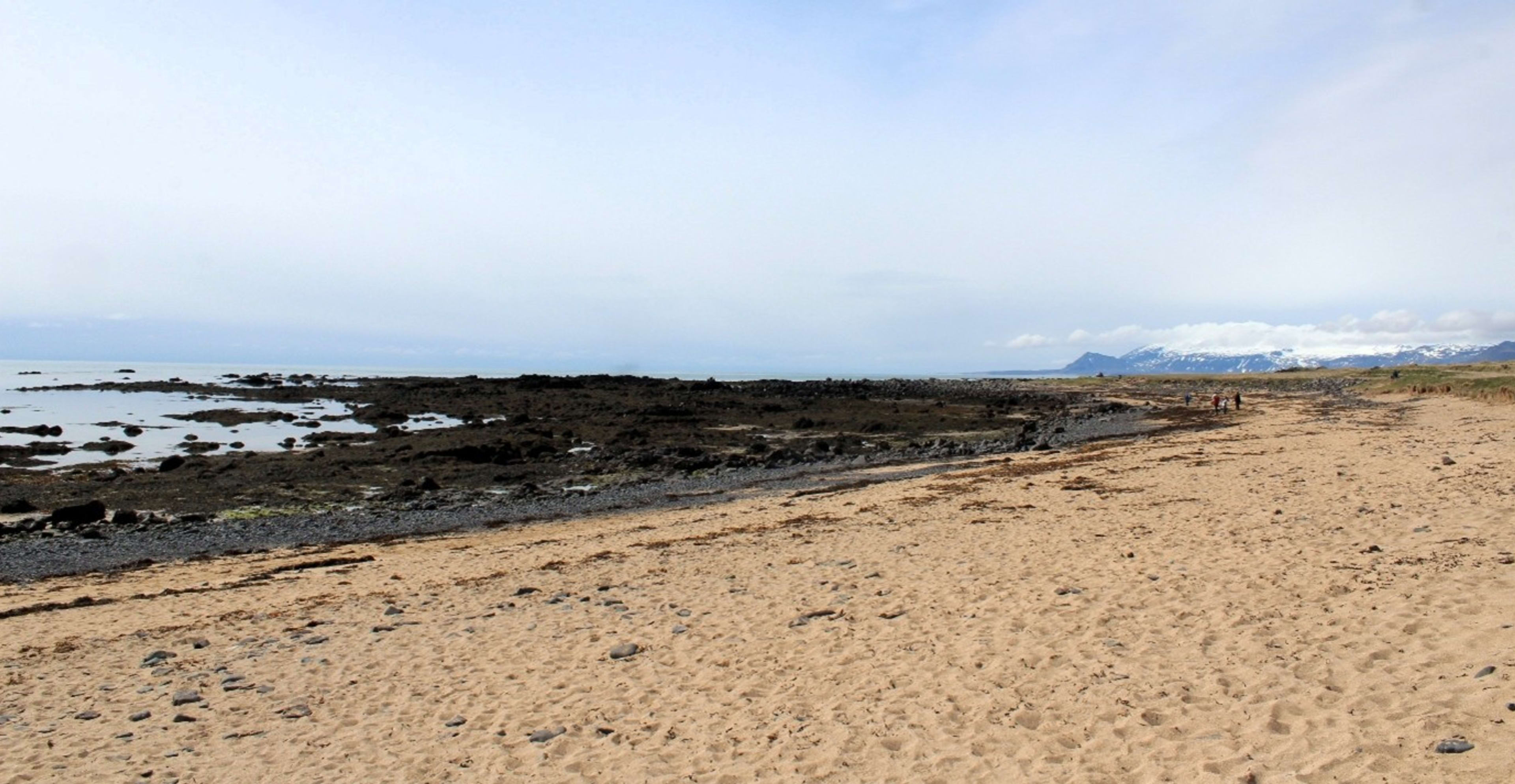
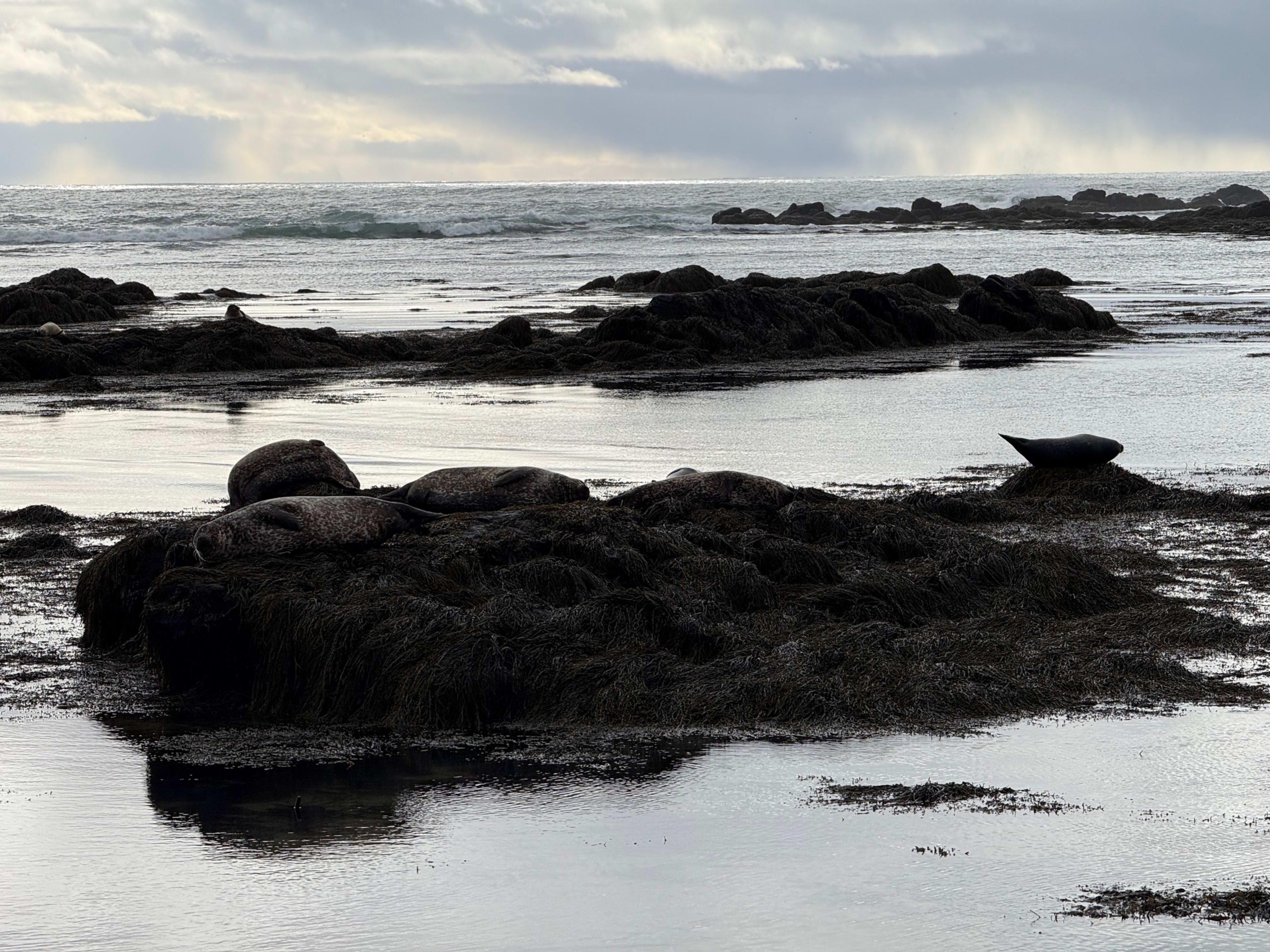
Spectacularly sited on the southern shores of the Snæfellsnes peninsula, Ytri Tunga is a sandy beach where you can enjoy close-up encounters as the seals laze on rocks just offshore.
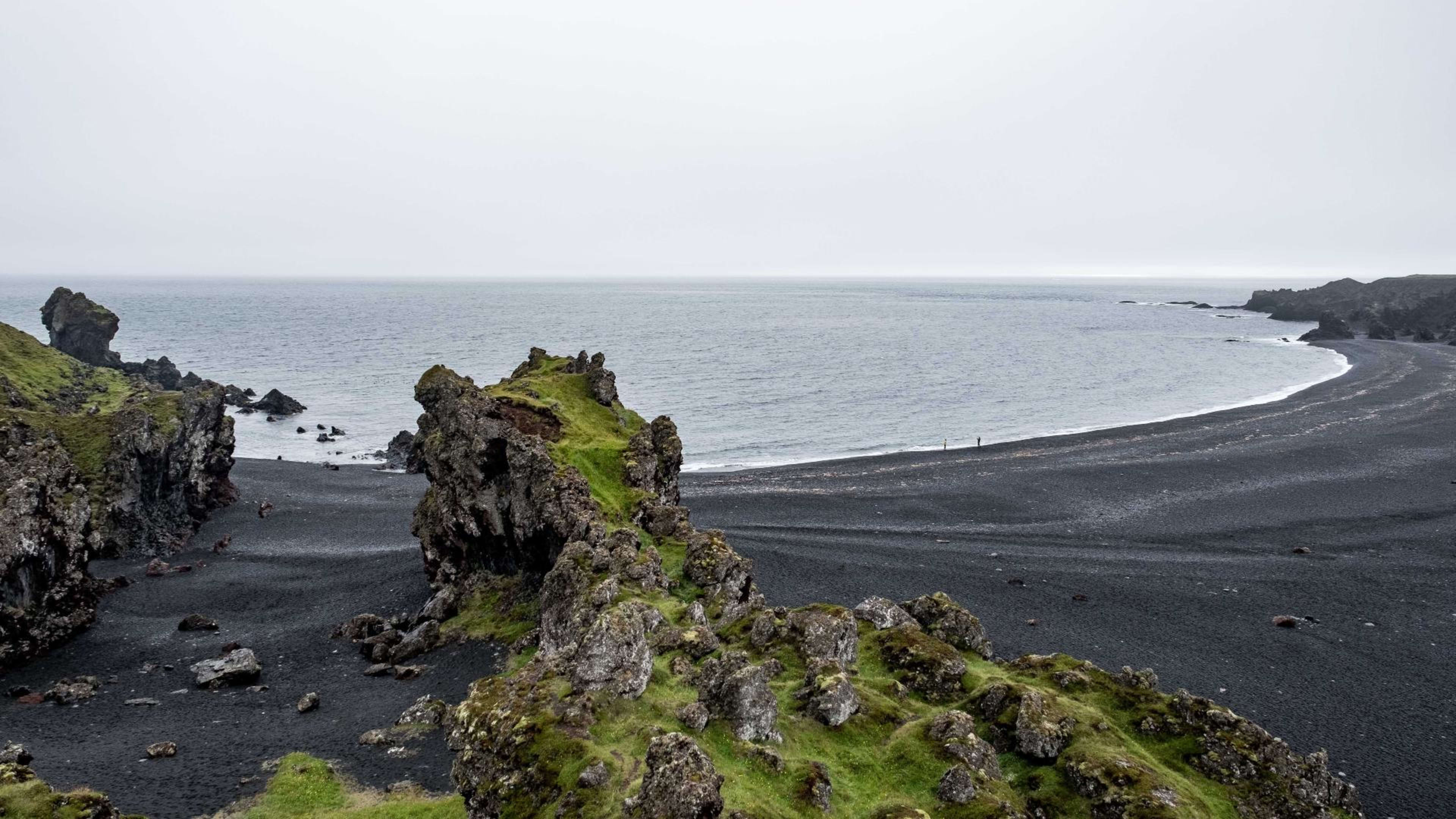
Unusually for a country famous for its dramatic black-sand beaches, Ytri Tunga features stretches of golden sand dunes and relatively calm waves.
Ytri Tunga means outer tongue in Icelandic, with “tunga” referring to the tongue of low-lying rocks that lead away from the beach out to sea, where the seals spend much of their time.
While Iceland is home to several seal colonies, Ytri Tunga is an ideal choice for seal spotting, and here’s why!
Where is Ytri Tunga?
Close to the capital and seconds away from the main driving route around Snæfellsnes, it’s one of the largest and most convenient seal colonies to explore.
You can be there in just over 2 hours from Reykjavík, or in 1 hour from the beautiful West Iceland town of Borgarnes, which is the best place to take a break or get fuel and supplies in the area.
Take Route 1 north from the capital for 75 kilometers and then, just outside Borgarnes, head west on Route 54 for another 85 kilometers.
Twenty kilometers west of the junction between Routes 54 and 56, look for a small sign with a red-roofed postbox on the left for Ytri Tunga.
There’s a cattle grid and a couple of flags to help you spot the turn as well.
You won’t need a 4WD to reach the beach - take the paved road leading towards the sea and drive past the farmhouse. It’s less than a kilometer to the parking area.
Once you get there, you’ll find that Ytri Tunga has excellent parking facilities with well-marked walking trails to the shore.
Pay for parking at the kiosk, or online at CheckIt.is before you head to the beach. The current fee is 1000 ISK (£6 / €7 / $8).
It’s a short walk (about 400 meters) from the parking lot to the beach, making it very accessible and suitable for almost all ages, provided you wear sturdy shoes.
At most, you’ll walk 1-2 kilometers from the parking area to the best viewpoints, across sand and grass, with occasional rocky terrain.
There are no services or restrooms here and no lights on the route, so come prepared, especially if you arrive close to sunset.
The GPS coordinates are N 64°48.2310 W 023°04.8595
What you need to know about the seals at Ytri Tunga
The two seal species that breed in Iceland, and are most frequently sighted at Ytri Tunga, are Harbor (or common) seals (Phoca vitulina) and Gray seals (Halichoerus grypus).
Round-faced Harbor seals usually make up most of the colony, while the larger Gray seal is a little less numerous here.
You can tell the difference between the two species by looking at their snouts - Harbor seals have shorter muzzles than the larger Gray seal.
Harbor seals can live as long as thirty years, with females living longer than males. This species is quite social and gathers in groups, particularly in the summer.
Gray seals (sometimes known as horse-heads) can be three times the size of Harbor seals, but they are shyer than their smaller cousins, keeping further away from the beach.
Four other species also visit Icelandic waters, so you might spot Hooped, Ringed Hooded, and Bearded seals around the country. However, these are not often seen at Ytri Tunga.
There’s been a farm at Ytri Tunga for centuries, first mentioned in church records in 1274.
It’s also known that catching seals was crucial for survival in earlier times in Iceland, with settlers making the most of their meat, oils, skins, and fur.
In Icelandic folklore, seals were even revered as “selkies”, mythical creatures that could shape-shift or shed their skins to become human.
While the seals at Ytri-Tunga have become quite used to human visitors, it’s essential to keep a few rules in mind when you come to see them here.
- Give the seals plenty of space and keep at least 50 meters away from the nearest seal. If there are any seal pups on the rocks, double that distance.
- If any of the seals makes a noise or looks alarmed, move further away.
- Seal pups are often left alone for short intervals while the adults go hunting. Do not approach any pups that might look abandoned.
- Never stand between a seal and the sea - this may alarm the seal.
- When approaching the seals, walk slowly and steadily, lowering your voice. Keep loud sounds to a minimum until you leave the beach.
- Don’t throw anything into the sea close to the seals.
- Switch off the flash on your camera or phone when taking photos.
- Try to avoid forming large groups of onlookers - smaller numbers on the beach are preferable for seal welfare.
- If you have any pets, keep them under control at all times.
Seal spotting isn’t guaranteed:
While seal sightings at Ytri Tunga are reasonably reliable, natural factors like tides, weather, and the time of your visit may affect visibility and numbers seen from the shore.
When is the best time to visit Ytri Tunga?
Ytri Tunga is home to seals year-round, with the colony most active during the summer months.
The weather in Iceland is very changeable and quite unpredictable, and the beach is exposed with no windbreaks.
That means you’ll need to be prepared for windy or rainy conditions at any time, with snow and ice coating the rocks during the stormy winter months.
The wilder weather and higher tides of winter will make it more challenging to spot seals at that time of year.
Summer brings milder temperatures, calmer winds, and lower tides, which mean better viewing opportunities for seals basking on rocks closer to the beach.
Top tips for your visit to Ytri Tunga
Visiting Ytri Tunga gives you excellent opportunities to spot seals, but there are some ways to improve your chances:
- Come at low tide, when more rocks are exposed just offshore.
- Bring binoculars for a close-up view while staying at a distance.
- Remember the rules to keep the seals safe and secure during your visit.
- Keep a close eye on the weather forecast and stay prepared for changes.
- Bring food and drinks, as there are no facilities at Ytri Tunga.
- Use restrooms before you arrive at Ytri Tunga, as there are none there.
What to see and do near Ytri Tunga
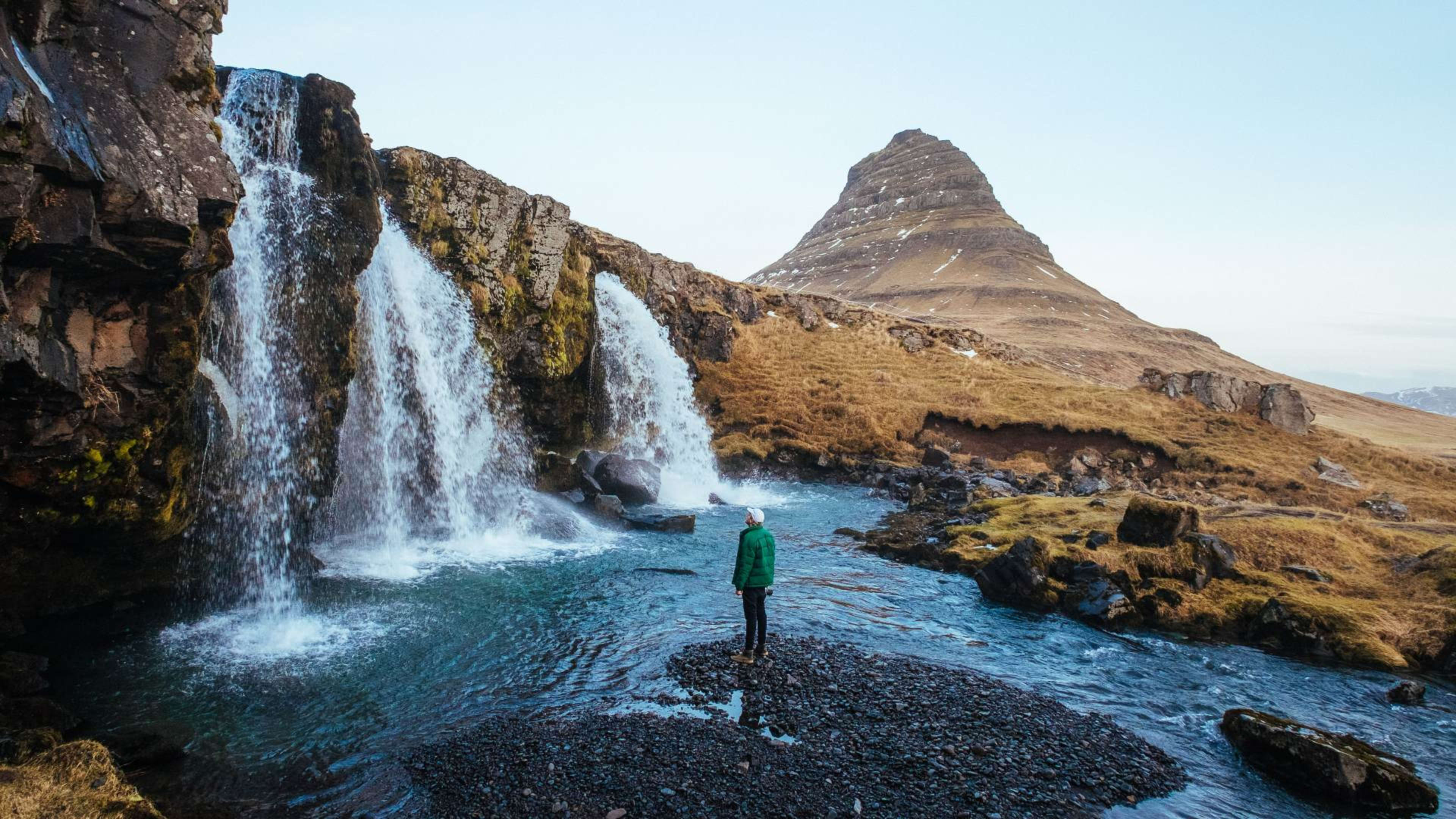
Ytri Tunga is within sight of Snæfellsjökull National Park, one of Iceland’s three national parks and home to the stunning stratovolcano that towers over the peninsula.
The coastal route around the southern shores of Snæfellsnes (Snow Mountain Peninsula) offers several more stunning spectacles, including:
- The beautiful “Black Church” at Búðakirkja
- Gatklettur, the gorgeous stone arch at Arnarstapi
- The moss-covered Rauðfeldsgjá gorge
- The polished black “pearls” of Djúpalónssandur beach
What services and amenities are available at Ytri Tunga?
There are no restrooms or refreshments at Ytri Tunga, so prepare accordingly before your visit. Please take all your litter with you when you leave.
Where to stay near Ytri Tunga
If you want to stay longer and make a visit to Ytri Tunga part of a Snæfellsnes road trip, there are several campsites nearby, along with other accommodation options in the towns and villages that line the coastal route.
- Arnarstapi campsite: 35 km, open from May to September.
- Hellissandur campsite: 47 km, open from May to September
- Ólafsvík campsite: 36 km, open from June to August.
- Grundarfjörður campsite: 53 km, open year-round.
- Stykkishólmur campsite: 53 km, open from May to October.
Staying safe during your visit to Ytri Tunga
As always in Iceland, it’s essential to keep an eye on your surroundings, stay above the tide line, and monitor the waves at all times.
Ytri Tunga is not as risky as Reynisfjara on the South Coast, but it is always sensible to stay alert. There are no lifeguards on duty here.
Wear waterproof, windproof clothing with light layers underneath, including a warm woolen or fleece layer.
Make sure your shoes are sturdy, waterproof, and have plenty of grip for the seaweed-covered rocky terrain. A woolen hat, gloves, and sunglasses are also recommended.
Always let someone know your travel plans, or register your schedule with SafeTravel.is.
Can you feed or swim with the seals at Ytri Tunga?
Don’t attempt to feed the seals at Ytri Tunga, as this could upset them and alter their natural behavior.
Don’t enter the sea at Ytri Tunga, or any other beach around Iceland.
Even in the warmer months, sea temperatures, strong currents, and wave conditions in the North Atlantic can be hazardous.
In particular, entering the sea at Ytri Tunga may alarm the seals, and this must be avoided.
See the seals from a safe distance and remain respectful as a visitor to their natural habitat.
Why you should add Ytri Tunga to your itinerary
Ytri Tunga is an ideal location for visitors who want to slow down in a peaceful place and encounter some of Iceland’s most lovable marine marvels up close.
Walking on its stunning sandy beaches offers astonishing views of Snæfellsjökull National Park in the distance, and leads you close to a vibrant all-year-round seal colony, happy in their natural habitat.
Its convenient location and easy accessibility make it enjoyable for all, where a couple of hours spent can reliably be rewarded with a memorable seal-spotting experience and unbeatable photographic opportunities.