Hveragerði, a town built on geothermal energy
Hveragerði is a town of around 2,700 residents in southwest Iceland, situated 45 km east of Reykjavík on the Ring Road. The town sits directly on an active geothermal field, part of the Hengill volcanic system, which means hot springs surface in the town centre, steam rises from the ground year-round and geothermal energy powers the local greenhouses, heating and horticulture. The Reykjadalur hot spring river, reachable by a 3 km hike from town, is one of the most popular natural bathing spots within easy reach of the capital.
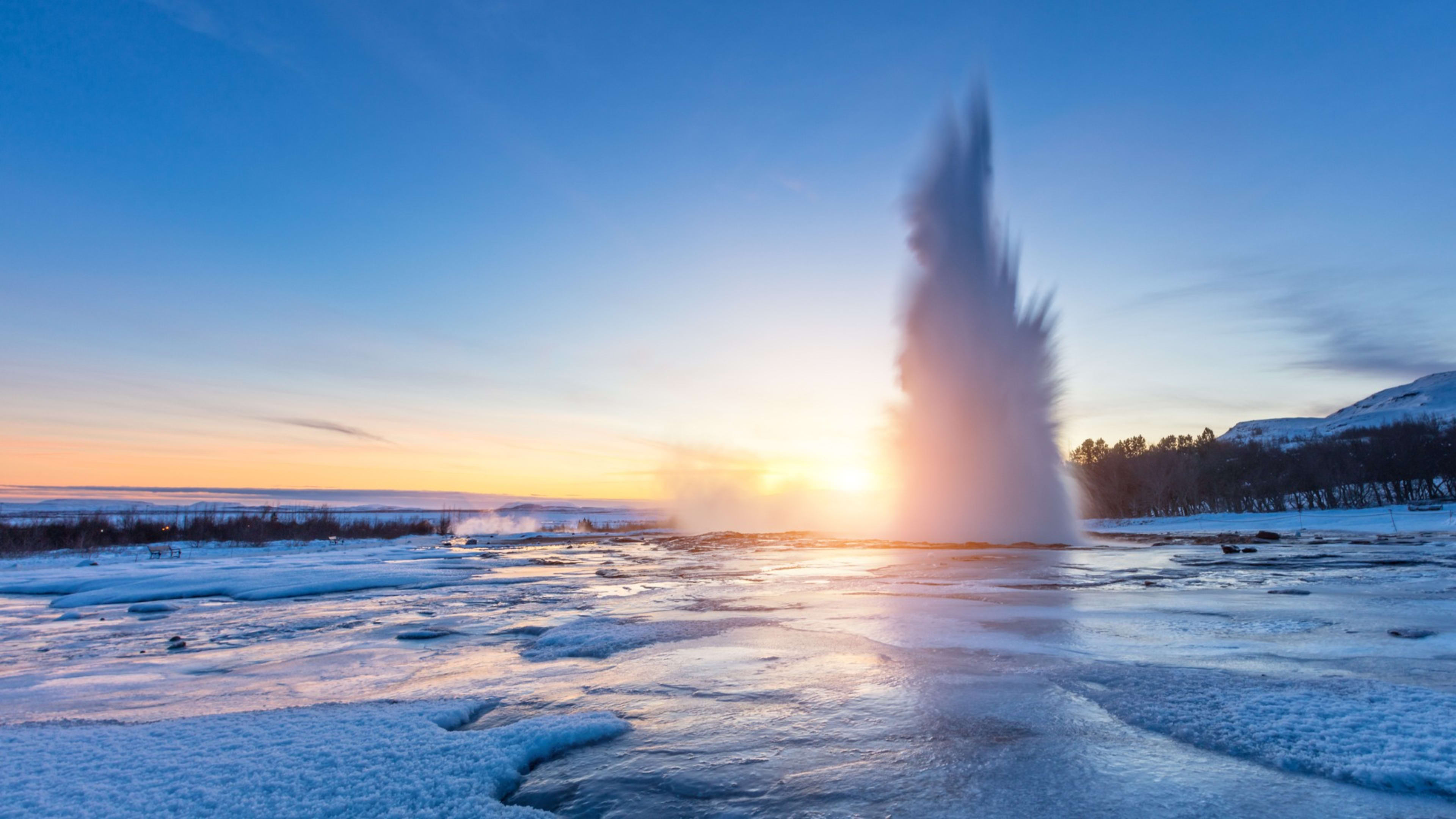
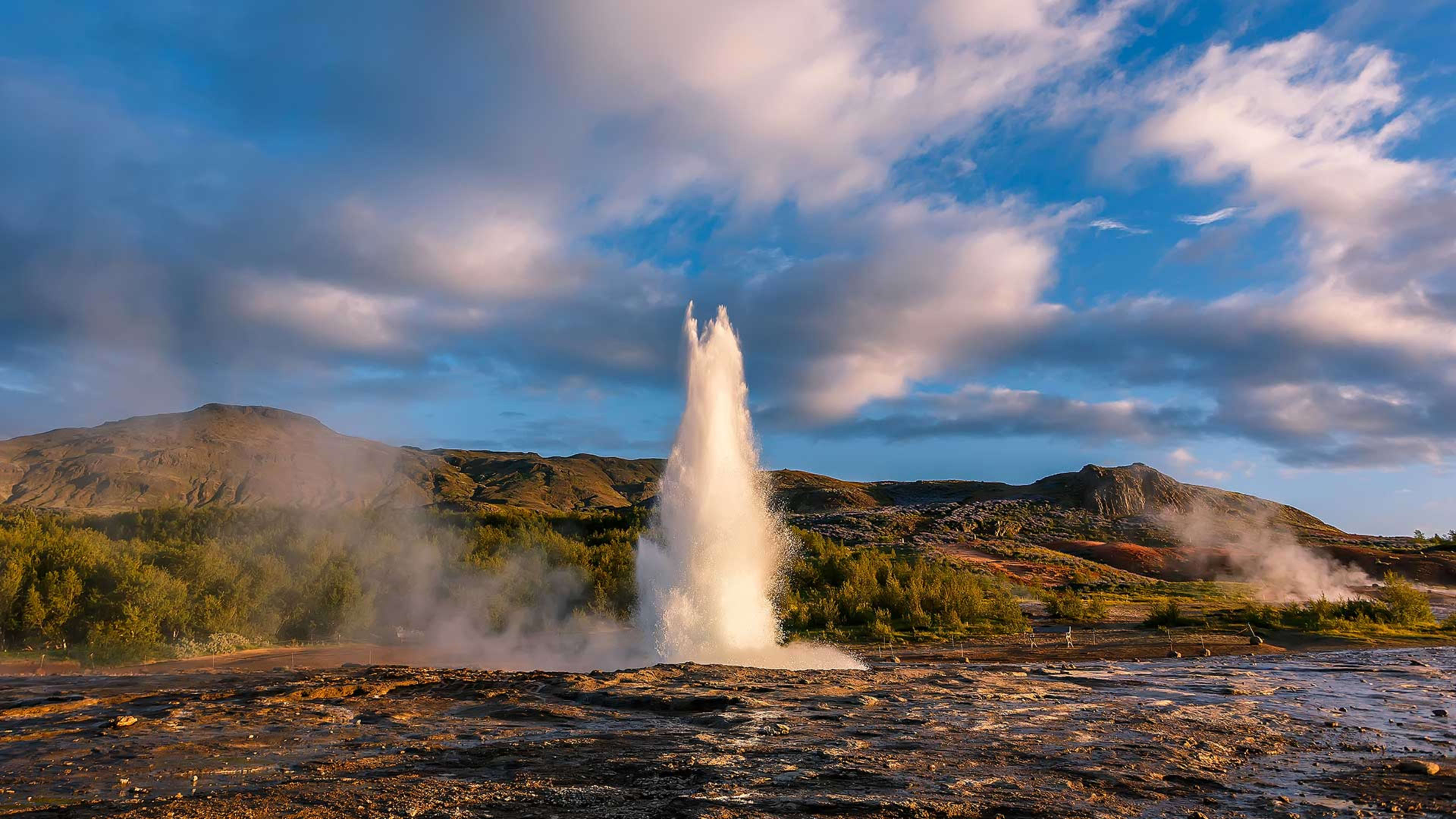
Hveragerði's identity is inseparable from the ground beneath it. The town sits on the eastern edge of the volcanic belt that runs from the Reykjanes peninsula through Þingvellir, and the geothermal activity here is not confined to a park or a designated area. Hot springs appear in gardens and beside roads, steam vents open in the middle of the golf course, and the warm Varmá river runs directly through the town centre.
The first greenhouse in Hveragerði was built in 1923, using geothermal heat to extend the growing season in a country where outdoor cultivation is limited. That practice grew into an industry: the town is now Iceland's primary centre for greenhouse horticulture and produces tomatoes, cucumbers, bell peppers, cut flowers and, notably, bananas. Hveragerði holds the distinction of being the northernmost banana-producing location in the world. The greenhouses glow orange over the town at night, lit from within to supplement the limited winter daylight.
The Geothermal Park
At the centre of the town, the Hveragerði Geothermal Park is an open area where visitors can walk among hot springs, bubbling mud pots and steam vents. A visitor centre on site covers geothermal energy, local geology and volcanic activity. Visitors can boil an egg in the naturally heated water, and foot baths are available for a small additional cost. The park is one of the most accessible places in Iceland to see active geothermal features at close range, without the entrance fees or facilities of the larger commercial lagoons.
Reykjadalur hot spring river
The Reykjadalur valley, accessible by a 3 km trail starting from the edge of town, is home to a naturally heated river warm enough to bathe in throughout the year, including in winter when snow covers the surrounding hillsides. The hike involves around 200 metres of ascent and takes most people 45 minutes to an hour to reach the bathing area. The trail is popular year-round and can be busy in summer; arriving early in the day helps avoid the crowds. Visitors should bring a towel and change of clothes, and be aware that the water temperature varies along the river.
Earthquake history
Hveragerði is sometimes called the Earthquake Town, a reference to the significant seismic activity the area experiences as part of the Hengill volcanic system. A 2008 earthquake of magnitude 6.3 caused considerable structural damage to the town and triggered new geothermal features, including vents that opened in streets and gardens. The town's earthquake exhibition includes Iceland's only earthquake simulator, where visitors can experience the sensation of a tremor and learn about seismic activity in the region.
Position on the Ring Road
Hveragerði sits 45 km from Reykjavík on Route 1 and is a natural stop on the south coast drive. Travellers heading toward the Golden Circle, Þingvellir or the south coast pass directly through the town. It serves as a practical base for those who want to stay close to the capital while having easy access to the main south and west Iceland attractions.