Glaumbær turf farm

Glaumbær is a preserved turf farmhouse complex in the Skagafjörður area of North Iceland, operated today as a folk museum by the Skagafjörður Heritage Museum. The site is open to visitors from late May through September.

North Iceland

About Glaumbær

Glaumbær sits just off Route 75 near the village of Varmahlíð, about one hour west of Akureyri and four hours north of Reykjavík along the Ring Road. The complex consists of 13 interconnected turf buildings and two timber houses, set within a churchyard that has been a place of habitation and worship since the medieval period.

The turf buildings standing today were constructed between the mid-18th century and 1879. The farm itself has much older roots -- according to the sagas, Snorri Þorfinnsson farmed here in the 11th century, and a church dated to around 1030 has been excavated on the property. The turf farmhouse was last lived in by a farming family in 1947, after which it became a protected site.

The turf buildings

Turf construction was Iceland's primary building method for centuries, driven by the scarcity of timber and the need for insulation in a cold climate. The walls at Glaumbær are thick, with layers of turf laid over stone foundations and timber frames. The result is a structure that holds heat well and sits low against the landscape, with grass-covered roofs that blend into the surrounding terrain.

The 13 interconnected rooms at Glaumbær each served a specific function -- sleeping quarters, a kitchen, a pantry, a smithy, and storage rooms among them. The buildings are arranged in a row connected by a central passageway, a layout typical of larger Icelandic farms of the period. The interiors are furnished as they would have appeared when the farm was in use, giving a clear picture of how several generations of a family shared a confined and carefully organised space.

Guðríður Þorbjarnardóttir

The churchyard at Glaumbær contains a statue of Guðríður Þorbjarnardóttir, one of the most widely travelled figures in medieval Icelandic history. According to the sagas, she sailed from Iceland to Greenland and then to North America, where her son Snorri was born -- considered the first child of European parents born in the New World. She later made a pilgrimage on foot to Rome. Her son Snorri farmed at Glaumbær and built the first church on the site. The statue, by sculptor Ásmundur Sveinsson, stands in the churchyard alongside the turf buildings.

Visiting Glaumbær

The museum is open daily from late May to late September, with reduced hours in April, early May, and October. From late October through March it is generally closed, though visits can be arranged by contacting the Skagafjörður Heritage Museum in advance. Admission prices and current opening hours are listed on the official Glaumbær website.

The two timber houses on the site, Gilsstofa and Áshús, house a café and exhibition space. The café at Áshús is a practical stop for travellers passing through the Skagafjörður area on the Ring Road, and the surrounding churchyard and landscape are worth taking time to explore before or after the museum.

Glaumbær is a natural stop on Ring Road itineraries heading between Reykjavík and Akureyri. Most self-drive tours that follow the full Ring Road pass through the Skagafjörður area and allow time for a visit.

Other attractions near Glaumbær farm & museum

The skyline of Akureyri, North Iceland

Akureyri

Dive into culture, eat great food, and even go skiing in Iceland’s second city.

101 km (63 mi)

View
A seal lying on the shore in Hvammstangi, Vatnsnes peninsula

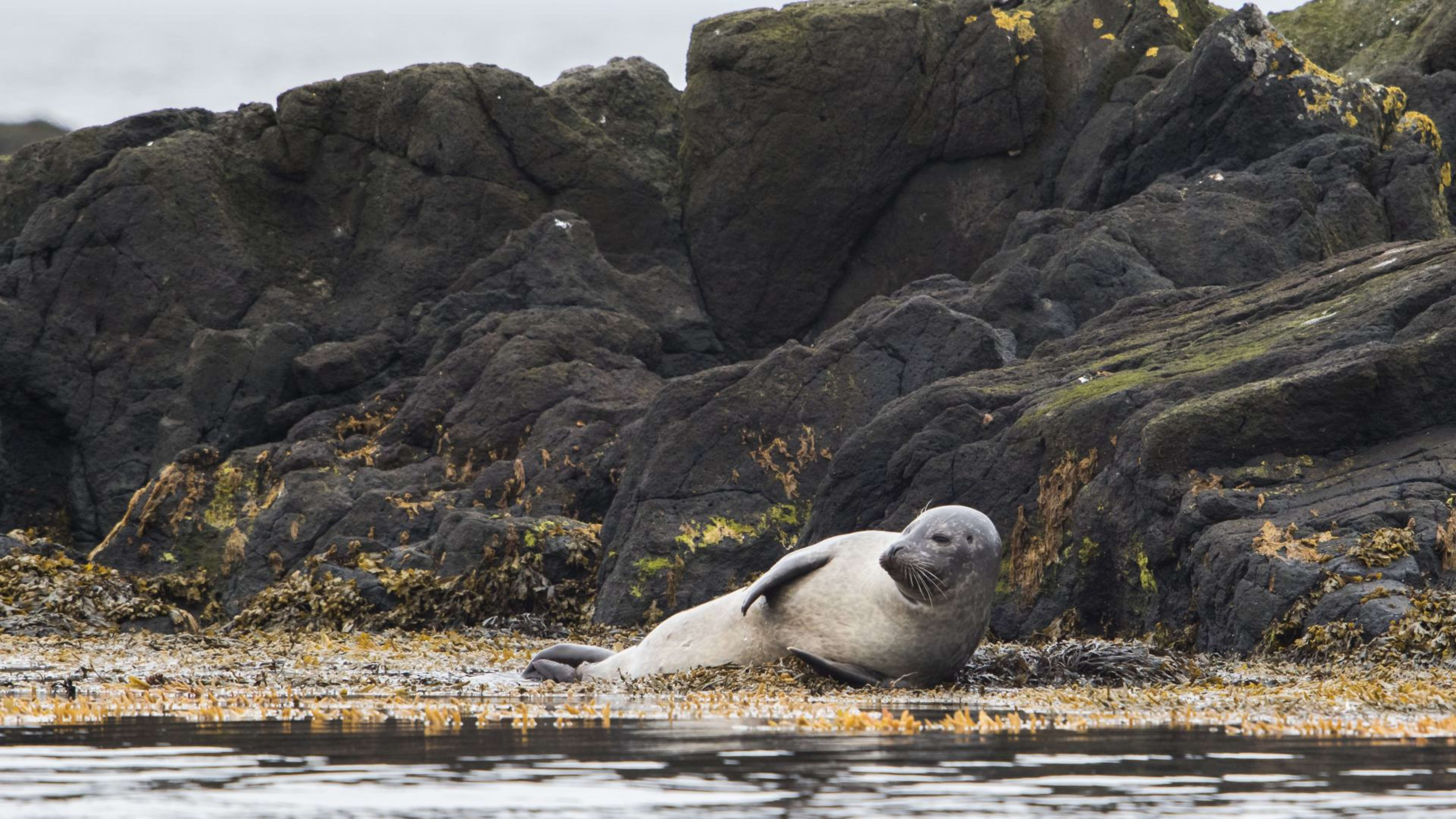
Hvammstangi

Hvammstangi is a small town of around 580 people on the Vatnsnes peninsula in northwest Iceland, situated roughly halfway between Reykjavík and Akureyri on the Ring Road. It is known primarily for seal watching along the peninsula's coastline, the Icelandic Seal Center, and as the western starting point of the Arctic Coast Way scenic route. The town has a working harbour, a wool factory, and the practical services that make it a useful overnight stop on the Ring Road.

116 km (72 mi)

View
The Goðafoss waterfall in summer

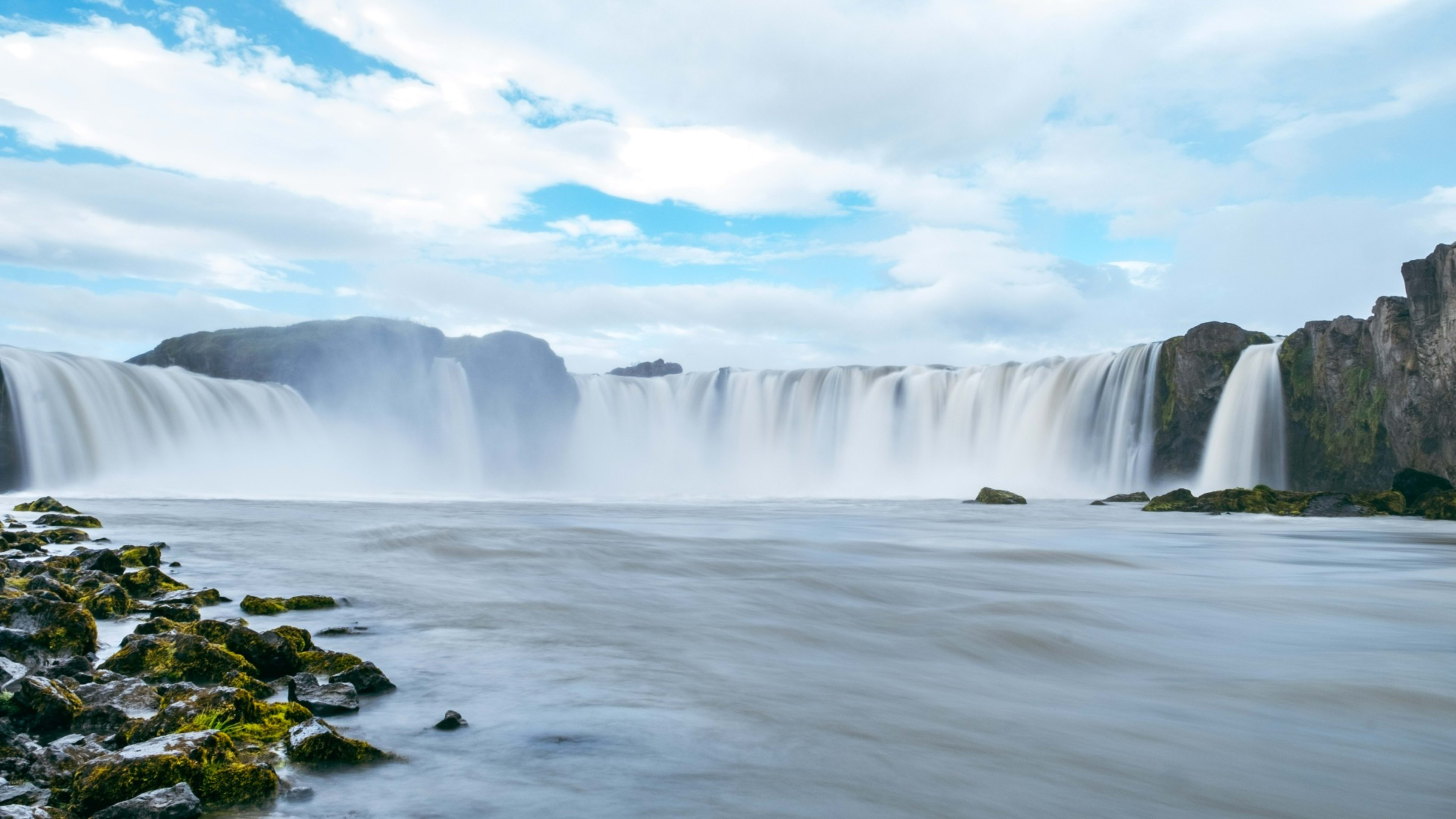
Goðafoss

Drink in the panoramic views of this impressive forked waterfall.

136 km (85 mi)

View
The edge of the Vatnajökull glacier

Vatnajökull Glacier & National Park

Witness glaciers and wild landscapes up close with a visit to Iceland’s largest national park.

141 km (88 mi)

View

FAQs about Glaumbær

Glaumbær is a historic turf farmhouse complex in North Iceland, now operated as a folk museum. These questions cover what to expect on a visit.

Glaumbær is located in the Skagafjörður area of North Iceland, just off Route 75 near the village of Varmahlíð. It lies approximately seven minutes from the Ring Road, around four hours north of Reykjavík and one hour west of Akureyri.

The museum is open daily from late May to late September. It operates on reduced hours in April, early May, and October, closing on weekends during those shoulder months. From late October to March the museum is generally closed, though visits can be arranged by contacting Skagafjörður Heritage Museum in advance. Opening hours and admission prices are listed on the official Glaumbær website.

Most visitors spend between one and two hours at Glaumbær. That is enough time to walk through the 13 interconnected turf buildings, visit the two timber houses, and see the churchyard and statue of Guðríður Þorbjarnardóttir. Those with a deeper interest in Icelandic history or traditional architecture may want to allow a little longer.

Guðríður Þorbjarnardóttir is one of the most widely travelled figures in medieval Icelandic history. According to the sagas, she sailed from Iceland to Greenland and then to North America, where her son Snorri was born -- considered the first child of European parents born in the New World. She later made a pilgrimage on foot to Rome. After her husband Þorfinnur Karlsefni died, her son Snorri farmed at Glaumbær and built the first church on the site. A statue of Guðríður and Snorri by sculptor Ásmundur Sveinsson stands in the Glaumbær churchyard.

The buildings standing today were constructed between the mid-18th century and 1879. The farm site itself has much older roots: according to the sagas, Snorri Þorfinnsson farmed here in the 11th century, and a church dated to around 1030 has been excavated on the property. The turf farmhouse was last inhabited in 1947, after which it became a protected site.

Glaumbær offers a clear, tangible sense of how Icelanders lived for centuries in conditions that were often dark, cold, and cramped by modern standards. The buildings are well preserved and the rooms are furnished as they would have been in use. The café in Áshús is a pleasant stop, and the churchyard and surrounding landscape make for a quiet half-hour even for those passing through quickly. It is a short detour from the Ring Road and pairs well with other stops in the Skagafjörður area.

The Skagafjörður area has a strong equestrian tradition and several horse farms in the valley offer riding tours. The town of Sauðárkrókur, around 25 kilometres north, has restaurants and services. The Hofsós swimming pool, set into a hillside with views over the fjord, is roughly 30 kilometres away. For those continuing the Ring Road, Goðafoss waterfall is around 90 kilometres east toward Akureyri.

#icelandmyway

See what travelers like you have been up to lately on Instagram.